1:06
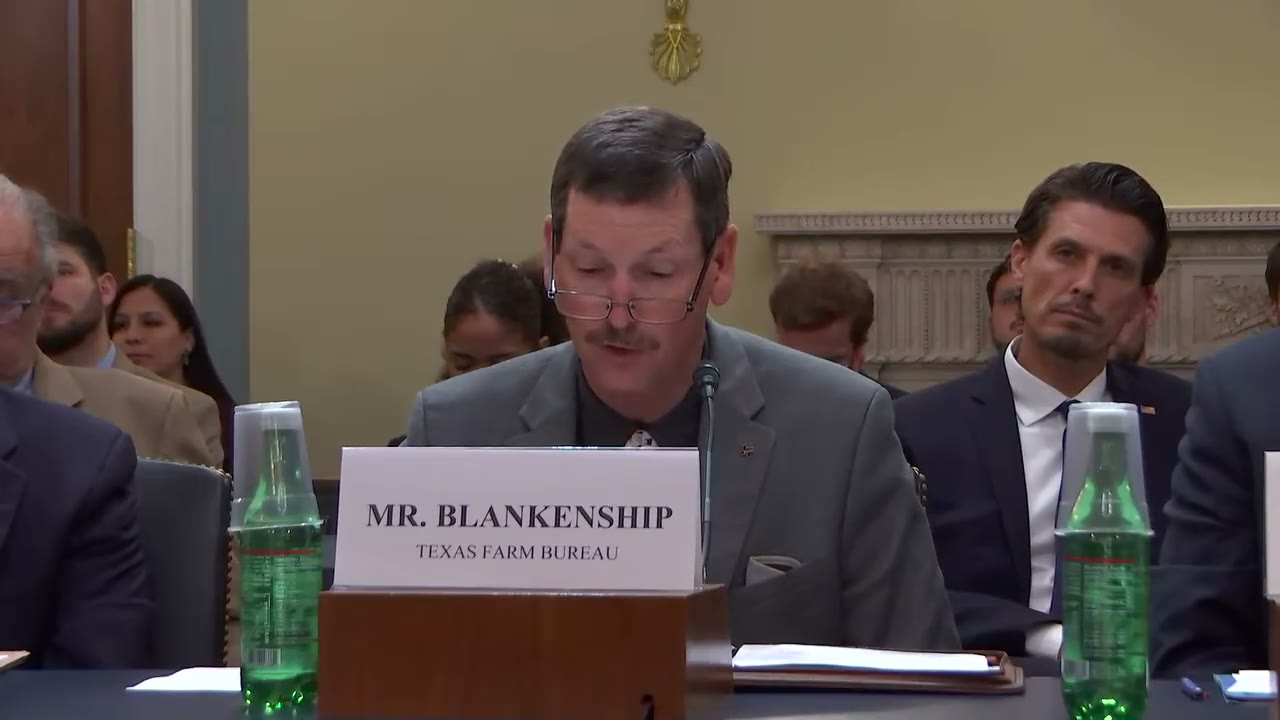
Jared Blankenship
103:43 - 104:50
"By bringing these agencies together under a formal agreement, the SAFE Cattle Act strengthens joint surveillance, supports coordinated eradication strategies, and improves engagement with state animal health and wildlife officials. It also increases transparency to ensure Congress can provide responders with the resources that are needed to eliminate this devastating pest."
“By bringing these agencies together under a formal agreement, the SAFE Cattle Act strengthens joint surveillance, supports coordinated eradication strategies, and improves engagement with state animal health and wildlife officials. It also increases transparency to ensure Congress can provide responders with the resources that are needed to eliminate this devastating pest.”
- Speaker
- Jared Blankenship
- Timestamp
- 103:43 – 104:50
- Source
- House Natural Resources Subcommittee on Water, Wildlife and Fisheries (Begich): Legislative Hearing
- Community
- Alaska News
- Captured at
- July 21, 2026
From the transcript
Instead, it strengthens the framework for the agencies already engaged in this effort. The bill recognizes that USDA leads animal health efforts, while the Department of Interior manages wildlife and federal lands that can play an important role in prevention and eradication activities. By bringing these agencies together under a formal agreement, the SAFE Cattle Act strengthens joint surveillance, supports coordinated eradication strategies, and improves engagement with state animal health and wildlife officials. It also increases transparency to ensure Congress can provide responders with the resources that are needed to eliminate this devastating pest. These practical steps can help protect producers moving forward, and Texas Farm Bureau believes the SAFE Cattle Act is exactly the type of common-sense legislation that Congress should support.
Related Coverage
Congress weighs expanded sea lion removal to save Pacific salmon
A House subcommittee heard competing testimony Tuesday on a bill that would let Washington state and tribal co-managers kill more sea lions across the Columbia River and Western Washington. Supporters cited a dramatic drop in steelhead extinction risk at Willamette Falls; a minority scientist warned habitat loss, not predation, is the real problem.
 by Maggie AlaskaNews1d ago2 min readAI
Pacific Northwest (Columbia River Basin, Puget Sound, coastal Washington)