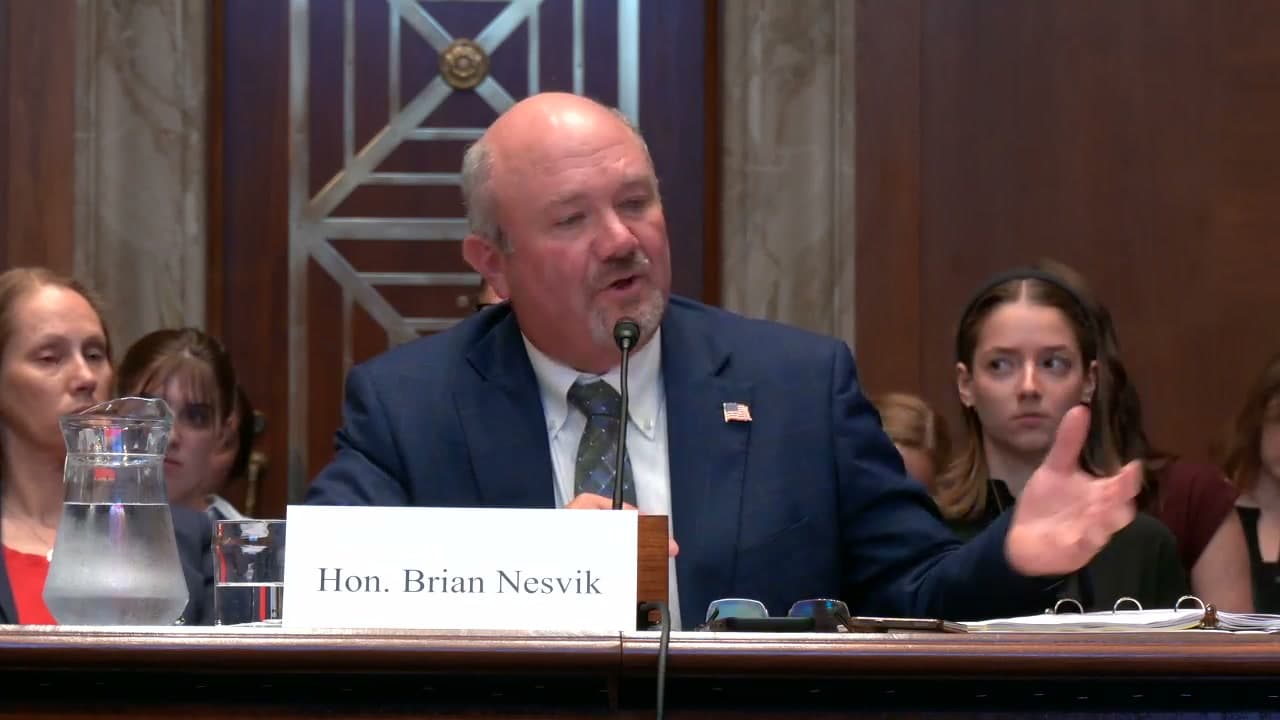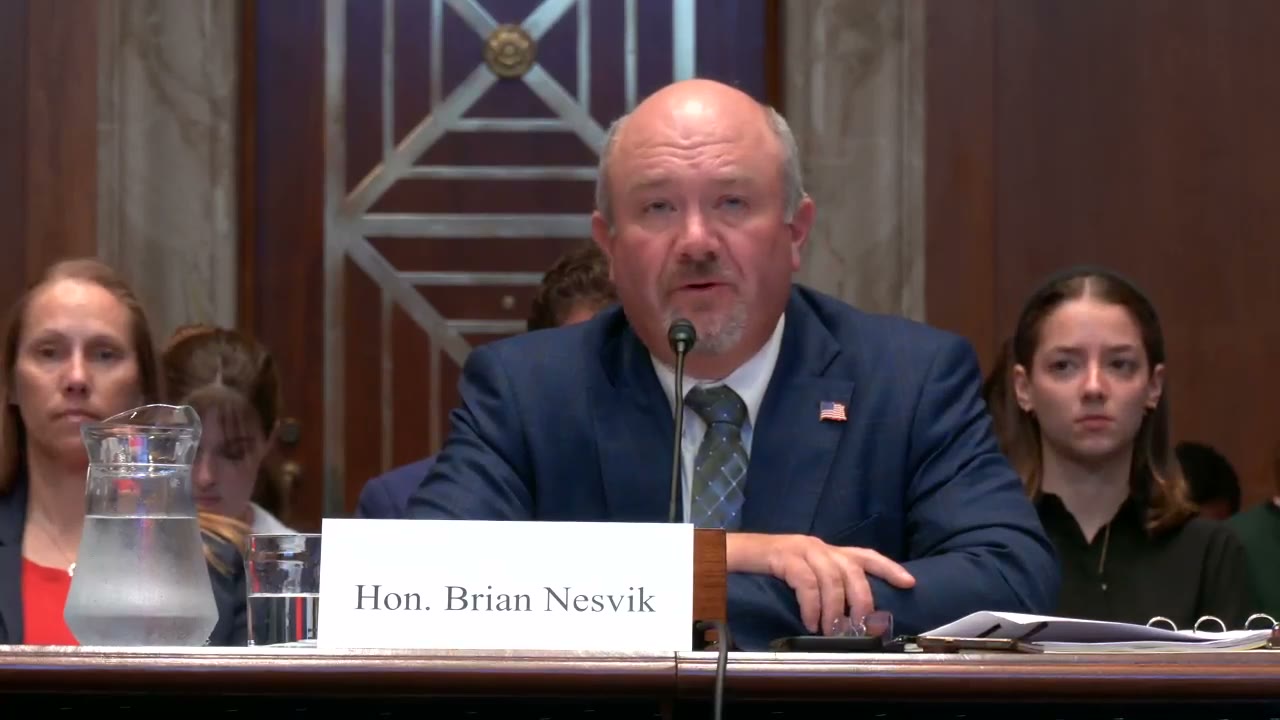
Speaker C
34:42 - 35:17
"this is a recent development. This is a pretty recent court decision. We are aware of it in the Department of Interior, and we've already begun looking at what the options may be in order to ensure that this doesn't disrupt our abilities to issue those permits that previously state primacy was able to address. So I don't have specific options identified here today, but please know that we are working on those, and myself as well as senior officials in the department are very well aware."
“this is a recent development. This is a pretty recent court decision. We are aware of it in the Department of Interior, and we've already begun looking at what the options may be in order to ensure that this doesn't disrupt our abilities to issue those permits that previously state primacy was able to address. So I don't have specific options identified here today, but please know that we are working on those, and myself as well as senior officials in the department are very well aware.”
- Speaker
- Speaker C
- Timestamp
- 34:42 – 35:17
- Community
- Alaska News
- Location
- Alaska
- Captured at
- June 10, 2026
From the transcript
As you mentioned, this is a recent development. This is a pretty recent court decision. We are aware of it in the Department of Interior, and we've already begun looking at what the options may be in order to ensure that this doesn't disrupt our abilities to issue those permits that previously state primacy was able to address. So I don't have specific options identified here today, but please know that we are working on those, and myself as well as senior officials in the department are very well aware. Well, thank you, and we'll look forward to working with that and keeping close communication.
Related Coverage
A federal expansion of hunting and fishing access on national wildlife refuges would land most heavily in Alaska
The U.S. Fish and Wildlife Service proposed the largest expansion of hunting and fishing access in agency history in May, opening or expanding more than 1,450 opportunities across 32 states including Alaska's National Wildlife Refuges. Director Brian Nesvik told the Senate Environment and Public Works Committee Wednesday the proposal reflects the Trump administration's commitment to American hunters and anglers.
 by Alaska News3mo ago2 min read
Fish and Wildlife lost quarter of staff, faces questions on refuge management
The U.S. Fish and Wildlife Service has lost roughly **1,800 employees**, about a quarter of its workforce, including **530 biologists** and over 100 regional senior staff. Director Brian Nesvik told the Senate Environment and Public Works Committee Wednesday that some refuges now have no staff working on the ground, though he said that does not necessarily mean they are closed to public use.
by Alaska News3mo ago2 min read
Fish and Wildlife Service seeks $5M to cut energy permit times in half
The U.S. Fish and Wildlife Service asked Congress Wednesday for $5.1 million to speed up endangered species consultations for energy projects from 30 to 14 days, directly affecting Alaska oil, gas, and mining permit timelines.
by Alaska News3mo ago2 min read