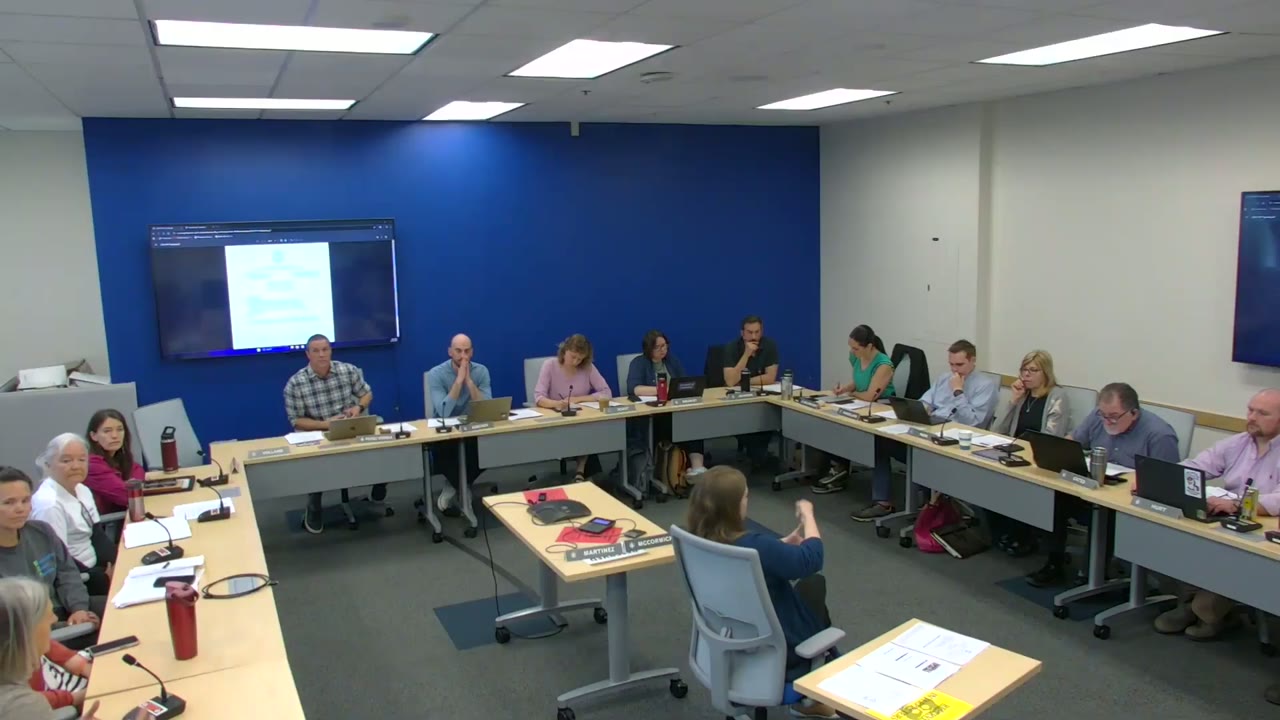
Erin Baldwin Day
13:46 - 14:41
"for these 45 to 50 people who are in this rotation, Is the actual need here for a different kind of facility that we don't currently have, or like, what's the constellation of solutions beyond just the sharing of medical records that actually gets us to a place where we don't have these 45 to 50 extremely vulnerable humans who are cycling through instability sort of in perpetuity?"
“for these 45 to 50 people who are in this rotation, Is the actual need here for a different kind of facility that we don't currently have, or like, what's the constellation of solutions beyond just the sharing of medical records that actually gets us to a place where we don't have these 45 to 50 extremely vulnerable humans who are cycling through instability sort of in perpetuity?”
- Speaker
- Erin Baldwin Day
- Timestamp
- 13:46 – 14:41
- Community
- Alaska News
- Location
- Anchorage
- Captured at
- June 17, 2026
From the transcript
That's helpful. And I think the, I mean, obviously the medical record sharing is a critical piece of all of this, but, you know, for these 45 to 50 people who are in this rotation, Is the actual need here for a different kind of facility that we don't currently have, or like, what's the constellation of solutions beyond just the sharing of medical records that actually gets us to a place where we don't have these 45 to 50 extremely vulnerable humans who are cycling through instability sort of in perpetuity? Yeah, it's a couple of things. One, the state did just pass in the last legislative session the ability to license what they're calling complex care Residential facilities, I think, is the term. But that basically is a higher level facility than we have currently, but it's short of being institutionalized.
Related Coverage
Anchorage homeless residents tell Assembly: shelters worse than jail
Anchorage homelessness committee testimony Wednesday sits inside a debate shaped by competing lived experiences — both unhoused and housed residents
 by Walter AlaskaNews3mo ago3 min read
True North dropped crisis services from Fairview plan after months of pushback
True North Recovery dropped crisis services from its Fairview plan after community pushback — replacing them with outpatient care and mobile outreach
by Walter AlaskaNews3mo ago2 min read