1:00
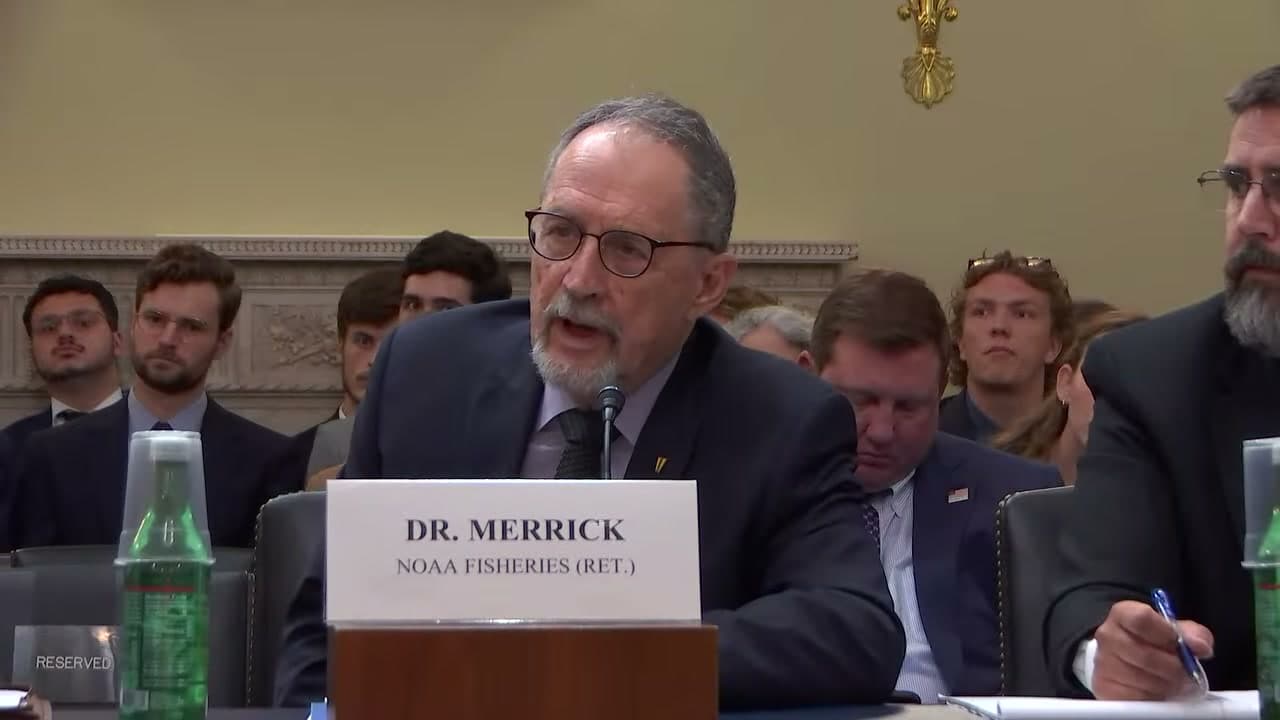
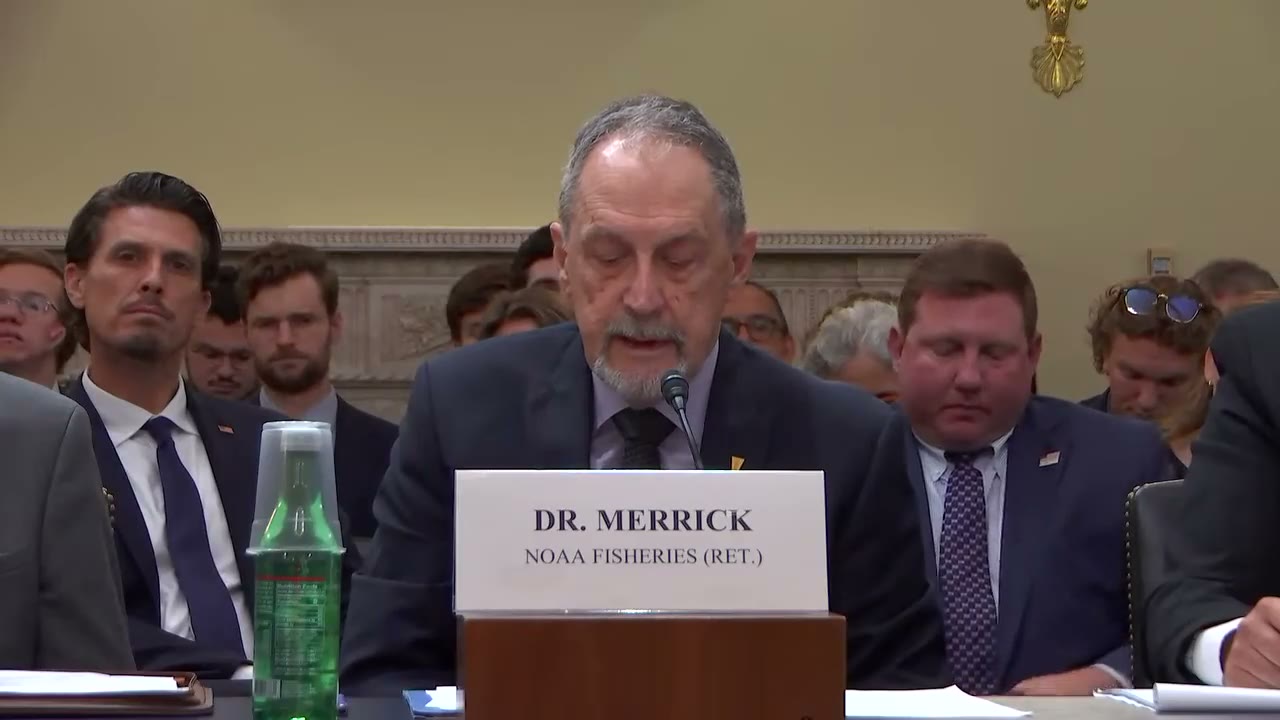
Richard Merrick
108:04 - 109:05
"an up-to-date study of harvest seal diets in the Salish Sea that was published just this year indicates that salmon make up a very small portion of harvest seal diets."
“an up-to-date study of harvest seal diets in the Salish Sea that was published just this year indicates that salmon make up a very small portion of harvest seal diets.”
- Speaker
- Richard Merrick
- Timestamp
- 108:04 – 109:05
- Source
- House Natural Resources Subcommittee on Water, Wildlife and Fisheries (Begich): Legislative Hearing
- Community
- Alaska News
- Captured at
- July 21, 2026
From the transcript
The diet data that we've seen is actually— that shows salmon to be a part of the Piniped diet in many ways is lacking. The Washington Academy of Sciences report was really powerful, but most of the data that was presented in there on diet is old or was really focused on very small collections spatially and temporally. More recent reports, and I've listed these in my longer presentation, show that these reports are likely to have significantly underestimated salmon consumption by pinnipeds. For example, an up-to-date study of harvest seal diets in the Salish Sea that was published just this year indicates that salmon make up a very small portion of harvest seal diets. So something like that, comparable wide-ranging and multi-season, multi-year study of sea lion diets is really necessary to understand the overall effect of pinniped predation on salmon.
Related Coverage
Congress weighs expanded sea lion removal to save Pacific salmon
A House subcommittee heard competing testimony Tuesday on a bill that would let Washington state and tribal co-managers kill more sea lions across the Columbia River and Western Washington. Supporters cited a dramatic drop in steelhead extinction risk at Willamette Falls; a minority scientist warned habitat loss, not predation, is the real problem.
 by Maggie AlaskaNews1d ago2 min readAI
Pacific Northwest (Columbia River Basin, Puget Sound, coastal Washington)