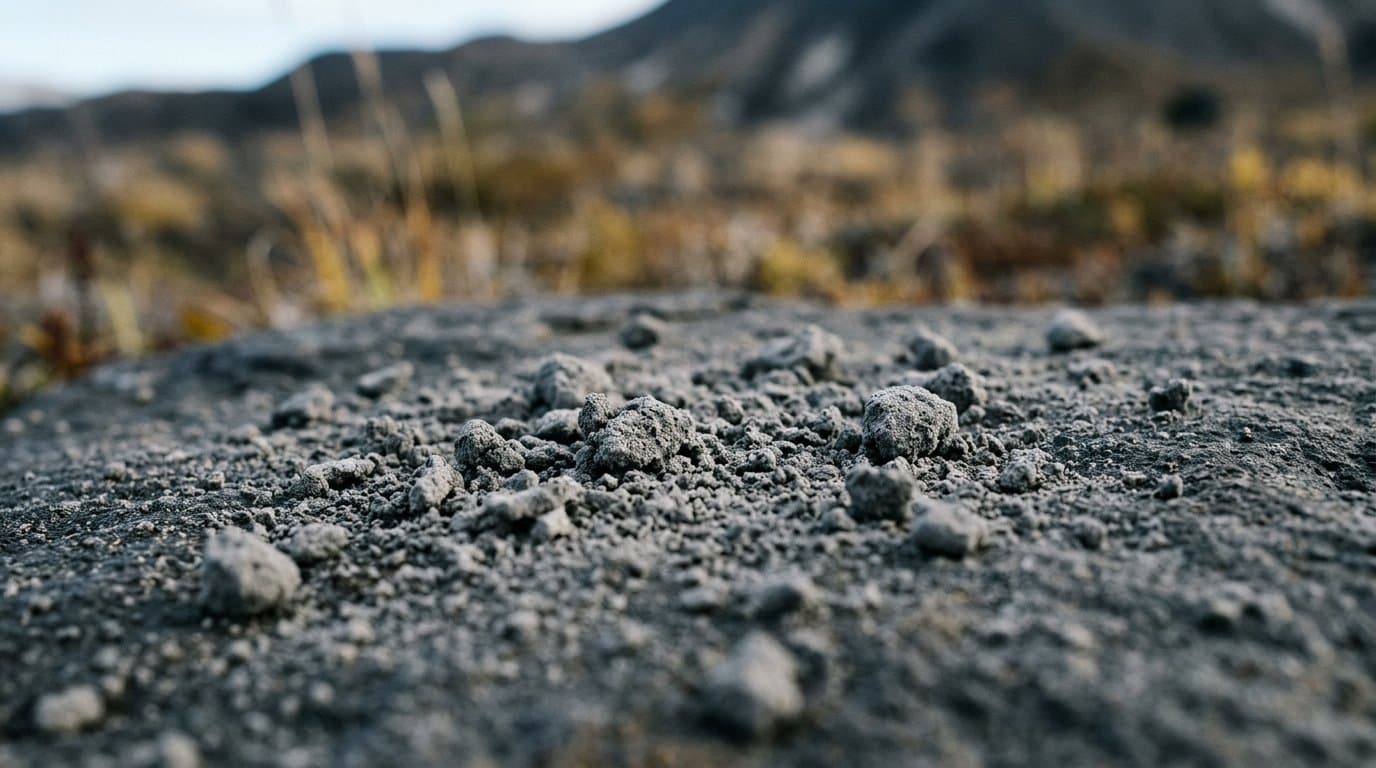
AI image
Wind blew 114-year-old volcanic ash over western Kodiak Island on Saturday
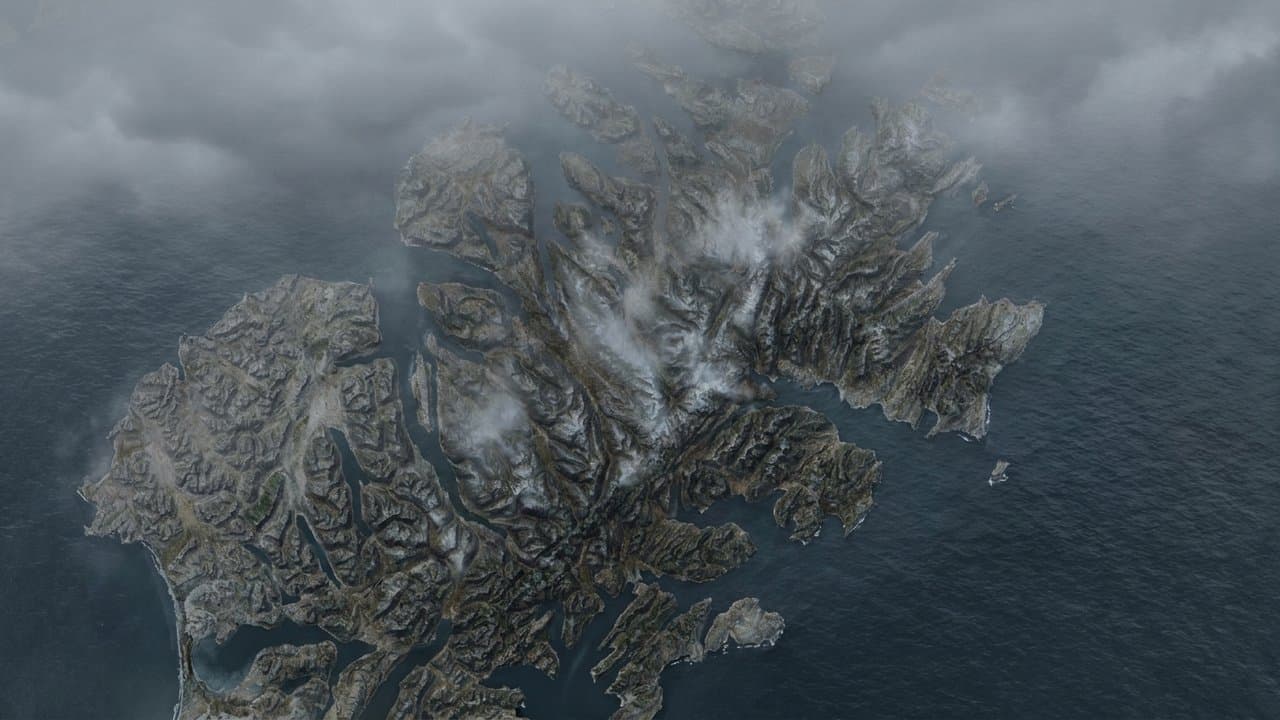
The National Weather Service warned Saturday that strong winds were carrying ash from a volcanic eruption 114 years ago over western Kodiak Island.
Karluk and Larsen Bay were the villages most likely to see haze and possibly trace amounts of ash. Forecasters said people with respiratory problems or in other sensitive groups should avoid or cut back on time outdoors so they didn't breathe it in.
The special weather statement ran from 10:42 am Saturday until midnight, when the winds were expected to weaken.
There was no new eruption. The ash came from the 1912 eruption of Novarupta, on the Alaska Peninsula about 100 miles west of Kodiak.
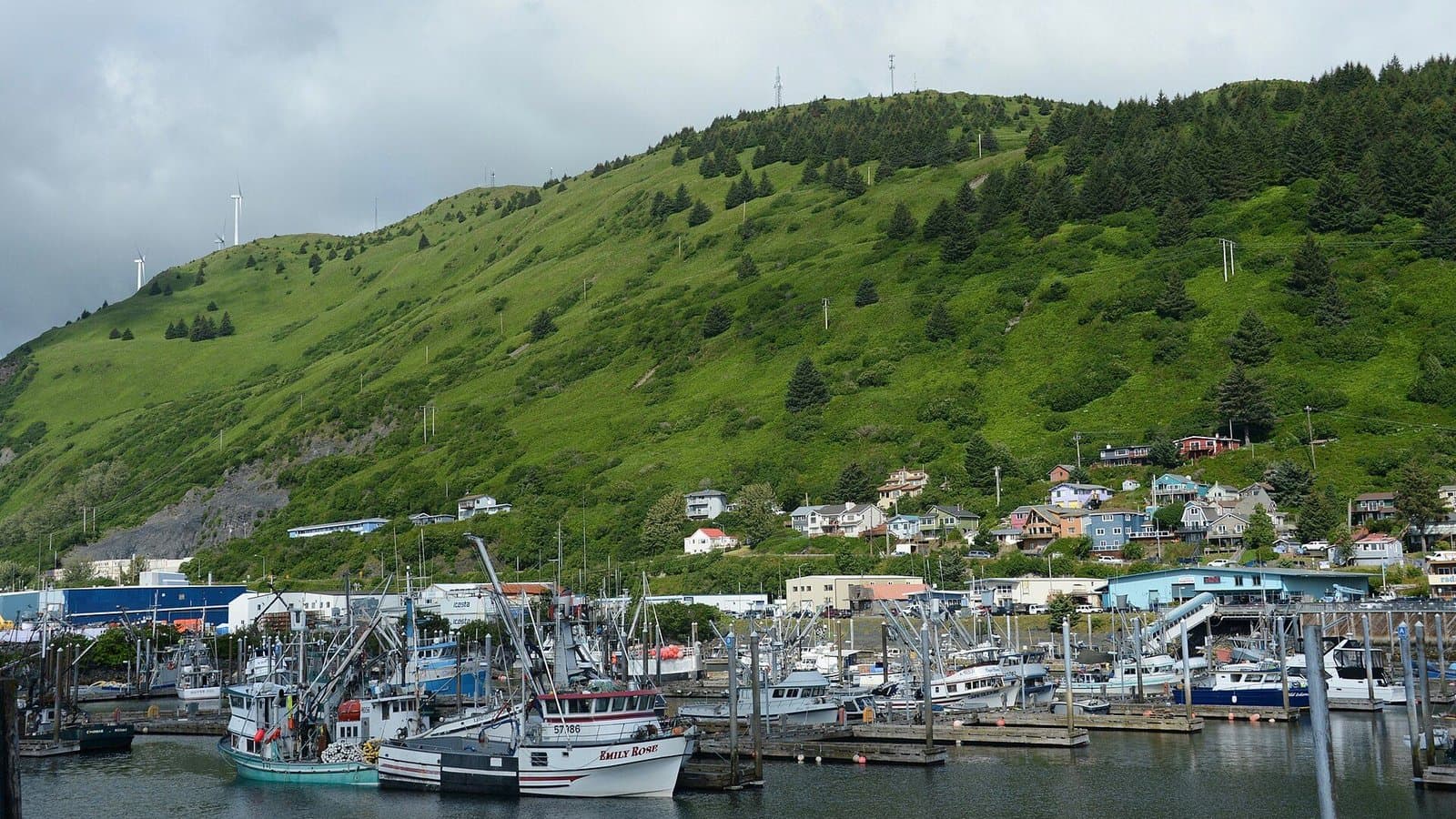
It was the largest eruption of the 20th century, the Kodiak Island Borough's hazard mitigation plan says. It released more ash than all other documented Alaska eruptions combined. About a foot of ash fell on Kodiak, and the town sat in darkness for 60 hours. Residents suffered sore eyes, temporary blindness and trouble breathing.
In the Valley of Ten Thousand Smokes, near the volcano, ash and other volcanic debris lie up to 660 feet deep. More than a century later, the valley is still nearly bare of plants, according to the U.S. Geological Survey's Alaska Volcano Observatory.
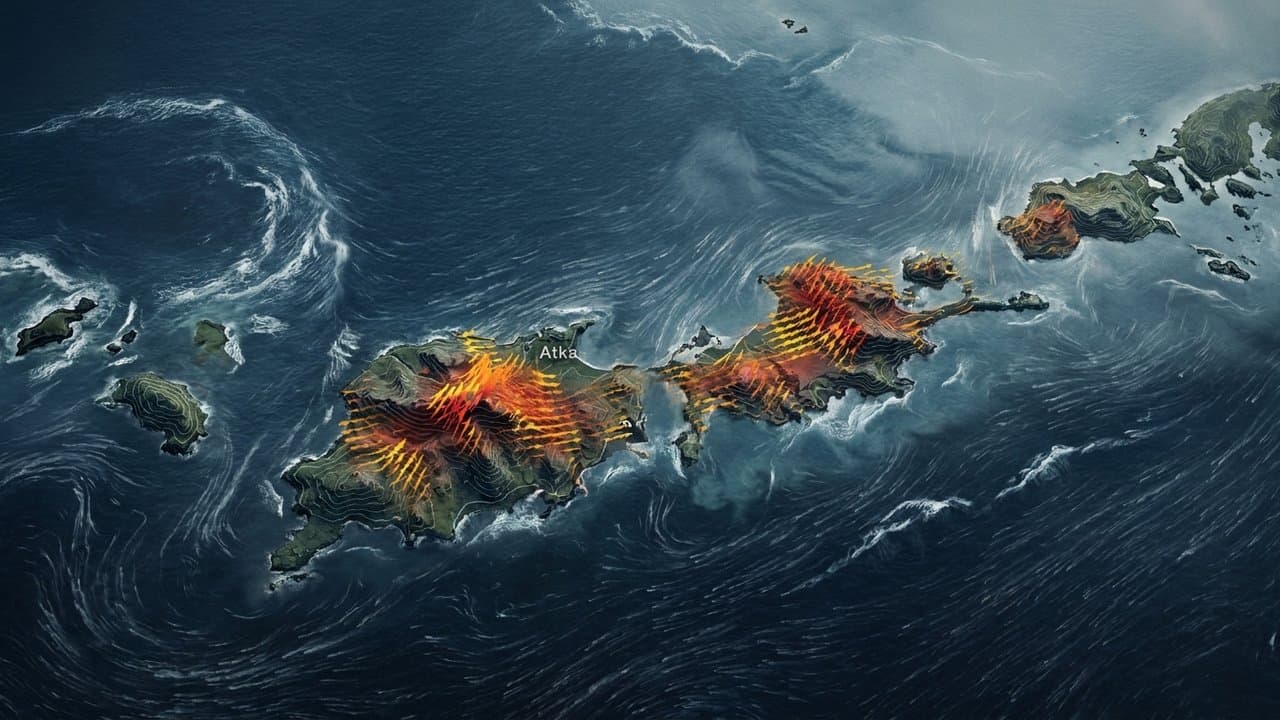
When strong northwesterly winds blow across that snow-free ground, especially when it's dry, they can lift the ash. The clouds have been estimated at 4,000 to 11,000 feet and can stretch up to 155 miles, over Shelikof Strait, parts of Kodiak Island and the Gulf of Alaska. It can happen regularly in spring and fall, and it has likely been happening since 1912.
That's what forecasters said happened Saturday. Strong northwesterly winds across Shelikof Strait and the waters around western Kodiak Island were stirring up the old ash.
Communities on Kodiak Island have reported trace fallout, typically less than a millimeter. The observatory says it's physically the same as ash from an eruption, and USGS says particles smaller than 10 microns can be breathed deep into the lungs. Whether trace fallout like this affects air quality or public health isn't known, the observatory says. Settled ash can be stirred up by wind for weeks or even years after an eruption, the agency says. Here it has been more than a century.
The weather service issued similar statements for southwest Kodiak Island on Aug. 29 and Aug. 31. Both named Karluk and Larsen Bay, and the Aug. 31 statement also listed Akhiok.
What did you make of this story? (no account needed)
Made by our human newsroom with AI. Reviewed by Cale Green. How humans and AI work here · Grow with our newsroom ·
Get Alaska News in your inbox
Create your free account and get the day’s top stories around 6 each morning, in a few minutes’ read.
Top stories, around 6 each morning.
Stories on what you follow, on Sundays.
Source: National Weather Service, National Weather Service: [NWS Special Weather Statement] Kodiak Island Southwest (issued 2026-11-14T10:42:00-09:00).




Comments
Sign in to leave a comment.
No comments yet. Be the first to share your thoughts.