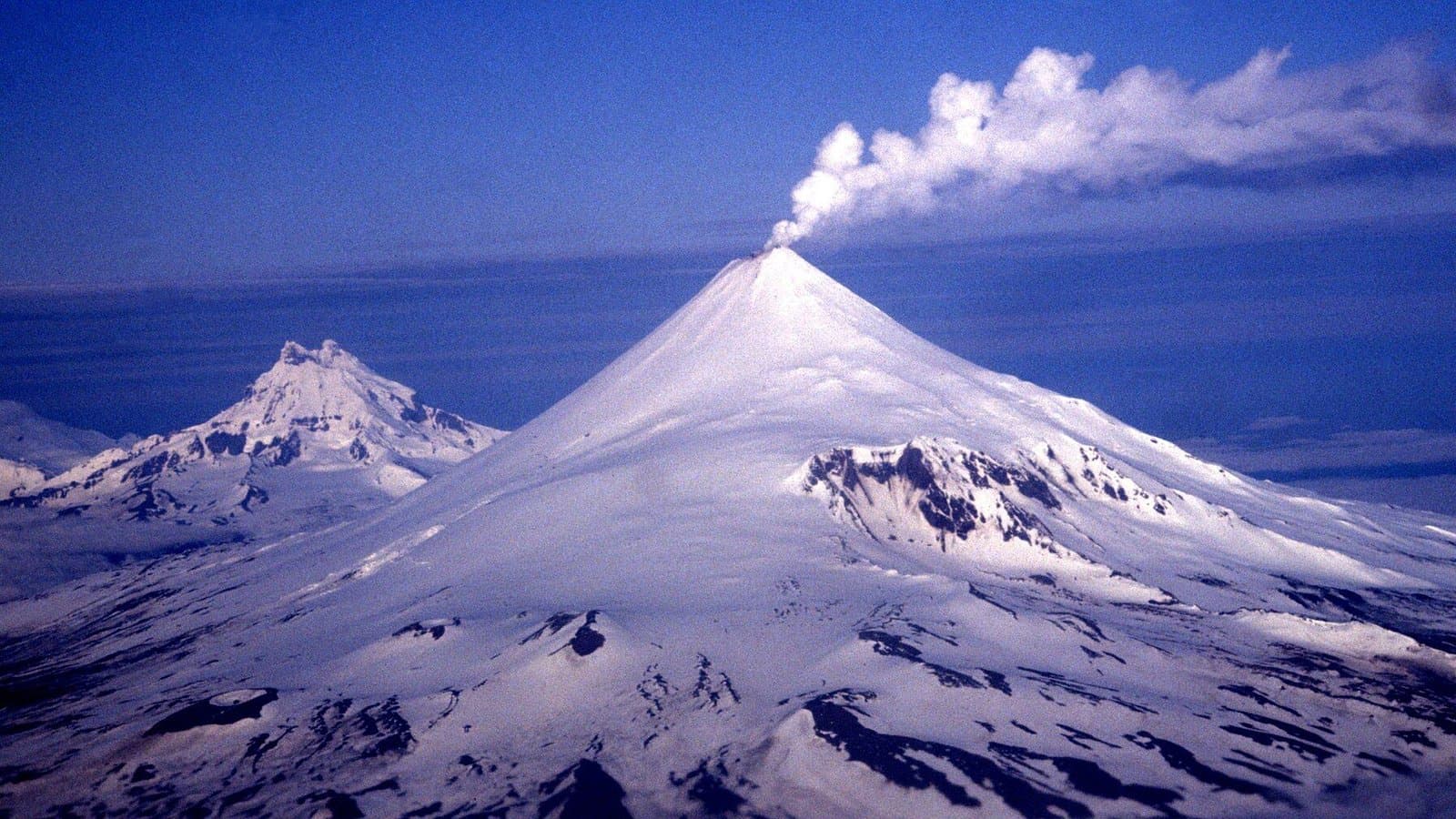
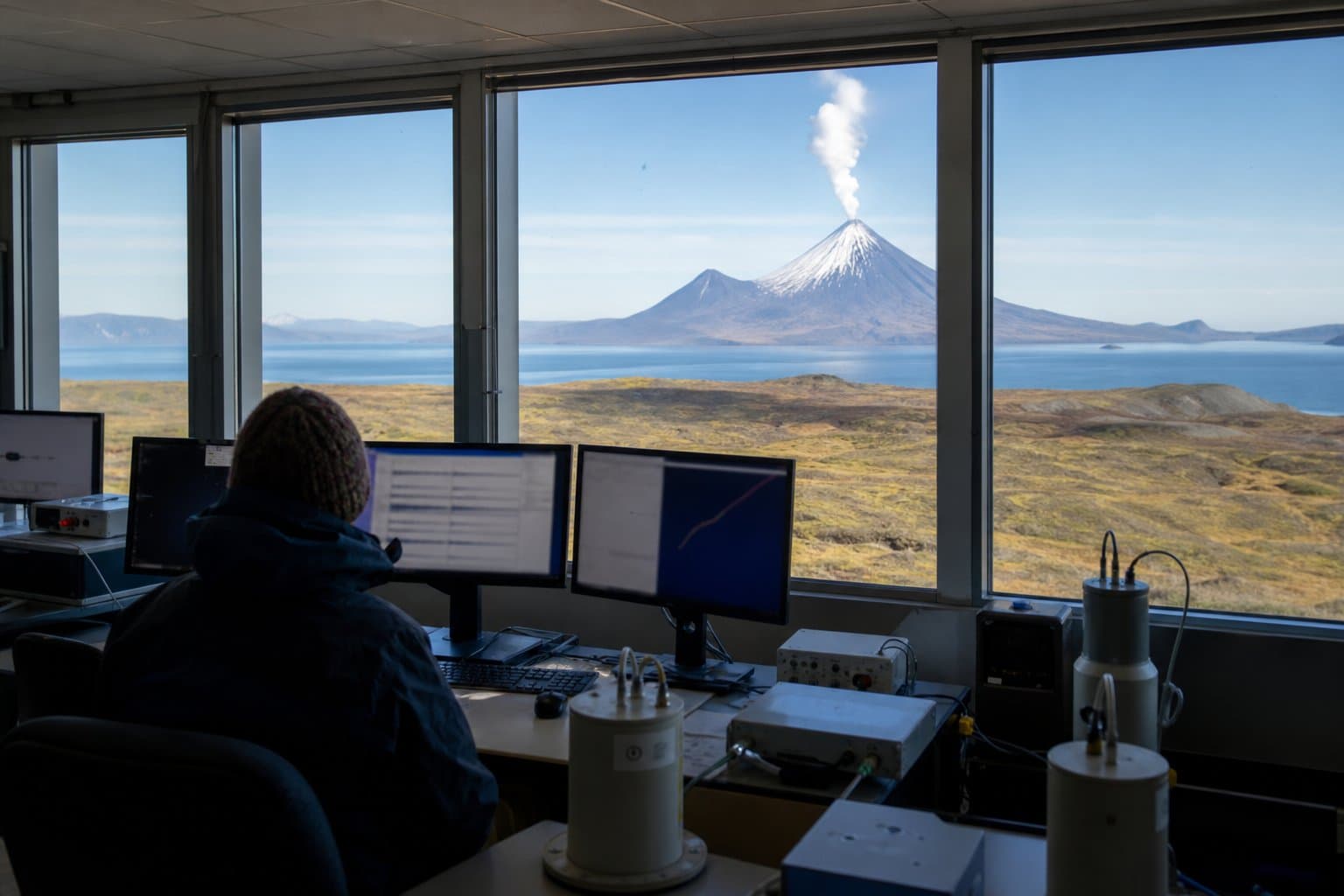
Photo: Allan Shimada, NOAA NMFS/OST/AMD. via Wikimedia Commons · Photo source · Public domain
Shishaldin, the Aleutians' tallest volcano, drops to its lowest alert level
The Alaska Volcano Observatory on Monday lowered Shishaldin Volcano, the tallest peak in the Aleutian Islands, to its lowest alert level after more than 14 months of unrest. The observatory also says the volcano "will erupt again."
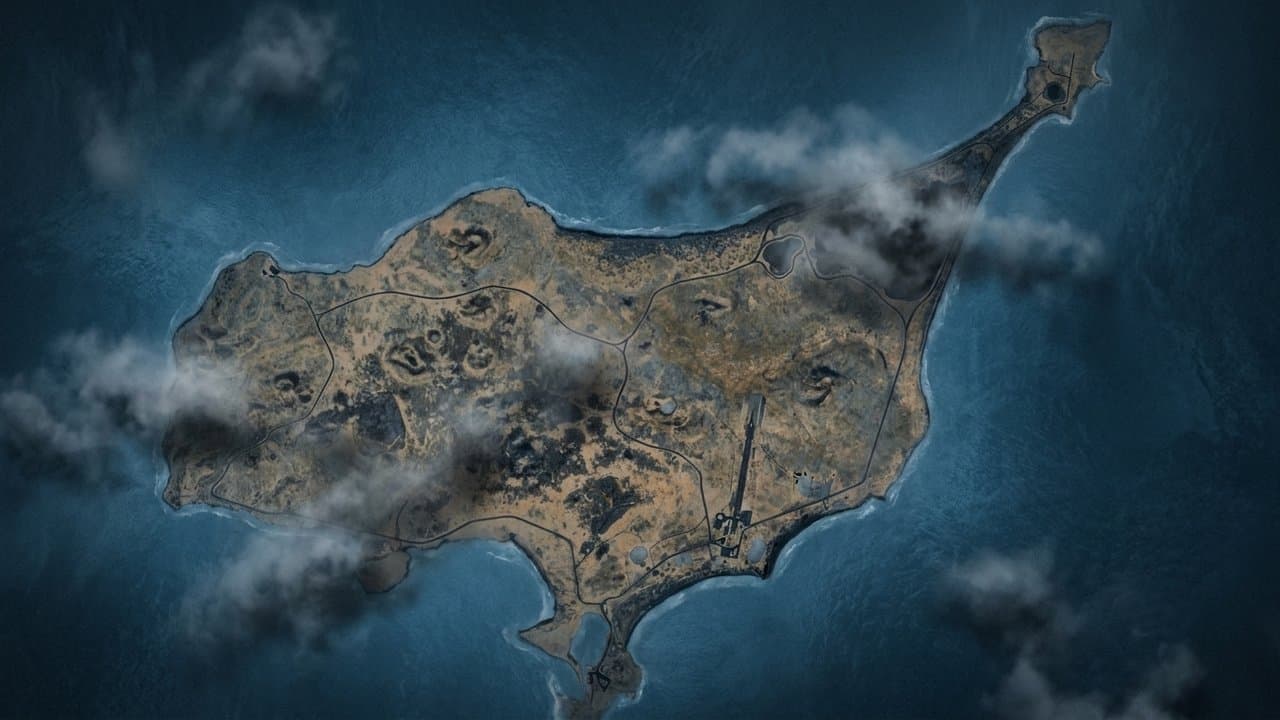
Shishaldin rises 9,373 feet on Unimak Island, a "spectacular symmetric cone" about 10 miles across at its base with a funnel-shaped crater at the top, the observatory says. It's one of Alaska's most frequently active volcanoes.
The latest unrest began in August 2025, when the volcano started giving off more sulfur dioxide gas. Instruments picked up steady, low-level earthquake signals and sound waves too low for people to hear, consistent with explosions deep in the vent. By June, the signals suggested magma was rising close to the surface.
No lava or eruption was seen at the surface. Over the last four months, the signals have faded in a way that fits magma sinking back down, the observatory said. Activity is now "near background for this volcano, and does not indicate increased likelihood of an eruption," it said in its notice Monday. The next eruption could still come "with little to no warning," the notice said.
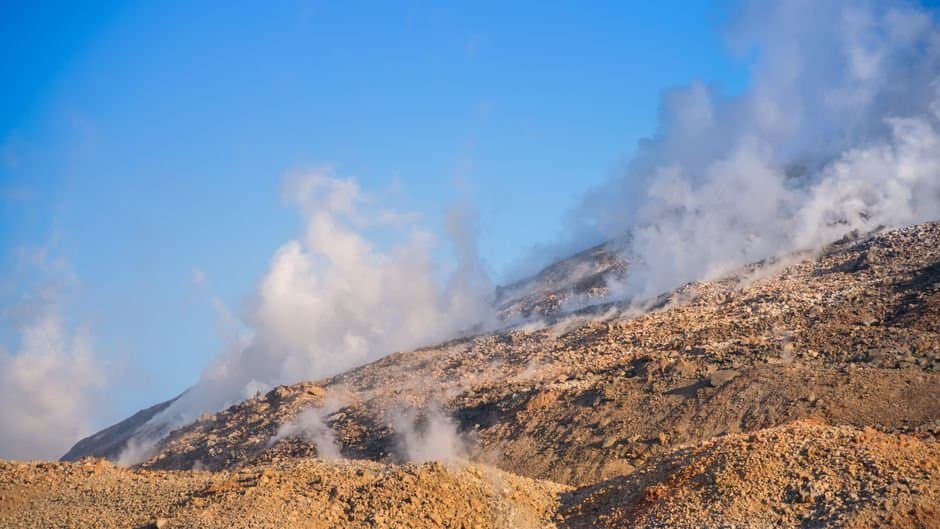
A webcam image Tuesday showed a vigorous steam plume rising from the summit, and the observatory says plumes like that can go on for decades. Slopes near the top, left unstable by the 2023 eruption, can also collapse and kick up small dust and ash clouds without any eruption.
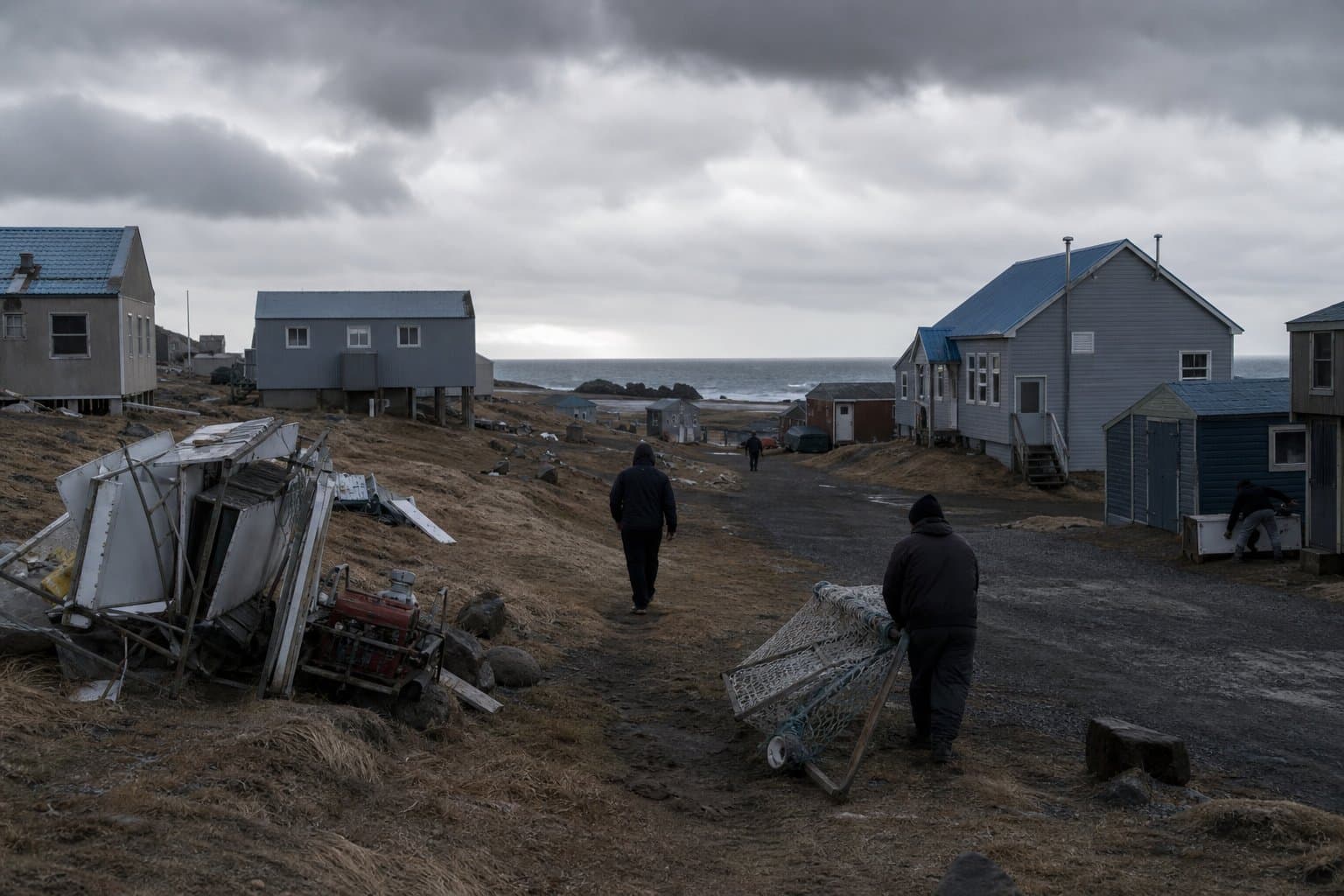
That 2023 eruption sent ash as high as 46,000 feet above sea level. Trace ash fell on False Pass, Cold Bay, King Cove and Sand Point, according to the observatory's eruption record, and Cold Bay's airport closed Sept. 25 to 29 because of ash on the runway. False Pass, about 23 miles from the volcano, had ashfall for several months, according to the Aleutians East Borough's draft hazard plan. The plan says an eruption in 1946 covered the community in more than 2 inches of ash.
This is the second time Shishaldin has been lowered to green since 2023. The observatory first did so in August 2024, then raised the alert again a year later.
Shishaldin has had at least 54 episodes of unrest and more than 28 confirmed eruptions since 1824. Most were relatively small. The observatory says it will raise the alert again if signs show magma rising toward the surface or an eruption begins.
Made by our human newsroom with AI. Reviewed by Cale Green. How humans and AI work here · Grow with our newsroom
Get Alaska News in your inbox
Create your free account and get the day’s top stories around 6 each morning, in a few minutes’ read.
The day's top stories around 6 each morning. Unsubscribe in one click.
Source: Division of Homeland Security and Emergency Management situation reports, Shishaldin Volcano drops to green after more than 14 months at yellow, but the observatory says it will erupt again.








Comments
Sign in to leave a comment.
No comments yet. Be the first to share your thoughts.