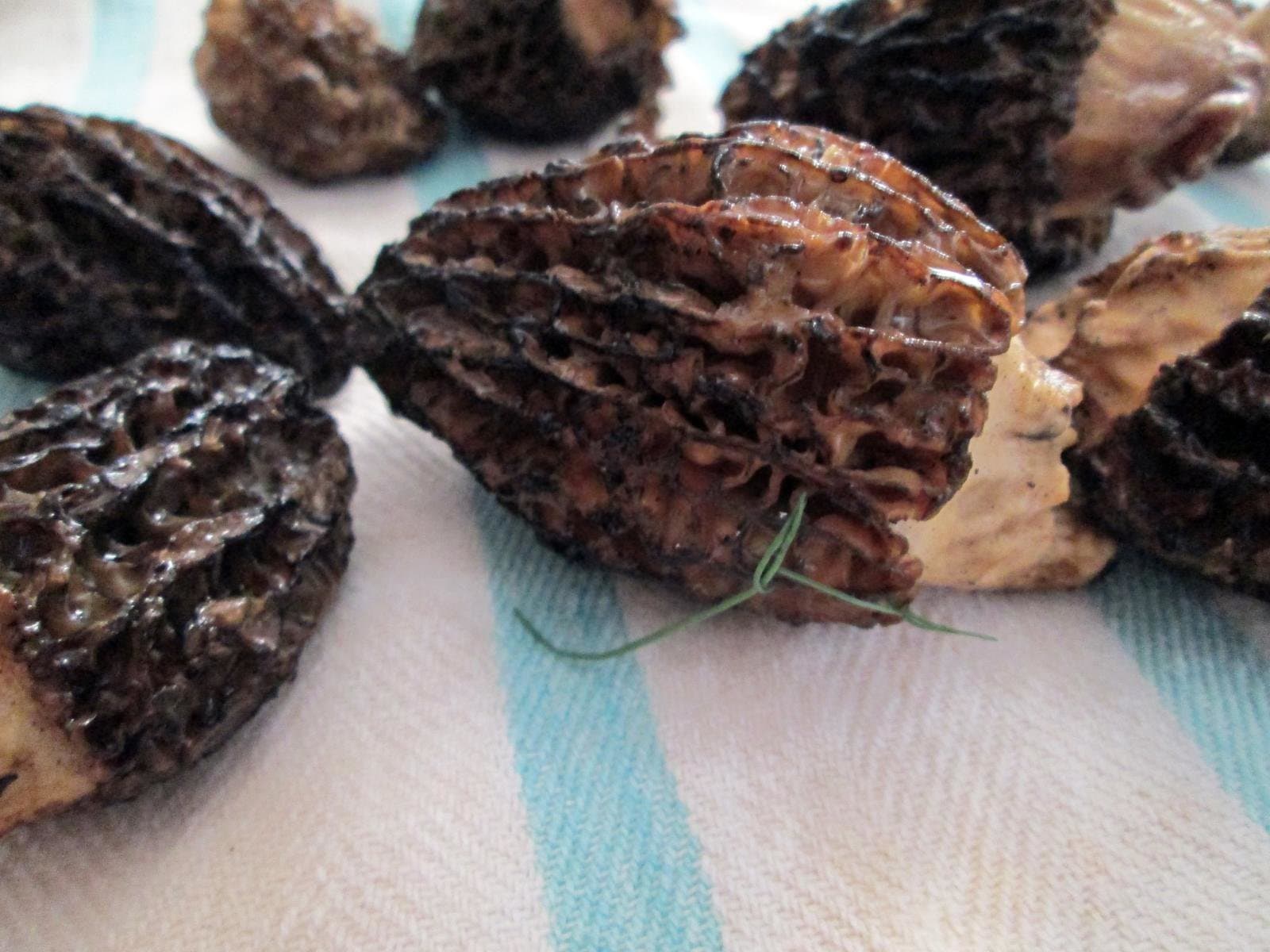
Rob Larsen · Photo source · CC BY
Where Alaska's fire morels may pop next
A black spruce fire is bad news when it runs toward homes. A year later, for a certain kind of Alaskan, it starts to look like a treasure map.
Morel hunters know the pattern. After a wildfire burns through boreal forest, especially spruce country, mushrooms can flush in the first spring or two after the burn. Not every fire produces. Not every patch is legal or safe to enter. But recent road-system burns give foragers a place to start looking.
The biggest name on that list is the McDonald Fire, which burned about 153,700 acres southeast of Fairbanks in 2024. Its size alone makes it one of the most obvious recent burns for morel-minded Alaskans to watch.
The Elliott Highway corridor also has several candidates. The Aggie Creek Fire burned about 34,800 acres in 2025. The Himalaya Road Fire burned about 6,100 acres the same year. The Slate and Globe fires, both from 2024, burned tens of thousands of acres in the broader Elliott Highway country.
Closer to Fairbanks-area road users, the Goldstream Creek Fire burned about 20,500 acres in 2025. The Bonanza Creek Fire burned about 12,600 acres near the Parks Highway corridor.
Farther east, the Tok area has its own watch list. The 7 Mile Lookout Fire burned about 4,100 acres in 2025 near the Tok Cutoff. The Tok River Fire was smaller, about 334 acres, but easier to place on the map. The Tetlin Hills Fire, from 2024, burned near the Alaska Highway and Tetlin Access Road.
Southcentral foragers may eye the Nelchina Glacier Fire, a 2025 burn of about 3,900 acres in the Glenn Highway and Eureka area. In the Mat-Su, the Montana Creek Fire was much smaller, about 159 acres, but sits in country familiar to Talkeetna-area drivers and weekend wanderers.
This is not a promise of mushrooms. It is a watch list.
Burned forests can hide ash pits, falling snags, soft shoulders and private-property lines. Some burns cross public, private, Native corporation, park, refuge or military lands. Rules change by owner. So do closures.
Before heading out, check land status, fire closures, parking rules and weather. Do not block roads. Tell someone where you are going. Bring water, bear spray and a real map. And if you are new to mushrooms, do not trust dinner to a hunch.
Recent burn scars attract foragers because morels can flush in the first spring or two after a wildfire, particularly in spruce-dominated boreal forest. The burns listed above provide road-accessible starting points for those willing to navigate the safety and access challenges that come with entering burned forest.
Source: Where Alaska’s fire morels may pop next.
Made by our human newsroom with AI. How humans and AI work here · Grow with our newsroom
Stay informed. Support what matters.
Free, permanent access to local news you can verify. Subscribe to support Walter AlaskaNews and go ad-free.
Related Coverage
Alaska plans to burn the Alphabet Hills to grow more moose forage
Alaska News · 3mo ago
Alaska is about to burn 54,000 acres on purpose, to grow more moose
Alaska News · 3mo ago
Fifty homes destroyed at Tok in Alaska's lightest burn year since 1995
Alaska News · 1mo ago
Alaska's smallest fire year since 1995 was also one of its most destructive
Alaska News · 1mo ago
Alaska's quiet June fire season faces July's heat and lightning
Alaska News · 3mo ago
Comments
Sign in to leave a comment.
No comments yet. Be the first to share your thoughts.