AI image
Tribal health study finds patients value video specialist visits, but costs barely change
Alaska Native patients said video visits with specialists spared them travel, but the visits barely changed spending on their care, a federally funded study by the Alaska Native Tribal Health Consortium found.
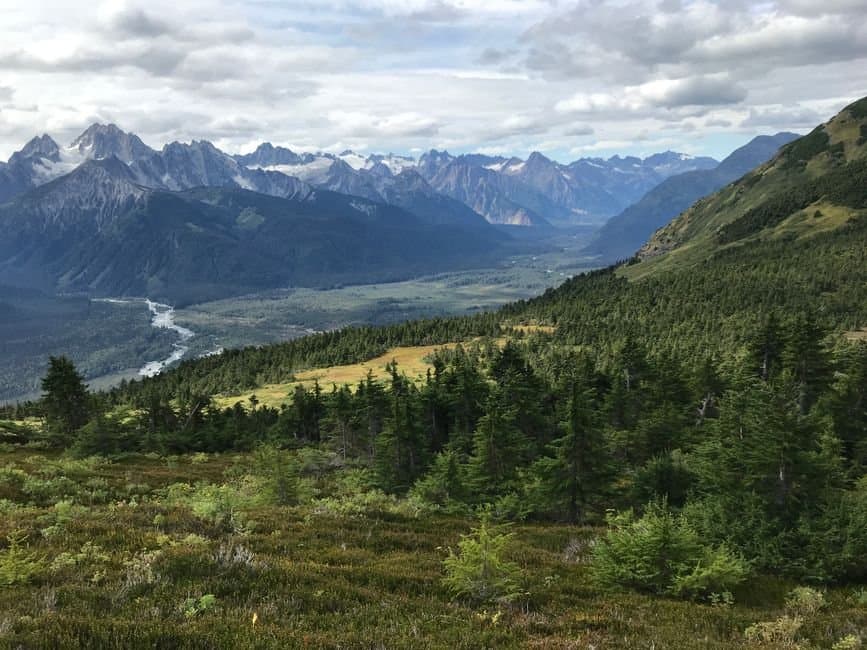
A 2019 history the consortium sponsored gives an example of the travel involved. Someone from Hydaburg on Prince of Wales Island who needed a cardiologist in Anchorage used to get up at 4 am, drive across the island, take a ferry to Ketchikan, fly to Sitka and Juneau and land in Anchorage late in the evening, not counting weather delays.
A video follow-up at the local clinic avoids "two 16-hour days of travel," the history says.
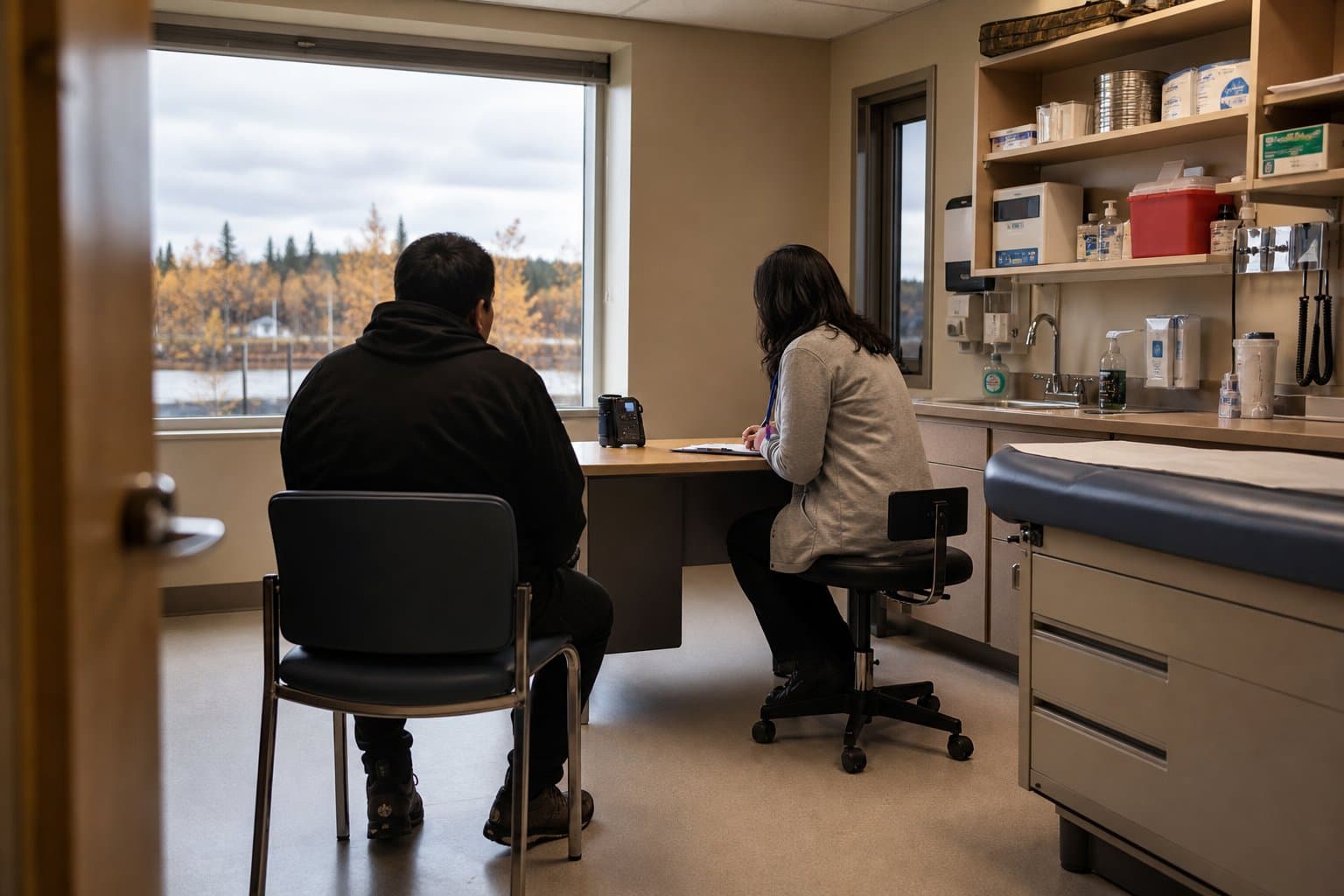
The study evaluated live video visits for chronic disease specialty care in four regions of the Alaska Tribal Health System, the network of tribes and tribal organizations that provide health care to Alaska Native and American Indian people.
In focus groups, patients named avoiding travel and better communication with providers as benefits, according to the consortium's summary of the findings. They named technology, the limits of a physical exam over video and privacy as barriers. In surveys, providers named similar benefits and barriers and said they preferred video most for follow-up care.
Health care spending on patients tended to drop slightly after their first video visit, compared with similar patients who didn't use one, but only by about 1%. That analysis used Alaska Medicaid and tribal health system data from before the COVID-19 pandemic.
From 2015 to 2019, patients who used video visits had slightly higher rates of clinic visits and hospital stays than similar patients who didn't. Their emergency room visits dipped, but the difference wasn't statistically significant.
"We found minimal impact on costs or health care utilization," the summary says. It also says the findings "confirm many benefits of telemedicine from the perspective of patients, providers and the health care system."
Dr. Elizabeth Ferucci, a rheumatologist and research physician at the consortium, led the study, according to the National Institutes of Health's grants database. The Agency for Healthcare Research and Quality, a federal health research agency, committed about $1.87 million to it from 2019 to 2023, according to USAspending. The agency closed out the grant Nov. 17.
The tribal health system has used telehealth since 2001, starting in four regional hospitals and 20 village clinics. Many villages had only dial-up then, so it started with a method that sends images and records for providers to review later, adding live video as connections improved. By the time of the history, 370,000 telehealth cases had been reviewed, and a conservative estimate put travel savings above $105 million.
What did you make of this story? (no account needed)
Made by our human newsroom with AI. Reviewed by Cale Green. How humans and AI work here · Grow with our newsroom ·
Keep Alaska News free for everyone.
No paywall, ever. Members pay so everyone can read the meetings and records Alaska News covers.
Get Alaska News in your inbox
Create your free account and get the day’s top stories around 6 each morning, in a few minutes’ read.
Top stories, around 6 each morning.
Stories on what you follow, on Sundays.
Source: Department of Health and Human Services, Department of Health and Human Services: [GRANT] Department of Health and Human Services: ALASKA NATIVE TRIBAL HEALTH CONSORTIUM for EVALUATION OF TELEMEDICINE FOR CHRONIC DISEASE SPECIALT... (-$1,980 in modification 000; $1,873,324 to date).







Comments
Sign in to leave a comment.
No comments yet. Be the first to share your thoughts.