AI image
Three mpox cases in Anchorage include Alaska's first reported clade I infections
Health officials have confirmed three mpox cases in Anchorage this month, including the first reported cases in Alaska of a type of the virus called clade I.
All three patients are male, and none reported traveling outside Alaska, according to a Thursday alert the state Section of Epidemiology sent to clinicians. One was briefly hospitalized. All three are isolating and recovering, and the investigation is ongoing.
Investigators have linked the first two cases, both clade Ib, to each other but haven't identified a link to the third. Testing to determine the third case's type is pending.
Mpox spreads mainly through direct contact with sores, scabs or body fluids, including during sex. It can also spread through long face-to-face contact or contaminated bedding, towels and clothing, but it hasn't been shown to spread through brief, casual contact, the alert says.
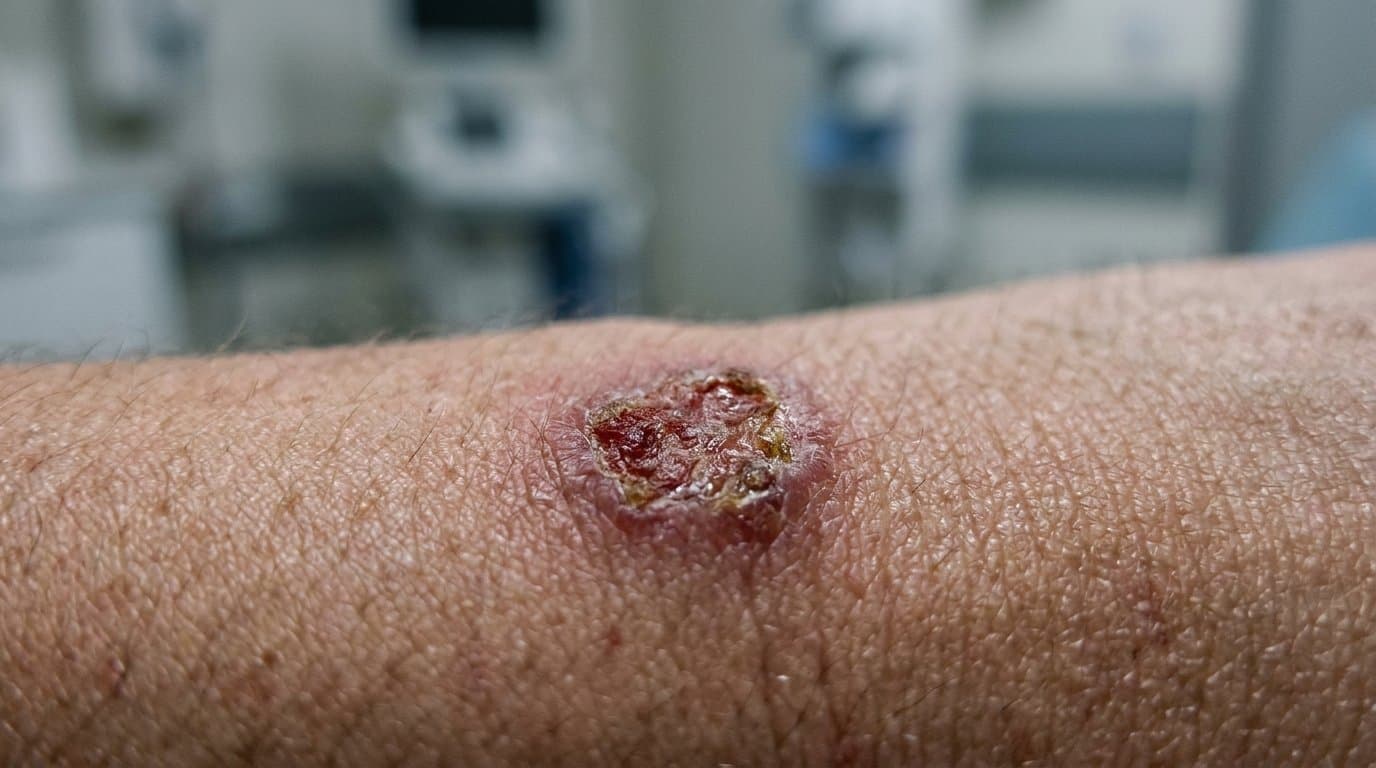
It often starts with fever, chills, fatigue, headache and swollen lymph nodes, followed by a rash that turns into blisters and scabs, though some people get only the rash. Symptoms usually appear three to 17 days after exposure.
Clade I has historically been associated with more severe illness and higher death rates than clade II, the type behind the global outbreak that began in 2022.
But recent clade I outbreaks have had substantially lower death rates than in the past, particularly where people get appropriate medical care, and most recent clade Ib cases in the U.S. have been mild, the alert says. Severe illness can still occur, especially in people with weakened immune systems.
Imported clade I cases in the U.S. have increased since March, and presumed local spread has been reported in 15 U.S. jurisdictions since August, according to the alert.
Anyone with a rash that could be mpox should avoid close physical and sexual contact and call a health care provider before going in, the alert says. Condoms don't fully protect against mpox because sores can appear on skin they don't cover. The section is also asking clinicians to consider mpox in any patient with matching symptoms, regardless of travel or sexual history.
A two-dose vaccine, JYNNEOS, is expected to protect against both types, and two doses are estimated to be 66% to 90% effective. The alert recommends it for adults at higher risk, including gay, bisexual and other men who have sex with men, and transgender or nonbinary people, who have had recent sexual risk factors such as a recent STI or multiple partners, plus their sexual partners.
People with a known or suspected exposure should get a dose as soon as possible, ideally within four days. The Anchorage Health Department schedules vaccine appointments at 907-343-4799, and the Section of Epidemiology helps people find it at 907-269-8000.
The state's previous mpox alert, in December 2025, reported a clade II case in an Anchorage resident who had traveled out of state.
Based on a press release from Alaska Department of Health.
Made by our human newsroom with AI. Reviewed by Cale Green. How humans and AI work here · Grow with our newsroom
Stay informed. Support what matters.
Free local news you can verify. Support Walter AlaskaNews and go ad-free.











Comments
Sign in to leave a comment.
No comments yet. Be the first to share your thoughts.