AI image
The Forest Service approved logging it says may restrict subsistence hunting
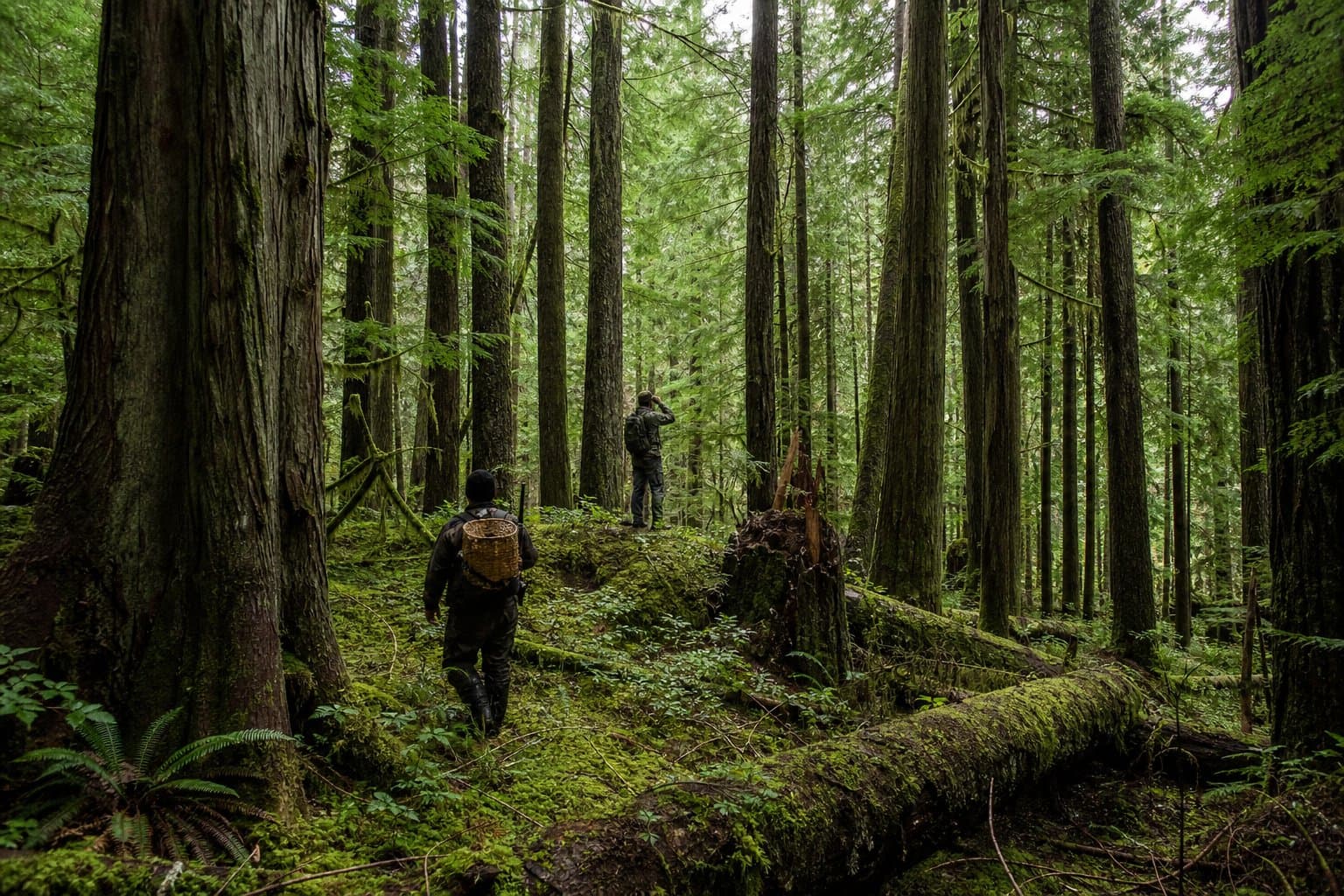
The Forest Service determined that logging it approved on Revillagigedo Island may significantly restrict subsistence deer hunting. It approved the project anyway, and now faces a lawsuit.
Ketchikan Indian Community, which represents more than 6,600 citizens, sued in federal court Thursday along with the Center for Biological Diversity and the Southeast Alaska Conservation Council. They want the court to throw out the project's environmental impact statement and block it.
The decision, issued July 31, authorizes up to 83 million board feet of timber over 15 years around Carroll Inlet, 17 miles northeast of Ketchikan. That includes 3,696 acres of clearcutting, 11 miles of new road, 31 miles of temporary road and the reopening of 32 miles of closed roads.
The Forest Service has said the project was designed to "provide viable timber for local operators, increase economic opportunity in Southeast Alaska, develop recreation infrastructure and improve wildlife and fish habitats." The agency estimated it would support 315 to 364 logging-related jobs in a region where the timber industry has contracted sharply.
The complaint argues the cost falls on deer and the people who hunt them. It says the project would cut high-value winter habitat inside the 41,305-acre area by 44 percent, that much of the area already sits below the deer density target in the Tongass forest plan, and that old-growth logging affects deer habitat for as long as 150 years. Ketchikan hunters took 44 percent of their deer from the project area in 2018, according to the filing.
The subsistence question got sharper last year. At the tribe's request, the Federal Subsistence Board reclassified Ketchikan as rural in 2025, giving residents federal subsistence priority. The Forest Service has acknowledged that current subsistence-use information for the area is lacking.
The complaint also notes that the agency identified a Queen Charlotte goshawk nest near Saddle Lakes last year, inside units approved for logging. The goshawk depends on old growth and is listed as a sensitive species.
"Our traditional and ecological knowledge comes from generations of living with, learning from, and caring for this place," said tribal President Gloria Ilsxilee Stáng Burns. "It cannot continue to be treated as an afterthought in decisions about our homelands."
The suit alleges violations of four federal laws, among them the Alaska National Interest Lands Conservation Act and the National Forest Management Act. The Forest Service has not responded to it.
Source: Ketchikan Indian Community files federal lawsuit challenging Tongass logging authorization.
Made by our human newsroom with AI. How humans and AI work here · Grow with our newsroom
Stay informed. Support what matters.
Free, permanent access to local news you can verify. Subscribe to support Maggie AlaskaNews and go ad-free.
Related Coverage
Ketchikan tribe sues Forest Service over South Revilla logging near Ketchikan
Alaska News · 1mo ago
Ketchikan Indian Community asks judge to halt Shelter Cove timber sale before contract award
Alaska News · 2w ago
Forest Service favors larger Prince of Wales logging plan that may restrict deer hunting
Alaska News · 1d ago
A small Petersburg timber sale is a marker of the Tongass's long turn away from old growth
Alaska News · 2mo ago
The Tlingit & Haida tribal government opposes opening the Tongass
Alaska News · 1mo ago
Comments
Sign in to leave a comment.
No comments yet. Be the first to share your thoughts.