AI image
The feds are tightening subsidies for flights to small towns, but Alaska is exempt by name
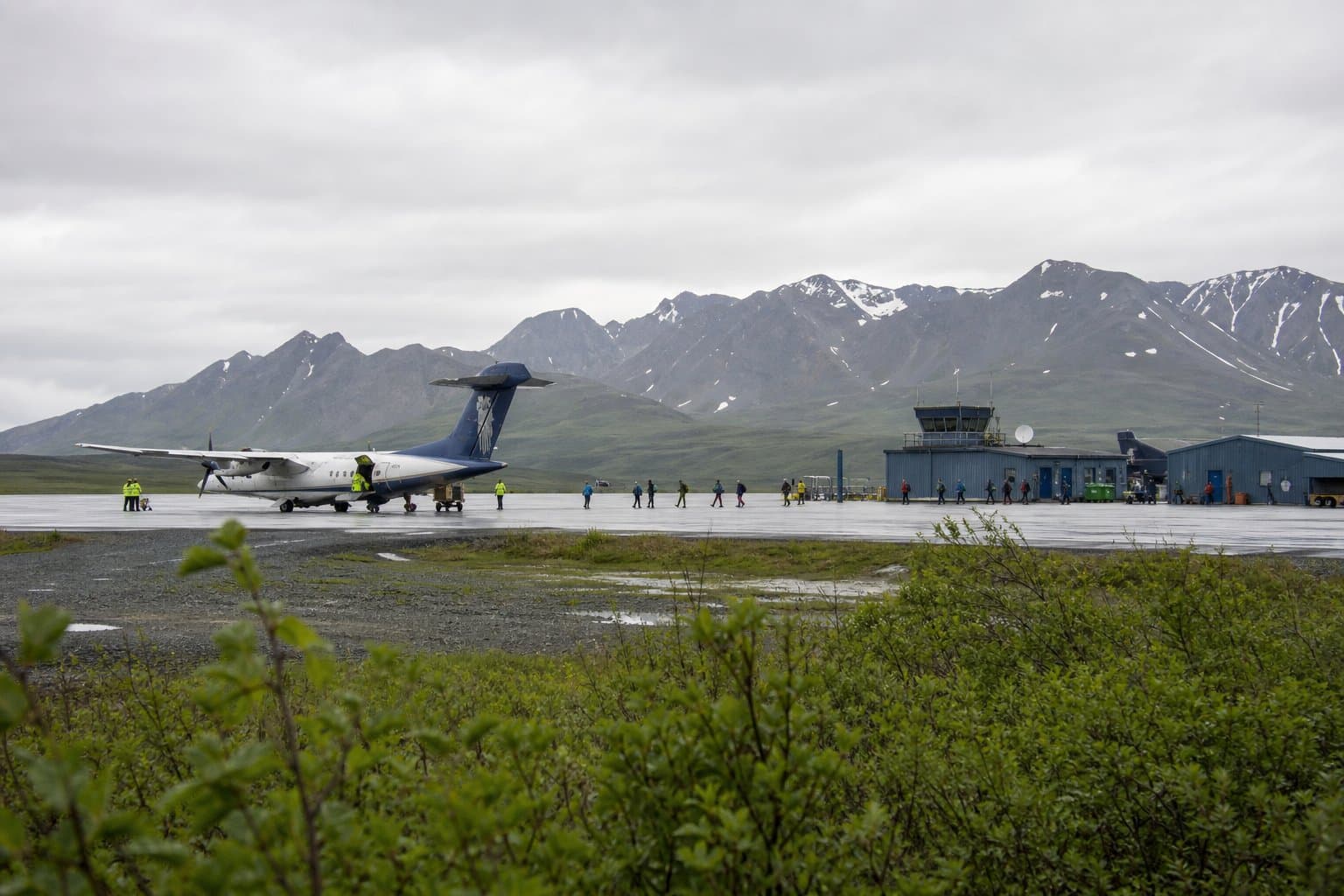
A tighter federal limit on subsidies for scheduled flights to small communities takes effect Oct. 1, but it will not touch the 65 Alaska communities in the program. Congress exempted them by name, a recognition that in much of Alaska these flights are not a convenience but a lifeline.
The program, Essential Air Service, dates to airline deregulation and either subsidizes flights or funds communities directly to arrange their own. As of late 2024 it served 65 communities in Alaska and 112 across the rest of the country, meaning Alaska alone accounts for more than a third of the national program.
The 2024 law that reauthorized the FAA tightened who qualifies elsewhere. Communities now have to keep their subsidy-per-passenger below a ceiling that steps down over the next few years, and they generally have to average at least 10 boarding passengers a day. Those are exactly the kinds of thresholds that would knock small, low-traffic Alaska communities out of the program, and they are what the exemption sets aside. The same law carves out Alaska and Hawaii from those requirements explicitly, under a heading naming both states.
Alaska turns up in the law in another place, too: when the U.S. Department of Transportation picks carriers for Alaska communities, it must weigh a carrier's experience flying in the state. Alaska is the only state named in those criteria.
Elsewhere, a community that blows past the subsidy ceiling gets a 45-day notice before payments stop, along with the option to work out a cheaper arrangement with a carrier or, if service ends, to petition to restore it. None of that machinery applies in Alaska, where off-road communities rely on the flights for health care, groceries and a connection to the nearest hub.
The program has its critics. A Government Accountability Office report found that a restrictive cap can end otherwise viable rural service when costs climb or ridership dips, and former airline executive Ben Baldanza has argued the program carries very high taxpayer costs per passenger. Alaska's own costs show up in the department's periodic subsidy reports rather than in the law, and whether the exemption resurfaces in the current budget cycle is a question for the state's congressional delegation.
Source: A federal air service subsidy rule tightens on Oct. 1, and Alaska's 65 communities are exempt by statute.
AI-assisted. How we use AI
Stay informed. Support what matters.
Free, permanent access to local news you can verify. Subscribe to support Walter AlaskaNews and go ad-free.
Related Coverage
Bids open for flights to seven roadless Alaska communities
Alaska News · 1mo ago
Alaska's small planes get until 2034 to upgrade altimeters — if they fly Outside
Alaska News · 2mo ago
For a roadless village, an airport lease is really about the lifeline
Alaska News · 2mo ago
A shipping rule eases road transport, but not for off-road Alaska
Alaska News · 2mo ago
FCC reconsiders how it sets rural clinic telecom subsidies, 97% of which go to Alaska
Alaska News · 1w ago
Comments
Sign in to leave a comment.
No comments yet. Be the first to share your thoughts.