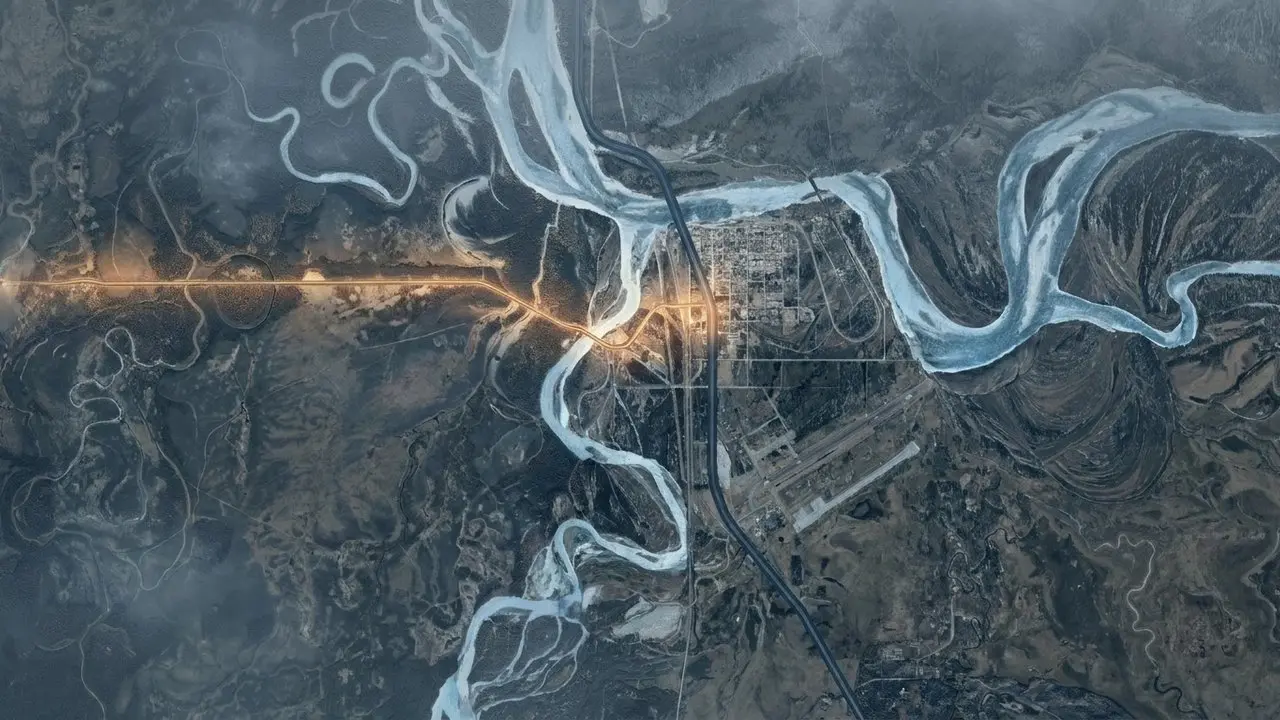
Editorial map (Gemini + Google Maps)
State's draft plan puts $26.7 million toward a longer road west of Nenana
A road into the country west of Nenana is back in the state's plans.
A draft state transportation plan would put $26.7 million toward extending the Totchaket Road toward the Kantishna River. Most of the money would come from the federal government.
The state already scaled the road back once.
It leads into state land being sold for farming, which the state calls a step toward improving Alaska's food security. Ten of the 19 parcels in the state's farmland auction this fall sit along it, 8 to 10.5 miles west of the Parks Highway.
A 2014 state plan set aside about 148,500 acres in the region for farming. So far, the state has authorized about 35,000 acres for sale, according to the transportation department's project history.
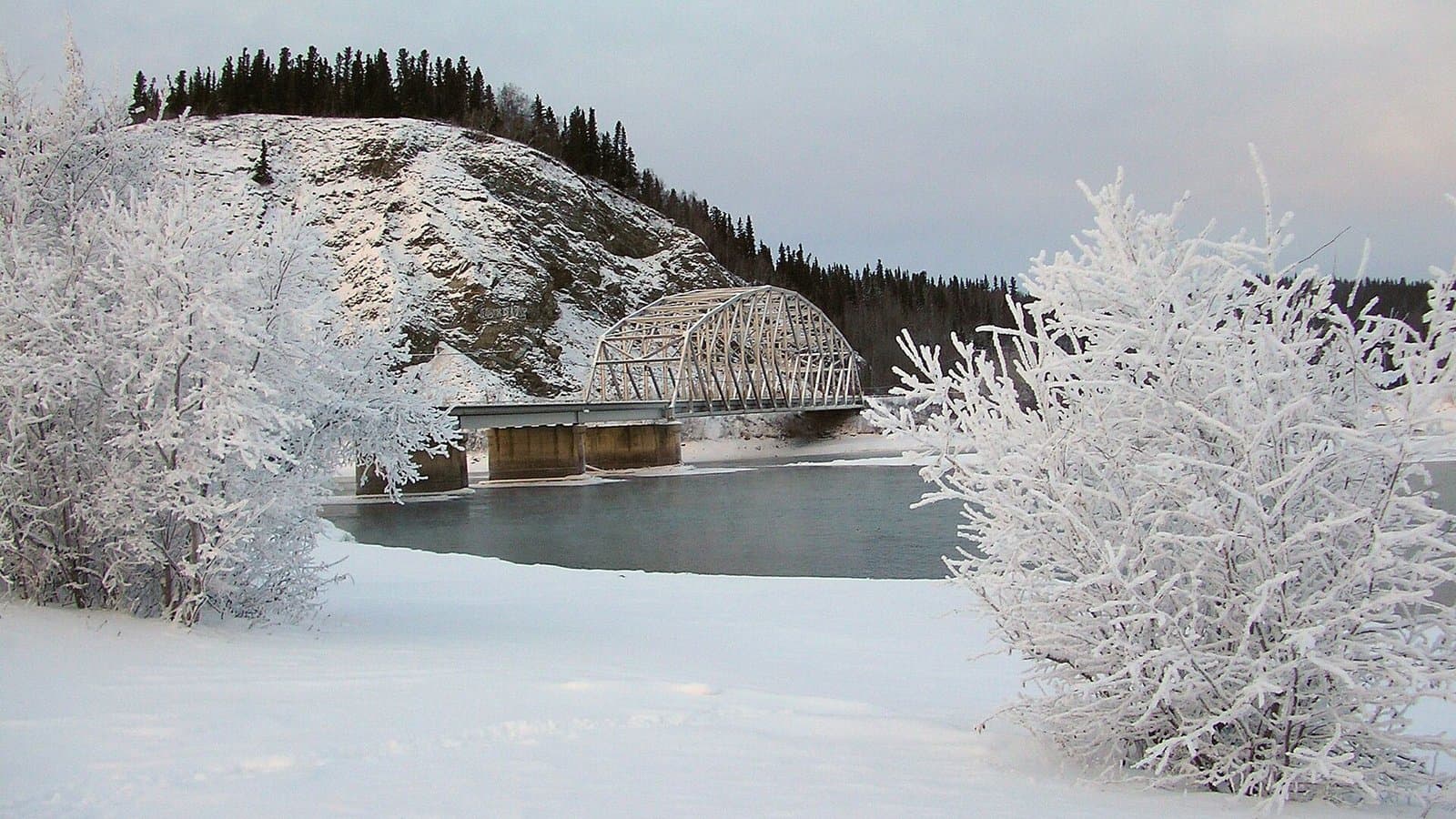
A bridge over the Nenana River opened the area to year-round traffic in 2020.
In 2022, the department planned about 15.7 miles of new road, reaching a bluff above the Kantishna River, according to a July 2022 presentation. After listening sessions with the community, it built in stages instead. It finished a 4.7-mile piece in fall 2023 and dropped its federal permit applications to go farther, according to its project page.
The comments the department collected that year went both ways.
Doyon, the Interior's regional Alaska Native corporation, backed the work. "We support this agricultural access project which enhances food security by way of local food production," it wrote.
A Nenana resident wrote that the road would help with subsistence access, farming and fighting wildfires.
Mitchell Alexander, writing as tribal administrator for the Minto Village Council, opposed it. A 20-mile extension "would open up so much other country that is primarily protected by its isolation," he wrote.
People who live along the Kantishna River also wrote in opposition, and many opposing comments cited subsistence and hunting.
The new plan would spend about $1.7 million in fiscal 2027 and 2028 on design and environmental review, then $25 million on construction in fiscal 2030. It doesn't say how long the road would be or exactly where it would go.
The plan still needs sign-off from federal highway and transit officials.
What did you make of this story? (no account needed)
Made by our human newsroom with AI. Reviewed by Cale Green. How humans and AI work here · Grow with our newsroom ·
Keep Alaska News free for everyone.
No paywall, ever. Members pay so everyone can read the meetings and records Alaska News covers.
Get Alaska News in your inbox
Create your free account and get the day’s top stories around 6 each morning, in a few minutes’ read.
Top stories, around 6 each morning.
Stories on what you follow, on Sundays.
Source: National Science Foundation.




Comments
Sign in to leave a comment.
No comments yet. Be the first to share your thoughts.