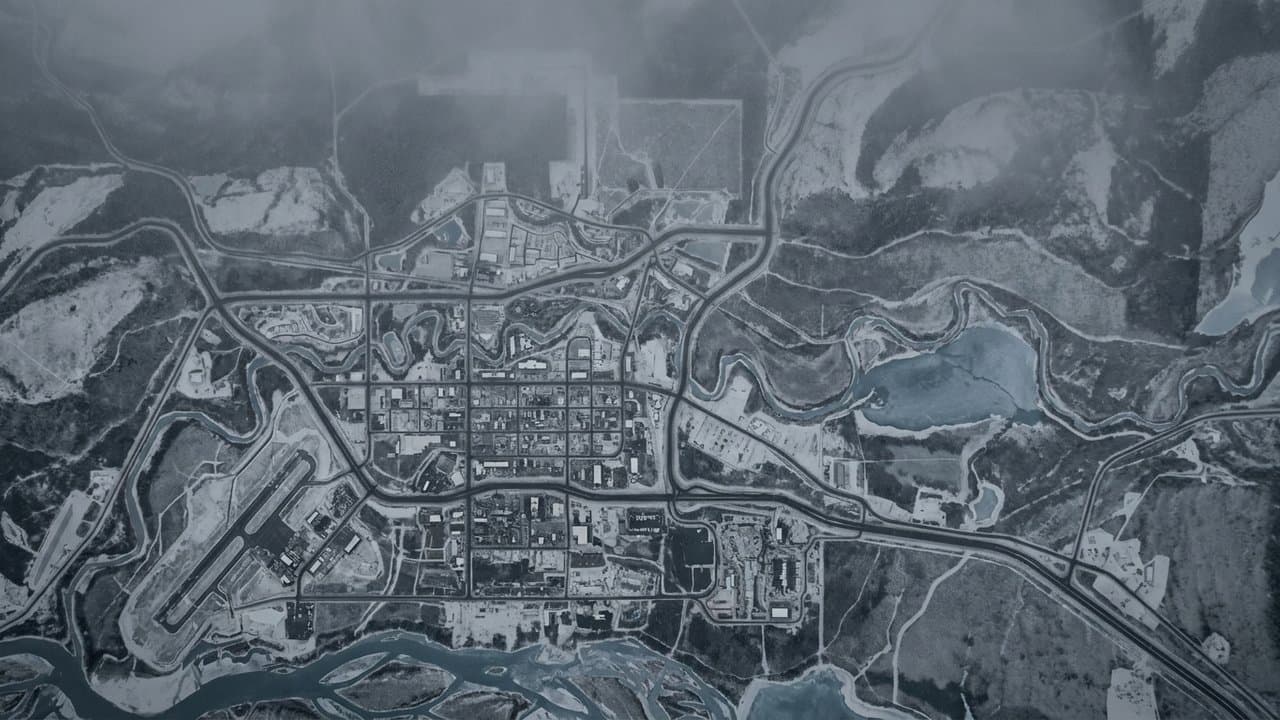
Editorial map (Gemini + Google Maps)
State regulators approve Golden Valley rules for rotating outages in power shortages
The Regulatory Commission of Alaska on Thursday approved rules that let Golden Valley Electric Association rotate outages through 13 of its 14 zones when Interior power runs short. The rules take effect Oct. 30.
Golden Valley issued its first-ever Energy Emergency Alert on Oct. 12, after three generation units went offline at once.
The new rules set three alert levels. Level 1 means operating reserves, the spare power the co-op has on hand, are below 38 megawatts and not expected to recover within two hours. Level 2 means below 15 megawatts. At that point Golden Valley may ask its industrial members to run their own generation or cut load.
Level 3 means reserves are at or below zero and not expected to recover within 30 minutes. Golden Valley then shuts off only as many zones as the shortfall requires. Each zone goes dark for 30 minutes to an hour.
One exempt zone covers Fairbanks Memorial Hospital, the Fairbanks Police Department, the city fire department and 911 dispatch, Fairbanks International Airport, sewage treatment lifts and the Aurora Energy plant.
The approved tariff says the program affects "all customer classes," but the staff memo behind the approval does not say whether the co-op's eight industrial accounts are in the zones.
The only public comment, filed Sept. 30 by the Alaska Public Interest Research Group, raised that question. Regulatory Analyst Brian Kassof and Energy Lead June Okada wrote that the Fort Knox and Pogo gold mines account for 30 percent of the co-op's load. Pogo's contract, covering 18 megawatts of regular load, bars complete curtailment. Fort Knox's contract is interruptible. Each zone carries about 5 megawatts. The group asked Golden Valley to explain whether any industrial members are in the zones and, if not, why that does not break state law by creating two classes of customers, only some of whom face outages.
Golden Valley's load-shedding FAQ says it has worked with its largest members to cut their load first, before outages reach residential and commercial members.
Utility Engineering Analyst Anne Marie Jensen recommended approval, and staff found the plan meets the commission's minimum requirements. Staff called Golden Valley's exemptions broader than Matanuska Electric Association's and said Golden Valley's approach "may be a better strategy."
Regulatory Manager Jessica Broker told staff the co-op cannot keep its 118 accounts coded for medical necessity powered. "The CLSP zones are based on substation feeder locations, not individual member meters," Broker said. "Some of the medical devices you identified do have short-term battery storage which should be sufficient to withstand a 30-minute rolling black out."
The research group asked for special notice to households that rely on powered medical equipment, and Jensen agreed those members should get as much notice as possible. Golden Valley is working to print each member's zone on billing statements and online accounts.
Source: Regulatory Commission of Alaska, Regulators approve Golden Valley's rolling-outage rules, leaving open whether its biggest industrial customers are in the rotation.
Made by our human newsroom with AI. How humans and AI work here · Grow with our newsroom
Stay informed. Support what matters.
Free, permanent access to local news you can verify. Subscribe to support Walter AlaskaNews and go ad-free.
Related Coverage
Fairbanks' utility is writing down when it would start turning off your power
Alaska News · 1mo ago
Golden Valley lifts first energy emergency alert, warns supply problems will continue
Alaska News · 1w ago
MEA lays out how rolling outages would work if Southcentral runs short of gas this winter
Alaska News · 3w ago
GVEA updates rules for connecting generators 20 MW and larger
Alaska News · 4mo ago
Two regulators object as RCA lets Fairbanks, Juneau power cost cuts stand
Alaska News · 1w ago
Comments
Sign in to leave a comment.
No comments yet. Be the first to share your thoughts.