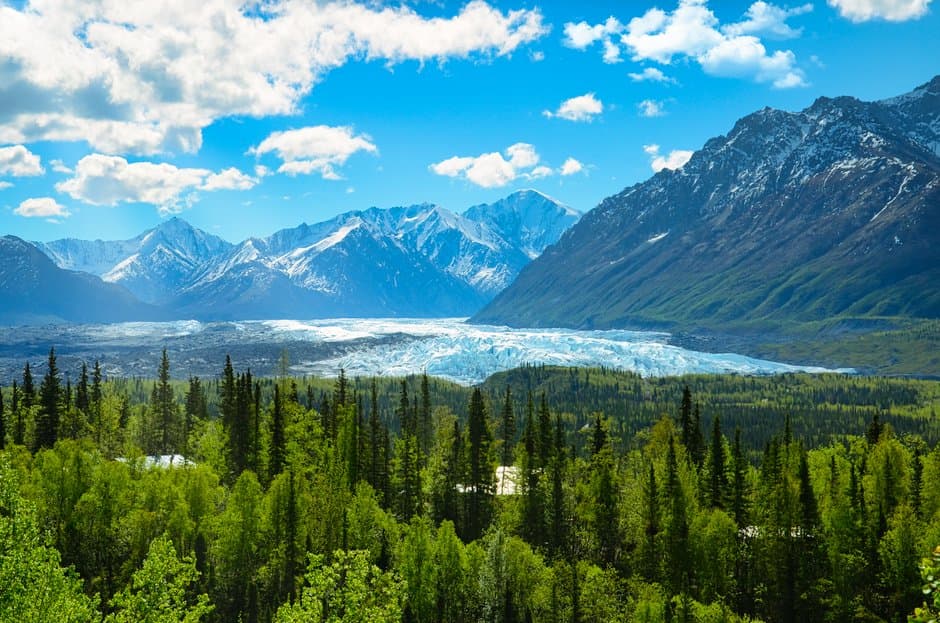
Photo by Chris Newsom on Pexels · Source
Federal roadless repeal gives commercial fishing two sentences and no dollar figure, with comments due Sept. 21
Commercial fishing gets two sentences and no dollar figure in the federal proposal to undo the 2001 Roadless Rule. Alaskans have until Sept. 21 to say whether that is right.
The US Department of Agriculture proposed the rescission on Aug. 20, 2026, covering the entire national forest system, with written comments due Sept. 21 under docket FS-2025-0001. The 2001 rule bars road construction, road reconstruction and timber harvest inside inventoried roadless areas, with limited exceptions. Those are the areas the Forest Service has inventoried as undeveloped. Rescinding it would return those decisions to individual forest plans. USDA says the change restores flexibility to local forest managers and eases restrictions it says have worsened wildfire risk, according to an Aug. 18 press release.
The proposal's Commercial Fishing and Seafood Processing section runs two sentences, stating that given the small amount of operable timber area in roadless areas, meaning ground where logging is physically and economically possible, the change is not expected to significantly affect commercial fishing or processing, though long-term changes to land management plans could affect fisheries if resource conditions are affected. The word salmon does not appear in the document.
Recreation is assigned an estimated $6.1 million a year in lost economic benefit, timber is valued at $5.2 million to $11.4 million a year to the Treasury and the Forest Service and $4.6 million to $10.6 million a year to industry based on a possible 5 to 10 percent increase in harvest, and total additional annual impact could exceed $100 million.
How much of that reaches Alaska is unsettled. The 2020 Alaska Roadless Rule removed all 9,368,000 inventoried roadless acres on the Tongass, taking the total to zero. Executive Order 14153, signed Jan. 29, 2025, placed a moratorium on the 2023 Alaska rule and directed the Secretary of Agriculture to reinstate the 2020 rule. That is a direction, and no reinstatement has been published since. The proposal exempts two state rules by name, Idaho's and Colorado's, and never mentions the Chugach or the 2023 rule. The notice of intent that began this rulemaking, published Aug. 29, 2025, says the review covers about 44.7 million acres, including in Alaska.
If the Tongass exemption holds, the Alaska exposure falls on the Chugach, which fronts Prince William Sound. The 2020 rule states it "focuses on the Tongass National Forest only and does not apply to the Chugach National Forest." The Forest Service manages about 21.9 million acres across the two forests, with roughly 14.7 million acres, or 67 percent, designated inventoried roadless. Subtracting the Tongass figure leaves roughly 5.4 million roadless acres on the Chugach still governed by the 2001 rule, an arithmetic conclusion the record does not state directly.
Nationally, permanent roads could be added on about 18.2 million acres where forest plans already allow them and the 2001 rule does not, or 45.5 percent of the potentially affected environment, the acreage the agency counted as in play. The department states that rescission "does not mandate timber cutting or road construction," though forest supervisors could later amend plans to widen where harvest and roads are allowed.
The proposal also reports a petition for rulemaking from an Alaska resident, asking that the roadless rule as applied to Alaska be amended or repealed, on the asserted ground that federal statutes guarantee access to timber supply and road construction.
Under section 810 of the Alaska National Interest Lands Conservation Act, the Forest Service says it will hold public subsistence hearings in Alaska to evaluate effects on subsistence uses, with dates, times and locations to be announced later.
The department also summarizes its tribal consultation, sending notification on July 22, 2025, and holding a forum on Aug. 5, 2025. It reports that the majority sentiment among tribal governments consulted was opposition, with those governments describing the rescission as a threat to inherent rights, tribal sovereignty, cultural survival and the ecological health of ancestral homelands, and raising a procedural objection over inadequate government-to-government consultation. For ancestral lands in Alaska, it reports, representatives pressed for a full section 810 subsistence analysis before any decision and called the forest a critical carbon sink, and tribes proposed alternatives built on tribal consent. The department reports support from one Alaska Native corporation, which it says asserted that the national rule limits its economic and legal rights to access and develop lands. Neither the tribes nor the corporation is named in the proposal.
The Federal Register documents behind this account contain no statement from any fishing organization, processor, the State of Alaska or the Alaska Department of Fish and Game. The cost benefit analysis and draft environmental impact statement were not obtained and may say more about fishing.
Written comments on the proposal are due Sept. 21, 2026, under docket FS-2025-0001. The department prefers them through regulations.gov, referenced to that docket or to the rule's identifier, RIN 0596-AD66. The subsistence hearing schedule is expected in a later Federal Register notice.
Source: The federal government wants comment by 21 September on undoing the roadless rule, and it gives commercial fishing two sentences and no number ().
AI-assisted. No editor review is on record for this article. Who is accountable.
Stay informed. Support what matters.
Free, permanent access to local news you can verify. Subscribe to support Walter AlaskaNews and go ad-free.
Related Coverage
USDA proposes lifting roadless rule protections on Tongass and Chugach
Alaska News · 2w ago
The federal government wants to lift roadless protections, including in the Tongass
Alaska News · 2w ago
USDA moves to rescind the roadless rule on the Tongass
Alaska News · 1mo ago
A proposed rule would presume national forest roads and trails are open unless the Forest Service documents a reason to close them
Alaska News · 2w ago
The Tlingit & Haida tribal government opposes opening the Tongass
Alaska News · 5d ago
Comments
Sign in to leave a comment.
No comments yet. Be the first to share your thoughts.