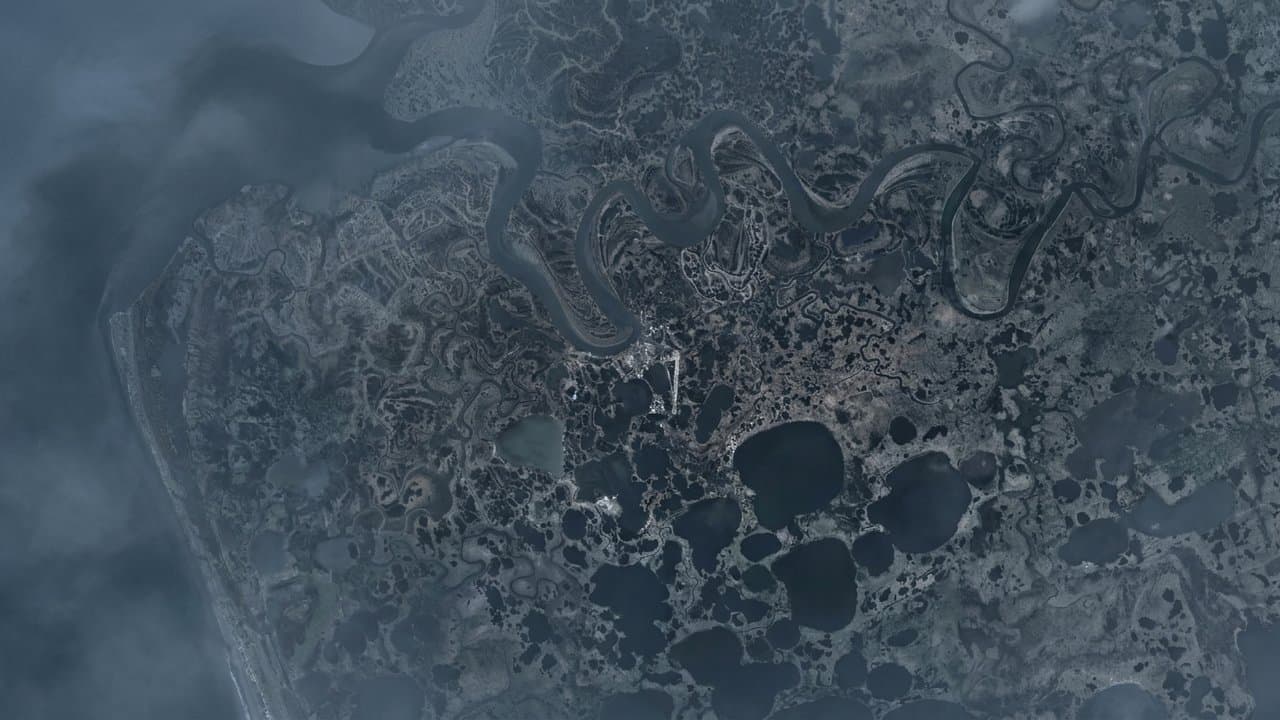
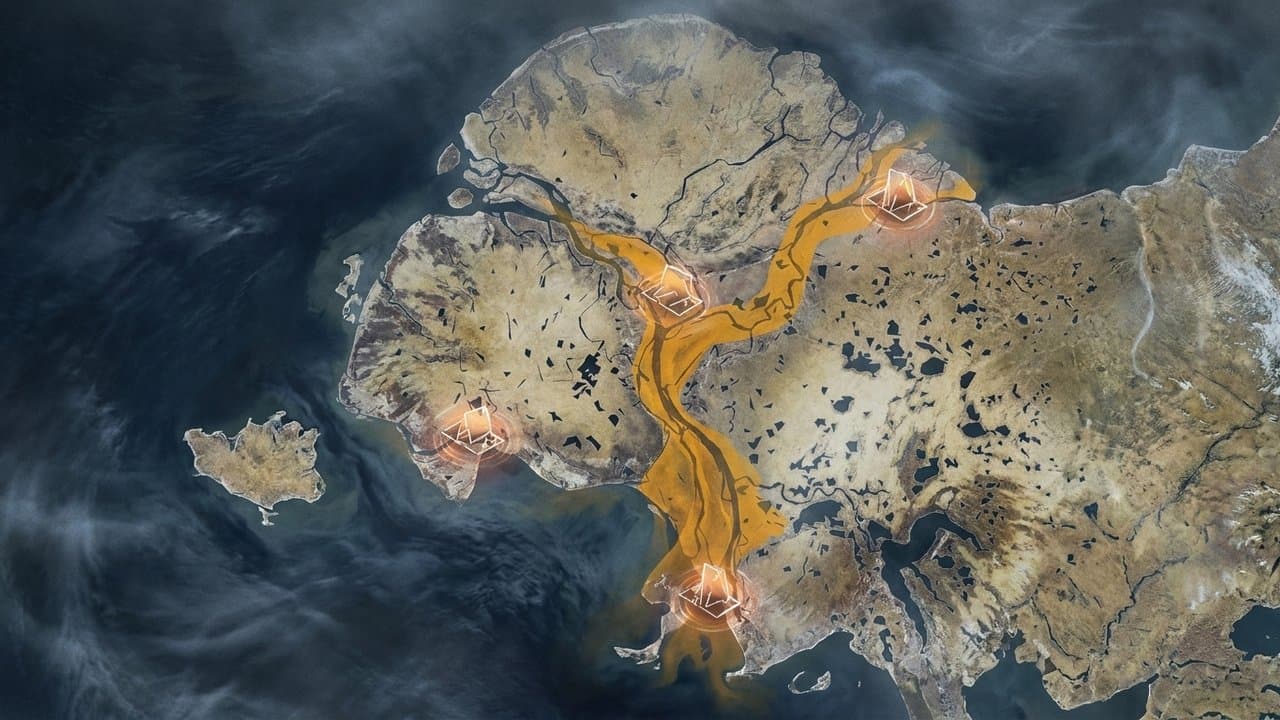
Editorial map (Gemini + Google Maps)
Raised Kipnuk homes stay dry as high water reaches neighborhoods for first time since Halong
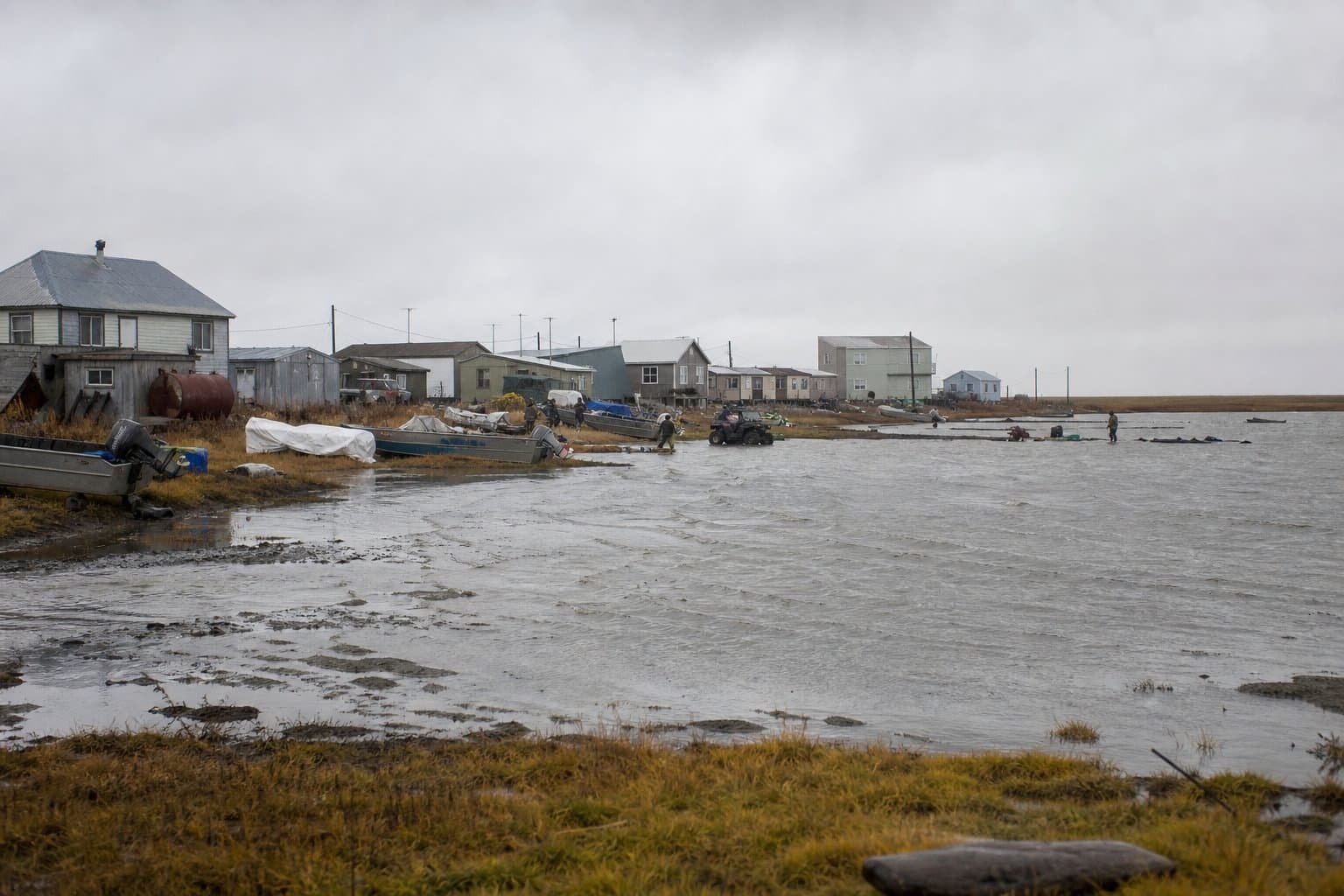
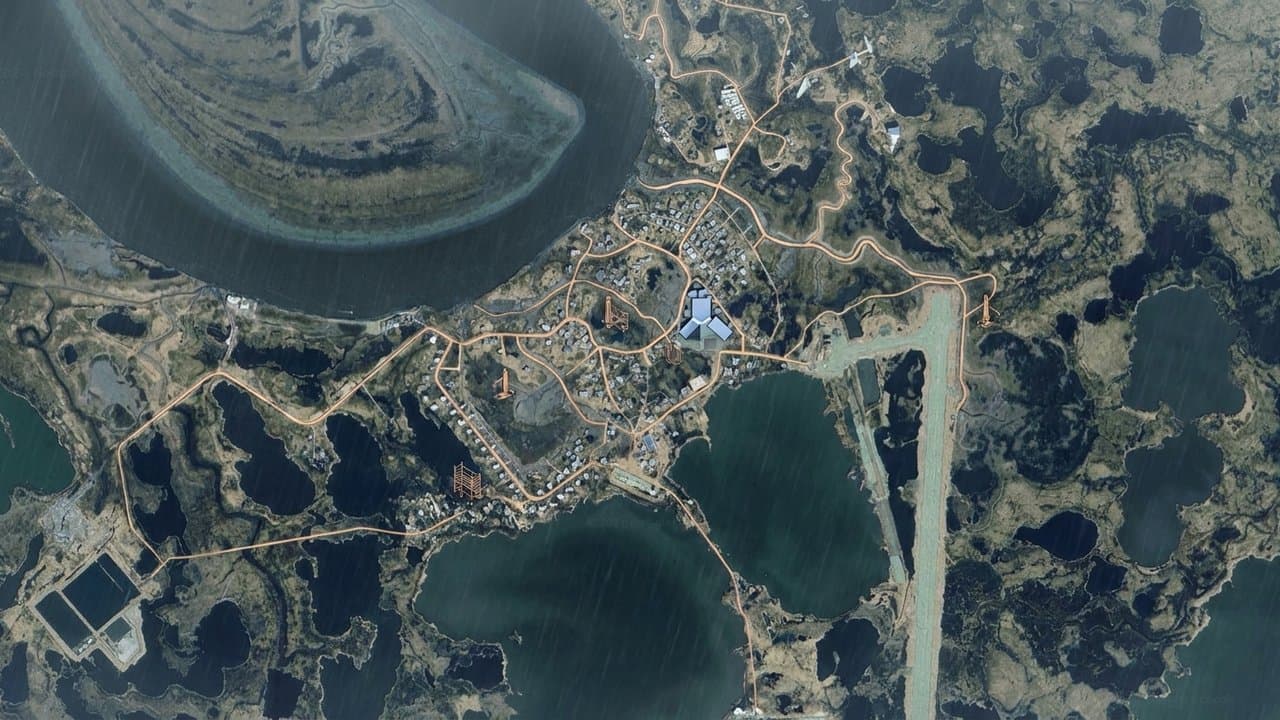
High water reached residential areas of Kipnuk on Wednesday for the first time since Typhoon Halong, and homes raised after the storm stayed dry, the Alaska Department of Transportation and Public Facilities said.
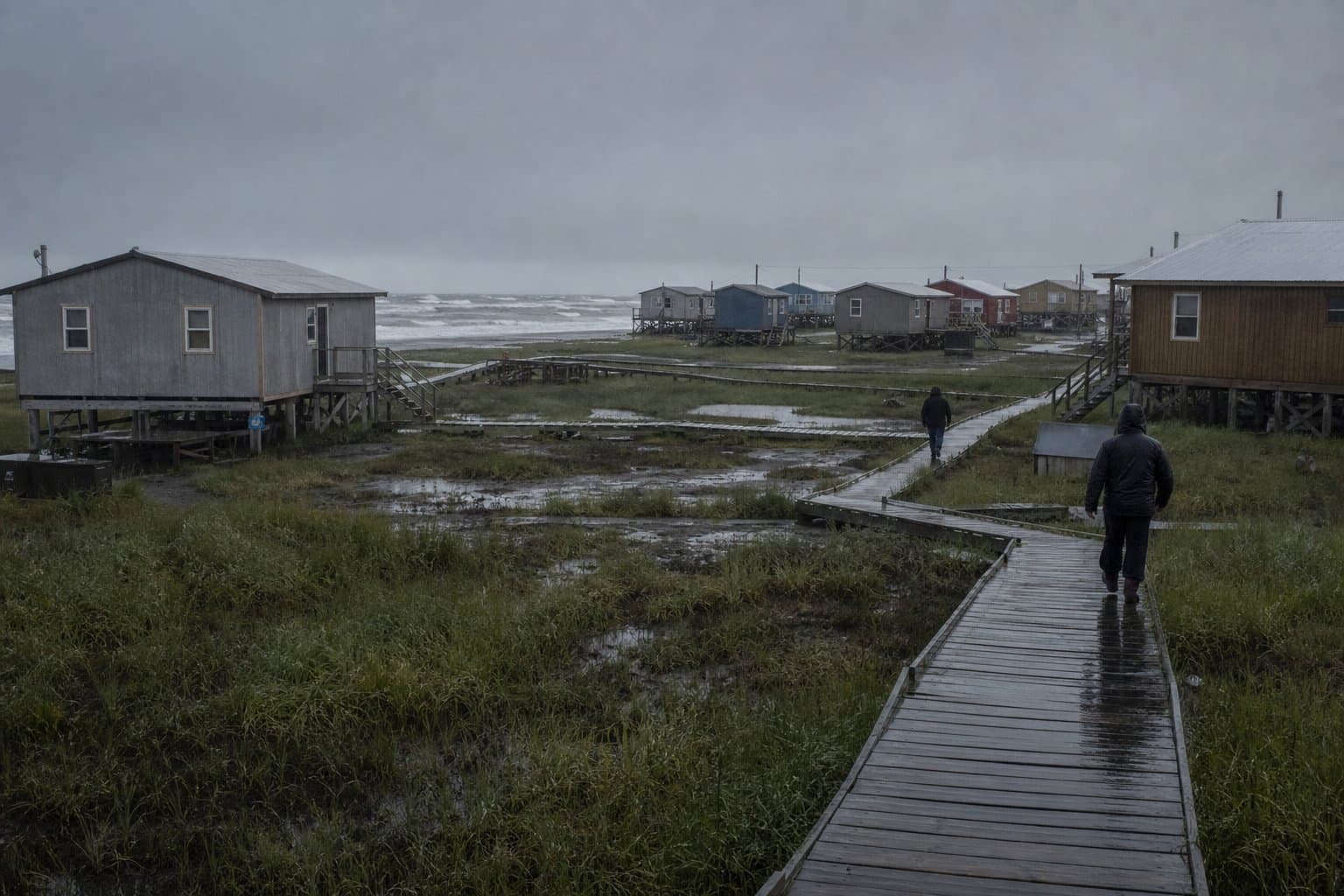
Families who had moved back into raised homes "were able to stay warm and dry as the water came in," the department said in a statement. It expects the water to rise again Wednesday night. "Based on the current forecast, we expect the raised homes and the newly built board road to stay clear of the water," the department said.
The National Weather Service Anchorage office issued a Coastal Flood Watch for Kipnuk and Kwigillingok on Sunday, then a Coastal Flood Advisory for 3 am to 9 am Wednesday. An advisory means onshore winds and tides will combine to flood low areas along the shore, the weather service says. Forecasters said water 1 to 3 feet above the highest tide line was possible, with flooding in low-lying areas, water over the lowest portions of boardwalks and coastal erosion.
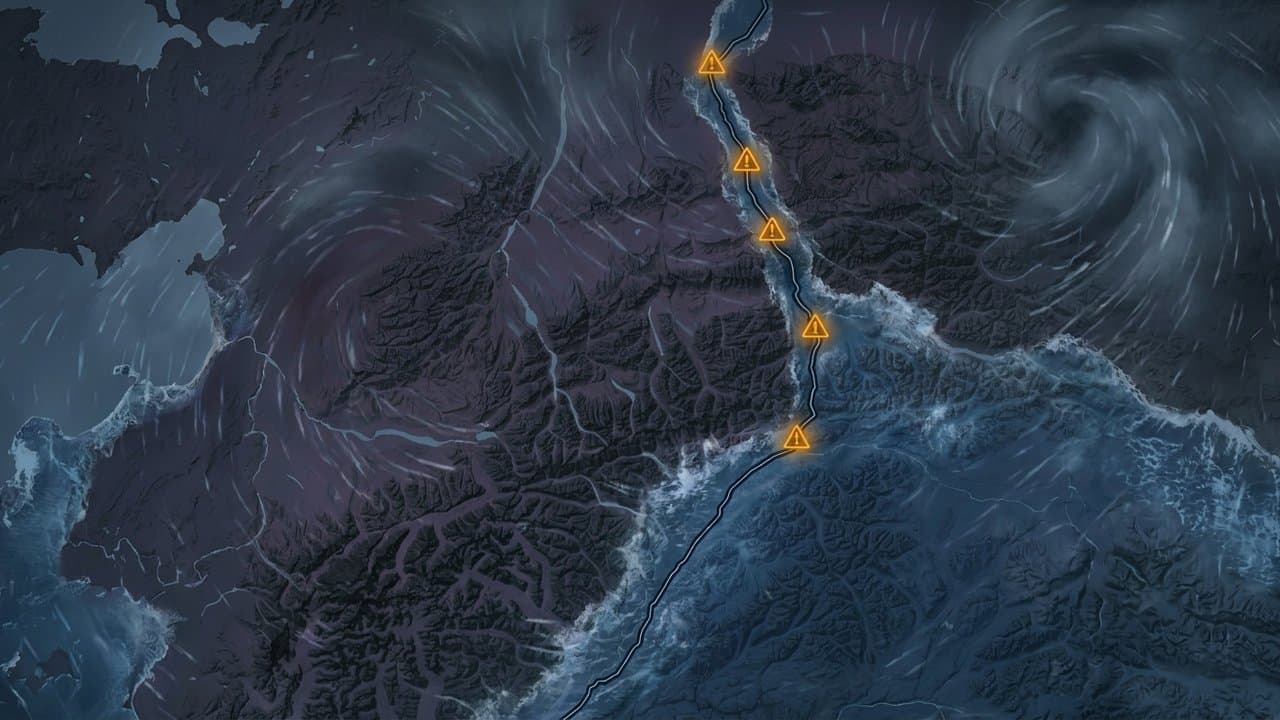
Gusty southerly winds moved through the Kuskokwim Coast on Tuesday, the weather service said. By Wednesday morning they had shifted more south to southwesterly and were expected to coincide with the morning high tide. The state Emergency Operations Center said late Wednesday morning it had no reports of significant damage and no requests for emergency assistance.
Typhoon remnants have threatened the community with high water about every other week, the department said. A late October advisory forecast water about 2.5 feet above the normal high tide line in Kipnuk.
The department and its contractor, Hog River Construction, carried out the residential repairs with a crew made up entirely of local hires, many of them displaced by the typhoon themselves. They hauled homes that had drifted away back into town, some from more than five miles away, and set them on post-and-pad foundations, often four to five feet high. When the water reached the neighborhood Wednesday, those raised floors stayed dry, the department said.
More than 100 storm-damaged homes in Kipnuk will be ready for families to move back into by the end of November, according to the department. That count does not include homes already elevated on piles that escaped major damage in the typhoon. The electrical grid is back in service, the water supply has been restored and much of the community's transportation network has been rebuilt, the department said.
Halong struck in October 2025. Kipnuk saw water 6.6 feet above normal high tide, according to an Alaska Federation of Natives resolution from that month. A Bulletin of the American Meteorological Society report said homes with people inside were lifted off their foundations and floated several kilometers upriver. More than 1,500 people across the region were relocated, and one person from Kwigillingok died, the report said. By July, more than 12,000 feet of boardwalk had been restored in Kipnuk.
Federal disaster funds tied to the storm can pay to rebuild homes and infrastructure, but they cannot be used to relocate the village, because the federal disaster declaration did not include hazard mitigation.
What did you make of this story? (no account needed)
Made by our human newsroom with AI. How humans and AI work here · Grow with our newsroom ·
Keep Alaska News free for everyone.
No paywall, ever. Members pay so everyone can read the meetings and records Alaska News covers.
Get Alaska News in your inbox
Create your free account and get the day’s top stories around 6 each morning, in a few minutes’ read.
Top stories, around 6 each morning.
Stories on what you follow, on Sundays.
Assembled from public records the newsroom collected.





Comments
Sign in to leave a comment.
No comments yet. Be the first to share your thoughts.