Postal Service asks to use package tracking data to split Alaska and Hawaii mail costs by zone
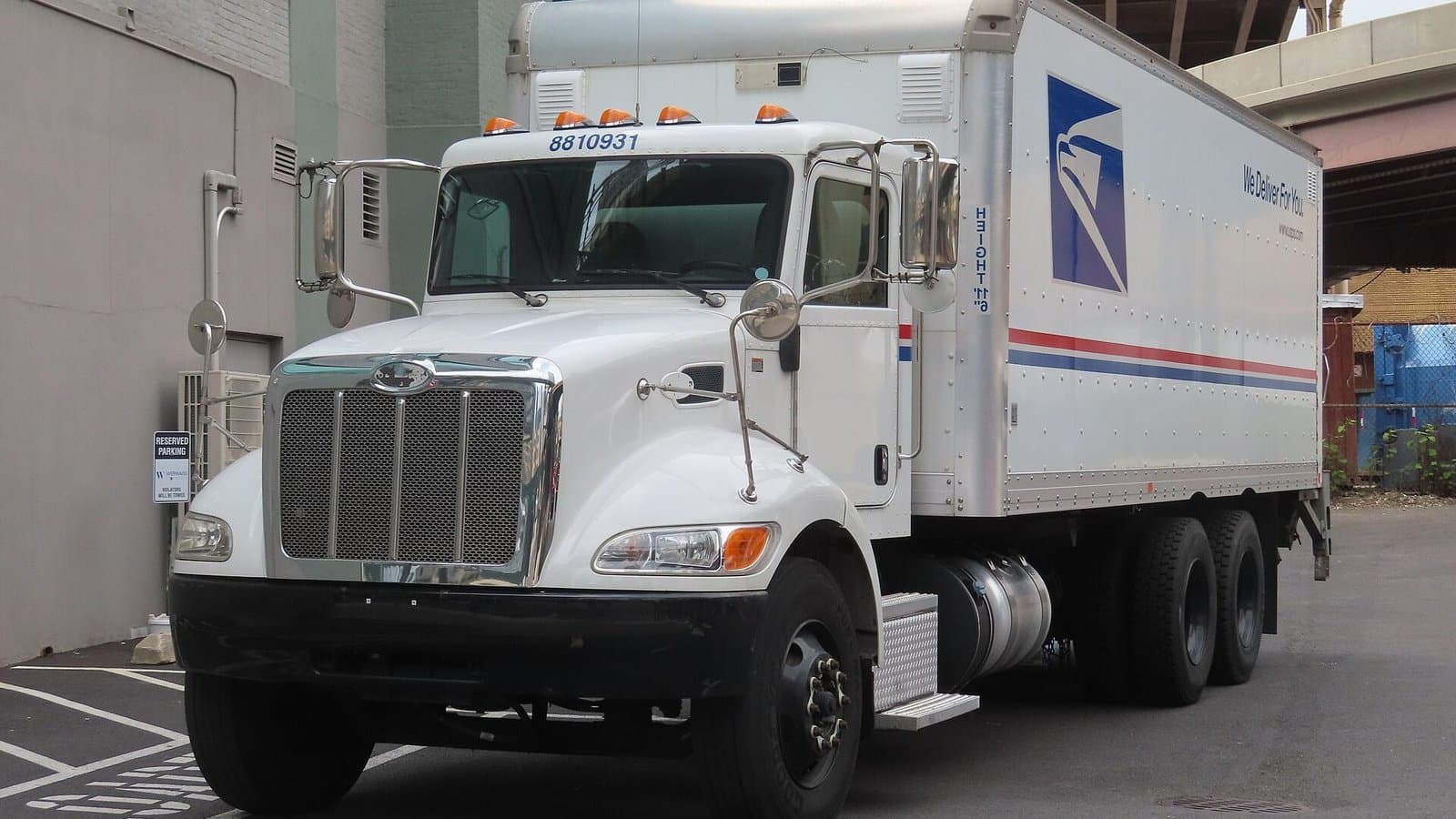
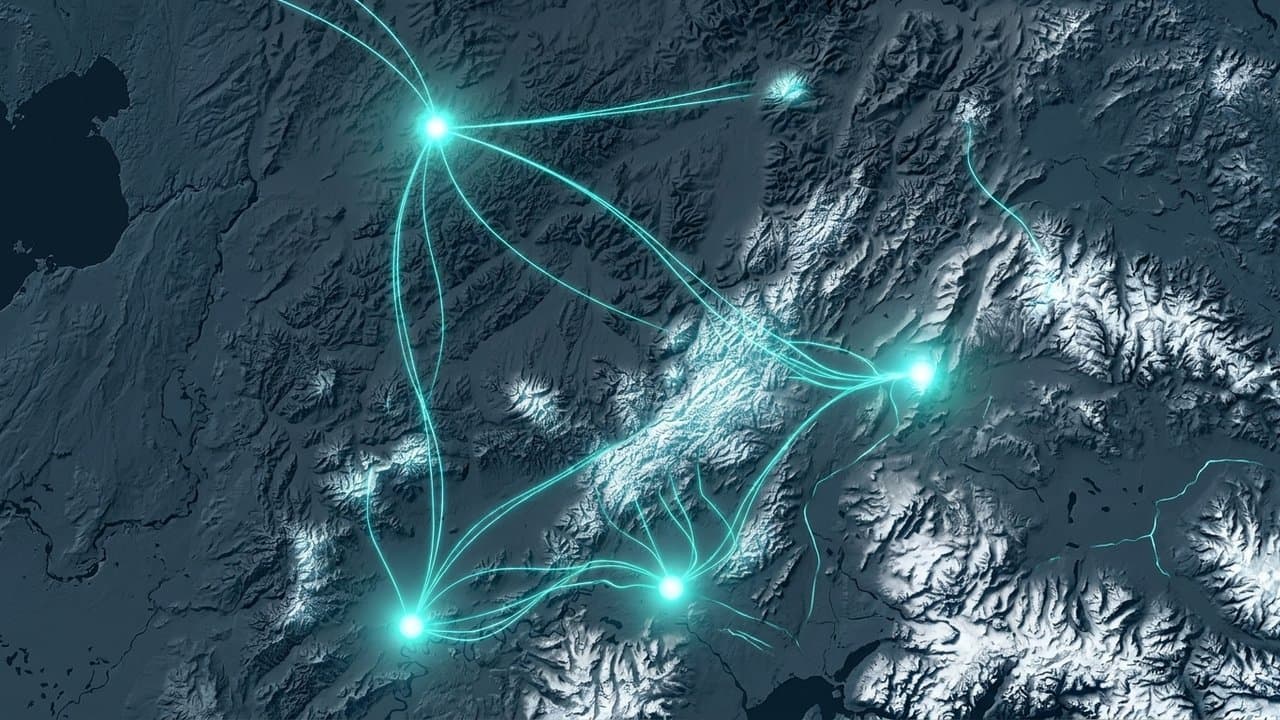
The U.S. Postal Service has asked the Postal Regulatory Commission to change the data it uses to divide Alaska, Hawaii and Air Taxi transportation costs among mail zones. The agency filed the petition Nov. 6, and the commission opened a proceeding to consider it in a notice published Nov. 17. Public comment is open through Nov. 27.
The proposal would drop sample data from a postal survey, the Origin-Destination Information System, which records Priority Mail weight and volume by origin and destination ZIP Code. In its place, the Postal Service would use its package tracking system, Product Tracking and Reporting. That system already tracks every barcoded package and extra service from label creation to final delivery. The Postal Service said the tracking data covers all the mail rather than a statistical sample, which removes sampling error from the weights and volumes.
The Postal Service said it is not changing the method behind its Priority Mail transportation model, only the data source. The model uses the sample data for two jobs, according to the commission's notice. It distributes Alaska, Hawaii and Air Taxi costs by zone. It also estimates how much Priority Mail moves between ground and air, and how much Zone 1 mail is classified as Intra-SCF.
The Postal Service said the switch shifts those estimates. It reported a 0.87-percentage-point increase in the share of distance-related ground transportation costs tied to ground-to-air or air-to-ground connections, and a 7.41-percentage-point increase in the share of Local and Zone 1 weight attributed to Intra-SCF mail. The agency said the shifts come from tracking data covering more origin and destination combinations than the sample did, and that the change improves the model's quality, accuracy and completeness. It said the final cost per zone changes little.
The zone figures themselves are not public. The Postal Service filed its model outputs and the change's effect on unit costs under seal, calling them commercially sensitive.
The agency said the timing follows a cut to the survey sample that the commission approved Feb. 9 and that took effect in the fourth quarter of fiscal 2026. The Postal Service said it still considers the sample large, but a smaller one increases statistical variance.
The commission named Annette Morin to represent the general public in the case.
What did you make of this story? (no account needed)
Made by our human newsroom with AI. How humans and AI work here · Grow with our newsroom ·
Keep Alaska News free for everyone.
No paywall, ever. Members pay so everyone can read the meetings and records Alaska News covers.
Get Alaska News in your inbox
Create your free account and get the day’s top stories around 6 each morning, in a few minutes’ read.
Top stories, around 6 each morning.
Stories on what you follow, on Sundays.
Source: Postal Regulatory Commission.












Comments
Sign in to leave a comment.
No comments yet. Be the first to share your thoughts.