
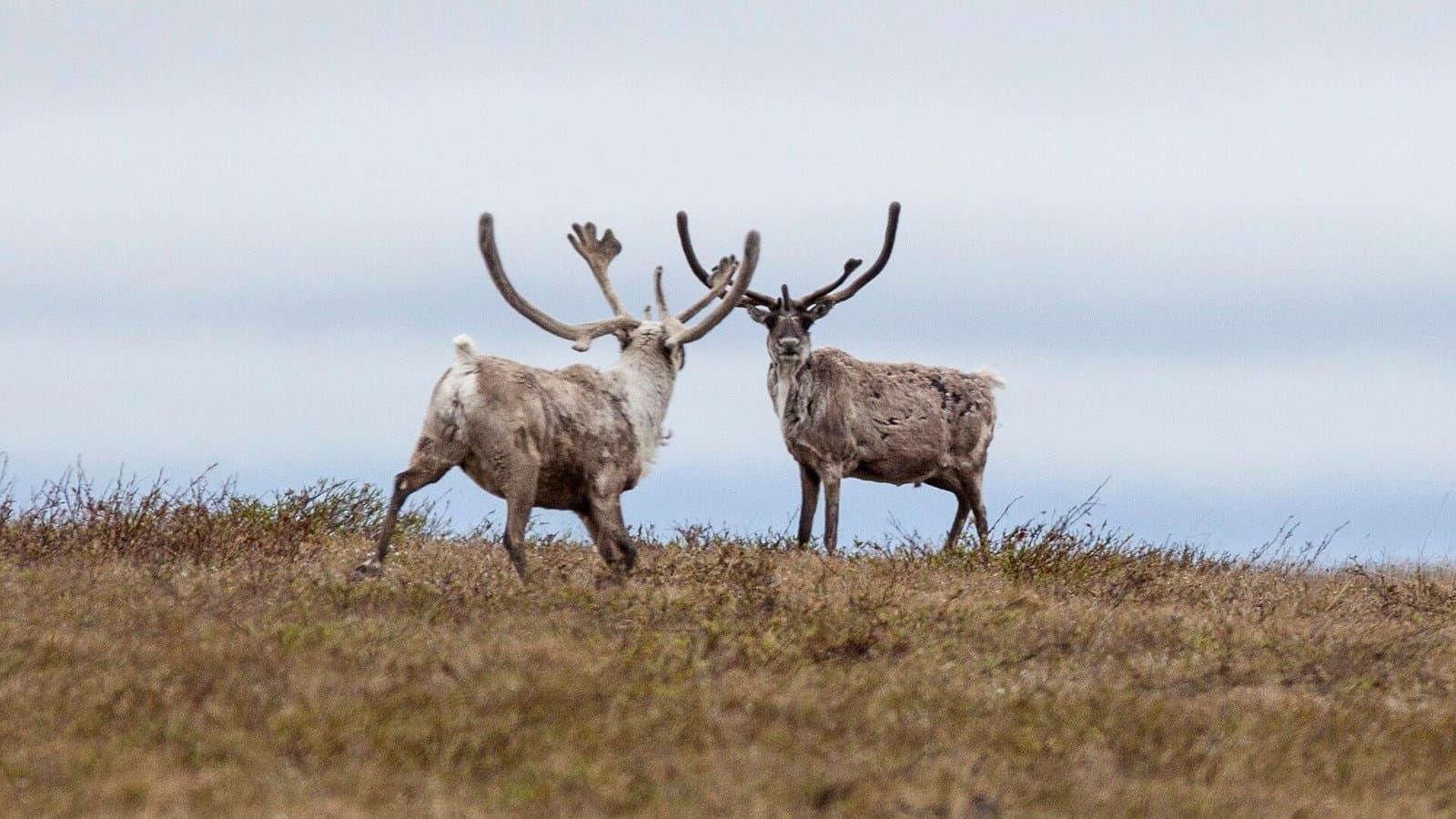
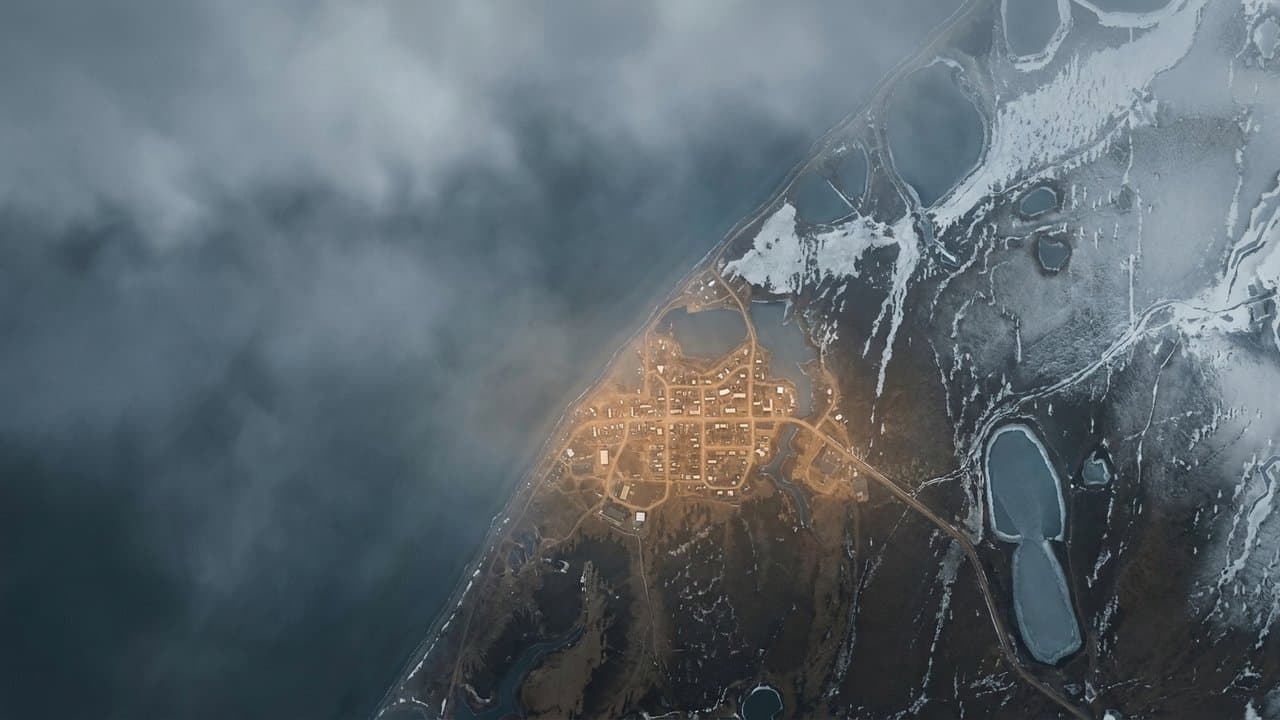
Photo: U.S. Department of the Interior via Wikimedia Commons · Photo source · Public domain
North Slope Borough lines up $17.9M in NPR-A grant requests behind its communities
The North Slope Borough is holding back its own requests this year for state grants paid from National Petroleum Reserve-Alaska oil money, leaving room for the region's cities. But it has $17.9 million in projects ready if more money turns up.
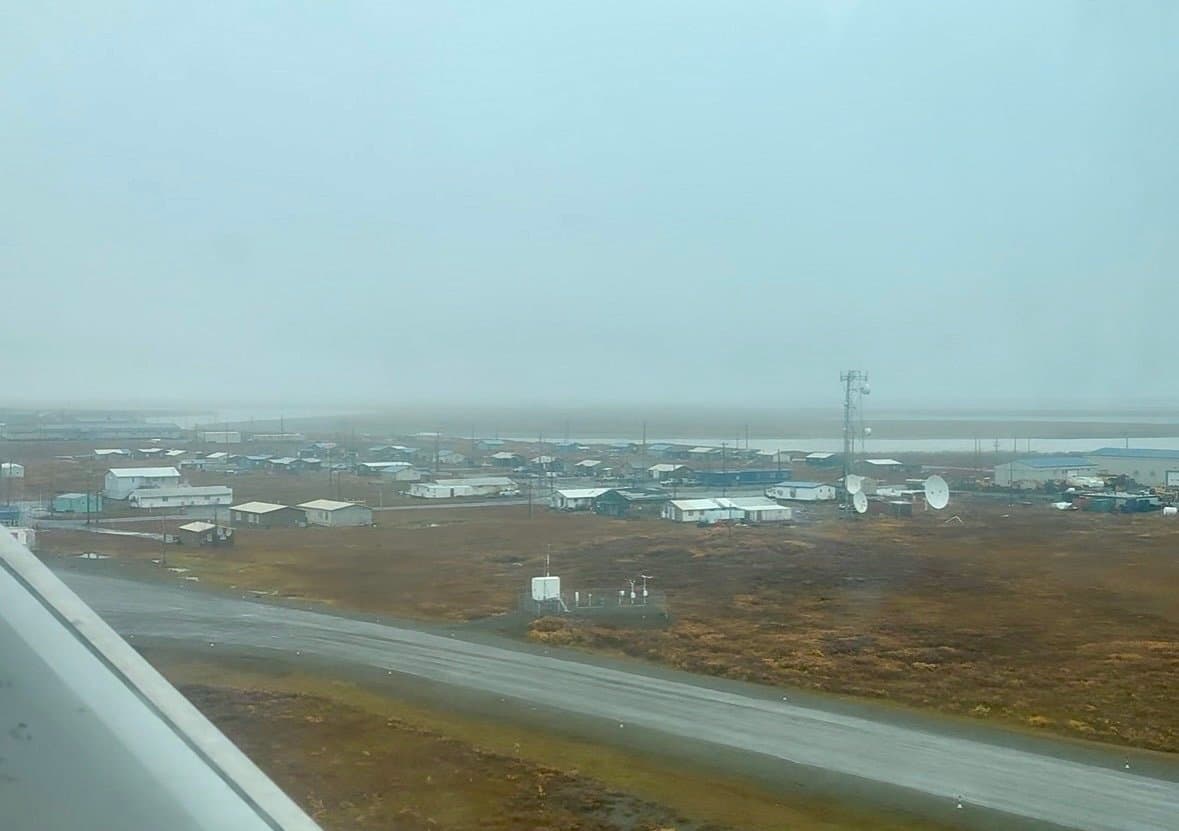
The Borough Assembly voted 11-0 Nov. 10 to apply for six projects only if more grant money is projected to become available. Most of the list, about $11.1 million, would replace a public works shop and a wastewater treatment plant in Nuiqsut, the community closest to ConocoPhillips' Willow oil project.
The grants come from Alaska's half of the federal government's oil and gas revenue from the reserve, a 23-million-acre stretch of the western North Slope.
Federal law says the state "shall give priority" to the "subdivisions of the State most directly or severely impacted" by the drilling. In practice, that gives the borough and the region's cities the first claim on Alaska's share, through the grant program. Whatever isn't appropriated for the grants goes to the rest of the state; under state law, part goes to the Permanent Fund and the Public School Trust Fund, and the rest to other state accounts.
In practice, the grants have taken nearly all of it: each of the last three grant rounds roughly matched what the state received from the reserve the year before.
In the last round, the Legislature approved about $18.2 million in grants for the borough and the cities of Nuiqsut, Utqiaġvik, Anaktuvuk Pass, Wainwright and Atqasuk, according to the program's report to the Legislature. The borough's share was about $7.7 million; Nuiqsut's city government's was about $4.7 million.
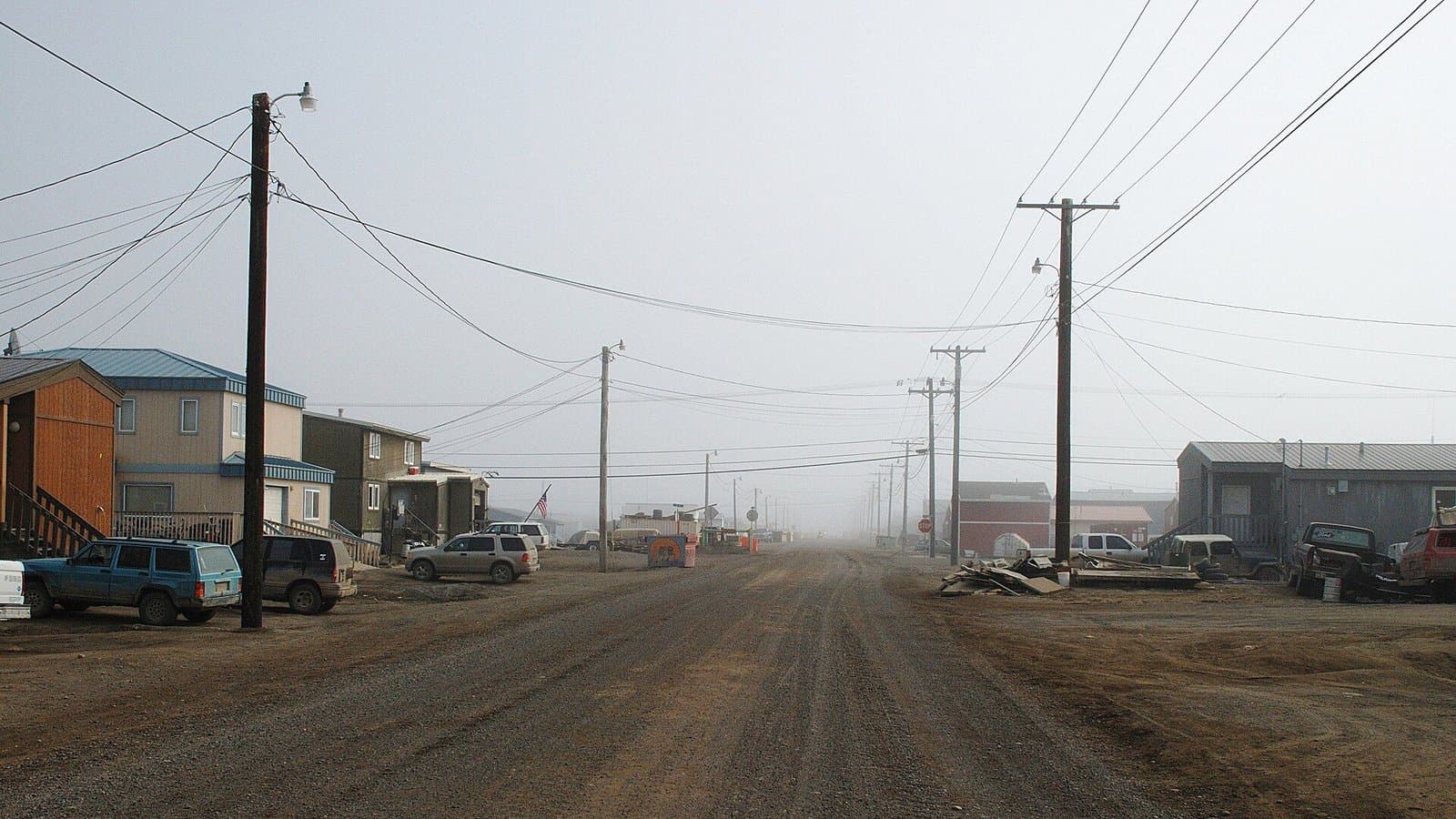
The money pays for things like a $1 million program to level homes in Nuiqsut. Mayor Josiah Patkotak told the Assembly in August that the program went to Nuiqsut first because of the community's "significant experience with blasting," which he said can crack homes and knock them off level.
This year's grant money is limited, with current estimates at $17.9 million, the resolution says. The borough's backup list alone would use all of it. "To support village needs," the borough will hold off on its own departments' applications unless more is projected. The Utqiaġvik City Council was set to vote in October on seeking $4.5 million for city operations.
A second round can open in a year when more federal money comes in, Patkotak told the Assembly in August. Either way, grants depend on the state receiving the federal money and on a legislative appropriation, according to the state's report.
How much of the reserve's money should go to the North Slope is in dispute in Juneau. The Dunleavy administration's revenue forecasts began treating most of it as available for statewide spending before the North Slope's grants are paid. Federal law requires that priority but doesn't say how big a share it has to be.
The North Slope's claim traces to a 1986 court ruling. In a lawsuit brought by the borough, Barrow and Wainwright, a judge ruled the state had to give first priority to the most directly impacted municipalities. After the ruling, the Legislature wrote that principle into state law, the basis of the grant program. No court has ruled on whether the administration's new reading of that law holds up.
All of that covers the money flowing now, including from Willow, whose leases are older. A federal budget law passed last year raises Alaska's share of the reserve's revenue to 70% from 50%, but only for leases issued after July 4, 2025, and only starting in federal fiscal 2034. The new share doesn't carry the "shall give priority" language, so how that money would be split inside Alaska isn't settled.
Legislative attorneys concluded last year that the new federal budget law didn't change the sharing requirement, and lawmakers have kept funding the grants. Patkotak said in August that the money had been cut and then restored in the final state capital budget. Dunleavy leaves office next month.
Another $6 million on the borough's list would go to environmental review for ASTAR, a road-planning partnership between the borough and the state. The piece furthest along is what the borough calls the Triangle Community Road, linking Utqiaġvik, Atqasuk and Wainwright. None of the three is connected by road to the others.
A planning study finished this summer identified three possible routes, and the borough would apply for the federal right-of-way, according to an ASTAR presentation in the packet for the Assembly's Nov. 9 work session. Its list of next steps includes a funding strategy for the environmental review. The Assembly backed moving the roads toward federal review in October. Patkotak said the money would go to contractors for the review, if the grant allows it and the borough decides to file for the right-of-way with the Bureau of Land Management.
The rest, about $782,000, would go to the borough's wildlife department: a study of polar bear abundance in the southern Beaufort Sea, a study of bearded seal territorial behavior using passive acoustic monitoring, and three trucks. Researchers use the trucks to collect samples "from bowhead whales to whatever is stranded on the beach," Wildlife Management Director Carmen Daggett said.
Assembly member Frederick Brower abstained in October from the vote on the ASTAR roads, citing his seat on the project's working group for the Iñupiat Community of the Arctic Slope. This time, he disclosed the same role and asked whether he should abstain. Patkotak said he didn't believe the grant money would go through that committee, and Brower voted yes.
What did you make of this story? (no account needed)
Made by our human newsroom with AI. Reviewed by Cale Green. How humans and AI work here · Grow with our newsroom · Transcript byWalter AlaskaNews
Keep Alaska News free for everyone.
No paywall, ever. Members pay so everyone can read the meetings and records Alaska News covers.
Get Alaska News in your inbox
Create your free account and get the day’s top stories around 6 each morning, in a few minutes’ read.
Top stories, around 6 each morning.
Stories on what you follow, on Sundays.
This article is based on a public meeting of NSB Assembly — NSB Assembly: NSB Assembly — Regular Meeting & Public Hearing ().








Comments
Sign in to leave a comment.
No comments yet. Be the first to share your thoughts.