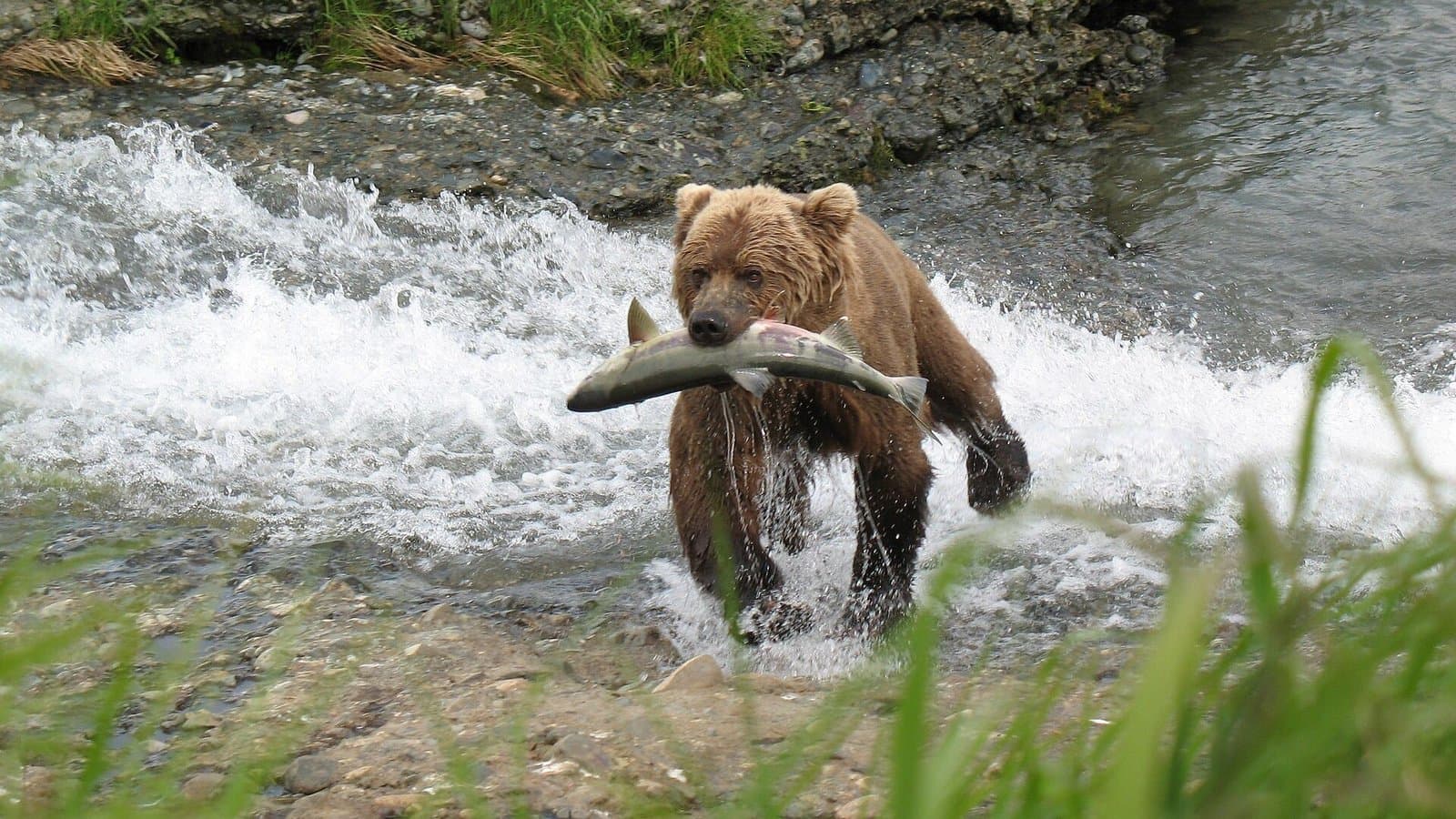
Photo: Mark Wipfli, Alaska Cooperative Fish and Wildlife Research Unit. Public domain. via Wikimedia Commons · Photo source · Public domain
McNeil River's peak bear count hit a record low in 2025 as chum salmon ran thin
Peak counts of brown bears at McNeil River Falls hit a record low in 2025, according to the Alaska Department of Fish and Game's latest annual report on the sanctuary.
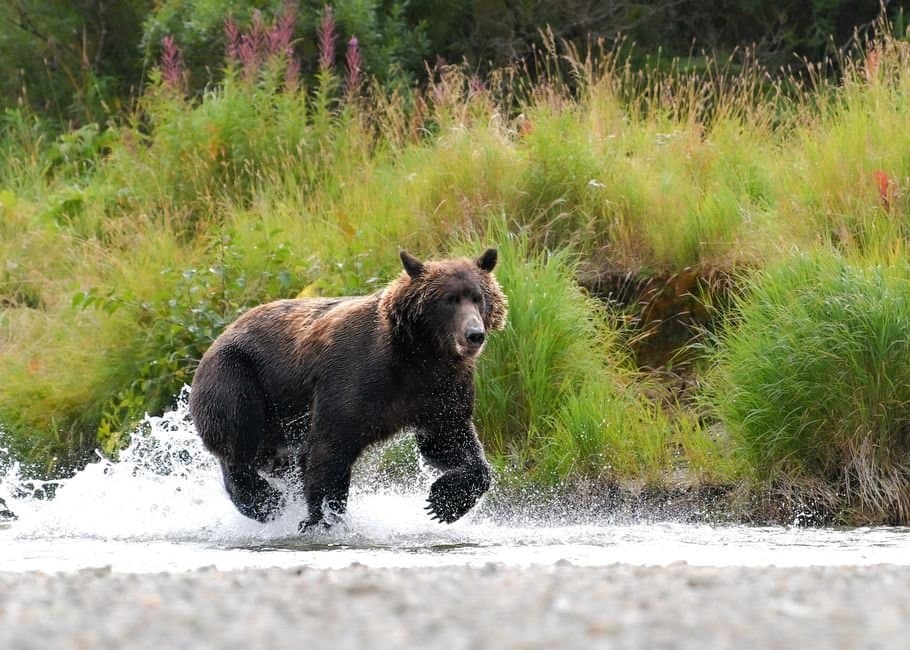
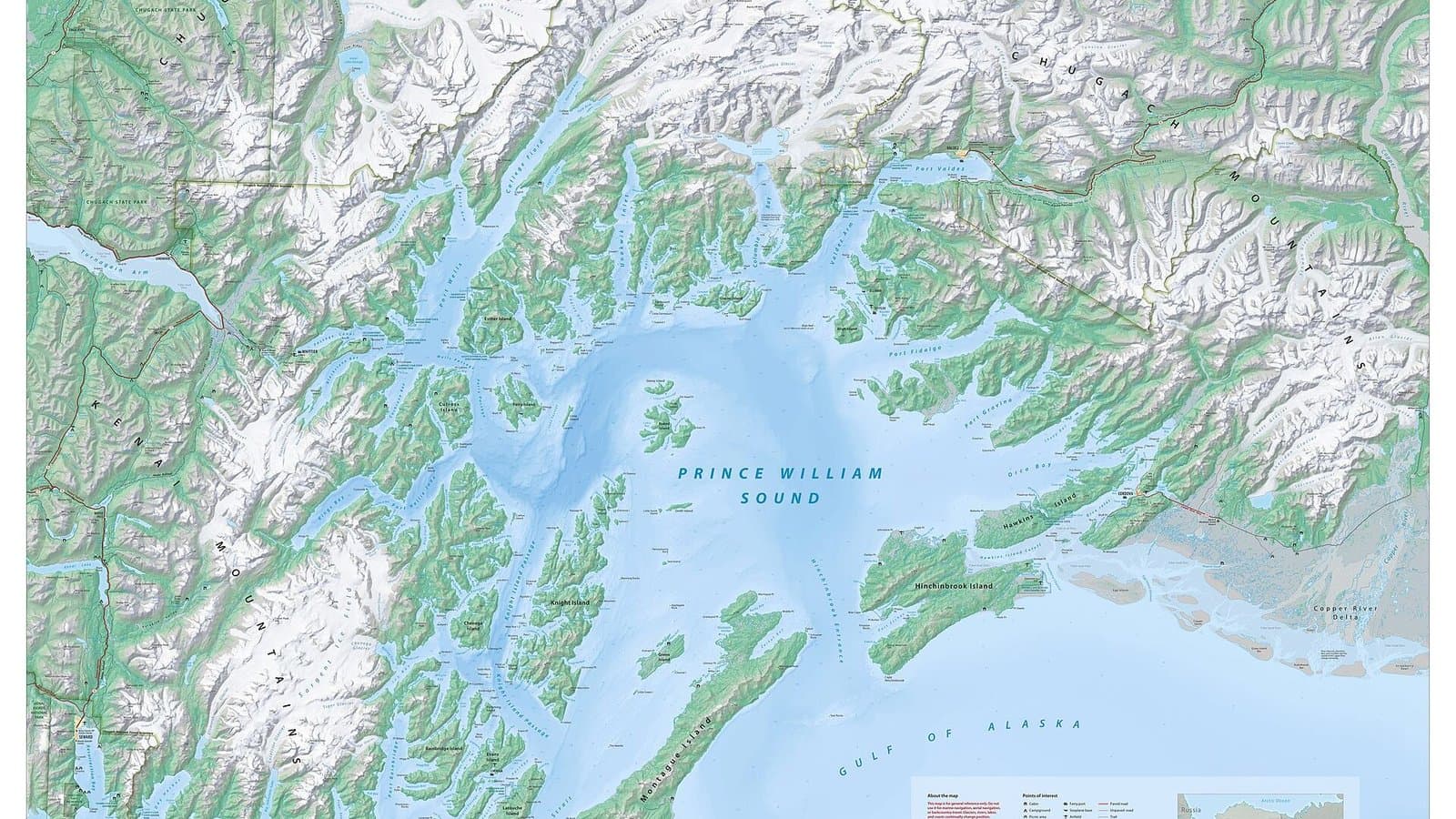
McNeil River, on the west side of Cook Inlet, "supports the world's largest congregation of brown bears," the report says. The bears gather to feed on salmon.
In 2025, the most bears staff counted at the falls in a single hour was 16, on July 13. The department's peak index came to 13 bears; that's the lowest on record and the first time it has dropped below 20. The long-term average is 39.
It appears bears didn't stay in the area in part because of "extremely low numbers of returning chum salmon," the report says. Aerial surveys estimated about 8,252 chum salmon in McNeil River, well below the department's escapement goal of 24,000 to 48,000, the number of fish it aims to have return to spawn. Few salmon were seen above the falls.
Over the whole season, staff identified 85 individual bears, about 10% below the long-term average of 94. The highest count was 144, in 1997.
The Legislature created the sanctuary in 1967 to protect brown bears and other wildlife, and hunting and trapping are banned there. Since 1973, viewing at McNeil River and nearby Mikfik Creek has been limited to 10 people a day from June 7 to Aug. 25. Visitors win permits by lottery, with up to 257 people a season.
The department received 655 applications for the 2025 season, 44% below the long-term average of 1,171. Of 190 permit holders, 134 came. Both the applications and the visits were the lowest since 1984. Alaskans got 56% of the permits.
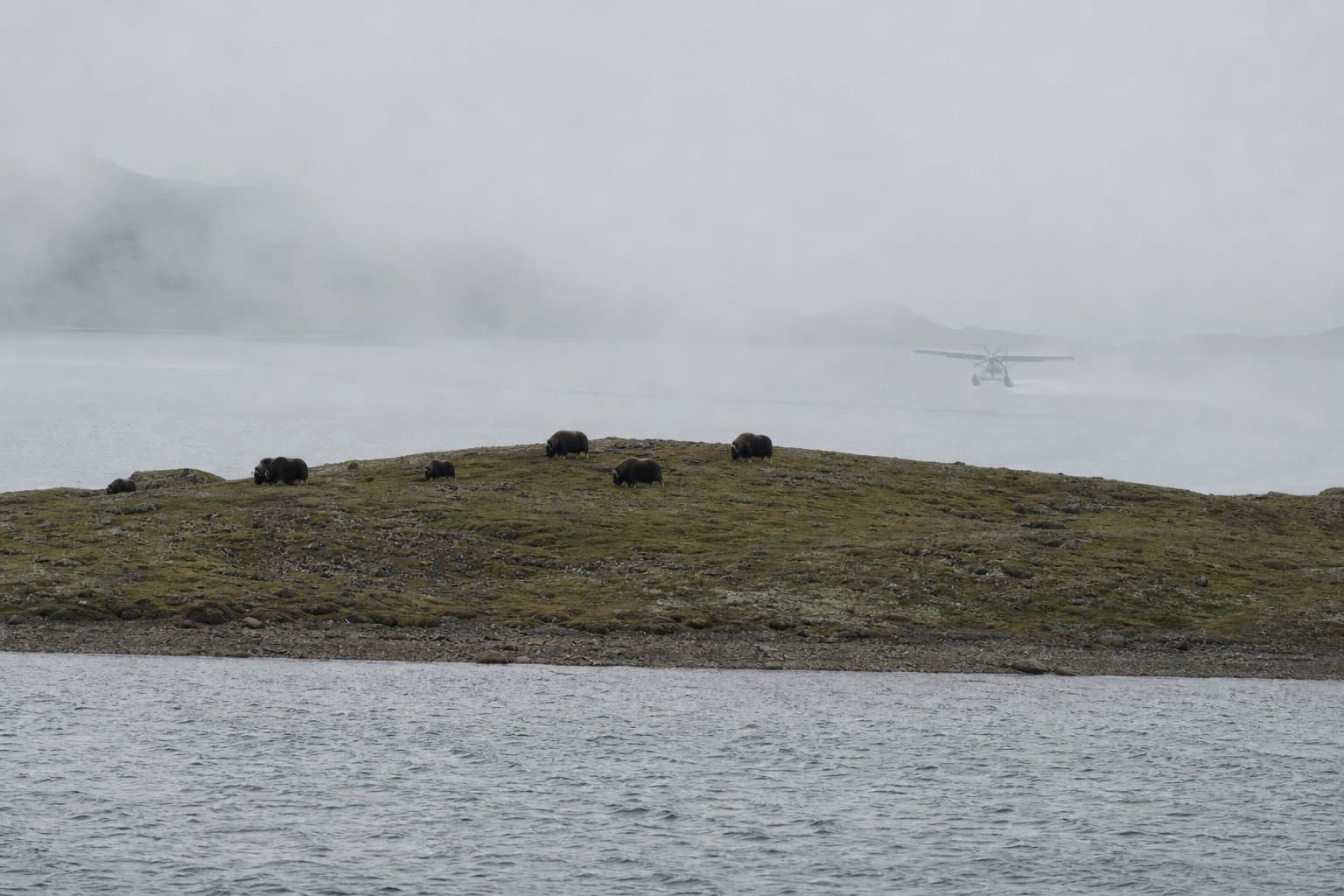
In 2024, the department allowed some wheeled-plane landings on a trial basis when tides kept floatplanes out. That added access, but the planes "sometimes disturbed and displaced bears," the report says, and bears on the beach sometimes kept planes from landing.
For 2026, the department said commercial transportation would continue by floatplane, with wheeled planes considered case by case, while it reviewed 741 responses to a stakeholder survey. It said changing the 10-person daily limit wasn't under consideration at that time.
Applications for the 2027 season are due March 1, with a $30 application fee. Before then, on Feb. 11, Fish and Wildlife Technician Wilson Puryear will give a free online talk on the sanctuary's history and how the viewing program works, part of the department's Winter Wildlife Series.
What did you make of this story? (no account needed)
Made by our human newsroom with AI. Reviewed by Cale Green. How humans and AI work here · Grow with our newsroom ·
Get Alaska News in your inbox
Create your free account and get the day’s top stories around 6 each morning, in a few minutes’ read.
Top stories, around 6 each morning.
Stories on what you follow, on Sundays.
Based on a press release from Alaska Department of Fish and Game.





Comments
Sign in to leave a comment.
No comments yet. Be the first to share your thoughts.