AI image
Maximum SNAP food benefits in Alaska rise about 1.6% starting Thursday, with rural areas highest
New federal SNAP benefit levels take effect in Alaska on Thursday, raising the most a household can receive in food aid for the next year.
For a family of four, the maximum monthly benefit rises from $1,285 to $1,306 in urban Alaska, from $1,639 to $1,666 in the areas designated Rural I and from $1,995 to $2,027 in Rural II, according to the U.S. Department of Agriculture's annual cost-of-living update. Each is an increase of about 1.6%. The new amounts run through Sept. 30, 2027.
Those are maximums. Actual benefits depend on household size and income after deductions. In the state's 2025 fiscal year, Alaska's SNAP program had an average monthly caseload of 31,403, and the average household received $627 a month, according to the state Division of Public Assistance.
The federal government sets the benefit levels and, for now, pays for the benefits themselves. A 2025 federal law will require states to start covering part of benefit costs as soon as October 2027, with each state's share tied to its payment error rate. The state Division of Public Assistance runs the program in Alaska, applying federal rules to decide who qualifies and issuing benefits. Starting Thursday, under the same law, the state generally pays 75% of the program's administrative costs, up from 50%.
Federal rules define the three benefit areas. Urban Alaska includes Anchorage, most of the Mat-Su, Fairbanks, Juneau, Ketchikan, Sitka, the city of Kodiak and most of the Kenai Peninsula. Rural I covers smaller communities such as the rest of Kodiak Island, Cordova and the Copper River region, and villages in Southeast. Rural II covers western and northern Alaska, including the Bethel, Nome and Northwest Arctic regions, the North Slope, Bristol Bay and most of the Aleutians.
Most Alaska households qualify for SNAP through a state policy called broad-based categorical eligibility, which the Legislature required in 2024 and the state began using in July 2025. Under it, a household can qualify with gross income up to 200% of the federal poverty guideline, which works out to $6,876 a month for a family of four this year, and there is no asset limit. Households that don't qualify that way must meet the regular federal limits, including an asset limit of $3,000, or $4,750 for households with someone 60 or older or disabled, up from $4,500.
The minimum benefit for one- and two-person households will be $31, $40 or $49 a month, depending on the area, and several deductions used to calculate benefits also rise.
A separate deadline is coming at the end of the month. A waiver the state received from USDA, which has exempted most of Alaska from SNAP's work-related time limit, expires Oct. 31, according to the Division of Public Assistance. The time limit generally cuts off benefits after three months in three years for affected adults unless they work or take part in other qualifying activities at least 80 hours a month. A 2025 federal law extended it to adults through age 64 and narrowed the exemption for people caring for children. Under the waiver, which took effect Nov. 1, 2025, every borough and census area except the Municipality of Anchorage has been exempt, and some groups have stayed exempt statewide, including people 56 to 64, households with children 14 to 17, veterans, people experiencing homelessness and young adults leaving foster care. Federal law allows Alaska to seek further temporary exemptions through 2028.
The same 2025 law exempts some people from the time limit whether or not a waiver is in place: those who meet the federal Indian Health Care Improvement Act's definitions of "Indian" or "Urban Indian." Those legal definitions cover members of tribes, including Alaska Native villages, and include other ways to qualify for people living in urban areas.
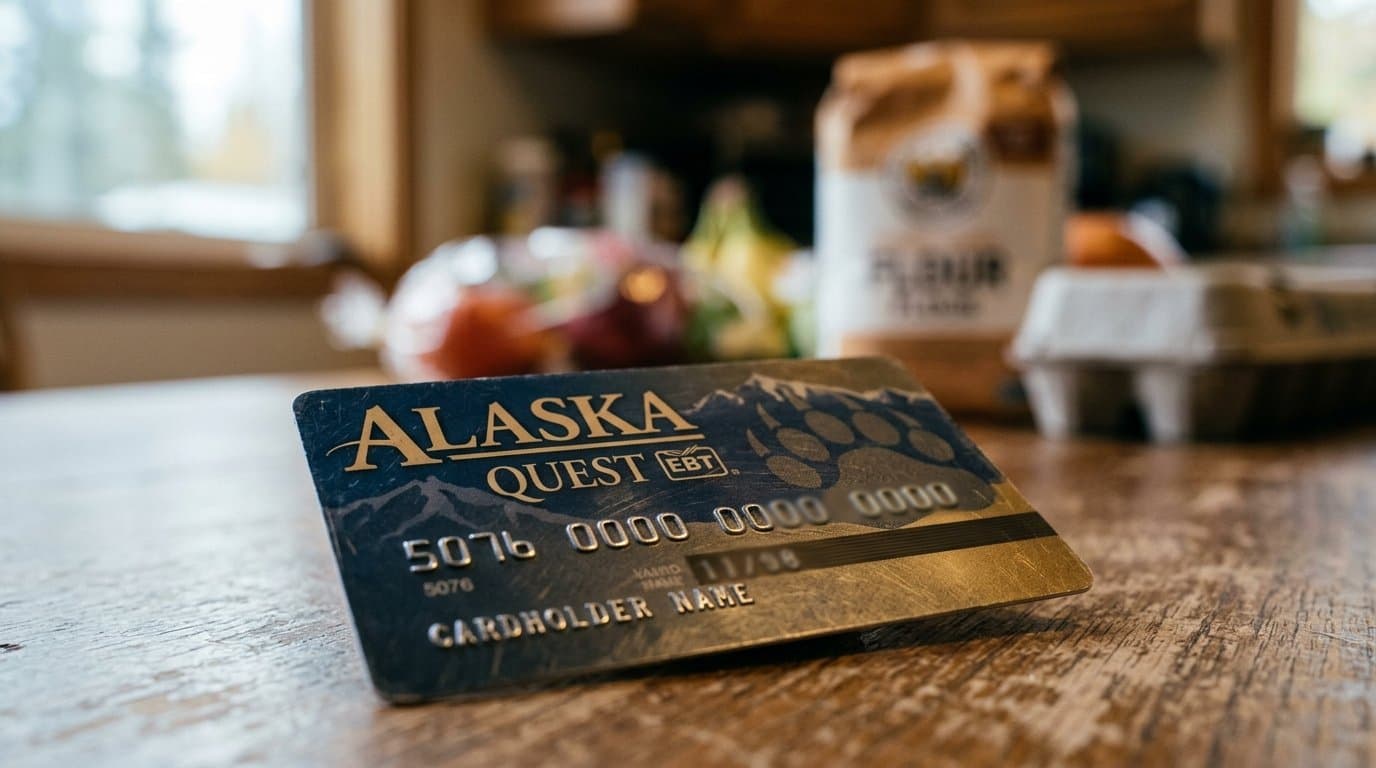
Benefits come on the Alaska Quest card. In remote communities where stores are hard to reach, households that rely substantially on subsistence hunting and fishing can also use their benefits for gear such as nets, hooks, rods and harpoons, but not guns or ammunition. The state issues those households a special SNAP ID card for the purchases.
Questions about SNAP go to the Division of Public Assistance at 800-478-7778.
Source: Alaska SNAP maximum benefits rise Thursday under new federal limits.
AI-assisted. Reviewed by Cale Green. How we use AI
From prior coverage
Stay informed. Support what matters.
Free, permanent access to local news you can verify. Subscribe to support Walter AlaskaNews and go ad-free.
Related Coverage
Federal SNAP changes could put Alaska food aid and state budget under new pressure
Alaska News · 3mo ago
In Anchorage, SNAP recipients now face work requirements
Alaska News · 1mo ago
Alaska school meal reimbursements rise 3.5% for 2026-27 school year
Alaska News · 2mo ago
Alaska child care gets a meal-money raise that may not cover the meals
Alaska News · 2mo ago
Alaska Has the Nation's Worst SNAP Error Rate — and a Bill Coming
Alaska News · 3mo ago
Comments
Sign in to leave a comment.
No comments yet. Be the first to share your thoughts.