
AI image
Kodiak Coast Guard victims' estates get $150,000 from convicted killer's retirement
A federal judge in Anchorage ordered Tuesday that the estates of two Coast Guard workers murdered on Kodiak Island in 2012 get $150,000 from the retirement savings of James Michael Wells, the co-worker convicted of killing them. The rest of the money the court holds, about $299,000, is to go to Wells' wife once the court approves her release of any claims over the cash-out.
With another $13,107.68 garnished from Wells' other retirement income, each estate is to get $81,553.84. Their combined $163,107.68 is less than a tenth of the $1.9 million in restitution Wells was ordered to pay.
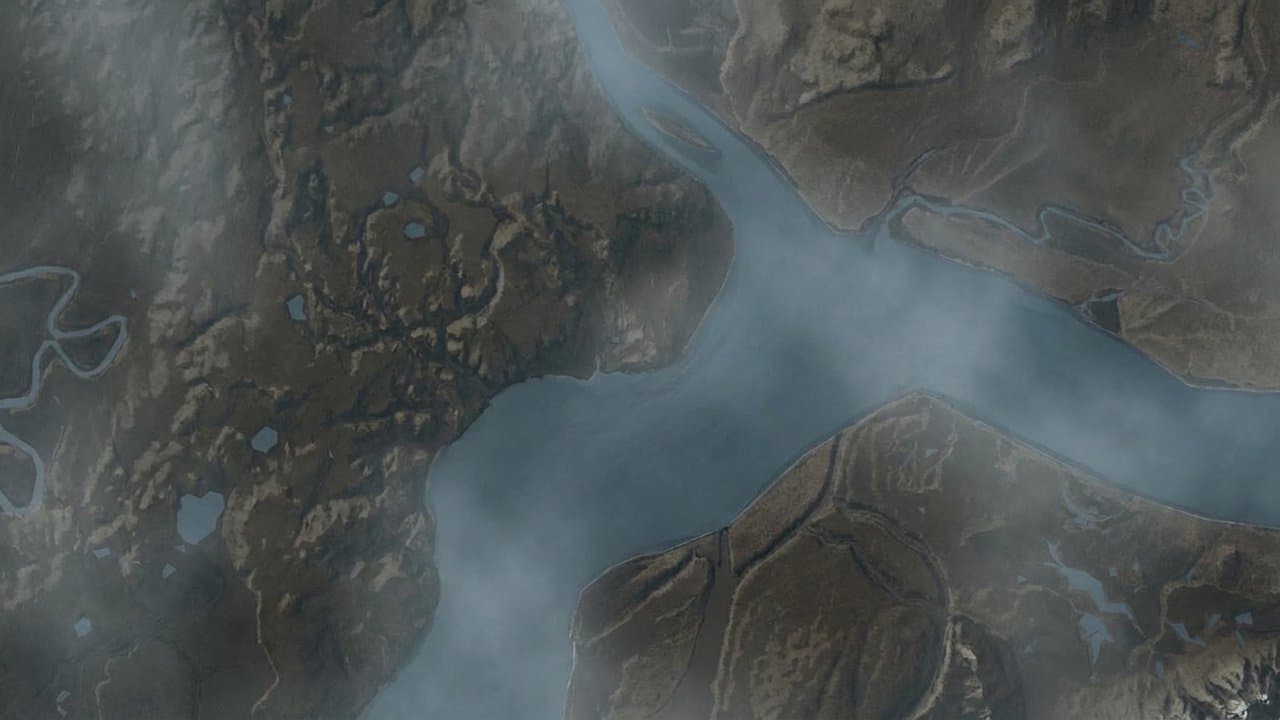
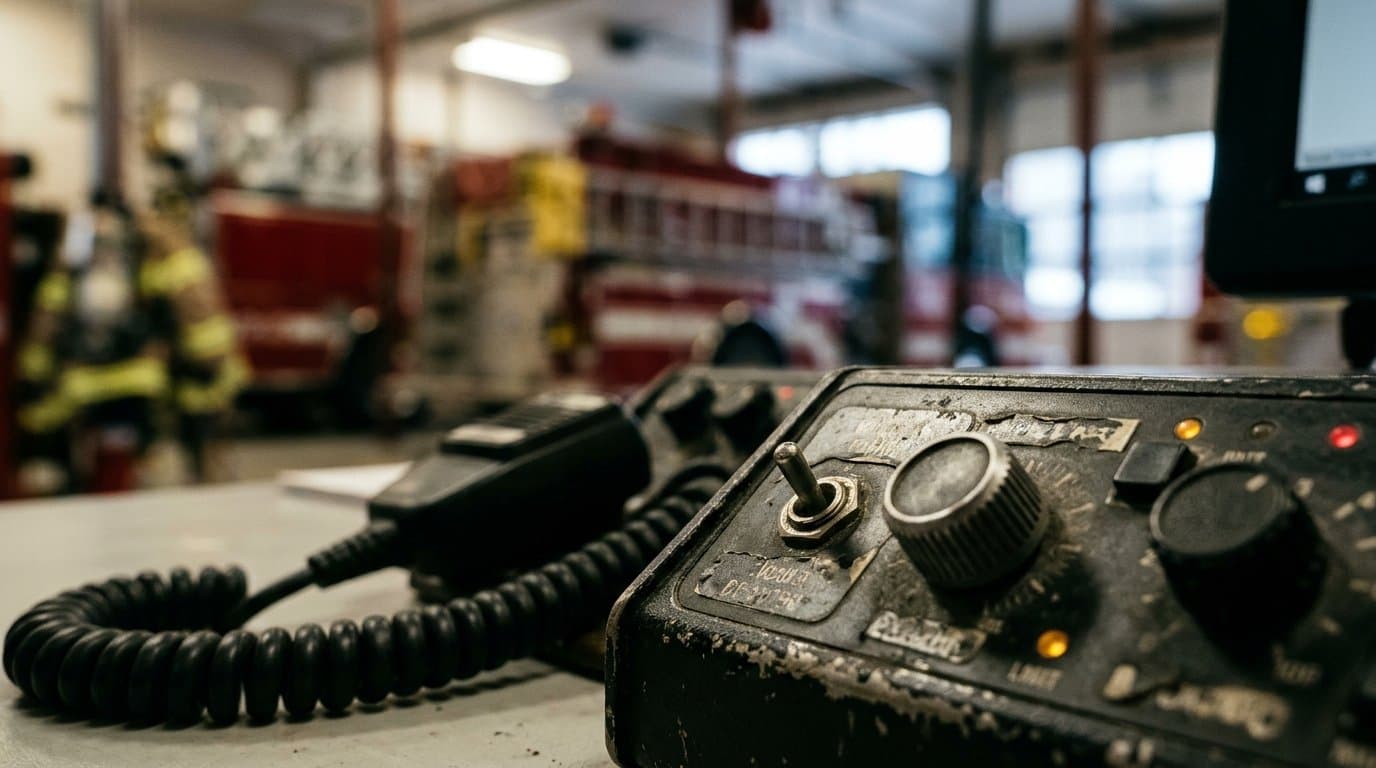
The victims were Electrician's Mate First Class James Hopkins and retired Chief Boatswain's Mate Richard Belisle, killed at the Coast Guard's communication station on Kodiak Island on April 12, 2012. A jury convicted Wells in 2019, at a second trial after an appeals court overturned his 2014 conviction, and he was sentenced to life in prison in January 2020.
In 2023, the government cashed out Wells' Thrift Savings Plan account, the federal workers' version of a 401(k), which held nearly $450,000. But Wells' wife has a legal right to an annuity from the account. In 2025, the 9th U.S. Circuit Court of Appeals ruled that the government couldn't cash it out without her consent and sent the case back.
One of the three appeals judges, Richard Clifton, agreed the law required that result. But he wrote that "it is illogical that restitution for the victims' families, including their grieving spouses, be limited and delayed in these circumstances." He said he regretted the result and that Congress might consider the subject.
Back in Anchorage, the government asked U.S. District Judge Sharon Gleason to put the money back into the account, arguing it could then garnish all of Wells' future payouts. Gleason refused, finding that the funds "cannot, or at least should not, be returned" to the account. She ruled that the account's required minimum distributions, the yearly withdrawals federal law requires of older account holders, count as earnings, which federal law protects from garnishment beyond 25%.
Wells estimated that the cap would have produced $87,000 to $106,704 for the estates over the life of the account, and he proposed $150,000. The government didn't dispute his numbers but said it knew of no authority for the court to divide the money based on a hypothetical.
"But it was the Government's withdrawal of Defendant's TSP funds that made a hypothetical necessary in the first place," Gleason wrote.
Under Wells' judgment, any restitution still unpaid is to come from 50% of his prison wages.
What did you make of this story? (no account needed)
Made by our human newsroom with AI. Reviewed by Cale Green. How humans and AI work here · Grow with our newsroom ·
Keep Alaska News free for everyone.
No paywall, ever. Members pay so everyone can read the meetings and records Alaska News covers.
Get Alaska News in your inbox
Create your free account and get the day’s top stories around 6 each morning, in a few minutes’ read.
Top stories, around 6 each morning.
Stories on what you follow, on Sundays.
Source: U.S. District Court for the District of Alaska, U.S. District Court for the District of Alaska: USA v. Wells (3:13-cr-00008): opinion.














Comments
Sign in to leave a comment.
No comments yet. Be the first to share your thoughts.