
Editorial map (Gemini + Google Maps)
Ketchikan council members tell staff to drop summer sales tax increase from 2027 budget
Ketchikan City Council members told staff Monday to take a proposed summer sales tax increase out of the city's 2027 budget.
Shoppers would keep paying 5.5% from April through September instead of 6%. The 3% rate the rest of the year wasn't set to change.
The increase would have raised about $1.1 million, and members told staff not to replace it, City Manager Abner Hoage said. That would leave the general fund, which pays for police, fire, streets, the library and the museum, further below the city's reserve policy.
The policy calls for the fund to keep at least a quarter of its budgeted spending in reserve. Hoage has put that at $9.4 million for 2027.
With the increase, he said, the fund would end 2027 with $8.8 million. Without it, it would end with $7.7 million, $1.7 million short.
"Either way, we're going to be short of the reserve policy," Hoage said.
The increase was meant to pay for city employees' raises. The council approved it in concept in September 2025, according to the draft budget.
On Monday, at least four of the seven members backed dropping it in a show of hands. Some prefer another idea Hoage has floated: a visitor impact tax.
Still in the concept stage, it would tax goods and services sold mostly in summer, such as tours, charters, jewelry, curios and clothing, based on what's sold rather than who buys it. Hoage said 95% of the city's jewelry sales came from April through September in 2024 and 2025. By preliminary numbers, each 1% of the tax would raise about $850,000 a year, he said.
Council Member Abby Bradberry said a visitor tax couldn't pass two readings in time for this budget. She would rather fall short of the reserve policy, she said, than put the increase "on the locals."
Council Member Riley Gass said he preferred the visitor tax. "We pay when we go to Madison and Safeway and all that," he said.
Council Member Janalee Gage wanted to keep the increase until a replacement passes, so the council wouldn't "have to go back to the drawing board" if a new tax fails.
Staff will bring revenue options back in the first quarter of 2027. Hoage also went over other ways to make up the money.
One is raising the property tax by about 1 mill, or $1 for every $1,000 of assessed value. That's about $400 more a year on a home assessed at $400,000. The city now levies 6.6 mills, and each additional mill would raise about $1.06 million, the budget says.
Another is cutting staff. That would take about six layoffs, Hoage said, because the budget already assumes nine jobs will sit vacant.
Hoage recommended letting the reserve gap "ride for one more cycle" while staff works on new revenue. The council voted 7-0 to postpone the general government budget again, to Monday, Nov. 30. It is scheduled to adopt the budget Dec. 17.
What did you make of this story? (no account needed)
Made by our human newsroom with AI. Reviewed by Cale Green. How humans and AI work here · Grow with our newsroom · Transcript byLucas Brown
Keep Alaska News free for everyone.
No paywall, ever. Members pay so everyone can read the meetings and records Alaska News covers.
Get Alaska News in your inbox
Create your free account and get the day’s top stories around 6 each morning, in a few minutes’ read.
Top stories, around 6 each morning.
Stories on what you follow, on Sundays.
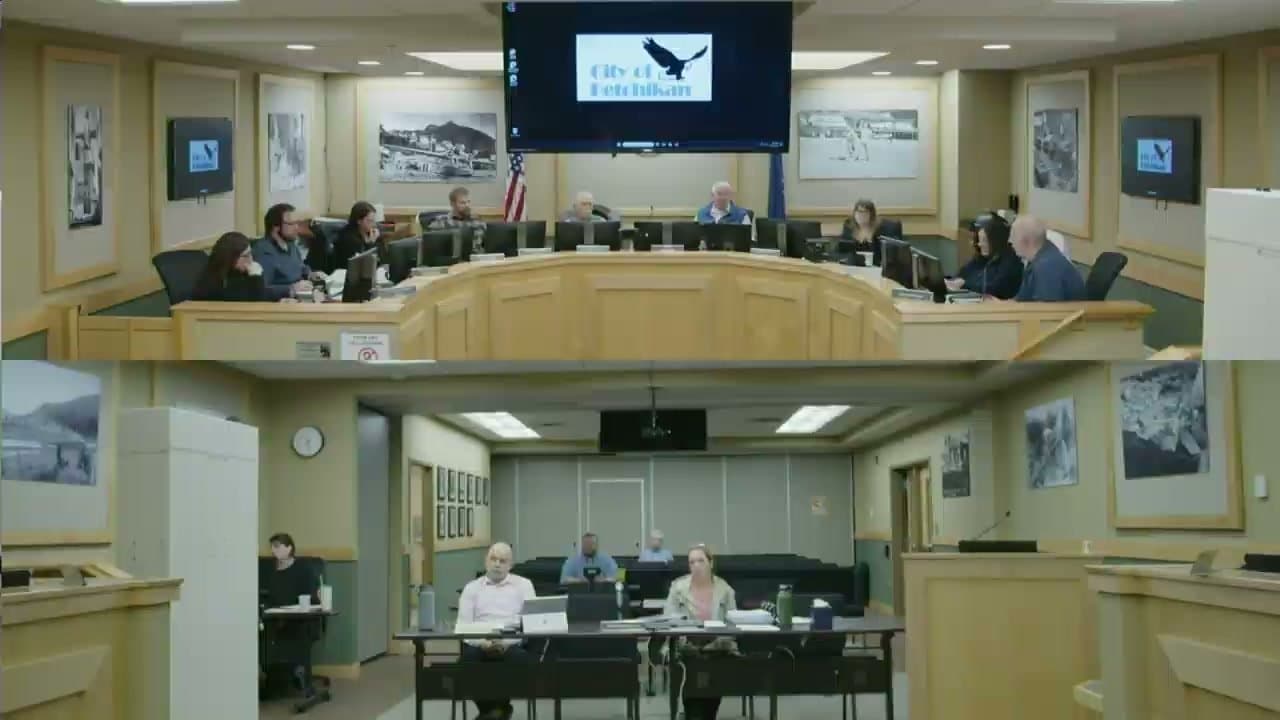
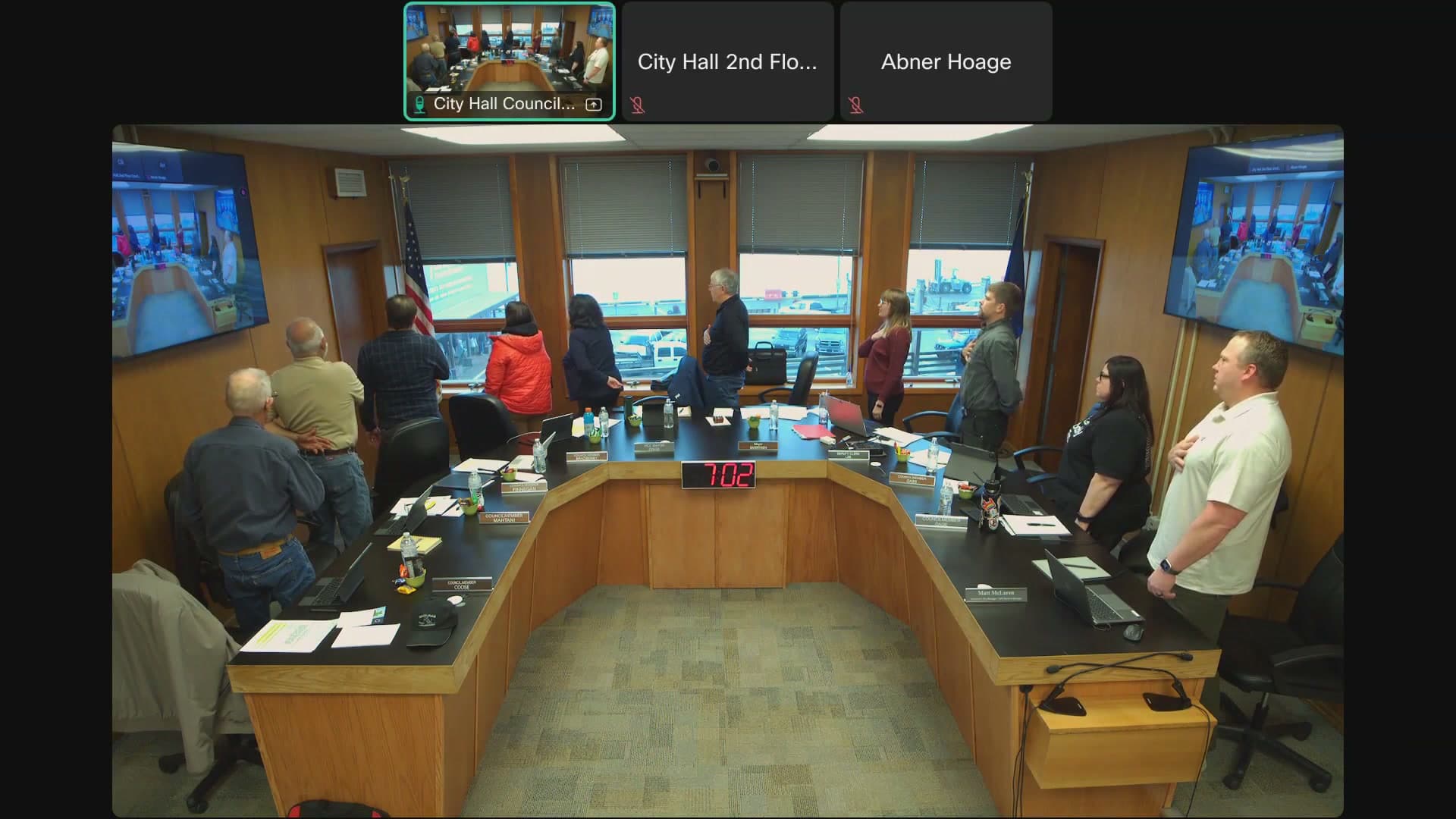
This article is based on a public meeting of City of Ketchikan — Ketchikan: Regular City Council Meeting ().
Watch key moments from the source meeting. Click to expand.








Comments
Sign in to leave a comment.
No comments yet. Be the first to share your thoughts.