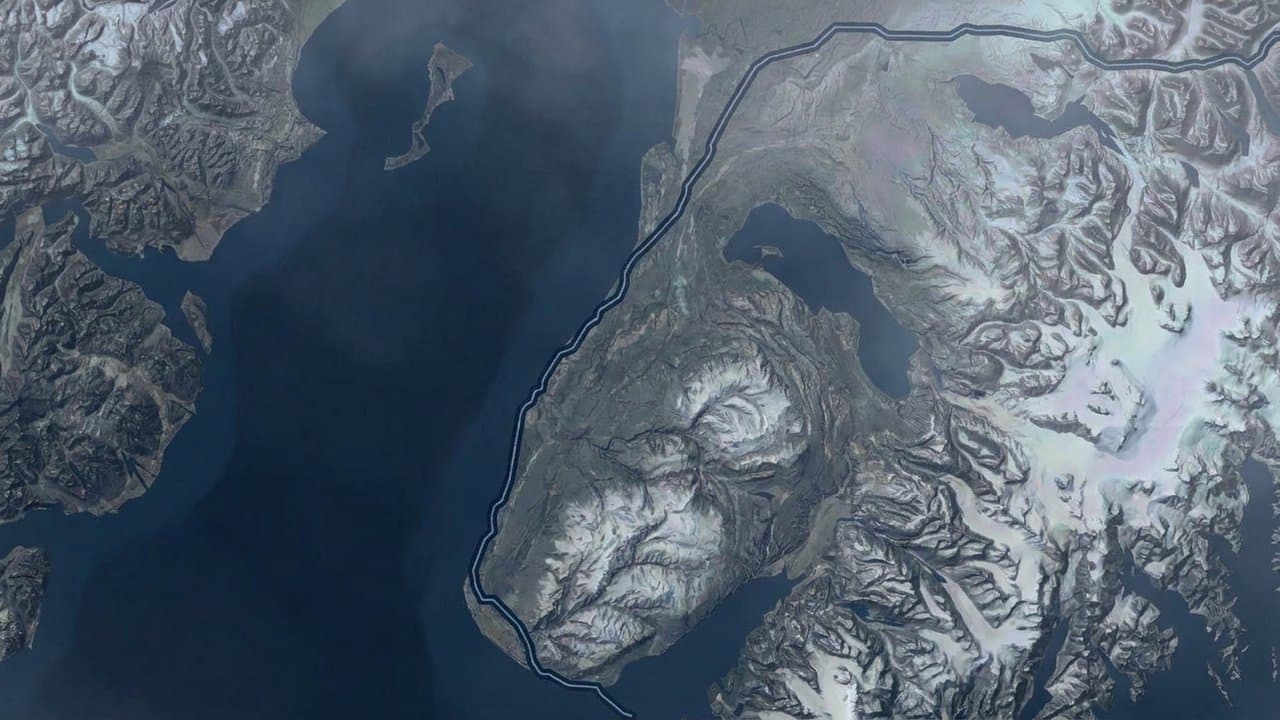
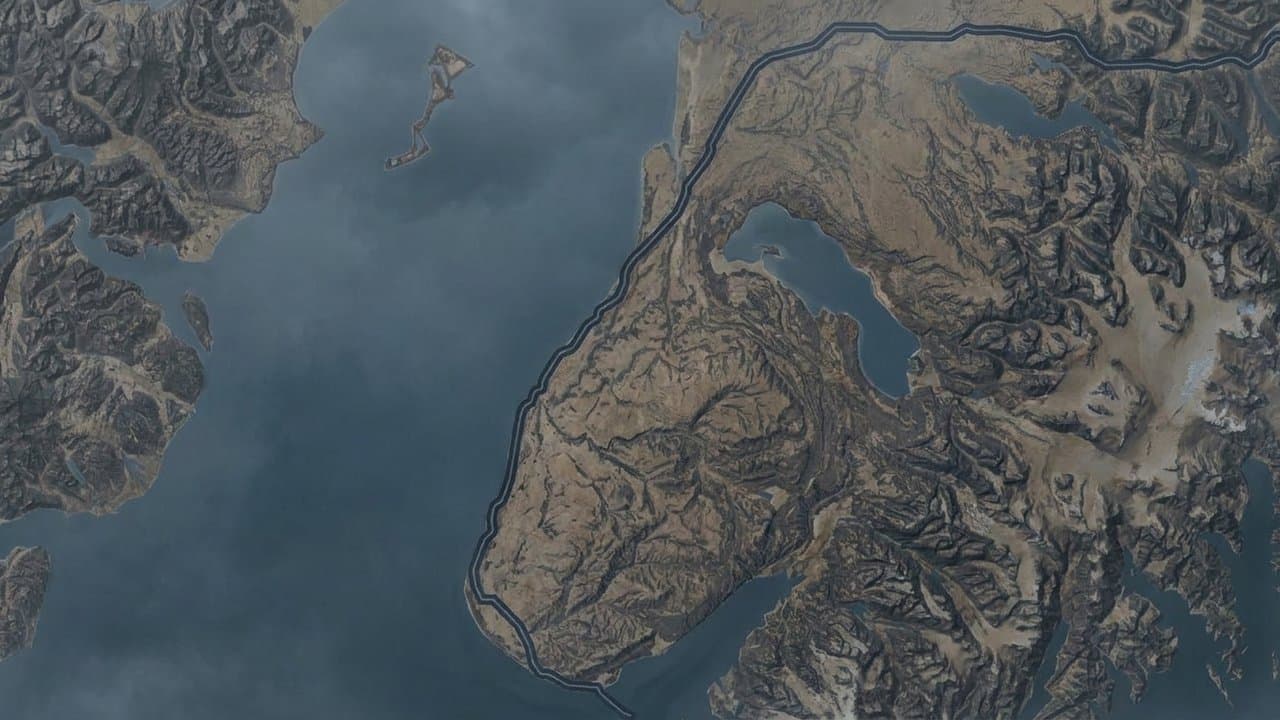
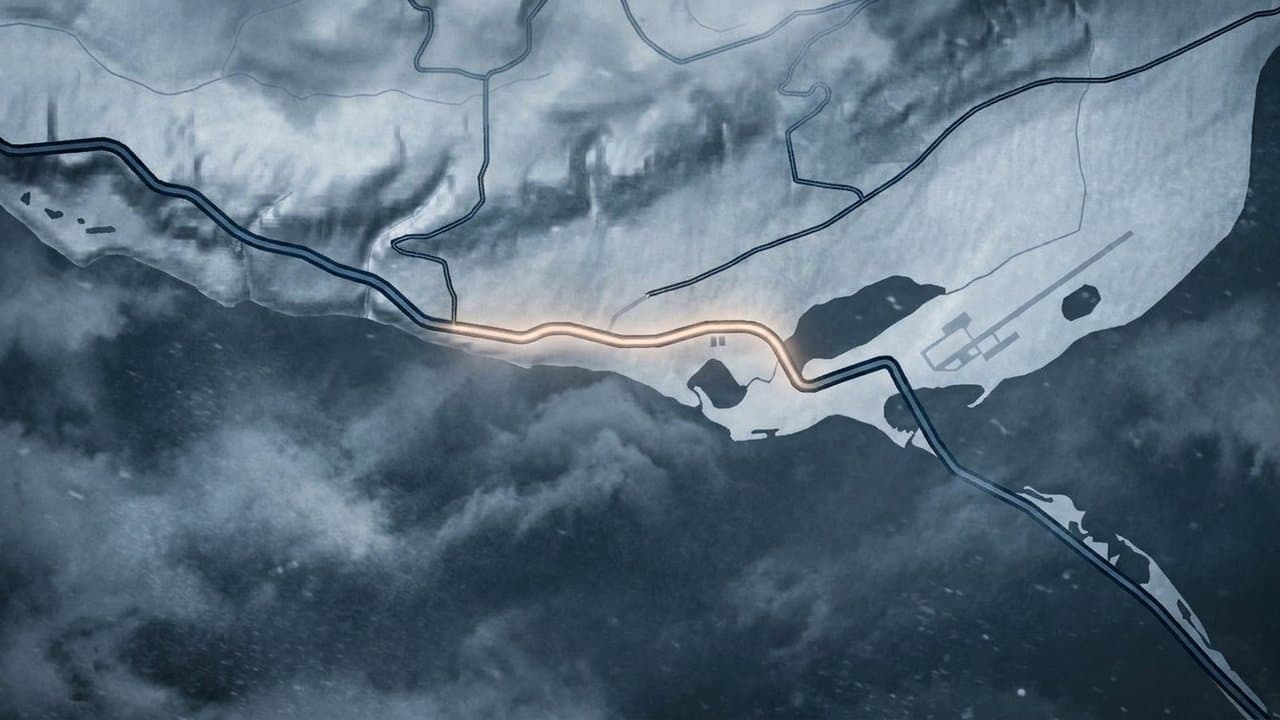
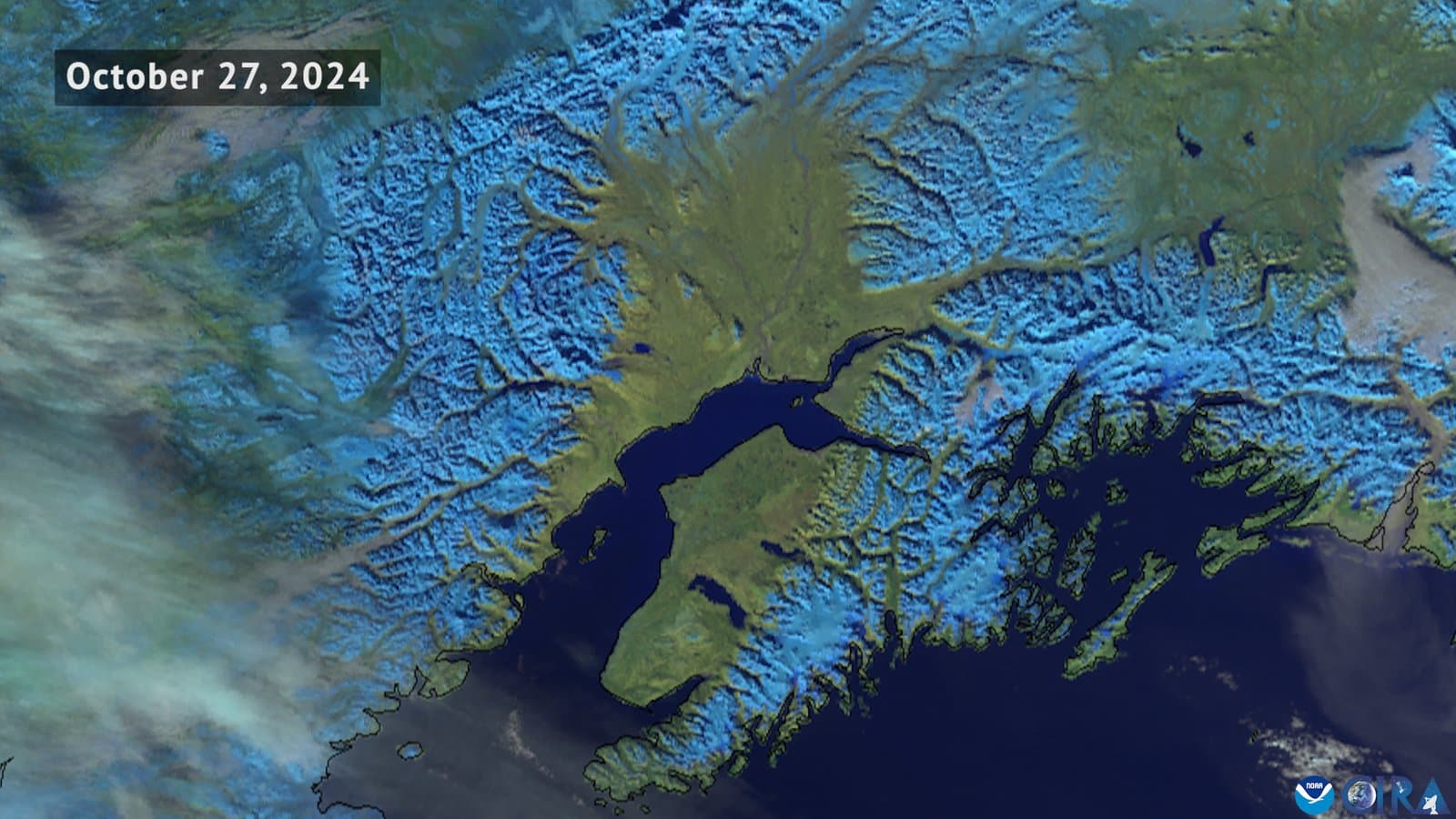
Editorial map (Gemini + Google Maps)
Kenai Peninsula Borough Assembly sets disclosure rules for cloud seeding on borough land
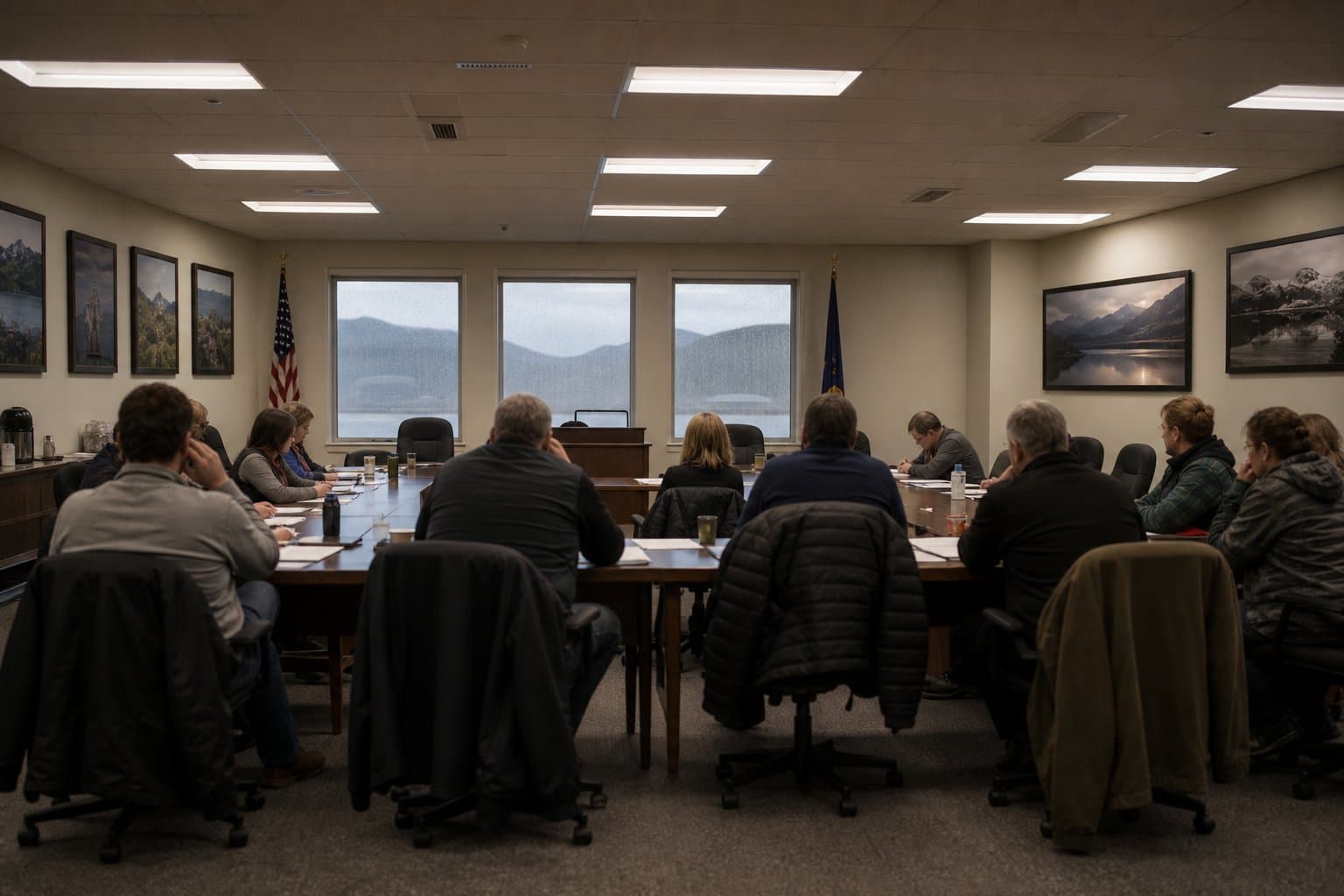
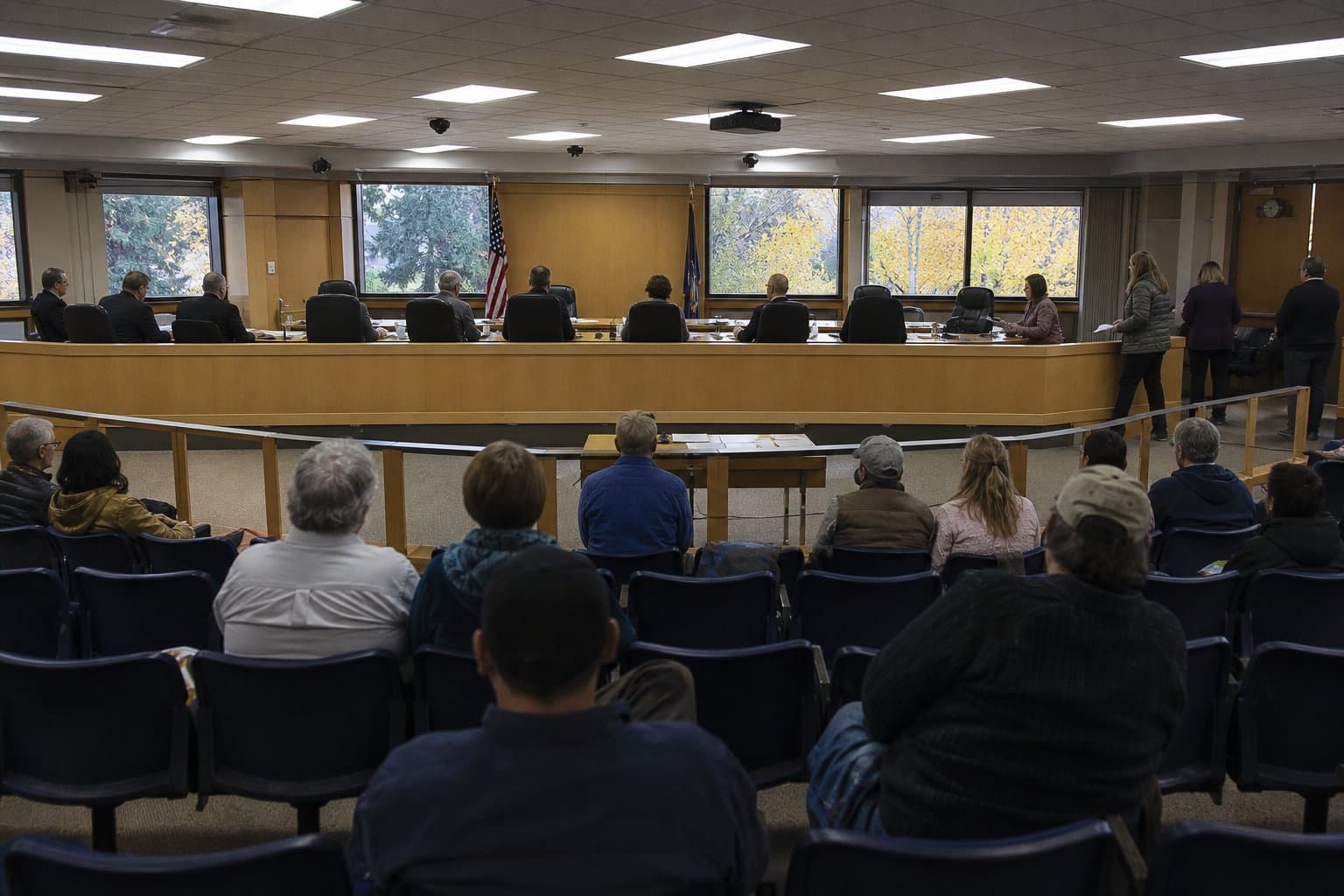
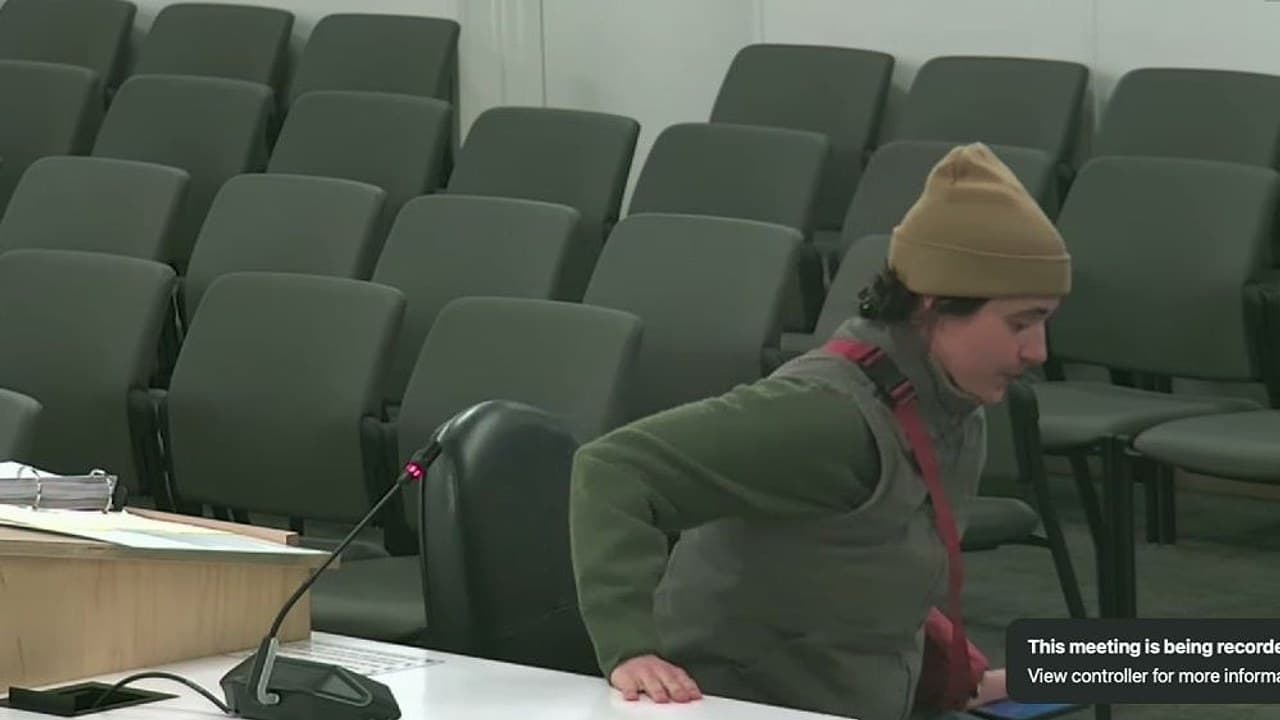
The Kenai Peninsula Borough Assembly voted 7-0 on Oct. 20 to require any company seeking borough land for cloud seeding or other weather modification to disclose its chemicals, flares and flight plans in its application. The ordinance also bans those activities on borough land open for casual use. It took effect immediately.
Companies that fail to file closeout paperwork when a project ends face a fine of $1,000 for each day the paperwork is missing. They also lose the right to apply for a borough commercial lease or land use permit for five years.
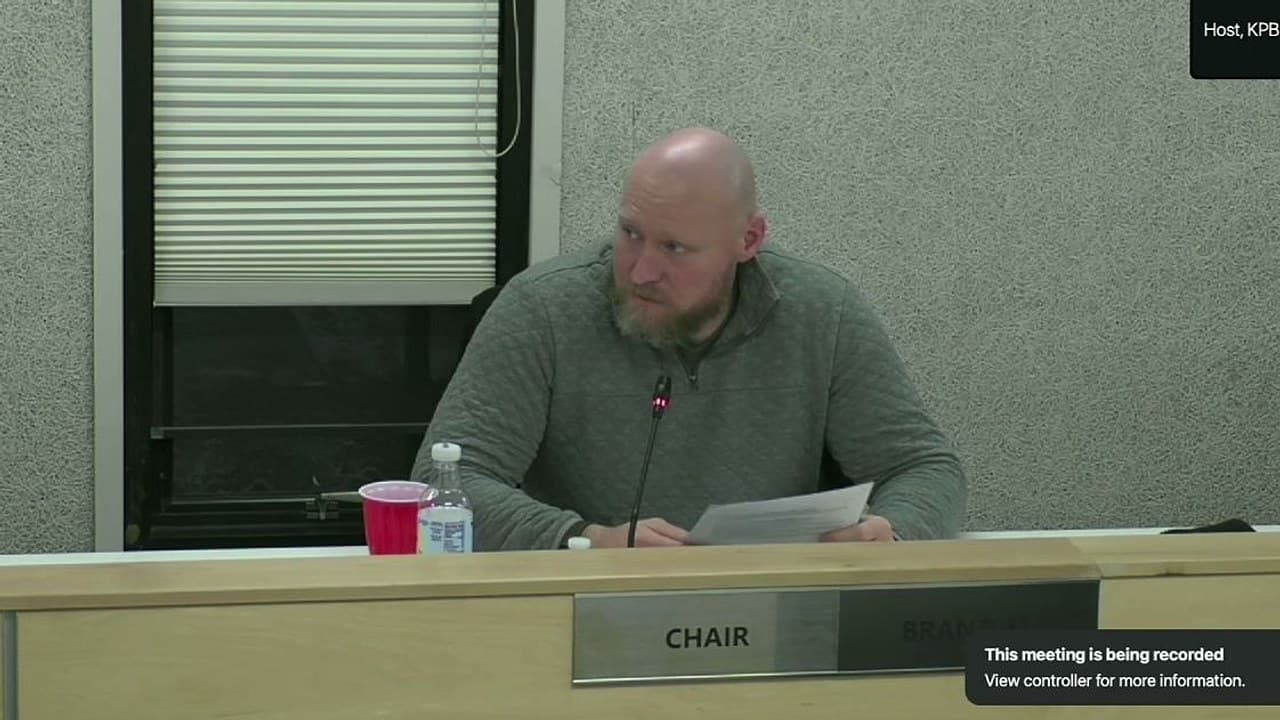
Mayor Peter Micciche and Assembly Member Lenora Niesen sponsored the measure, which Micciche proposed in September. Two members, Willy Dunne and Brent Hibbert, were absent. No one from the public spoke at the hearing.
Under the new rules, an application for a commercial lease or land use permit must state the intended outcome of the project. It must list the type and quantity of chemicals, along with the type, manufacturer, serial number and total weight of any flares. It must disclose the total pyrotechnic material used and how often the activity will occur. It must also include safety data sheets for anything released, flight duration and altitude, the maximum number of flights, and release coordinates with predicted impact areas. A signed summary documenting those items closes out the permit. The rules cover cloud seeding, solar radiation modification and stratospheric aerosol.
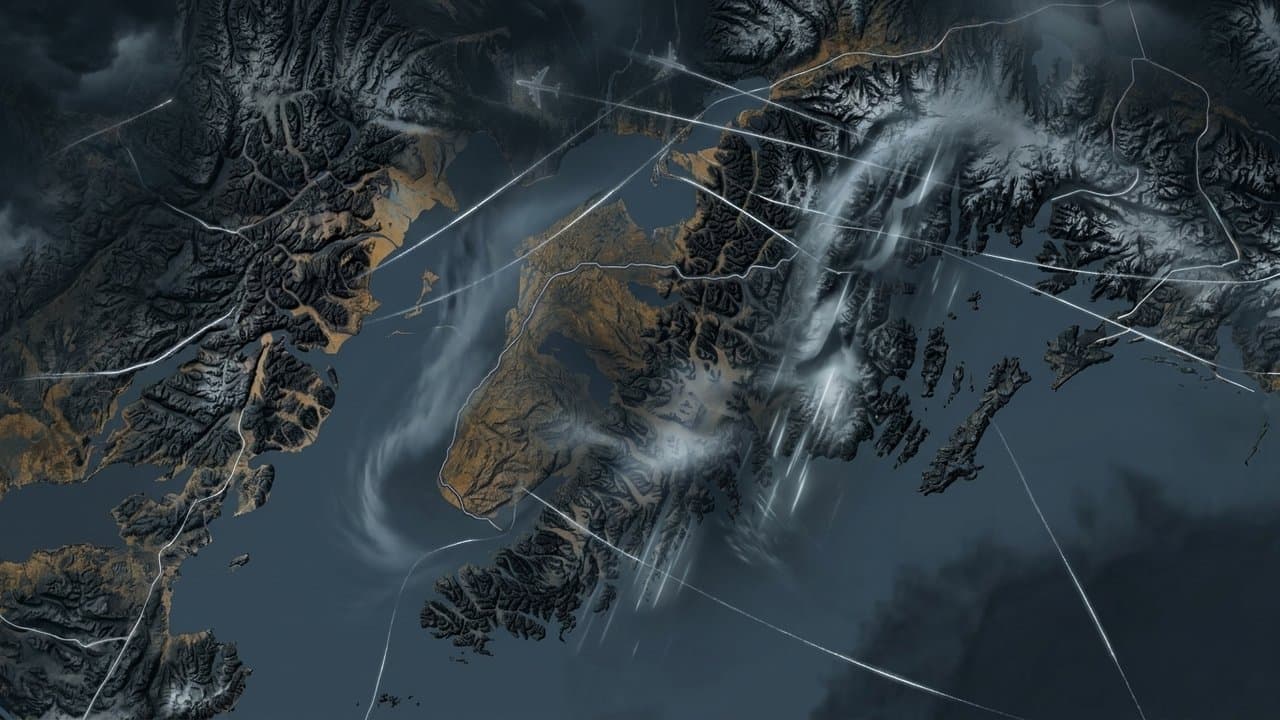
The borough drafted the rules after the company Rainmaker seeded clouds over the Kenai Peninsula with drones on Aug. 23, according to a borough legal memo. The memo says the borough had no notice until Rainmaker issued a press release announcing 10 drone flights and a mean of 57 acre-feet of added precipitation.
A Sept. 11 letter from state environmental Commissioner Randy Bates to Micciche says the operation used 19 flares to release about 374 grams of silver iodide. The company estimated about 19 million gallons of added precipitation, roughly 0.01 inch across the target area. The department said it had found no adverse impacts and, in its review so far, no state law requiring a permit for cloud seeding alone.
Bates wrote that Rainmaker, a California company founded in 2023, operates under permitting or licensing frameworks in Colorado, Utah, Idaho, Oregon and Texas. Before its Alaska flights it received a letter of no objection from the Department of Natural Resources for its activities on state land. Rainmaker acknowledged that it should have communicated with state officials and legislators beforehand, and the department agreed, Bates wrote.
On Sept. 15, the assembly asked the Alaska State Legislature and the governor to prohibit or regulate weather modification. The borough memo says that, as a second-class borough, Kenai Peninsula lacks the authority to fully regulate weather modification or airspace. Bates wrote that his department is prepared to help the Legislature if lawmakers build a regulatory framework.
What did you make of this story? (no account needed)
Made by our human newsroom with AI. How humans and AI work here · Grow with our newsroom ·
Keep Alaska News free for everyone.
No paywall, ever. Members pay so everyone can read the meetings and records Alaska News covers.
Get Alaska News in your inbox
Create your free account and get the day’s top stories around 6 each morning, in a few minutes’ read.
Top stories, around 6 each morning.
Stories on what you follow, on Sundays.
Source: Kenai Peninsula Borough Assembly, Kenai Peninsula Borough Assembly: Kenai Peninsula Borough, Assembly: Minutes (2026-10-20).




Comments
Sign in to leave a comment.
No comments yet. Be the first to share your thoughts.