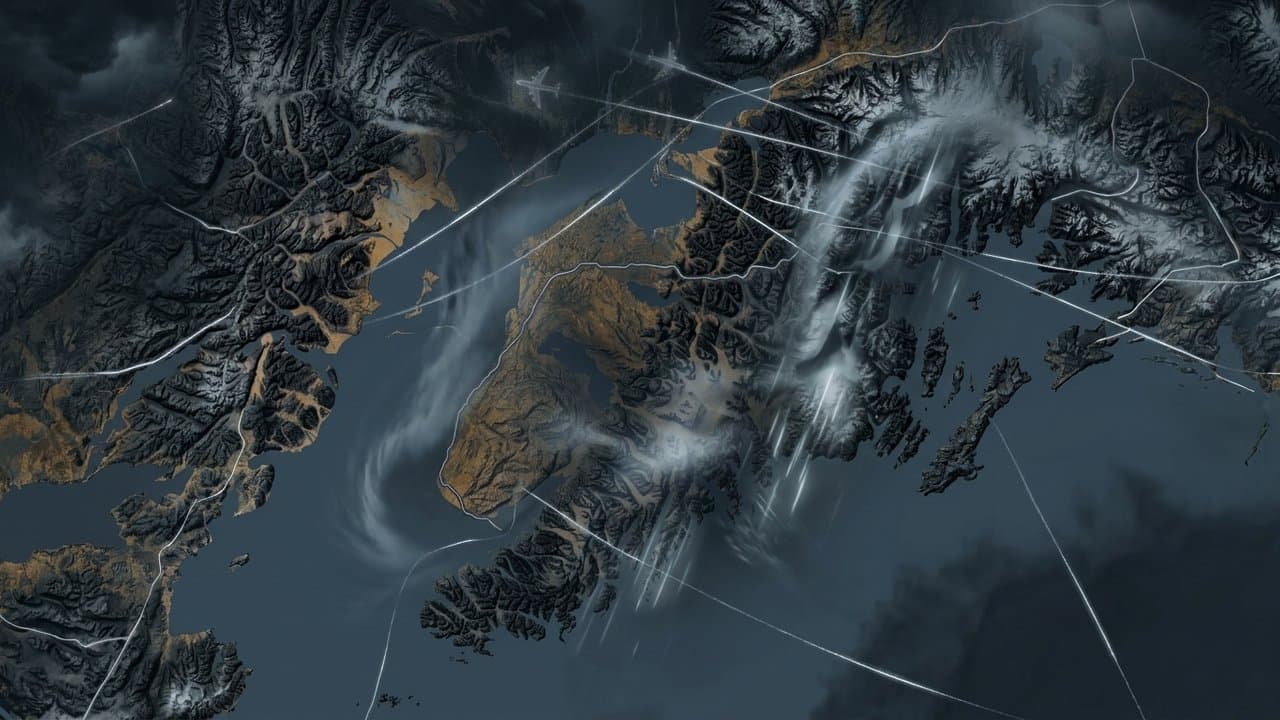
Editorial map (Gemini + Google Maps)
Kenai Assembly asks state to ban cloud seeding, on consent agenda
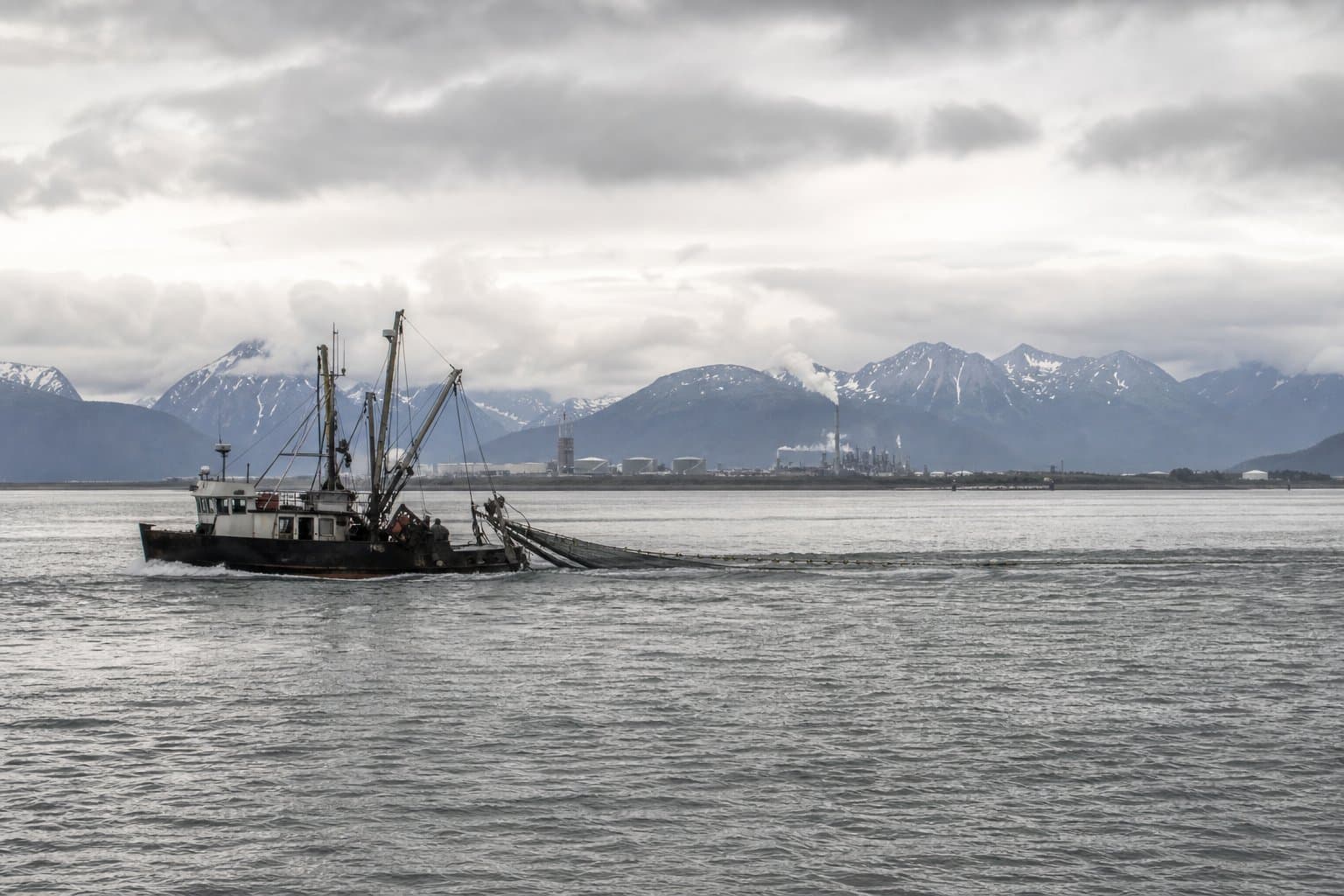
A California company flew ten drones over the Kenai Peninsula on Aug. 23 and seeded clouds to make it rain. The borough found out from the company's press release.
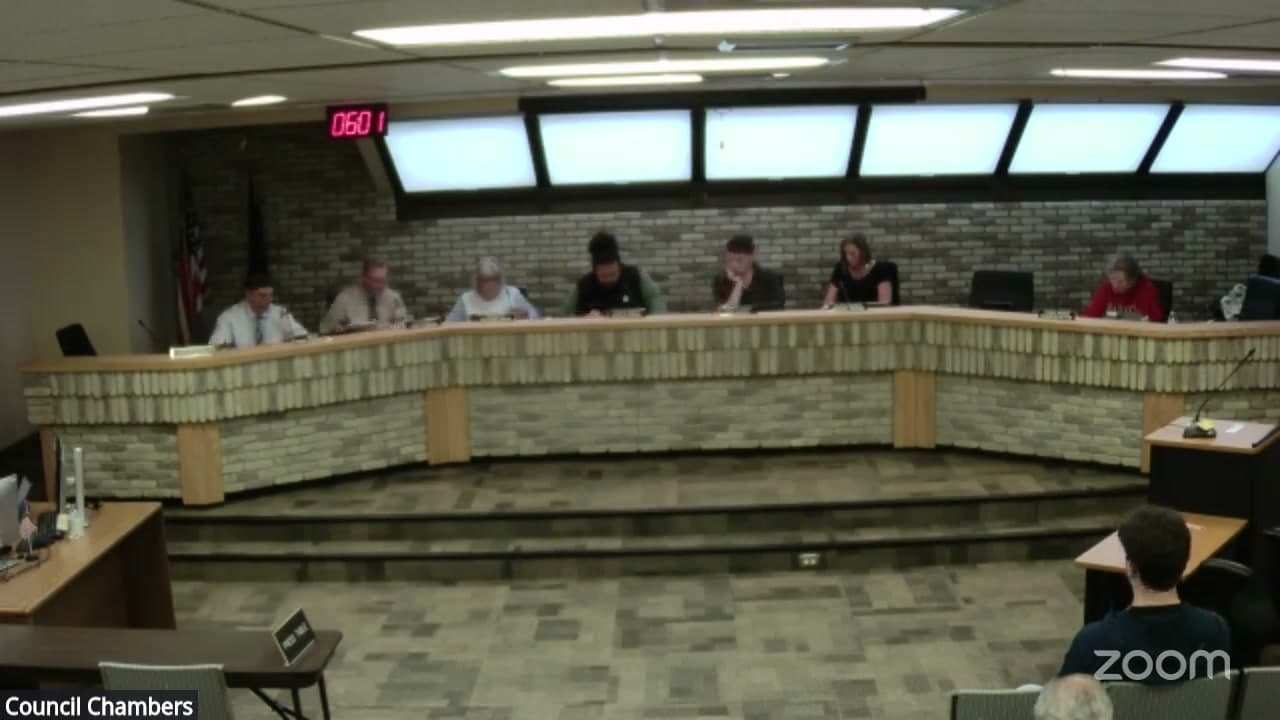
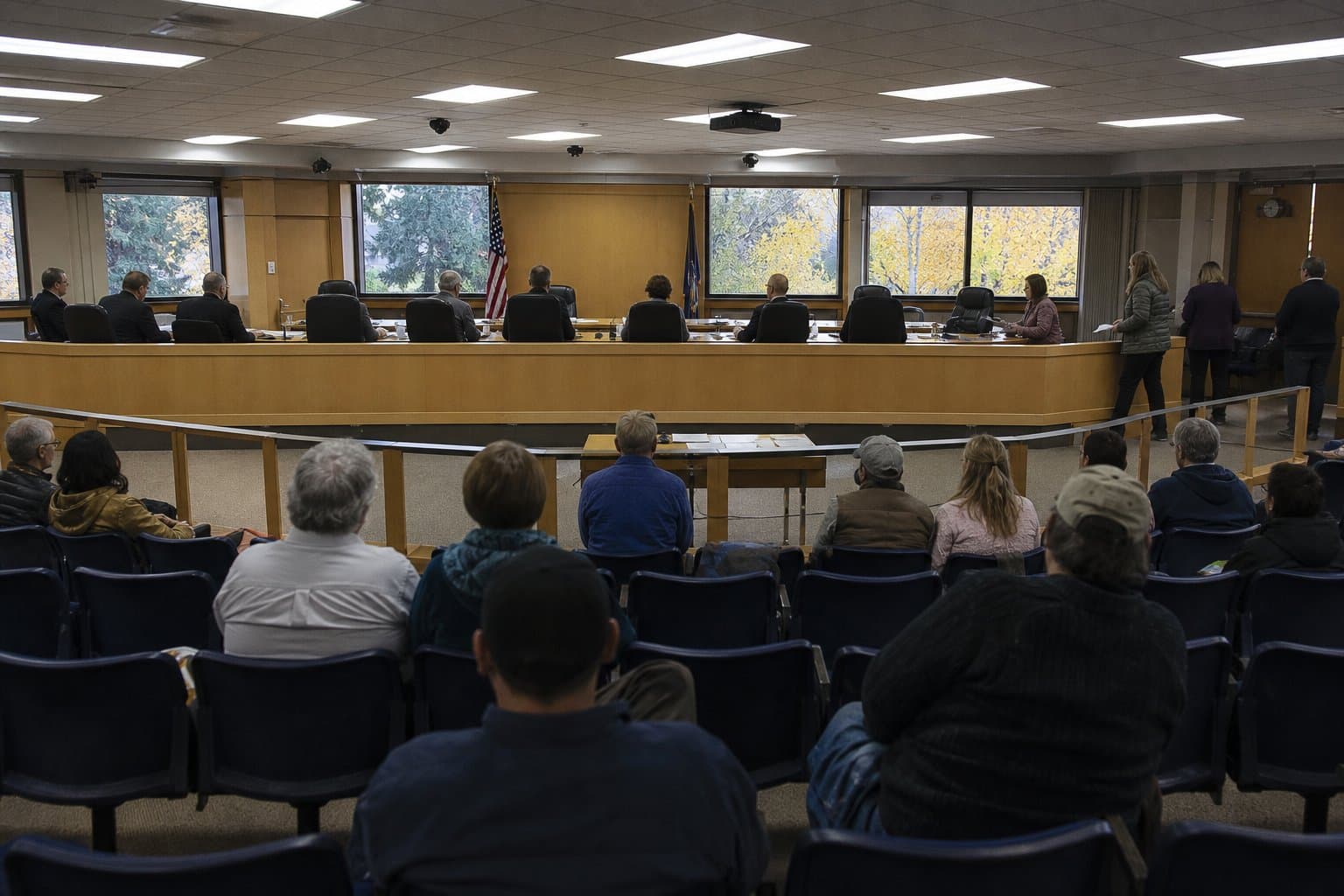
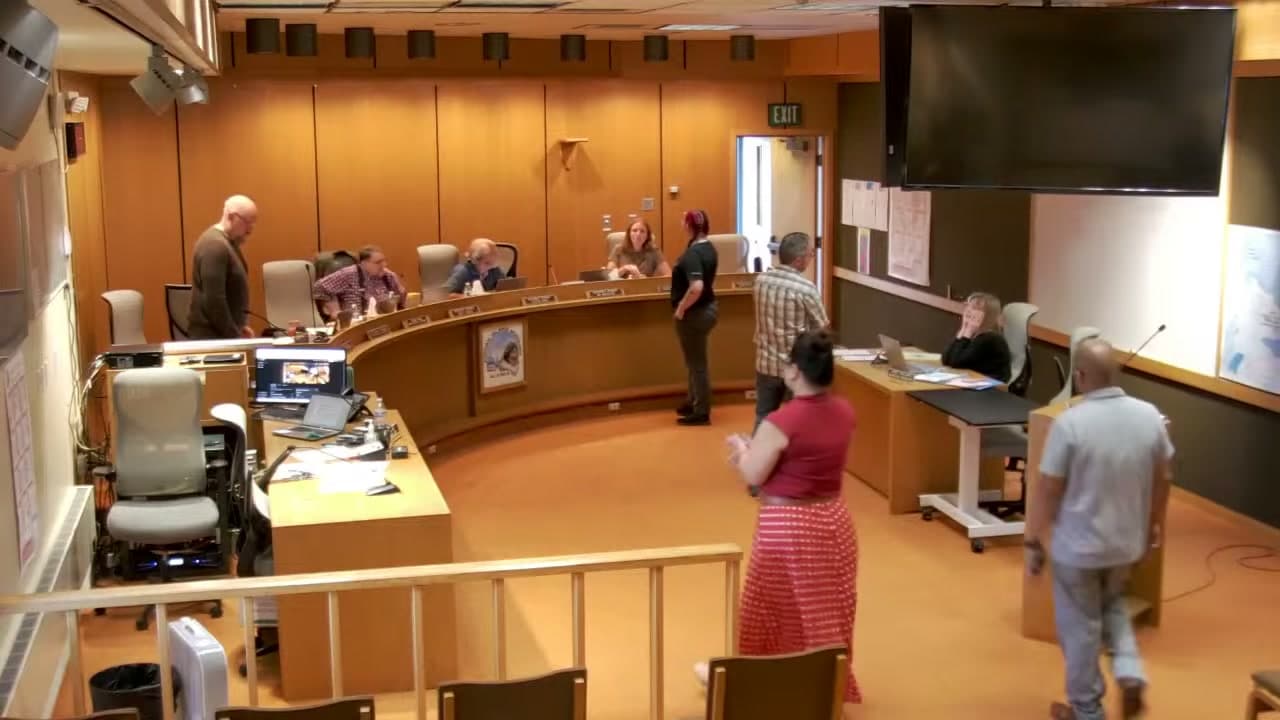
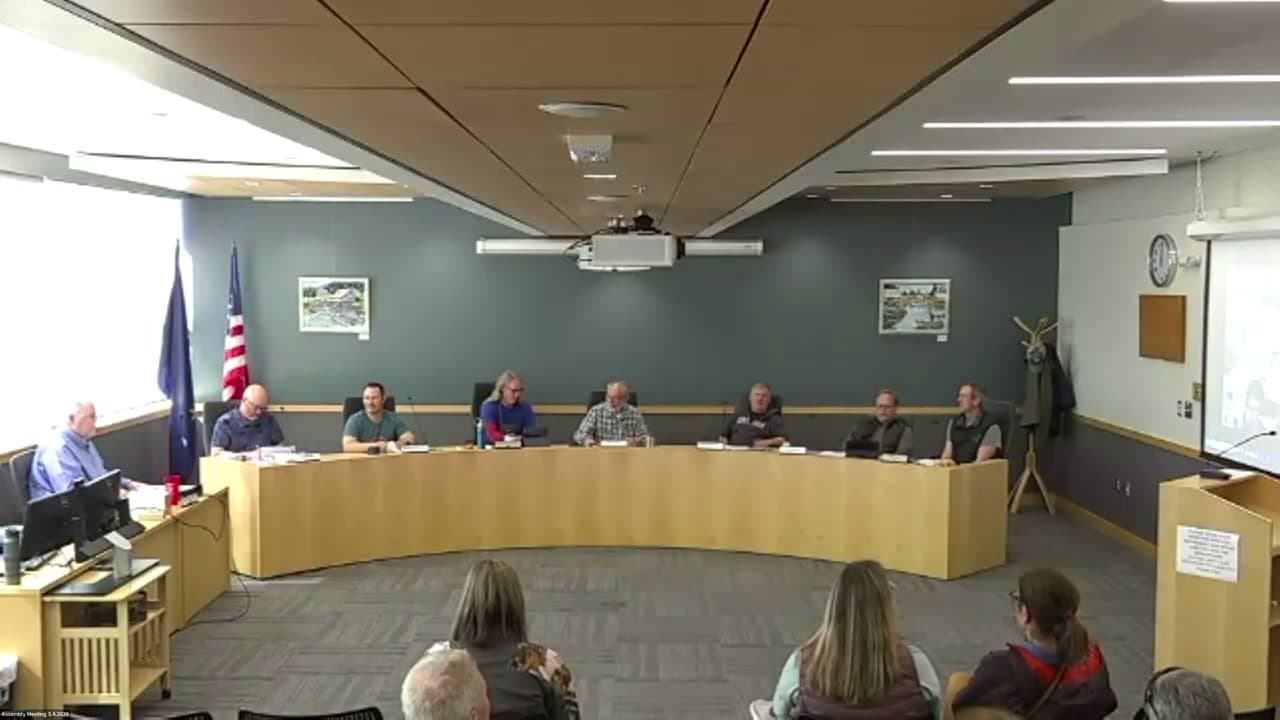
Three weeks later, the Kenai Peninsula Borough Assembly voted 7-0 to ask the Legislature and the governor to ban weather modification statewide — or, failing that, to require permits with civil or criminal penalties behind them. The request passed inside the consent agenda, the block of items the borough's own agenda note describes as "routine and non-controversial."
What the record shows is that nobody currently has the authority to say no.
Four days before the vote, Alaska's environmental conservation commissioner, Randy Bates, wrote to Mayor Peter Micciche that his department had found nothing to act on. "DEC has not identified a violation or an adverse impact requiring action under its existing authorities. No DEC permit is currently required solely for conducting cloud-seeding activities, and Alaska does not have a regulatory framework specific to weather modification." And the department can't build one: "DEC cannot create a permitting requirement that does not exist in statute or regulation."
The borough can't either. "As a second-class borough, KPB does not have authority to fully regulate weather modification activities or airspace rights," the borough's legal department wrote. Its resolution concedes that banning the practice is "a state function."
Federal law does require advance notice — to the federal government. Anyone conducting weather modification in the United States has to file with NOAA at least ten days out, naming the sponsor and operator and mapping the target area. Those filings don't go to the municipalities underneath. The rules date to 1976.
Rainmaker Technology Corporation, based in El Segundo, contacted the state Department of Natural Resources before operating and received a letter of no objection, which Bates noted "was not a DEC environmental permit or authorization." Bates also wrote that the company "acknowledged to DEC that communication with state officials and legislators prior to its operations would have been appropriate and we agree."
The numbers in the state's letter all came from the company. Rainmaker reported that 19 flares dispersed roughly 374 grams of silver iodide, producing a modeled average of about 57 acre-feet of additional precipitation — which the company also expressed as 19 million gallons, and as about 0.01 inches spread across the area analyzed. Bates cautioned against the gallons framing: it "represents the estimated total volume of additional precipitation distributed across the area analyzed, not 19 million gallons falling on a single location," and such figures "are modeled estimates and are not the same as a direct measurement of water collected at the ground."
The borough's own companion ordinance, introduced the same night, is narrower than the ban it asked the state for. It would require anyone seeking a commercial lease or land use permit on borough land to disclose chemicals, flare specifications, flight altitude and duration, and release coordinates, and it flatly bans weather modification on borough land open for casual use. Skipping the required closeout filing would cost $1,000 a day and a five-year bar from borough permits.
Whether that ordinance would have reached the Aug. 23 flights is unclear. Nothing in the record establishes that Rainmaker used borough land — the state's letter points to state, private and Native landholdings.
Rainmaker does not speak anywhere in the records the borough published. Its position appears secondhand, through the state's letter, and every technical claim traces to material the company provided. No resident, landowner, tribal representative or independent scientist appears in the file.
The ordinance is the one piece still open. Its public hearing is set for Oct. 20. The statewide ban now sits with the Legislature and the governor, and nothing in the record shows a response.
Made by our human newsroom with AI. Reviewed by Cale Green. How humans and AI work here · Grow with our newsroom
Get Alaska News in your inbox
Create your free account and get the day’s top stories around 6 each morning, in a few minutes’ read.
The day's top stories around 6 each morning. Unsubscribe in one click.
Source: Kenai Peninsula Borough, The Kenai borough asked the state to ban cloud seeding. The request passed on the consent agenda, in a block its own rules call routine and non-controversial..






Comments
Sign in to leave a comment.
No comments yet. Be the first to share your thoughts.