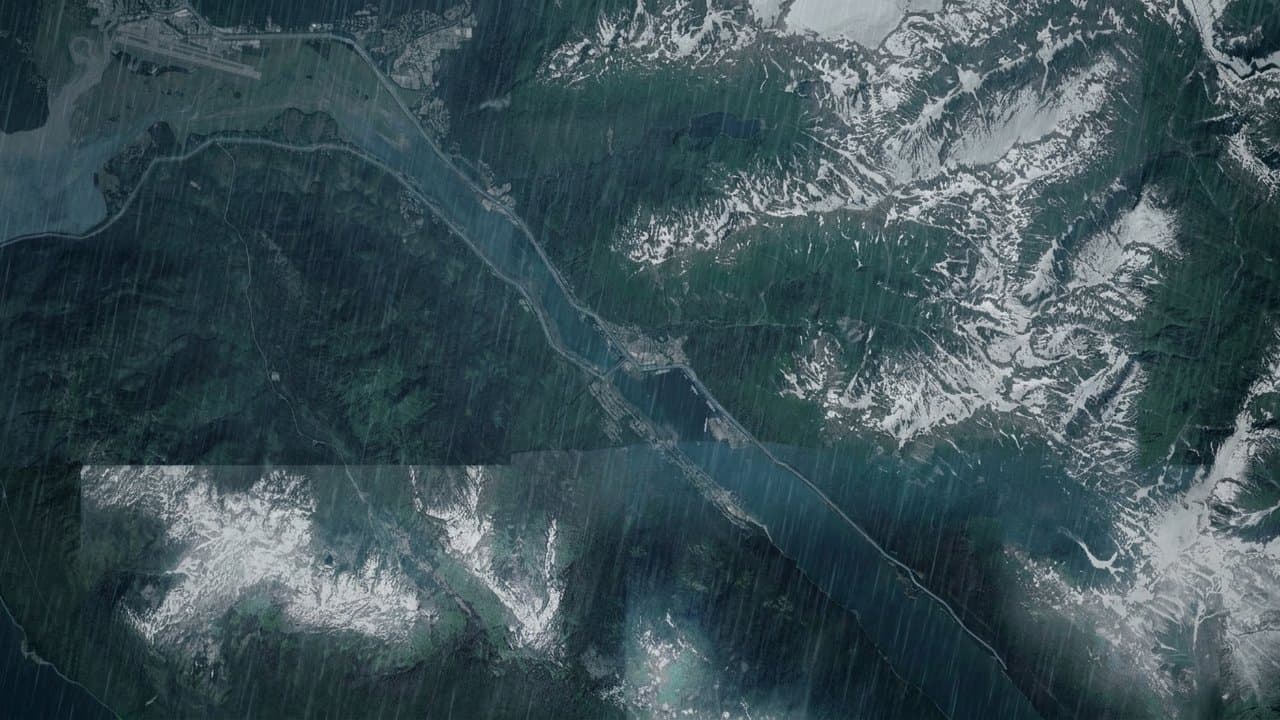
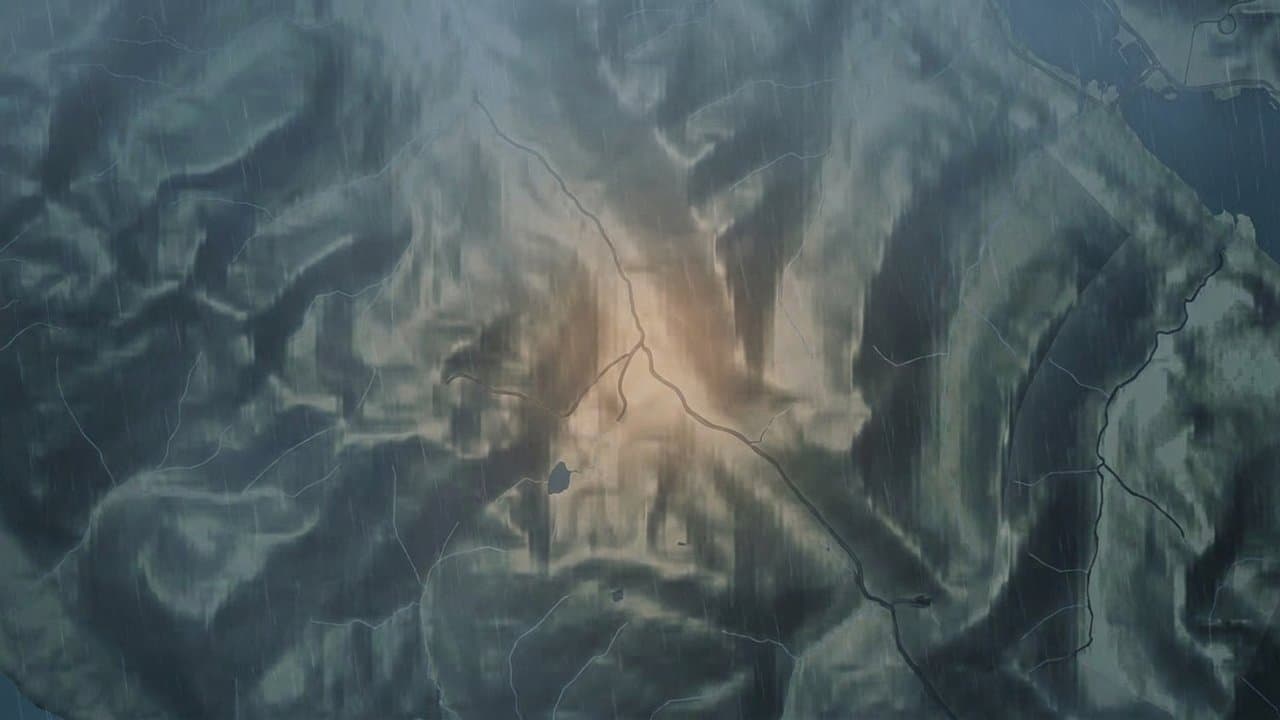
Editorial map (Gemini + Google Maps)
Juneau weighs extending flood emergency as residents describe the yearly toll
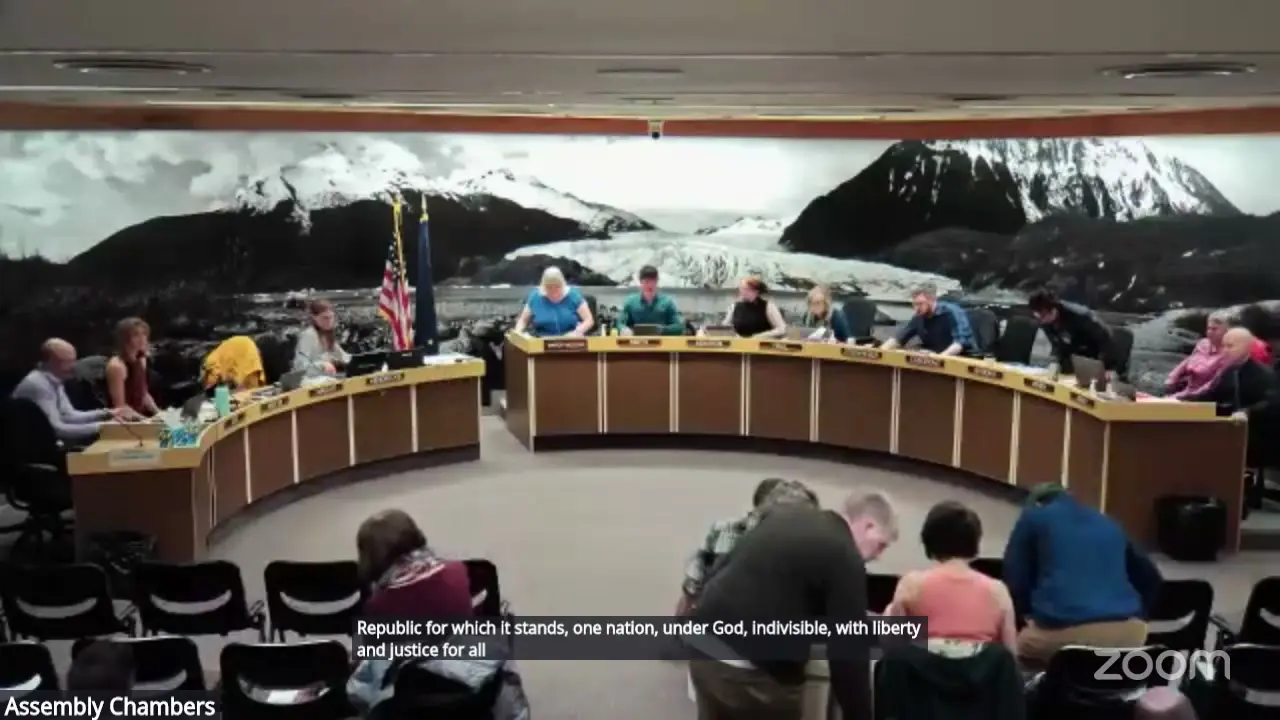
The Juneau Assembly takes up a resolution Monday that would extend the city's glacial flood emergency into next year, keeping alive a declaration that has been in place since the August 2024 flood.
Every summer since 2011, a lake that fills a side basin of the Mendenhall Glacier, Suicide Basin, also called Kʼóox Ḵaadí Basin, has burst out and sent a flood down the Mendenhall River. The 2024 flood reached 15.99 feet and flooded more than 300 homes. The 2025 flood set a new record at 16.65 feet.
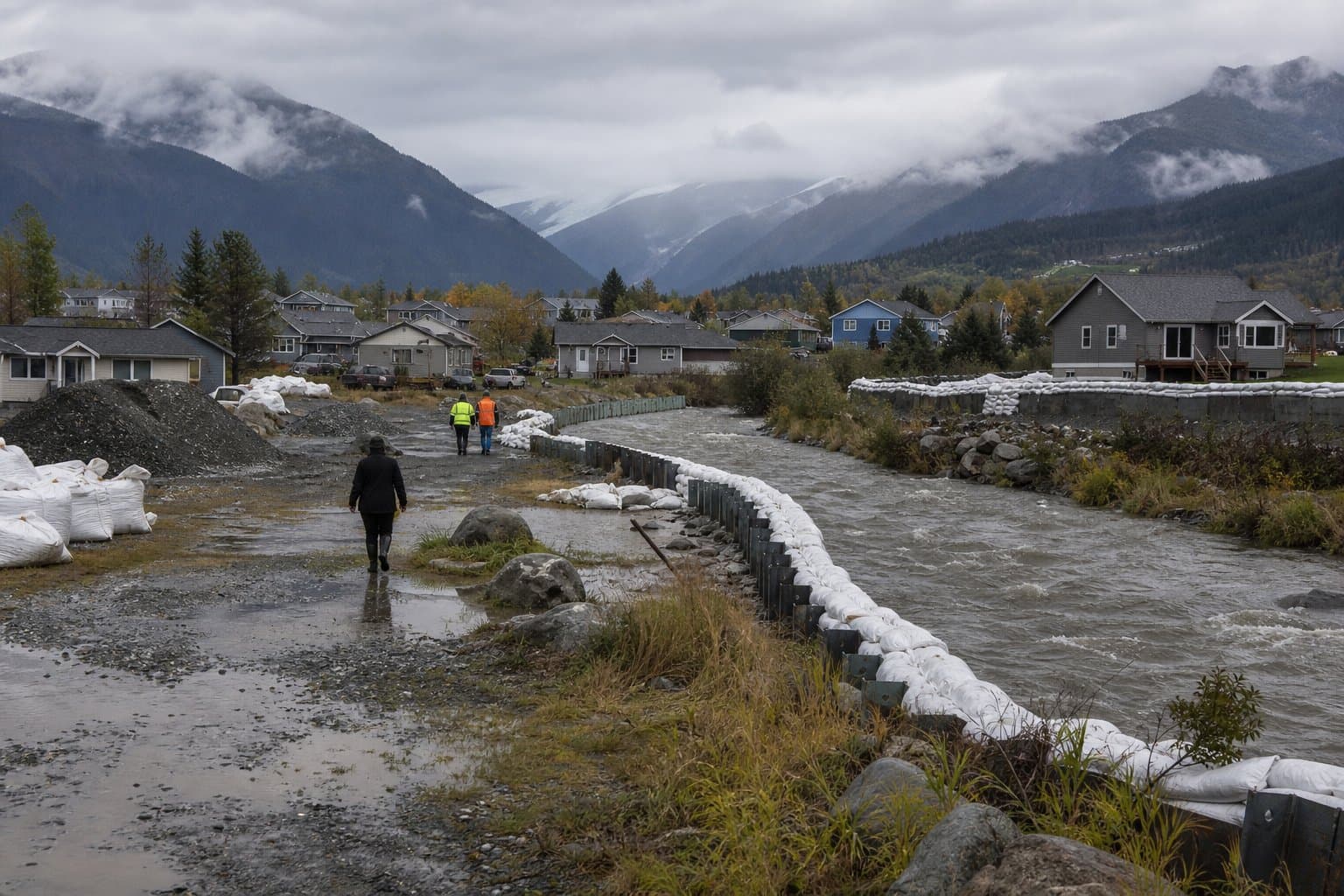
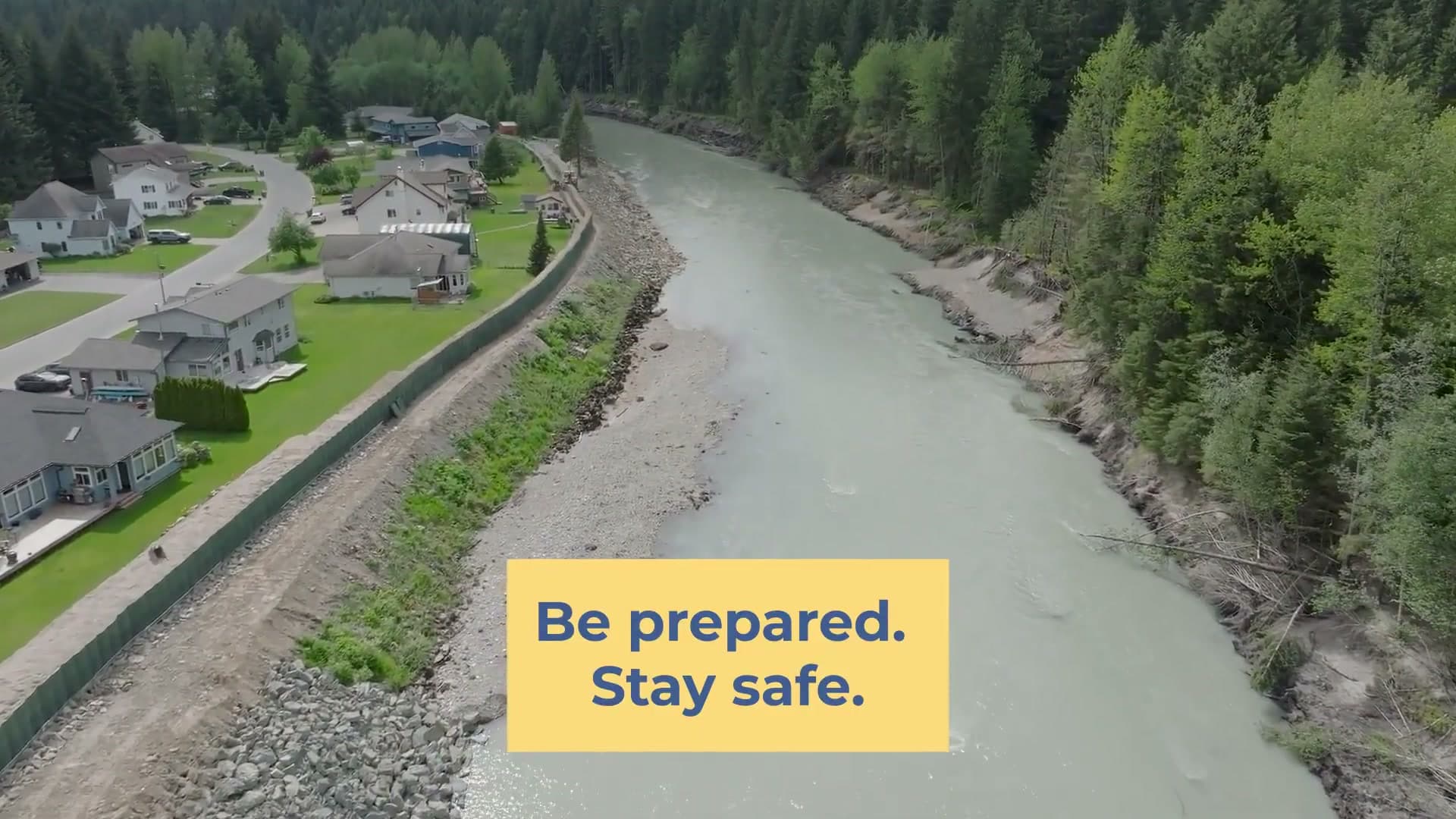
This year, the city's temporary barriers held. A resolution on Monday's agenda says they withstood both of the basin's 2026 releases, in August and again in October.
For some of the people living behind them, the yearly flood is still taking a toll. In a city debrief and survey this fall, Mendenhall Valley residents described anxiety, disrupted sleep and physical and emotional exhaustion, effects that for some "lasted weeks or months rather than only during the flood," according to a memo from Emergency Programs Manager Ryan O'Shaughnessy in Monday's packet. Some said they felt unable to leave town for weeks around the expected flood. Families described continuing fear from earlier floods, including effects on children, and some said they were considering leaving their homes or Juneau.
Others said they felt calmer this year, with stronger barriers, pumps, crews on the river and better information. But residents also called annual preparation and barriers in their yards "unsustainable indefinitely," and a long-term solution was a recurring priority. Some felt public statements celebrating the city's flood-protection success didn't acknowledge people still dealing with damage and cleanup.
The memo reflects about 20 people at a Sept. 16 public meeting and 88 survey responses, not necessarily the whole community, it says.
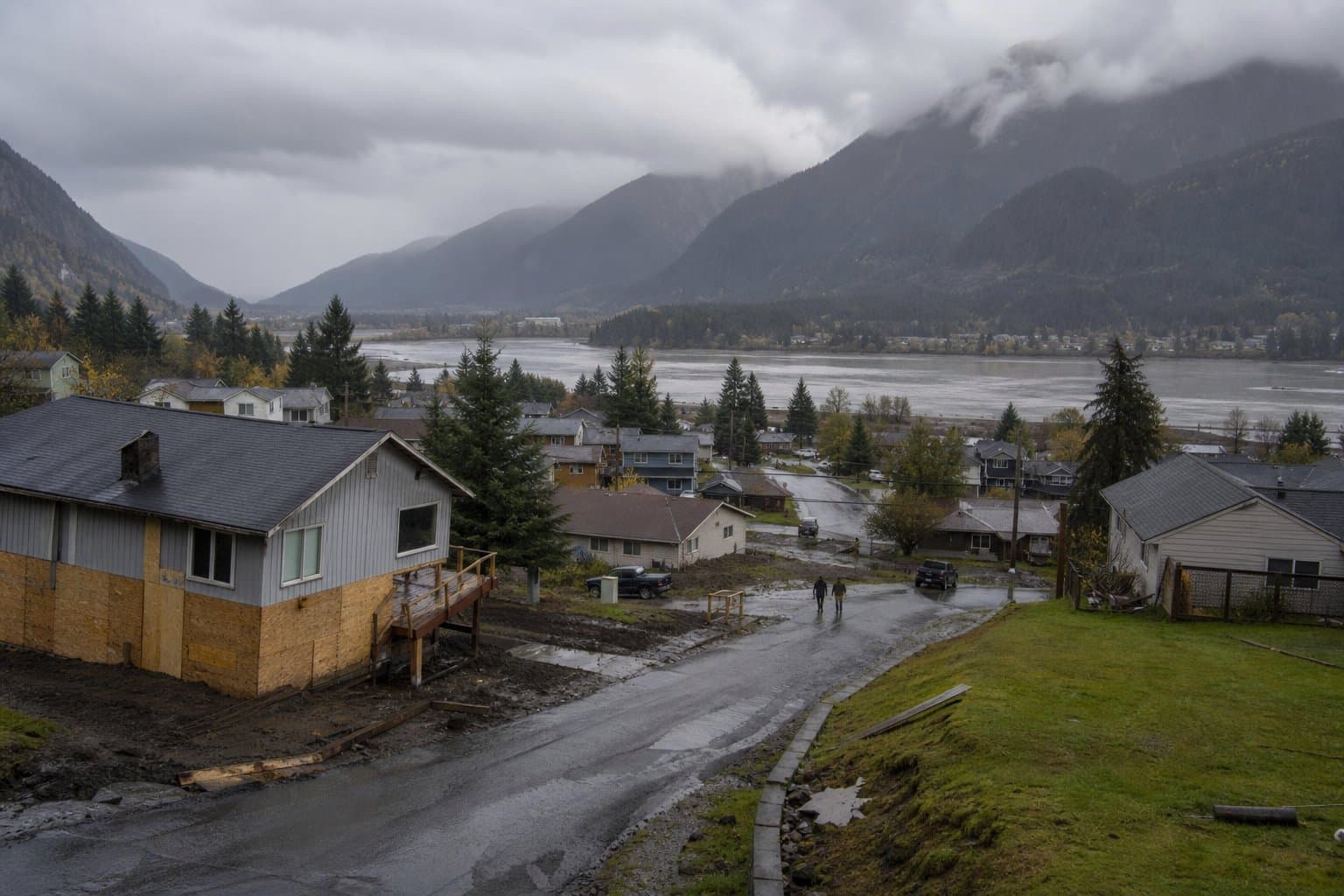
This year's main flood came Aug. 13 and crested at 14.7 feet, nearly two feet below the 2025 record. It damaged 12 of the 186 homes the city assessed, mostly on Meander Bend and View Drive, the same streets hit in 2025. O'Shaughnessy credited the barriers and pumps, but also a slow release and a river running low after a dry summer. Residents also noted that lower water, favorable weather and a daytime crest helped. A second release Oct. 2 peaked at 10.18 feet.
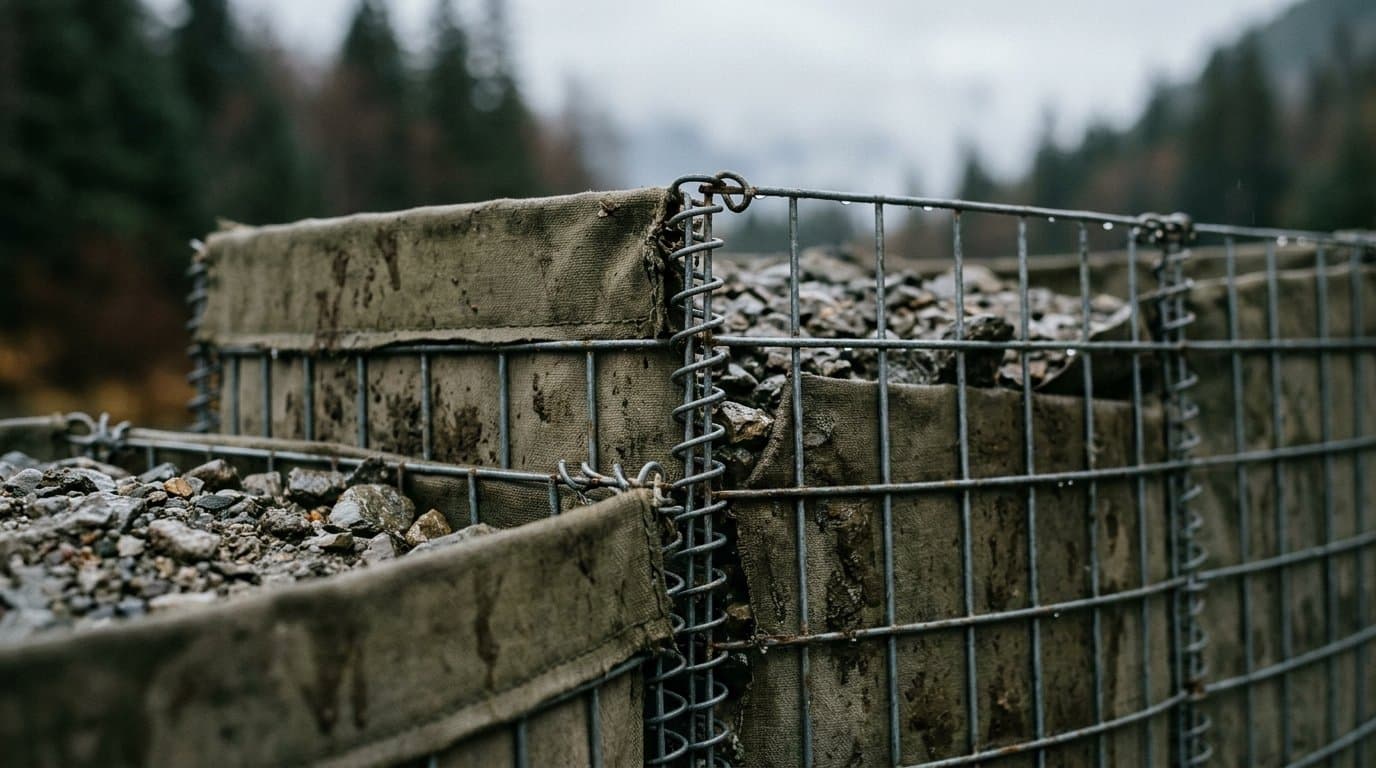
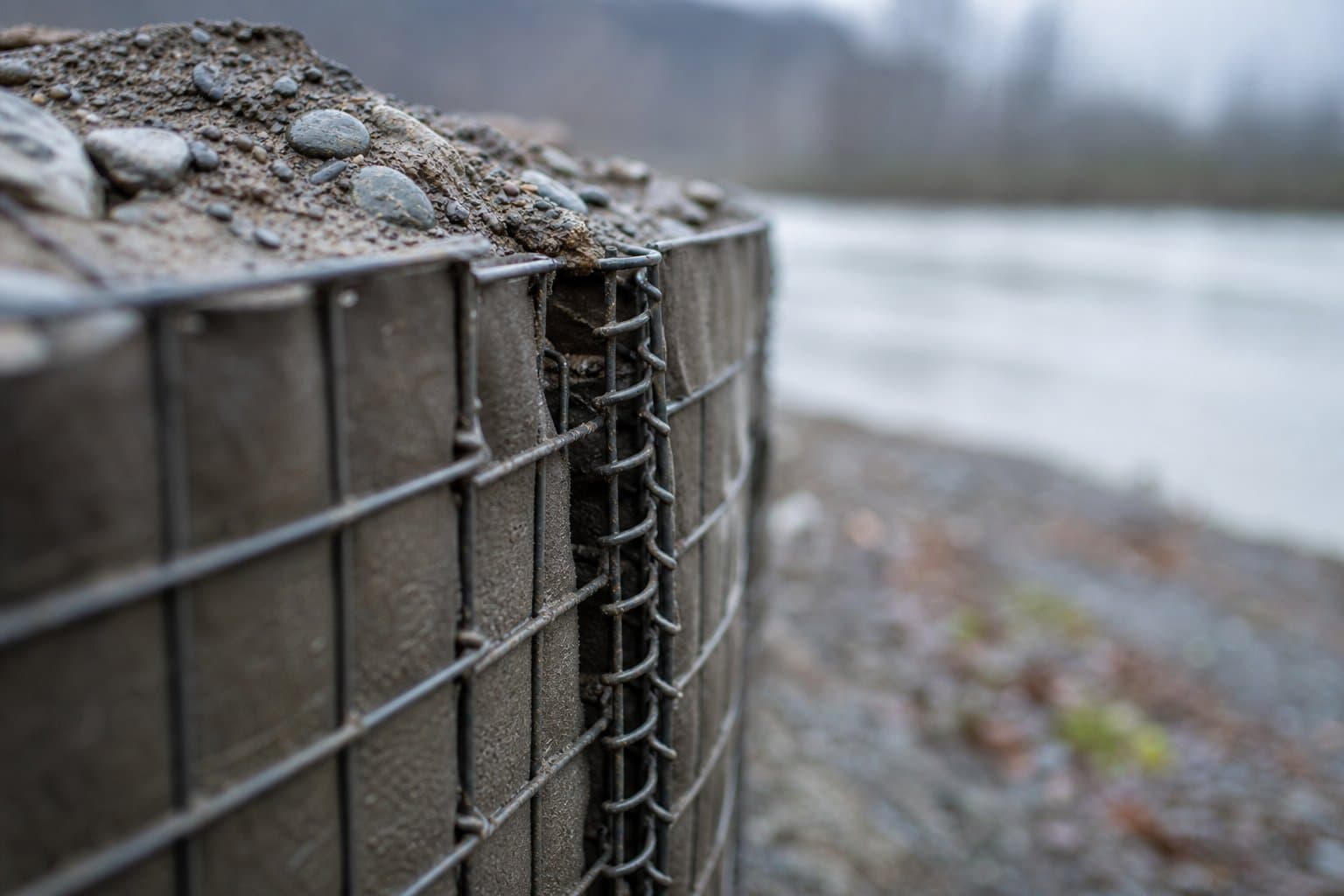
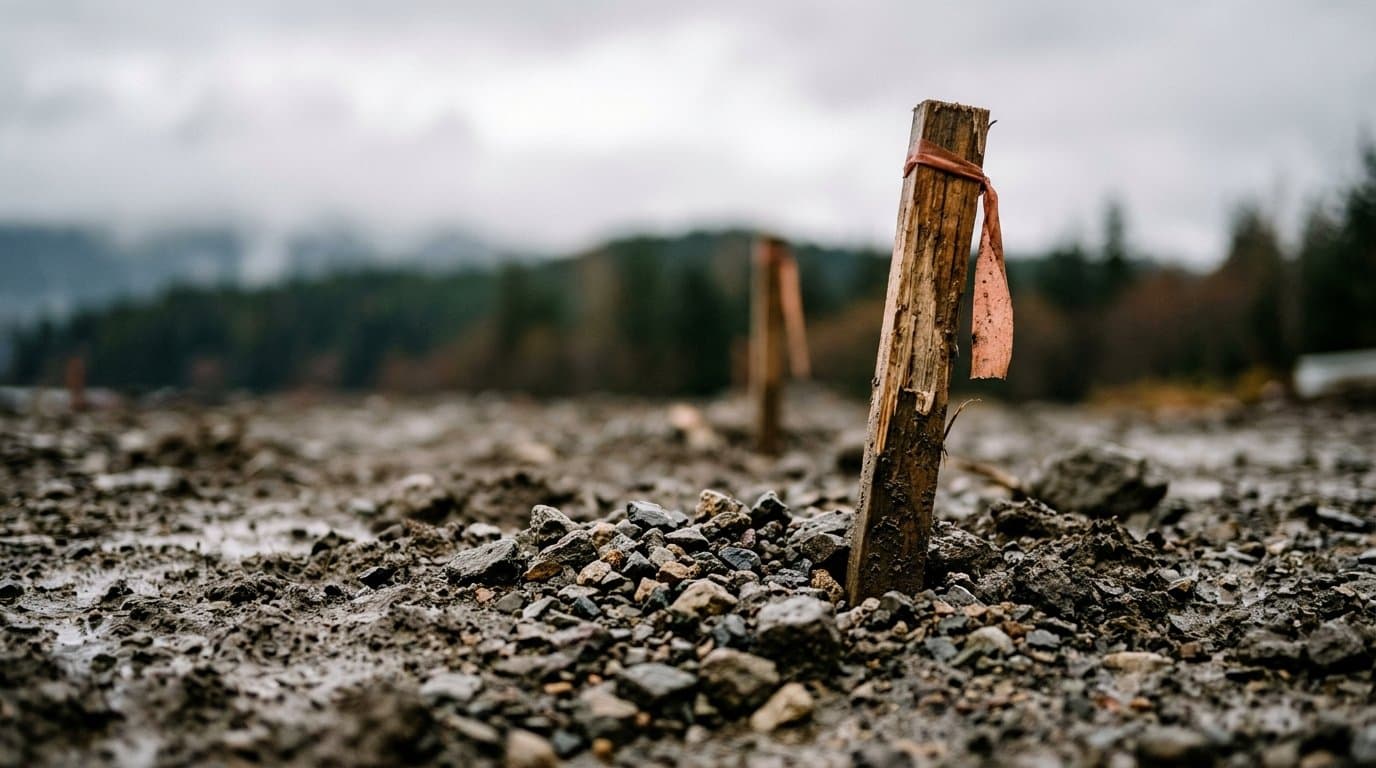
The barriers, wire-and-fabric baskets filled with sand and gravel, are temporary. They were built for a flood of up to 63,500 cubic feet per second. The Army Corps of Engineers' most likely worst case is 90,000, which would reach 2,067 homes, in an area where structures are assessed at about $1.5 billion.
City officials now expect keeping them up to cost more than their earlier estimate of $6 million to $10 million a year. Falling trees are the likeliest way a barrier could fail, O'Shaughnessy told the Assembly in August. Juneau has set aside about $4 million toward a $12.9 million state loan that paid for its share.
In the same valley, Montana Creek spilled over its Montana Creek Road crossing at least three times between September and mid-October, most recently Oct. 16. The El Niño building in the Pacific could become the strongest on record. Its usual pattern in Alaska is a warmer, stormier fall, and forecasters expect a warmer-than-normal winter for much of the state.
The engineering fix Juneau needs could cost more than $600 million. The Corps hopes to start building a mid-term fix as early as the end of 2027; a permanent solution is seven to 10 years out. Juneau wants the federal government to cover 90% of it. Because the Corps doesn't expect even a rough cost estimate until spring or summer 2027, a local bond vote couldn't reach Juneau voters before October 2027, the city manager has said.
Three Assembly members have said the local share should be paid by the whole borough, not just the valley homeowners it would protect, citing commercial and public infrastructure the whole town relies on and Juneau's housing shortage.
The resolution renews the emergency for 180 days after adoption. It asks the governor for continued state help, lets the city manager issue emergency orders to protect residents and names Tlingit & Haida, the Army Corps, the National Weather Service, the U.S. Geological Survey and the University of Alaska Southeast as partners in planning for the 2027 floods. It sits on the consent agenda, where items pass together unless a member of the public or the Assembly asks to pull one. The Assembly declared the current emergency in June the same way, without debate.
What did you make of this story? (no account needed)
Made by our human newsroom with AI. Reviewed by Cale Green. How humans and AI work here · Grow with our newsroom ·
Get Alaska News in your inbox
Create your free account and get the day’s top stories around 6 each morning, in a few minutes’ read.
Top stories, around 6 each morning.
Stories on what you follow, on Sundays.
Source: City and Borough of Juneau.



Comments
Sign in to leave a comment.
No comments yet. Be the first to share your thoughts.