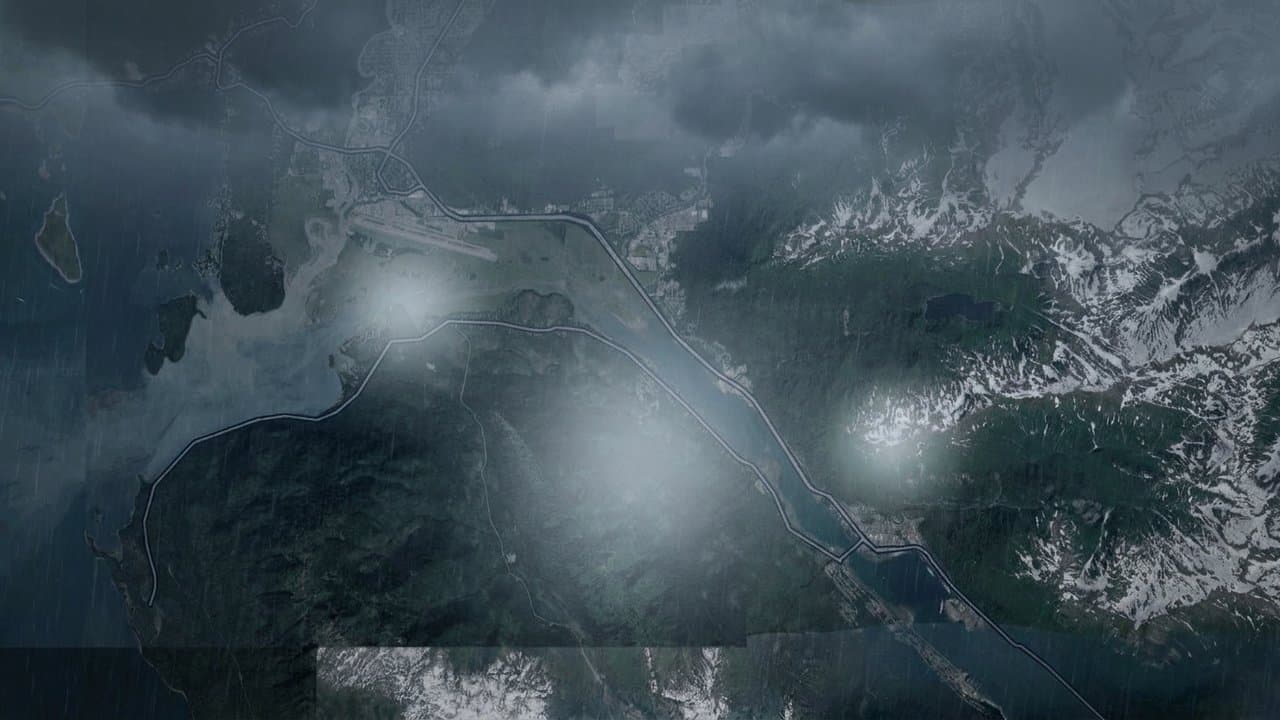
AI image
Juneau's glacial flood bond vote would not reach voters until October 2027
Juneau voters won't be asked to borrow money for permanent glacial flood protection until October 2027 at the earliest. The reason, City Manager Katie Koester wrote in a memo for Monday's Assembly Committee of the Whole, is that the Army Corps of Engineers won't have even a rough cost estimate for its proposed emergency water conveyance until spring or summer of 2027 — and that's the best case.
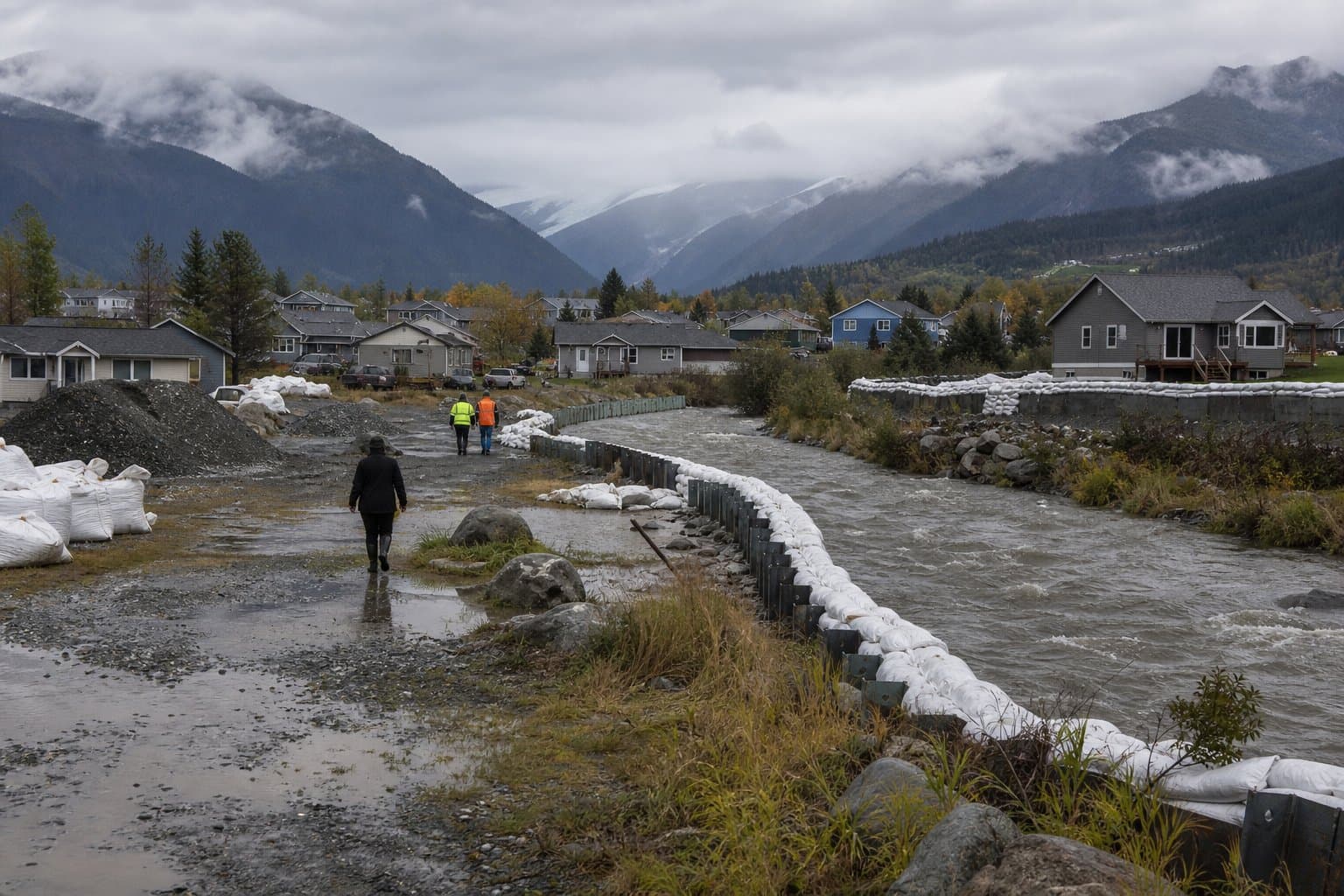
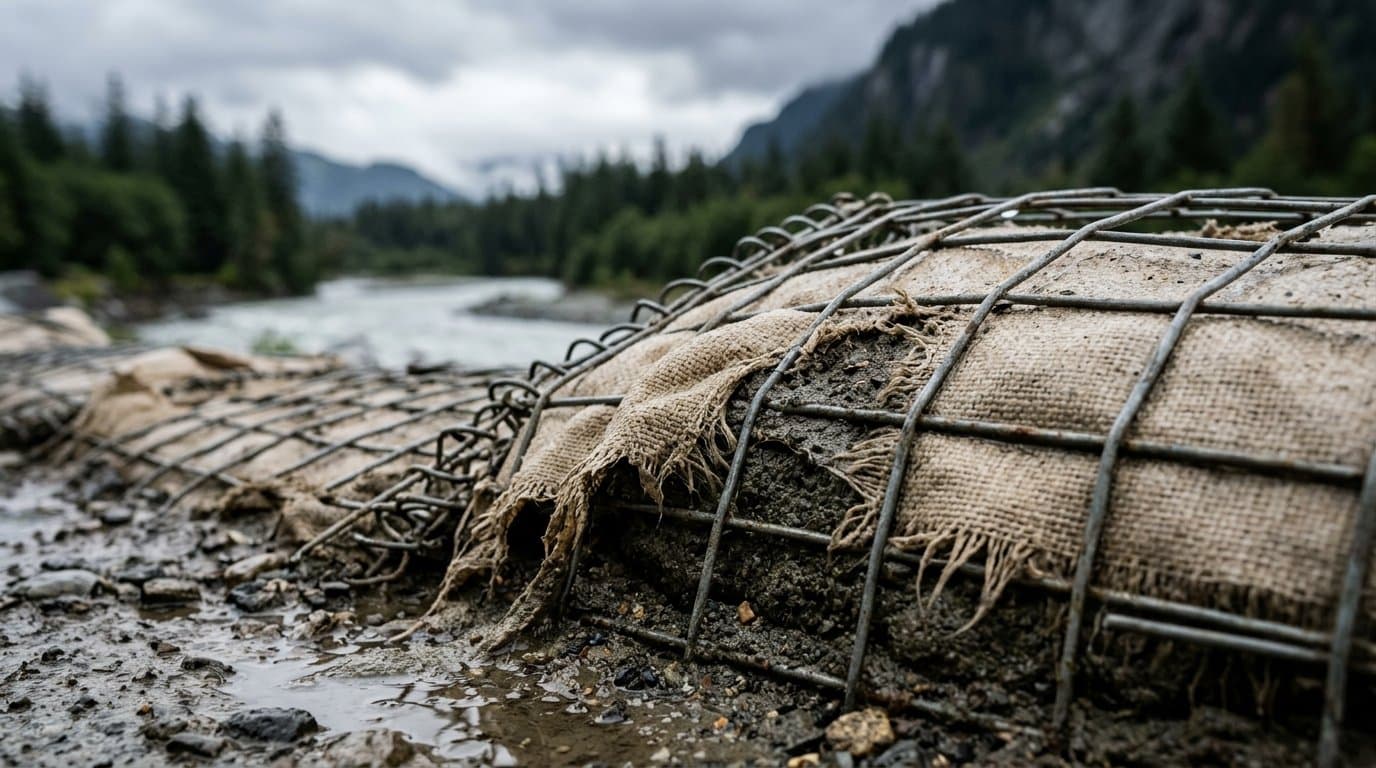
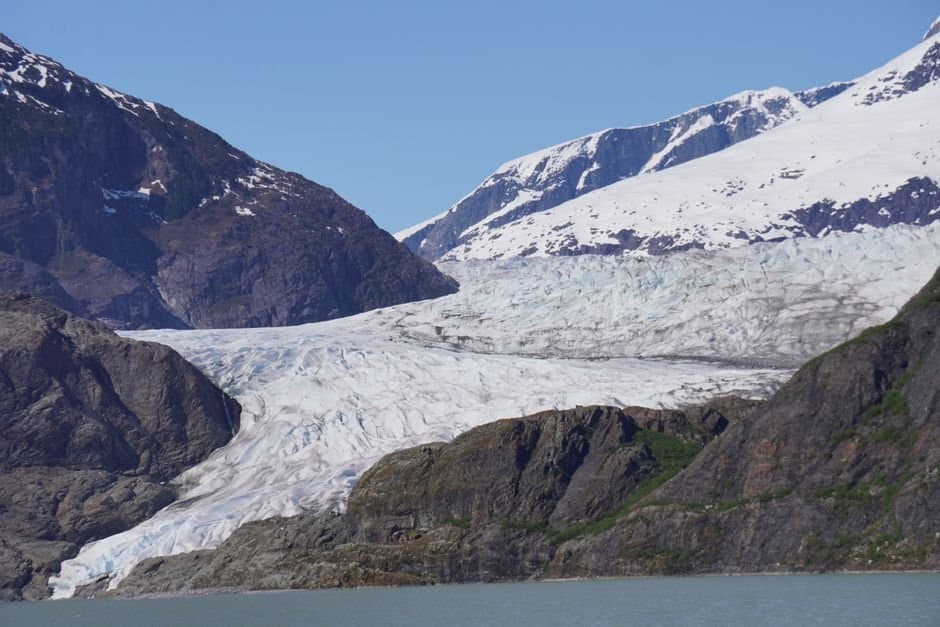
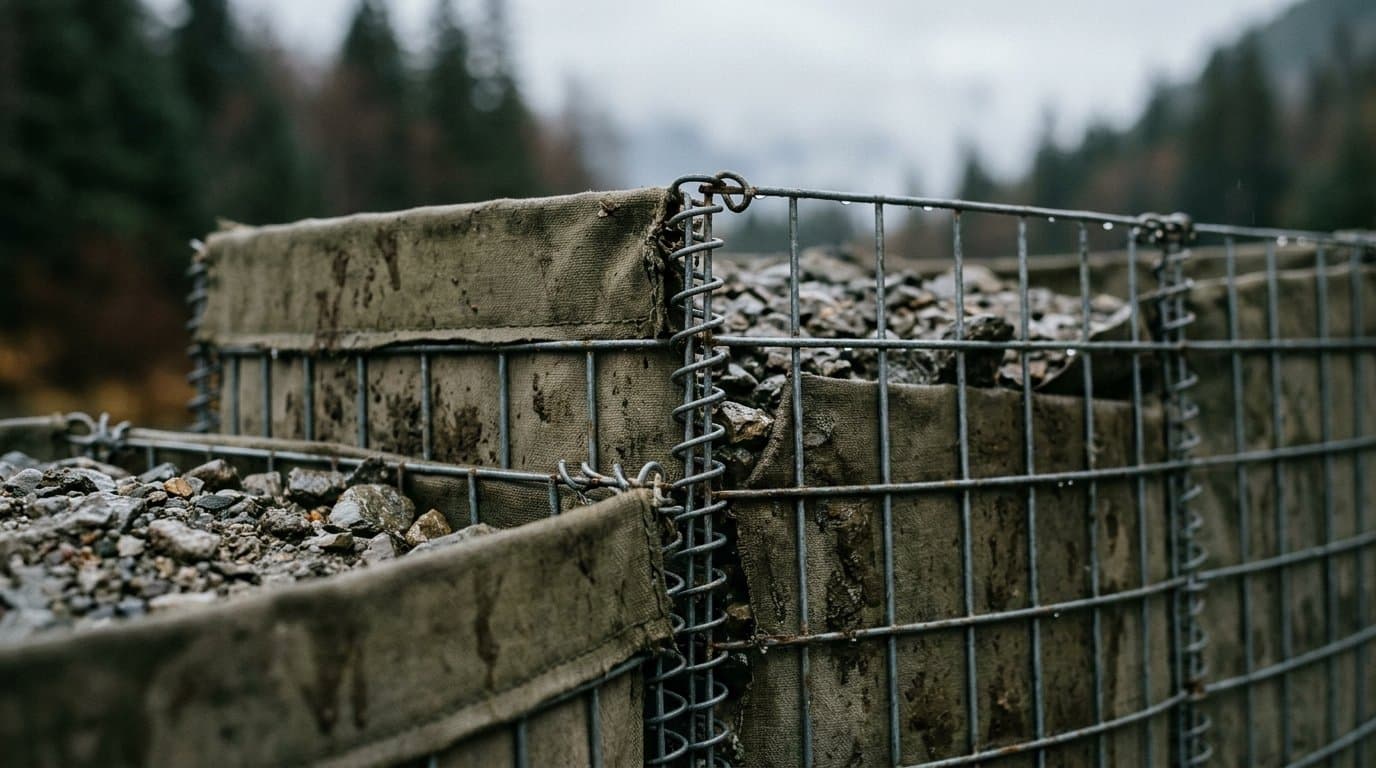
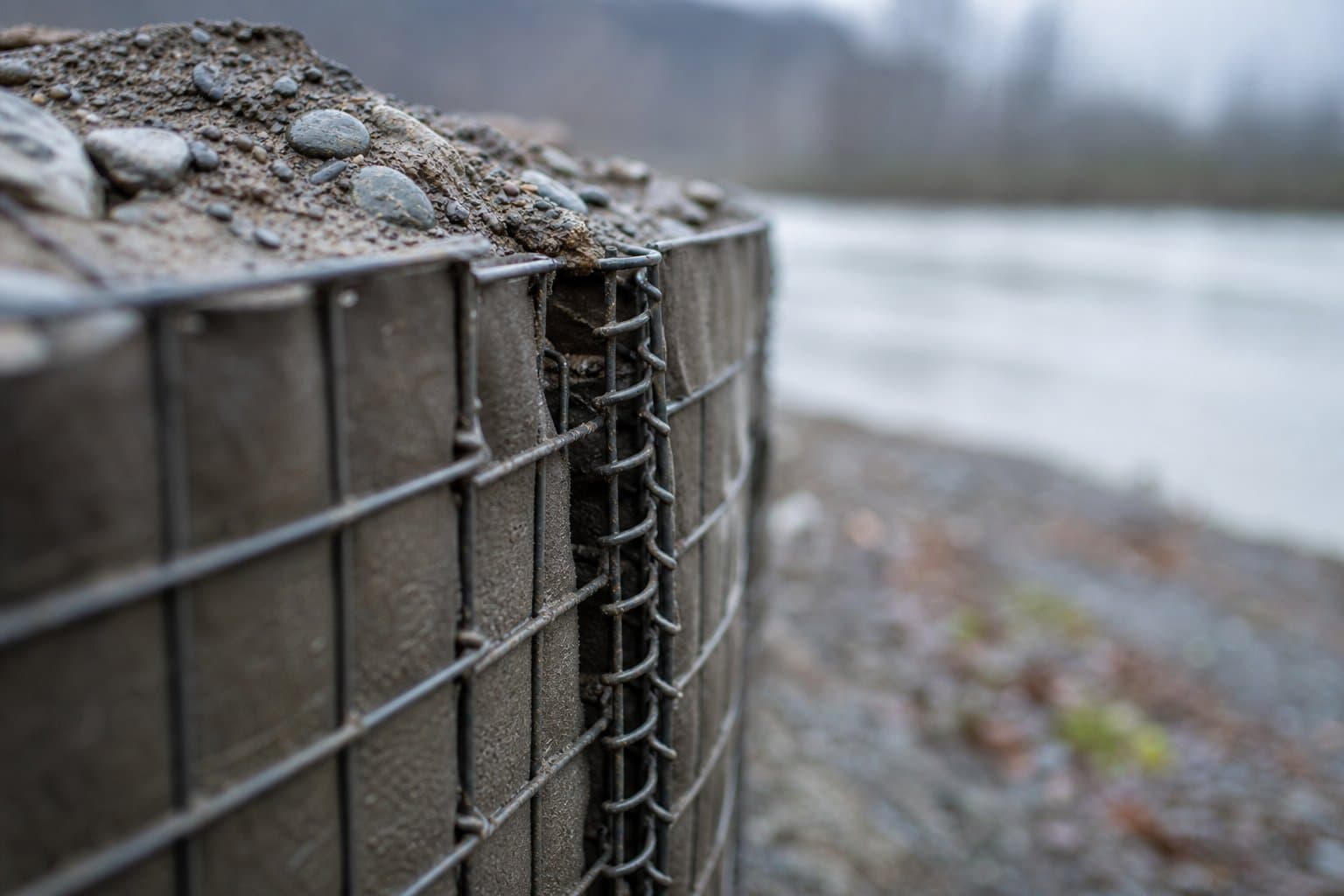
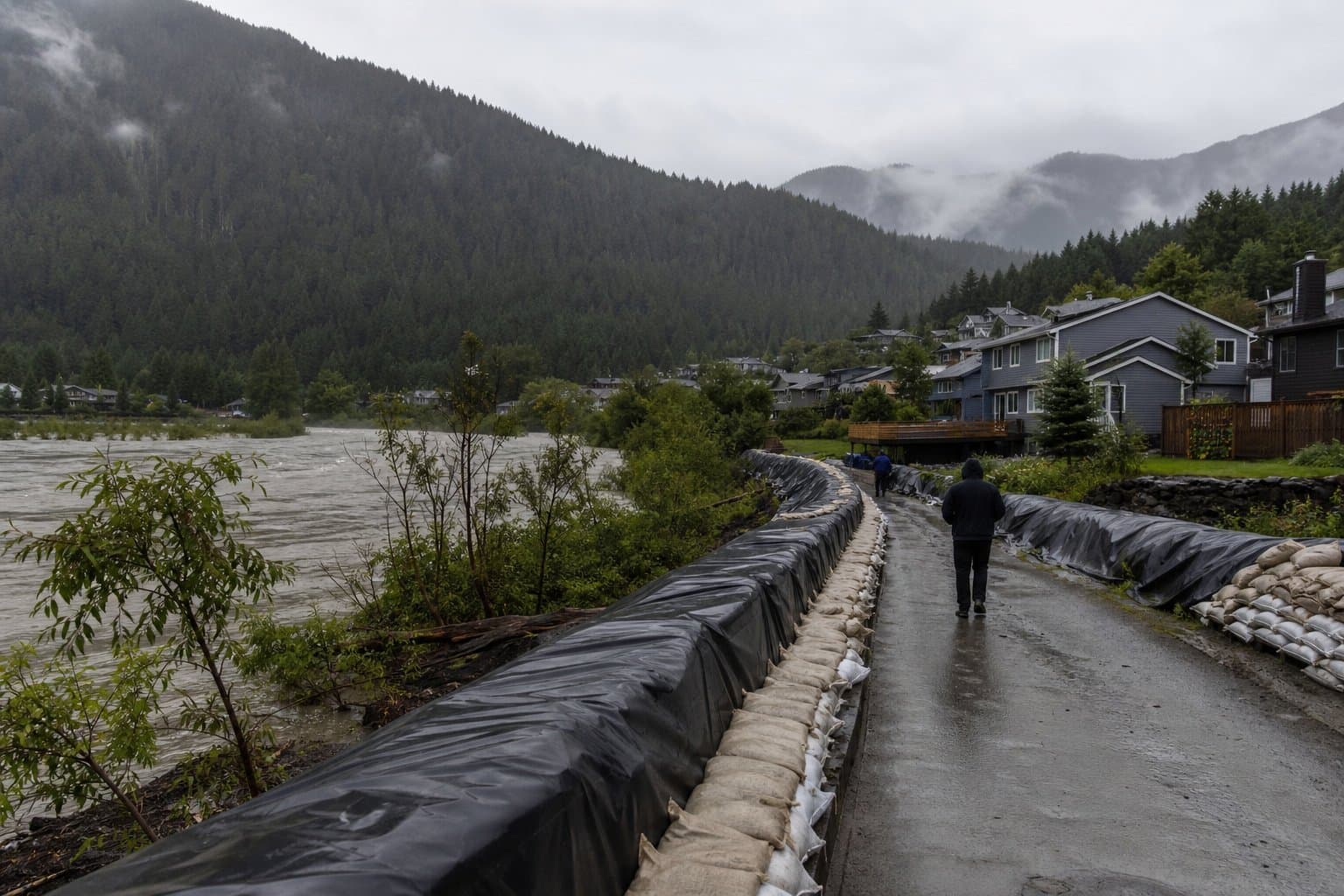
The 2024 outburst flood from Suicide Basin damaged about 290 homes in the Mendenhall Valley. Last year's flood crested higher, but temporary sand-filled barriers held back most of it.
Those barriers were built for a flood of up to 63,500 cubic feet per second, a zone containing about 1,456 structures assessed at $840 million. The Corps' most likely worst case is 90,000 cfs. At that level, flooding would reach 3,001 parcels, including 2,067 homes, with structures assessed at $1.5 billion.
A three-member Assembly working group — Hall, Brooks and Steininger — met Sept. 8 to take up how to pay for a permanent fix. Its conclusions are a starting point for the full Assembly, not decisions. "There was consensus that any local match should be borne by the entire borough, and not a service area of projected homes," Koester wrote, citing the commercial and public infrastructure the whole community relies on and warning that losing valley homes would deepen Juneau's housing shortage.
That would be a departure from how the temporary barriers were paid for, which partly assessed benefiting property owners — 117 of 466 formally objected.
The group held off on creating a flood control district and on compensating riverfront owners whose land hosts the barriers until the construction timeline is clearer. Members did agree the barrier footprint is the fairest basis for compensation, with little appetite for eminent domain.
Juneau has already committed $400,000 to mitigation planning and $3 million as its local match for the Corps' formal study of permanent solutions. The city is pushing for a 90/10 federal cost share in the national water resources bill, and asking the state whether the project qualifies for its revolving loan fund. The working group also asked for debt service schedules on a range of borrowing amounts, noting that the October municipal election will shape how much room the Assembly has.
The committee meets at 6 pm Monday. The worksession takes no public testimony.
What did you make of this story? (no account needed)
Made by our human newsroom with AI. Reviewed by Cale Green. How humans and AI work here · Grow with our newsroom ·
Get Alaska News in your inbox
Create your free account and get the day’s top stories around 6 each morning, in a few minutes’ read.
The day's top stories around 6 each morning. Unsubscribe in one click.
Source: City and Borough of Juneau.



Comments
Sign in to leave a comment.
No comments yet. Be the first to share your thoughts.