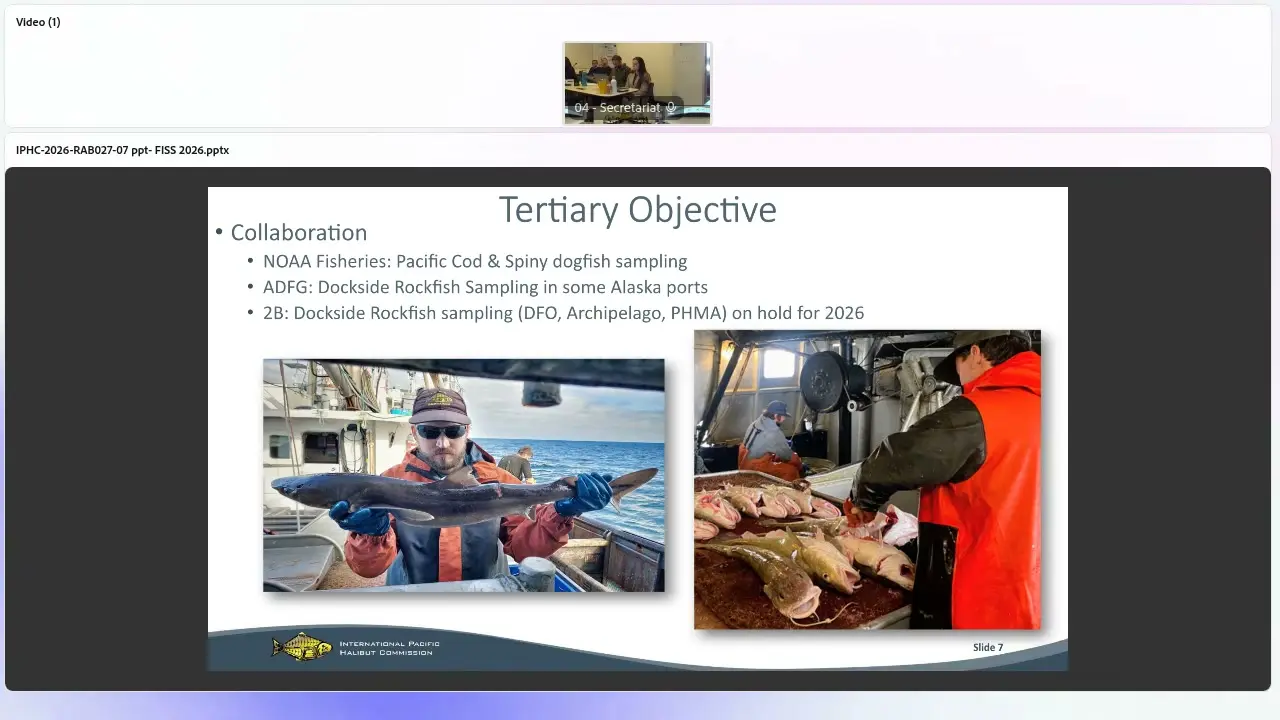
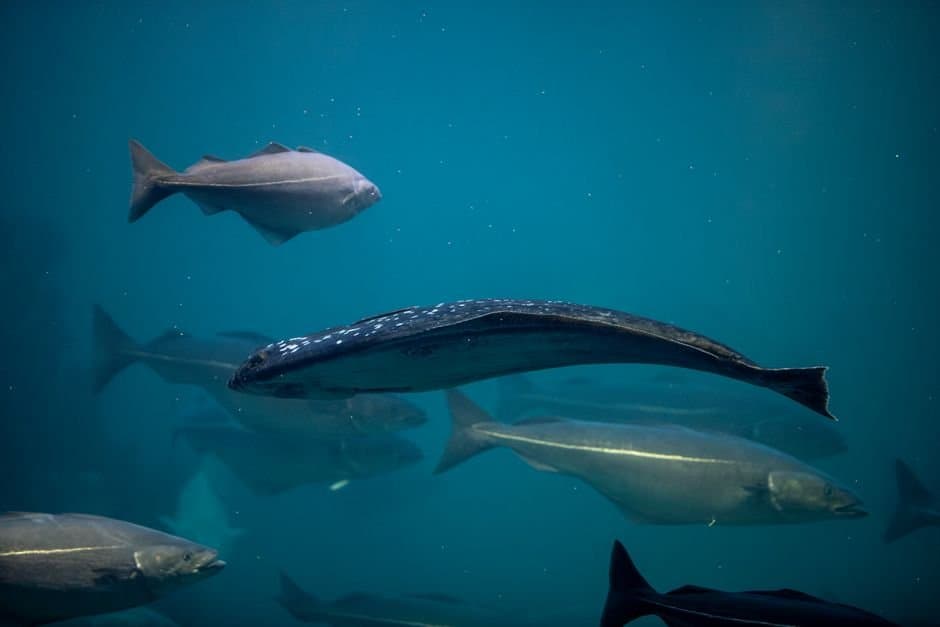
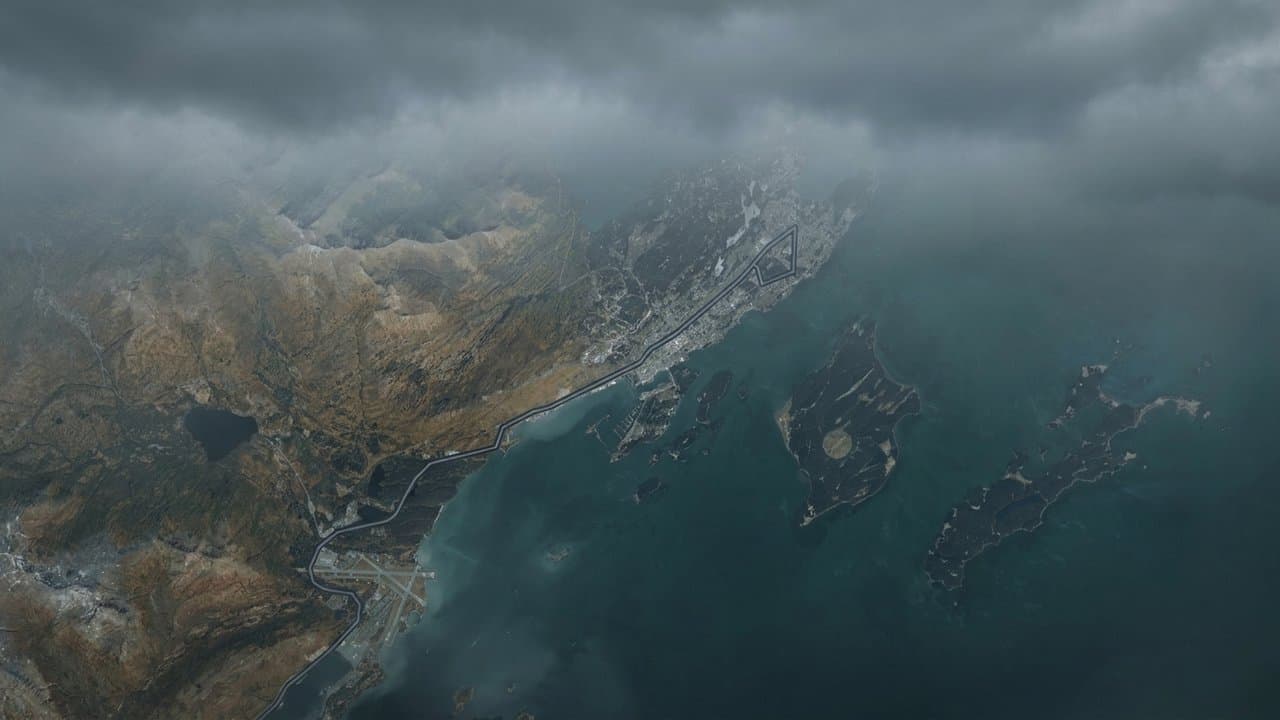
Frame from "27th Session of the IPHC Research Advisory Board Day 1, part 2" · Photo source
Halibut commission staff ask advisers to help redesign sand flea logbook reporting
International Pacific Halibut Commission staff on Tuesday asked the commission's Research Advisory Board to help redesign a voluntary sand flea reporting trial in commercial halibut logbooks, after the first season of reports came back too sparse and too inconsistent to support the planned analysis.
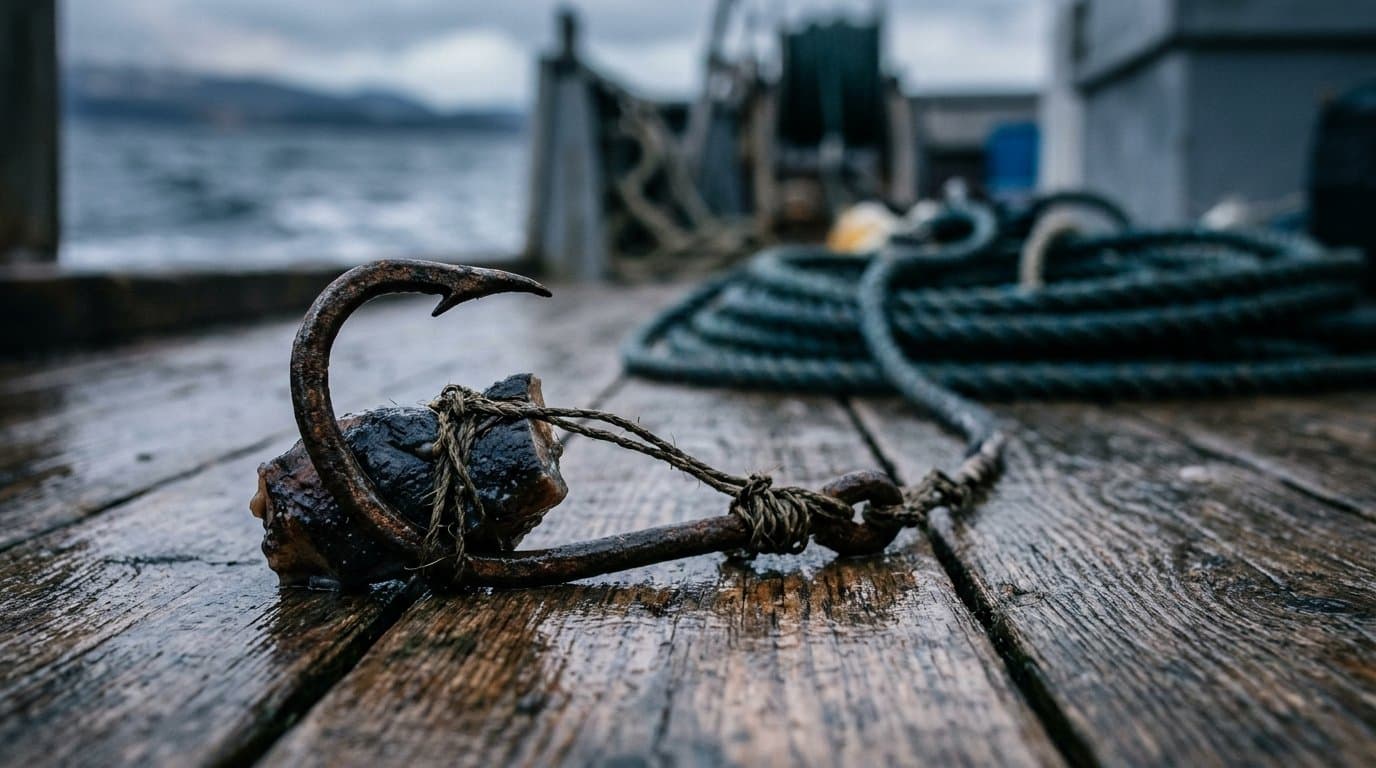
The board, which met in Seattle, had asked the commission's staff to increase documentation of sand fleas during commercial fishing by encouraging vessels to report them in logbooks. Basia Hutniczak, the commission scientist who presented the work, described sand fleas as scavengers, saying "the damage they cause is lowering the value and makes fish often unmarketable." The commission wants the data partly to improve mortality estimates, including in the stock assessment, its yearly estimate of how many halibut there are.
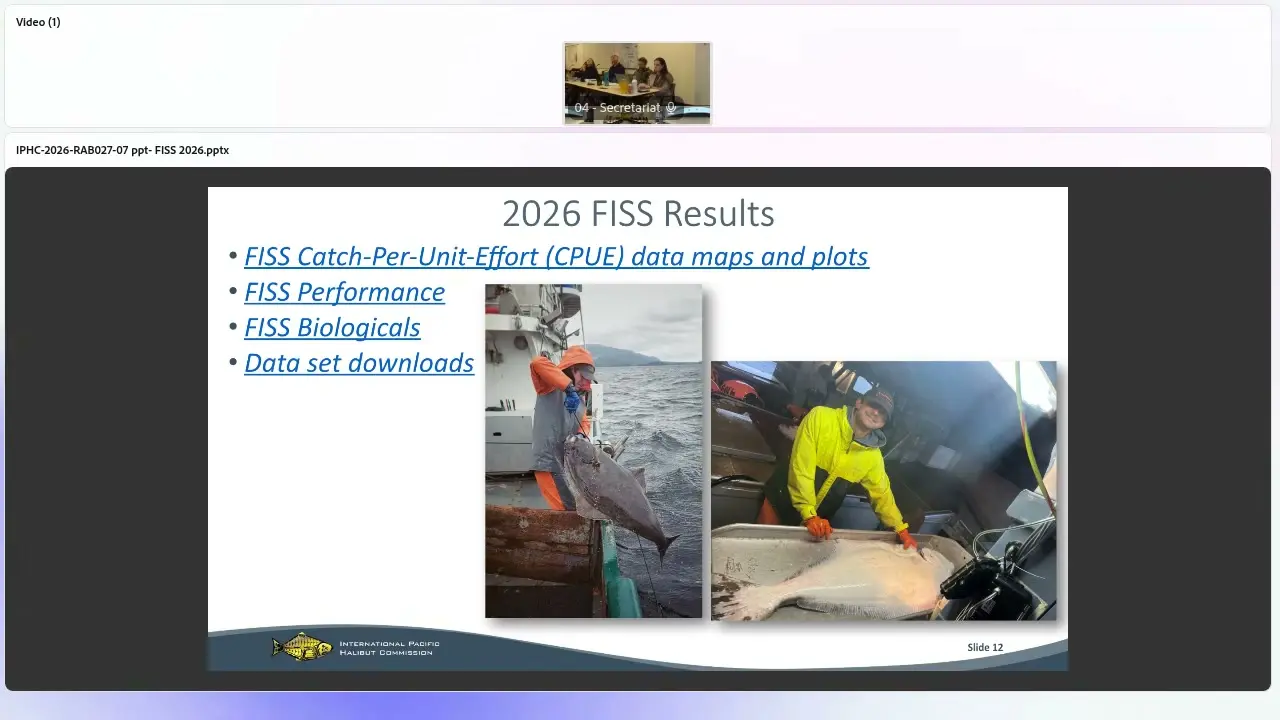
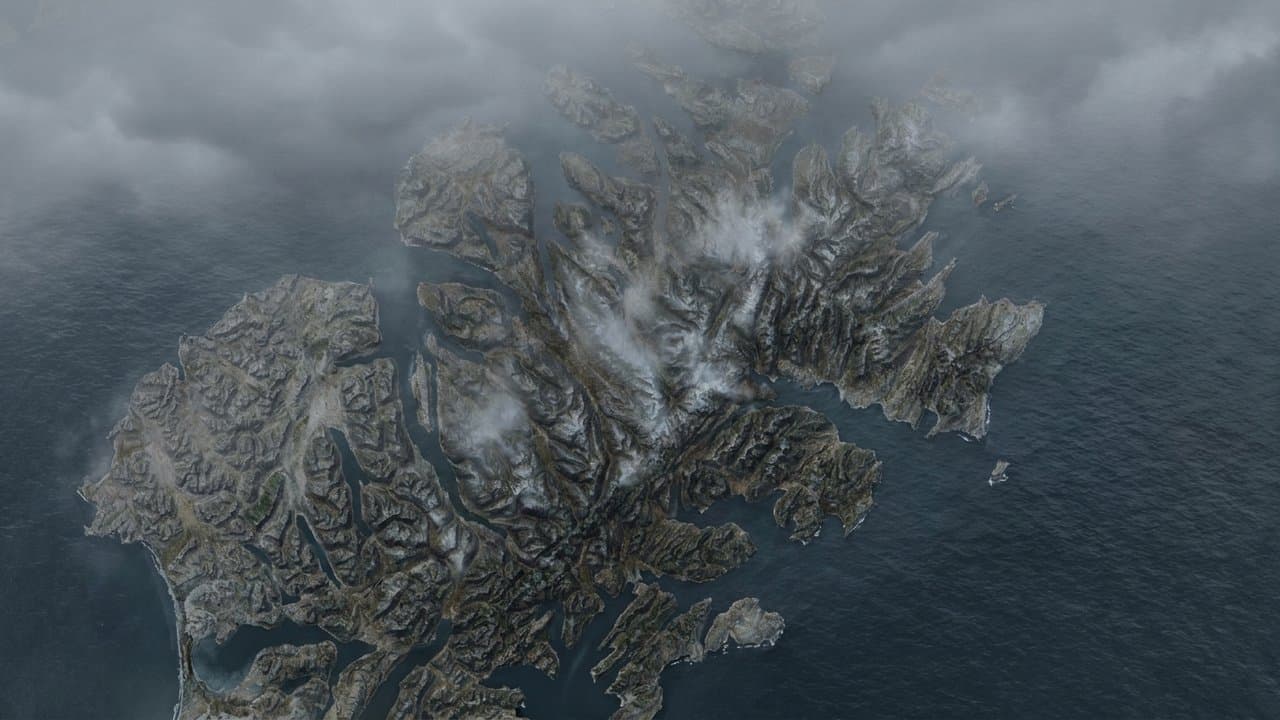
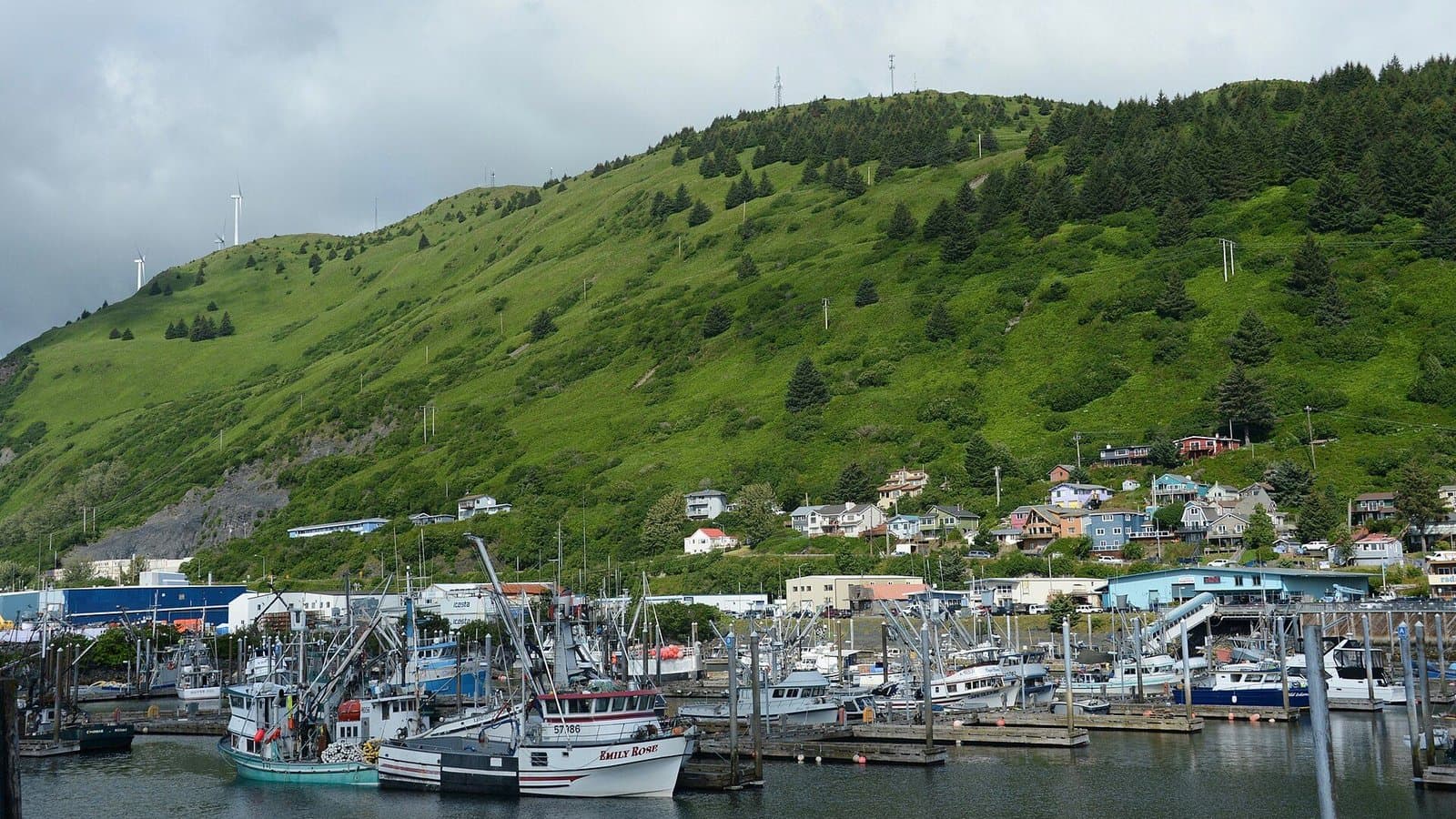
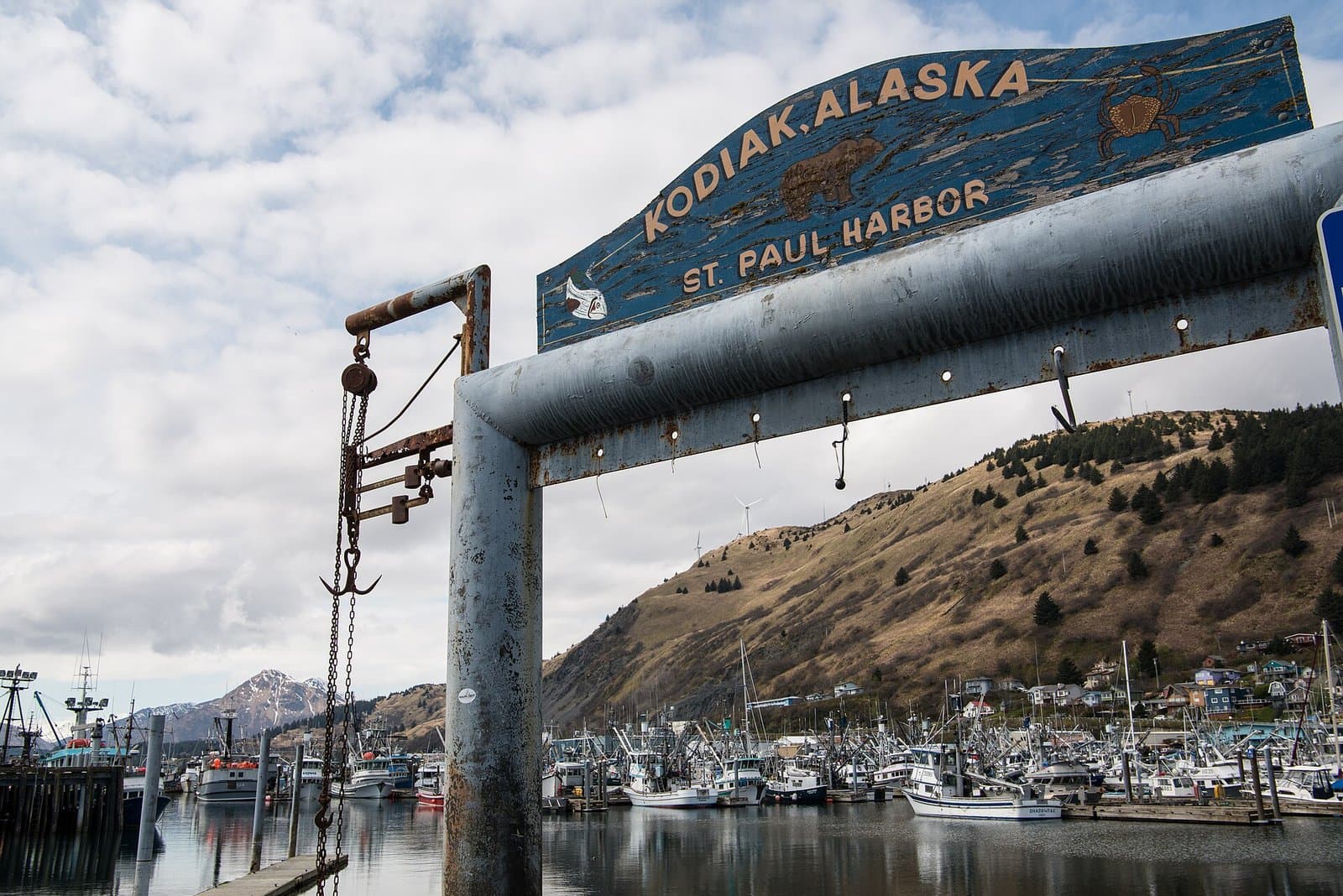
The analysis Hutniczak presented relied mostly on the commission's own setline survey, the annual research fishing it does at fixed stations with standardized gear. It found that infestation is patchy but that some high-activity areas persist across decades: around Kodiak Island, in the central Aleutians and in Southeast Alaska, especially Icy Strait.
Modeling of 2019 to 2025 survey sets showed deeper sets were more likely to be infested and that longer soaks (how long the baited line stays on the bottom) steadily raised the odds. Hutniczak cautioned that the margins of error were wide, so the relationships are weak, and that a possible temperature peak near 6 degrees Celsius is highly uncertain.
Still, the pattern matched what captains had told staff about "hot bottom": they avoid sand fleas by setting shallower and skipping overnight sets. "The fishermen are onto something," she said. The commission's Integrated Research and Monitoring Plan separately identifies limiting soak times in known sand flea areas as a likely way to improve the viability of released halibut.
The survey has limits by design. Its soaks are standardized, partly to avoid infestation, and it runs only in summer, so it says little about long or overnight sets. The logbook trial was meant to fill that gap. Under the commission's reporting guidance, captains could optionally note how many of their damaged halibut were damaged by sand fleas, either in the logbook or during port interviews with field staff.
The first year did not produce enough for that. "We just don't have enough data to provide this type of analysis," Hutniczak said. Reporting varied widely between captains, mixing exact counts with estimates, and it was unclear whether a blank meant no damage or no check. She floated simpler categories: sand fleas present or absent, no damage, and damage that reduced market value.
One board member said the reporting burden is small "if there's a sand flea box to check," and argued captains should count only fish too damaged to sell, since those are the mortality losses the commission wants measured. Hutniczak said adding an entirely new logbook field is a challenge because it has to reach the whole fleet. Ray Webster said small-boat crews shake undersized halibut off at the rollers before the fish hit the deck, so a sand flea rate on fish under 32 inches is probably not realistic for that fleet.
What did you make of this story? (no account needed)
Made by our human newsroom with AI. How humans and AI work here · Grow with our newsroom · Transcript byLucas Brown
Get Alaska News in your inbox
Create your free account and get the day’s top stories around 6 each morning, in a few minutes’ read.
Top stories, around 6 each morning.
Stories on what you follow, on Sundays.
This article is based on a public meeting of International Pacific Halibut Commission — 27th Session of the IPHC Research Advisory Board Day 1, part 2 ().
Watch key moments from the source meeting. Click to expand.


Comments
Sign in to leave a comment.
No comments yet. Be the first to share your thoughts.