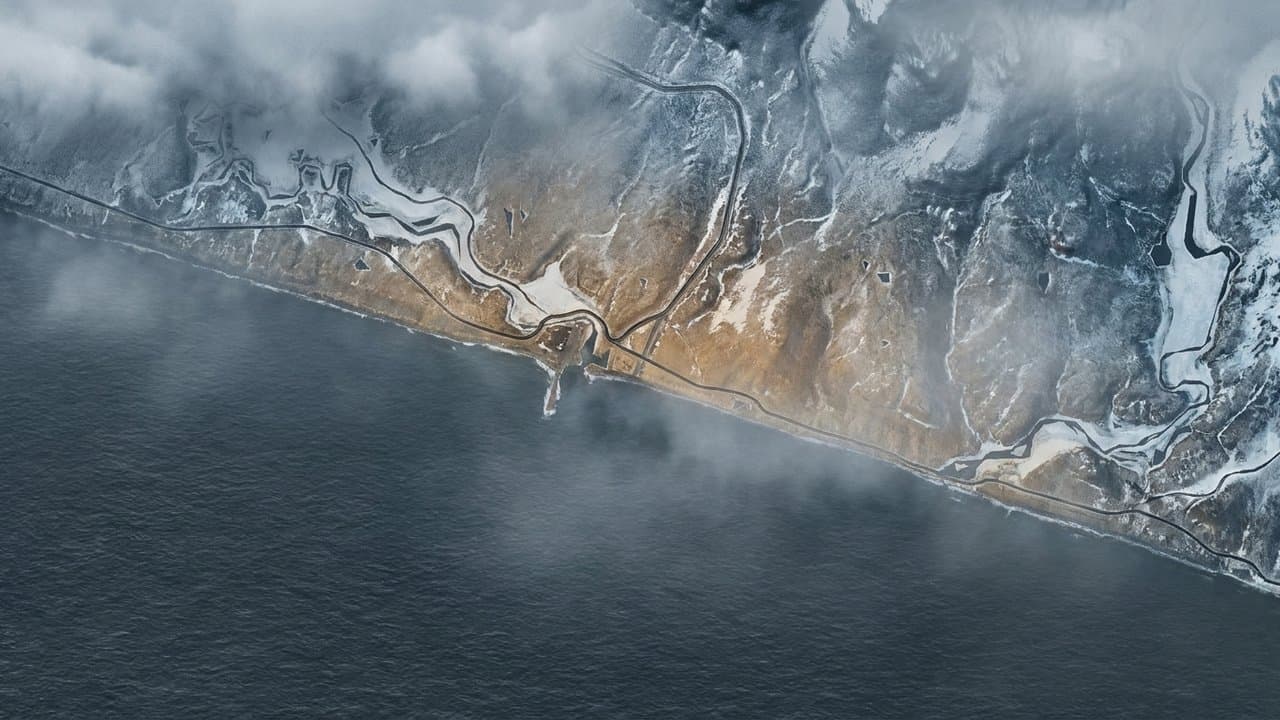
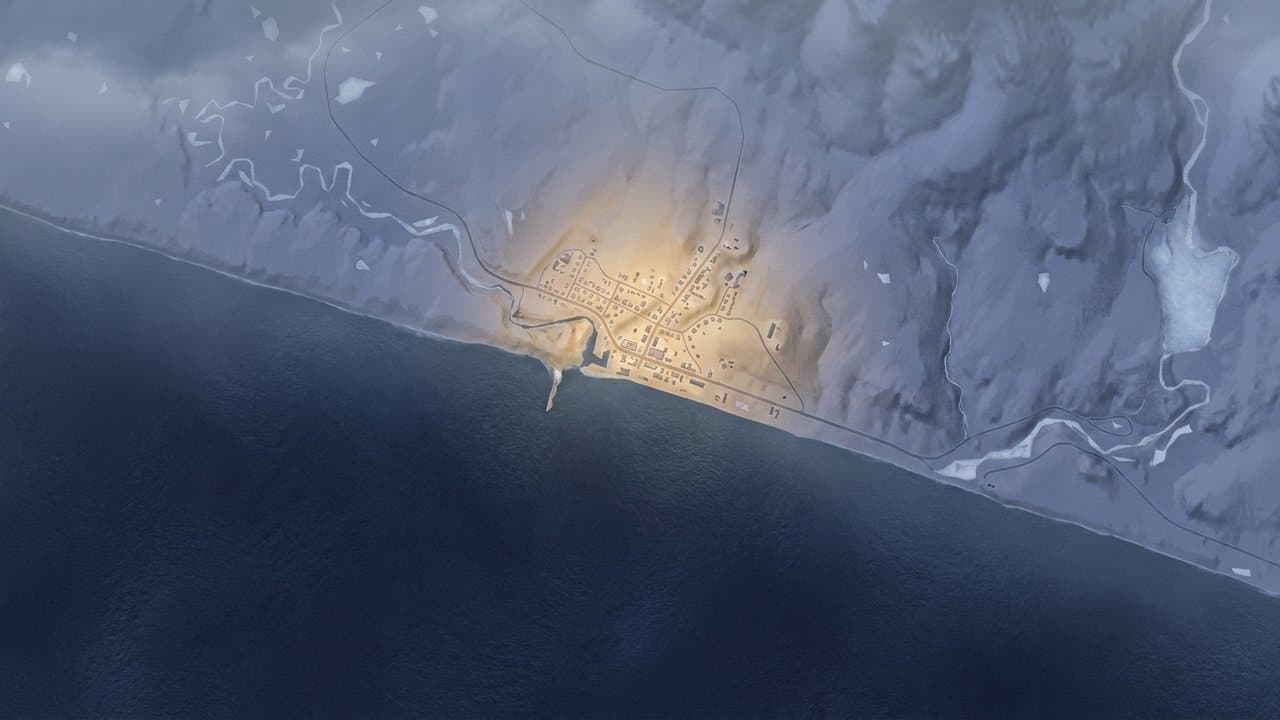
Editorial map (Gemini + Google Maps)
Graphite One pays a federal lab to see if its Nome-area mine could also yield rare earths
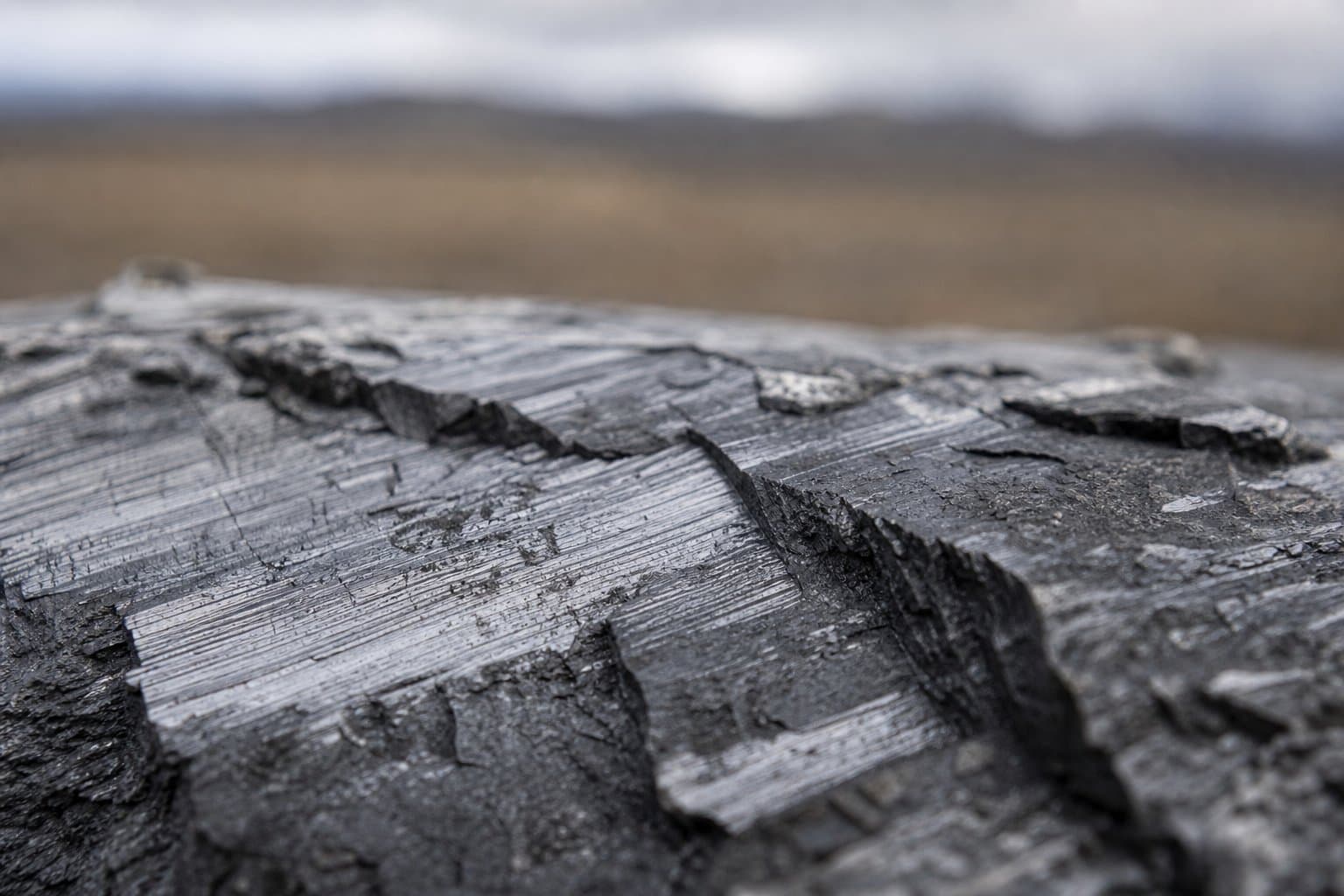
Graphite One, the company planning a graphite mine about 37 miles north of Nome, said Tuesday it is paying a U.S. Department of Energy lab to find out whether it can also pull rare earth metals out of the deposit.
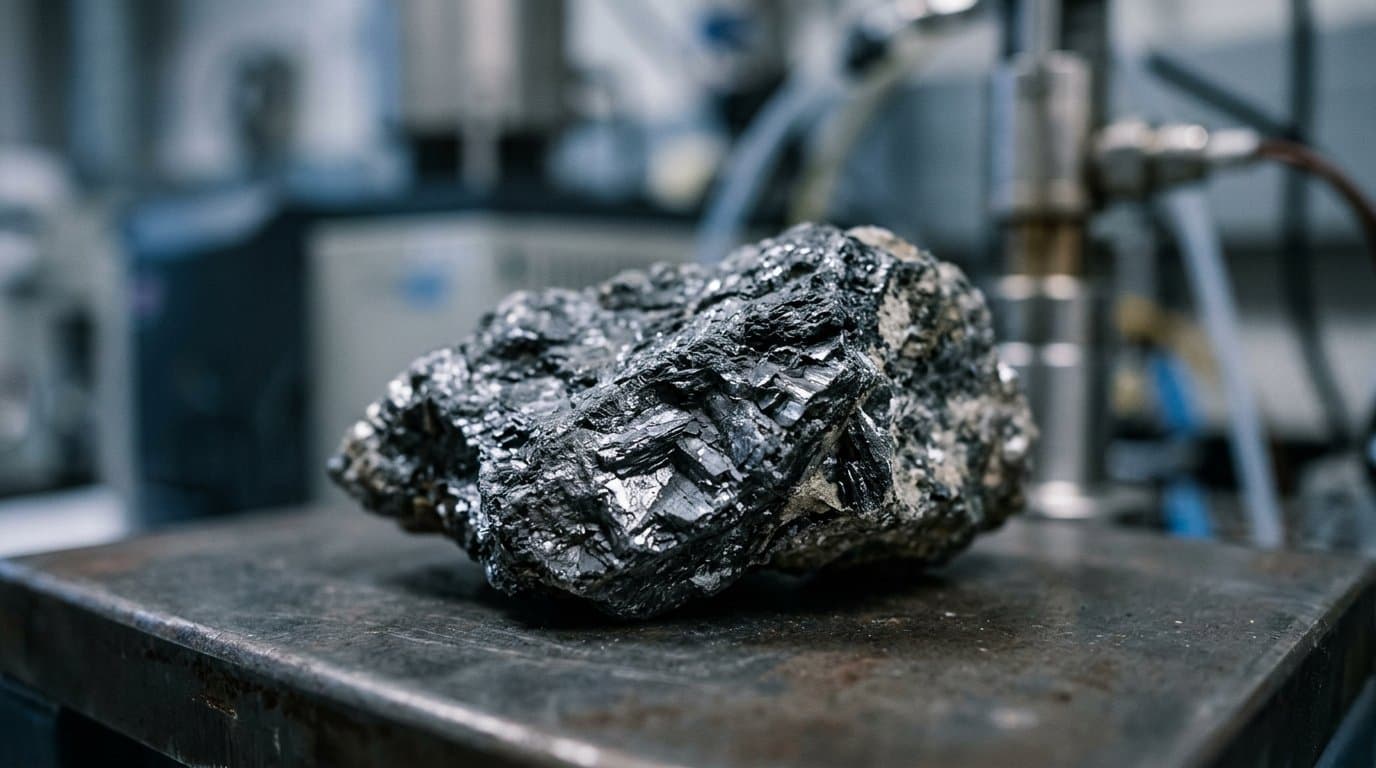
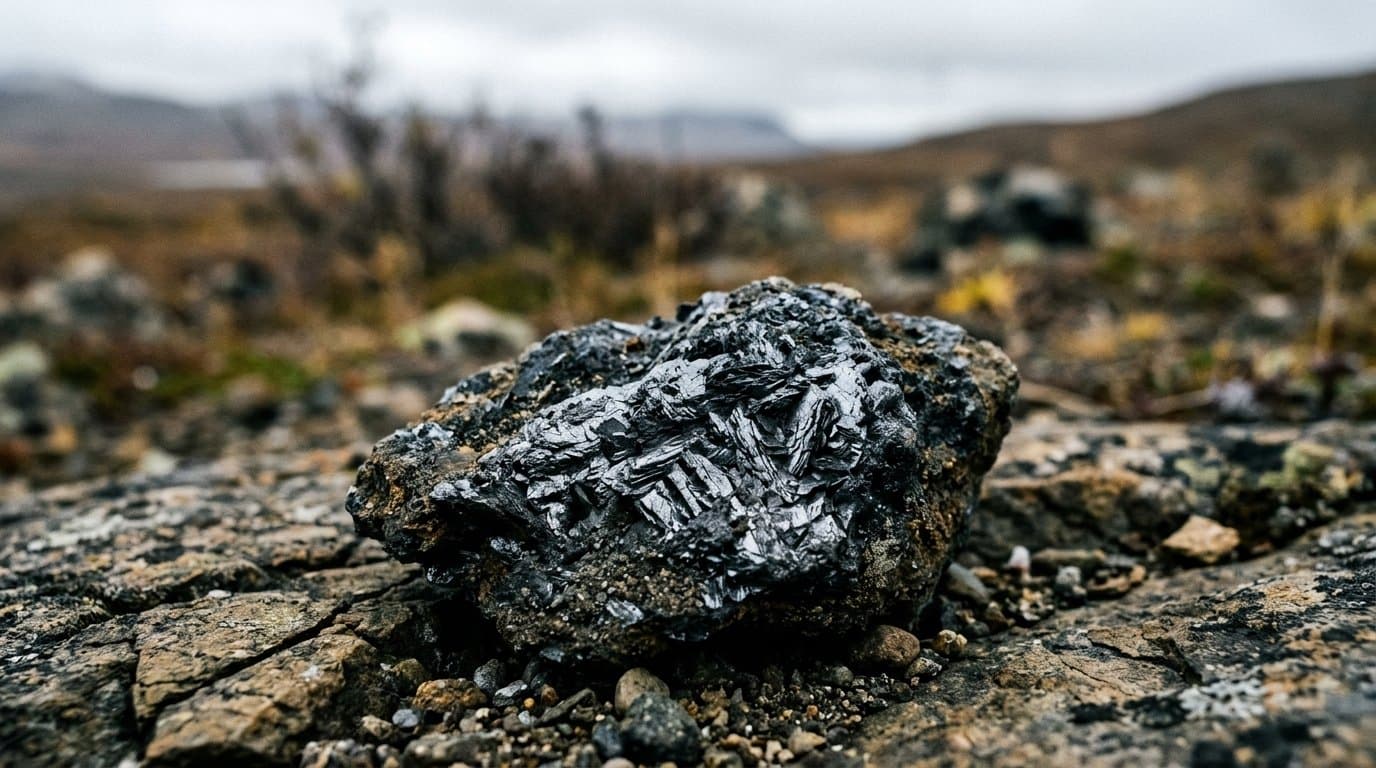
The metals are in garnet, a mineral mixed into the rock at the company's Graphite Creek deposit. Some rare earths are used to make the powerful magnets in electric motors, wind turbines and defense equipment. The garnets hold rare earths "including the heavy rare earths and magnet metals that are critical to U.S. technology and the Defense Industrial Base," Graphite One CEO Anthony Huston said in a company release.
Ames National Laboratory, run by Iowa State University, will spend three months grinding and analyzing the garnet, leaching it with acid, separating the rare earths and purifying them. The goal is a preliminary design for a process that could work at scale, including how much water and chemicals it would use and how much waste it would make. The release doesn't give the cost.
The study follows tests last year in which garnet was separated from crushed drill core at the University of Alaska Fairbanks and analyzed by a commercial lab. That garnet held two to six times the rare earth concentration of the rest of the rock, and 85% of its rare earths were magnet or heavy rare earths, the company said.
The company's release also says there's no certainty rare earths will be extracted from the deposit or that extracting them would pay.
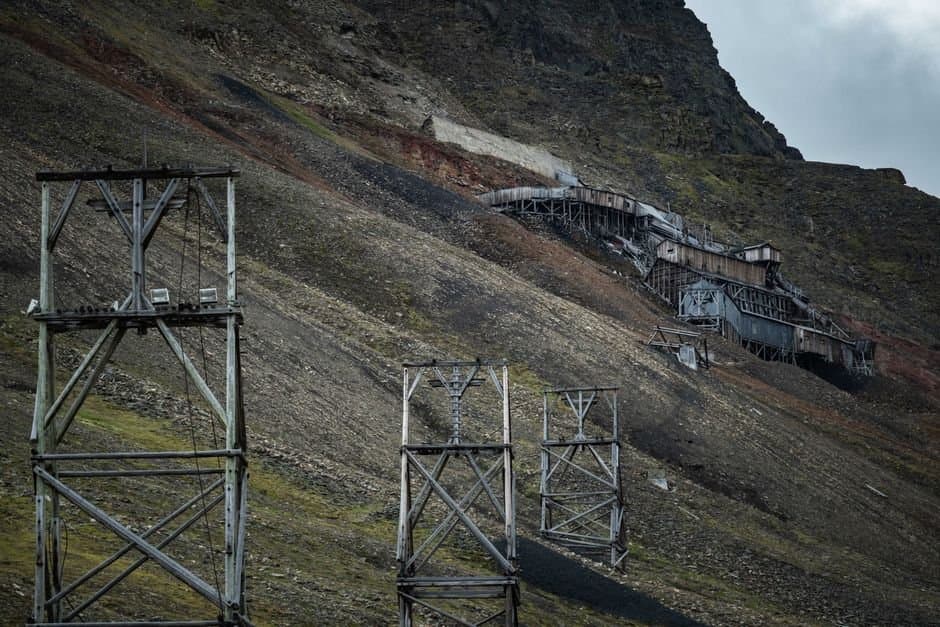
The graphite mine itself is still a ways off. The Army Corps of Engineers this summer replaced a shorter environmental review with a full environmental impact statement after preliminarily finding the project may cause significant environmental effects, and pushed its water permit decision to September 2027. That permit application would permanently fill about 415 acres of wetlands, streams and other aquatic habitat. Graphite One said Nov. 2 that it now expects the mine to start producing in 2030, a year later than it had planned.
Tuesday's release doesn't say where any leaching or separation would happen, or whether rare earth processing would become part of the mine now under review.
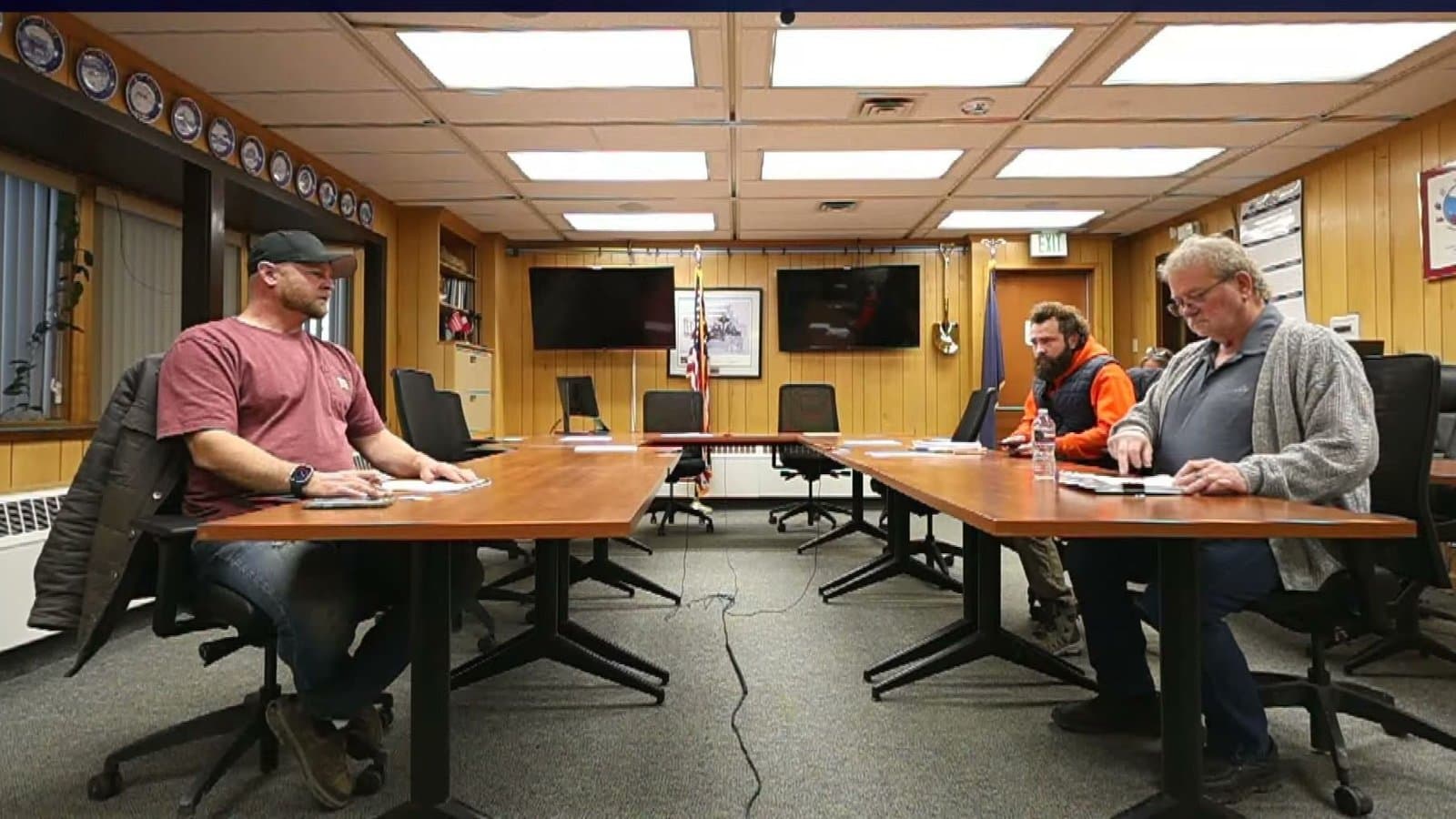
Teller residents pressed the company in June on risks to caribou, fish and marine mammals. The Native Villages of Teller, Brevig Mission and Mary's Igloo have said consultation with them has been inadequate.
In October, Graphite One also said it won a Defense Logistics Agency award to test Graphite Creek carbon in high-heat defense systems with Idaho National Laboratory.
What did you make of this story? (no account needed)
Made by our human newsroom with AI. Reviewed by Cale Green. How humans and AI work here · Grow with our newsroom ·
Get Alaska News in your inbox
Create your free account and get the day’s top stories around 6 each morning, in a few minutes’ read.
Top stories, around 6 each morning.
Stories on what you follow, on Sundays.
Source: Releases from companies with Alaska projects, Graphite One hires Ames National Laboratory for a three-month study of pulling rare earths from Graphite Creek garnet near Nome.






Comments
Sign in to leave a comment.
No comments yet. Be the first to share your thoughts.