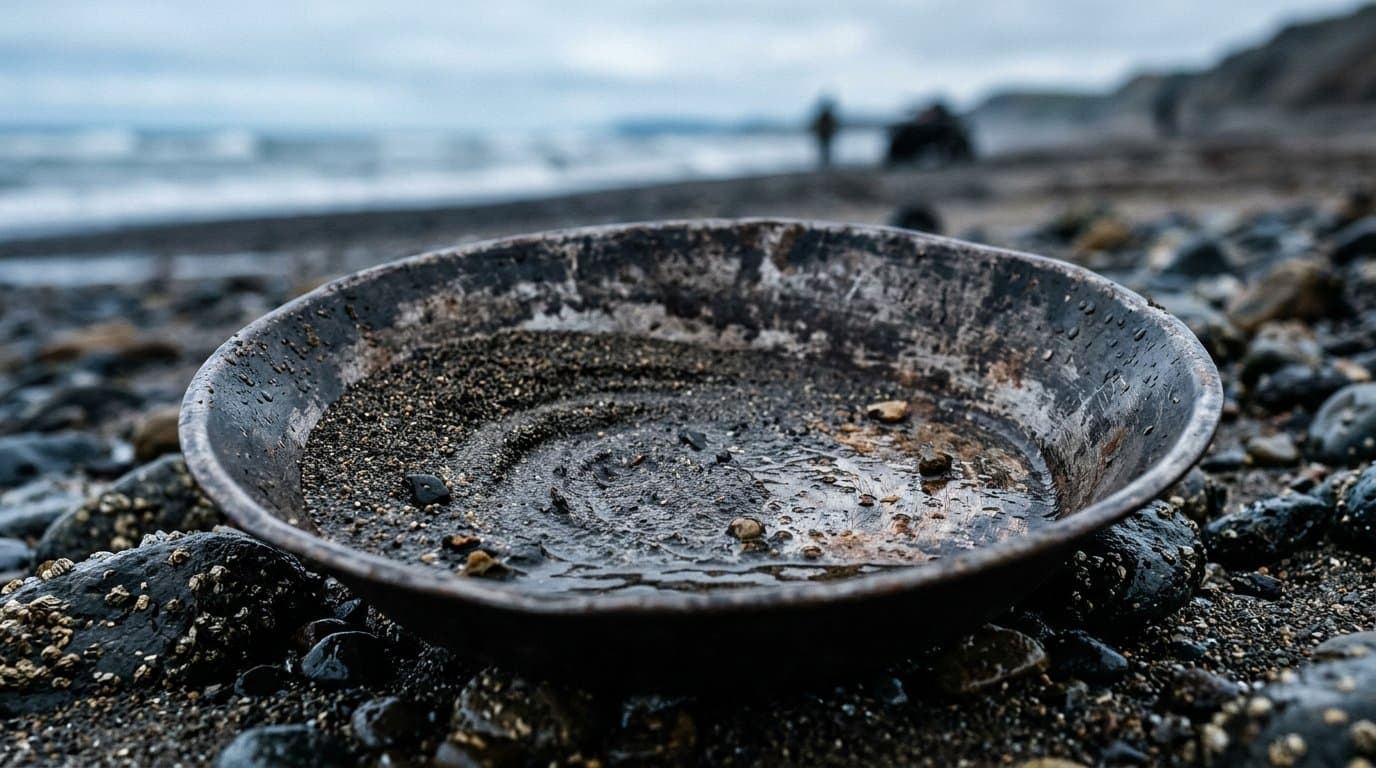
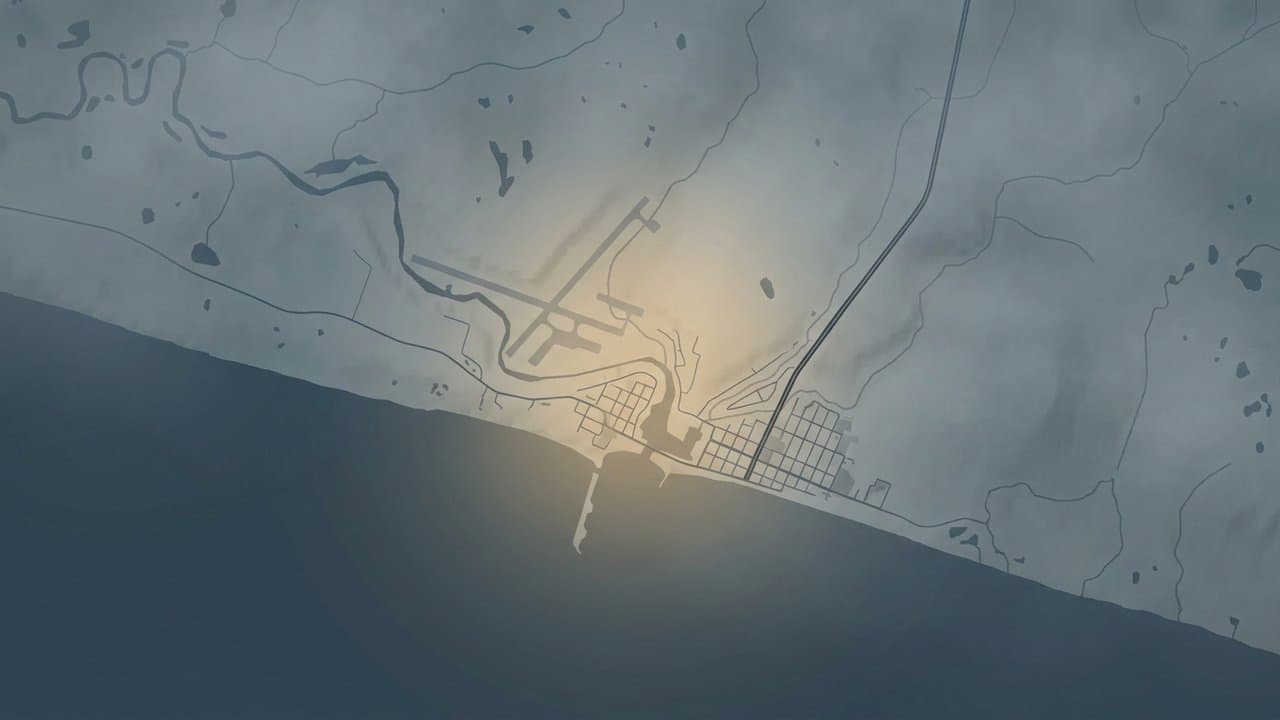
AI image
Judge to hear a motion Thursday in Nome gold miners' beach access suit against Sitnasuak
A federal judge is scheduled to hear a motion Thursday in a lawsuit brought by two Nome gold miners, who say Sitnasuak Native Corporation and two Alaska State Troopers used trespass notices and threats of arrest to drive them off the beaches they use to reach their claims.
Paul Fussell and Larry St Clair are partners who say they hold access to state mining leases in Nome's East Beach and West Beach public mining areas and at Fort Davis. When they can work, each recovers about two ounces of gold a day, they say. At their figure of about $4,500 an ounce, that's roughly $9,000 a day apiece.
Fussell and St Clair filed the civil rights suit in federal court in Fairbanks on July 23, without a lawyer. Along with Sitnasuak, they sued its CEO, Charles E. Fagerstrom; its land manager, Charles Ellanna; Trooper Kelby Oakes; and Sgt. Christopher Rafferty.
Where public land ends
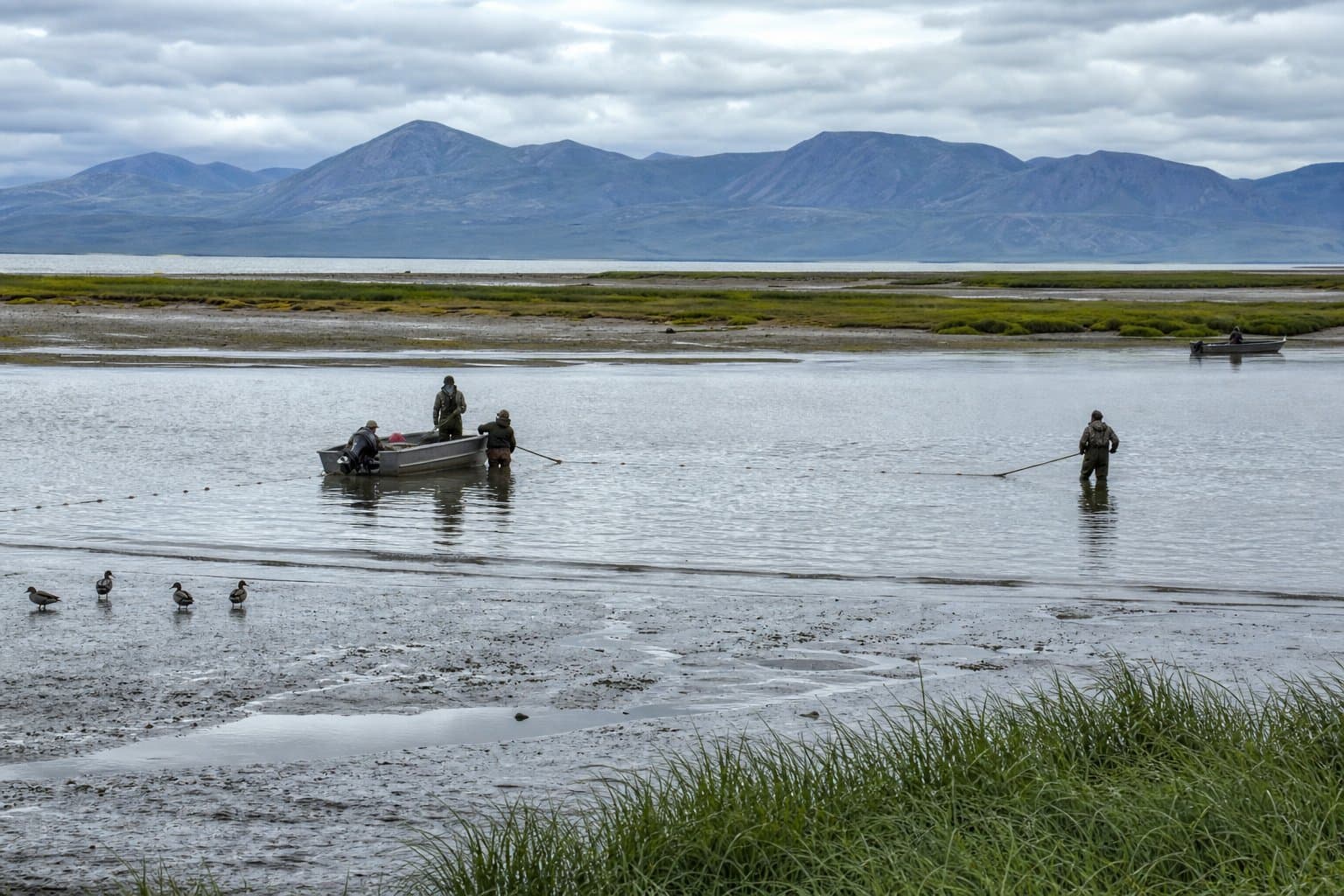
Much of the dispute turns on where public land ends on Nome's beaches. The miners say the public has a right to use everything below the ordinary high water mark, and that Sitnasuak, Nome's Alaska Native village corporation, has no right to keep them off it. Sitnasuak says the beaches around Nome are private. "Any mining activity on the beach requires permission from the respective landowner(s)," its mining brochure says.
The state's permit stipulations for Nome's public beach mining areas say state land begins at mean high tide. Since the average tide at Nome is 1.04 feet, they say, "the miner must effectively be in the water." Gold pans, sluice boxes and rocker boxes "must be used in the surf below mean high tide." All of the uplands at Nome are privately owned, the stipulations say, and miners on the beach above that line need the landowner's permission. The miners' complaint says the land they use lies below both the ordinary high water mark and the line of mean high water.
The suit cites the Alaska Constitution's guarantee of free access to navigable and public waters and state laws giving people the right to use land below the ordinary high water mark as reasonably needed to use the water. One of those laws also says it doesn't create a right "to cross or enter private land."
Sitnasuak's brochures, published before the suit, say mining is prohibited on beach property owned by Sitnasuak and by Bering Straits Native Corporation. People who trespass get a written notice, its land brochure says, and if that doesn't resolve it, staff involve law enforcement and pursue criminal charges. The corporation also bars storing mining equipment on its land to protect "local rivers, beaches, and tundra" from potential environmental damage.
What the miners say happened
Their account, in sworn filings the court hasn't ruled on, starts around May 26. That's when they say Sitnasuak began posting signs, barriers and trespass notices along the beach, from about 100 feet to a quarter mile apart.
Fussell says Ellanna walked up to him on East Beach, filming as he came, and told him he was trespassing. When Fussell refused to leave, Ellanna called Nome police. The officer who arrived asked Fussell to leave to keep the peace, and he did. In a sworn notice attached to the suit, the miners say the officer made clear he wasn't ordering Fussell to go and didn't threaten arrest.
St Clair says a trespass notice went up on his mining equipment, and Ellanna called troopers 24 hours later. Oakes then phoned and told St Clair to leave or be arrested for trespass, the notice says. Oakes later texted that St Clair could remove his equipment from the water and the beach, and warned him by phone that he'd be arrested if caught there again.
The notice quotes one of Oakes' texts: "If SNC issues another complaint about you being on their land that will launch a separate investigation to see if you actually trespassed." When St Clair called Rafferty, Oakes' supervisor, the sergeant backed Oakes, the notice says.
Neither miner says he was arrested.
Around June 25, Fussell mailed the notice to Sitnasuak and the others involved, demanding the signs come down within 10 days. No one responded, and the signs were still up when they sued, the complaint says.
The miners are asking the court to declare they have free access below the ordinary high water mark and to order the signs and notices removed and the trespass complaints withdrawn. They also want compensatory and punitive damages.
Motions to dismiss were filed Aug. 26 and Sept. 23, the docket shows. Judge Aaron Christian Peterson is scheduled to hear a motion at 10 am Thursday in Anchorage. The court calendar doesn't say which one.
The filings so far don't pin down exactly where on the beach the miners were when they were told to leave, or which stretches Sitnasuak owns.
Made by our human newsroom with AI. Reviewed by Cale Green. How humans and AI work here · Grow with our newsroom
Get Alaska News in your inbox
Create your free account and get the day’s top stories around 6 each morning, in a few minutes’ read.
The day's top stories around 6 each morning. Unsubscribe in one click.
Source: Two Nome miners sue Sitnasuak and two troopers over trespass threats on the beach, while state rules say a miner must "effectively be in the water" to be on state land.




Comments
Sign in to leave a comment.
No comments yet. Be the first to share your thoughts.