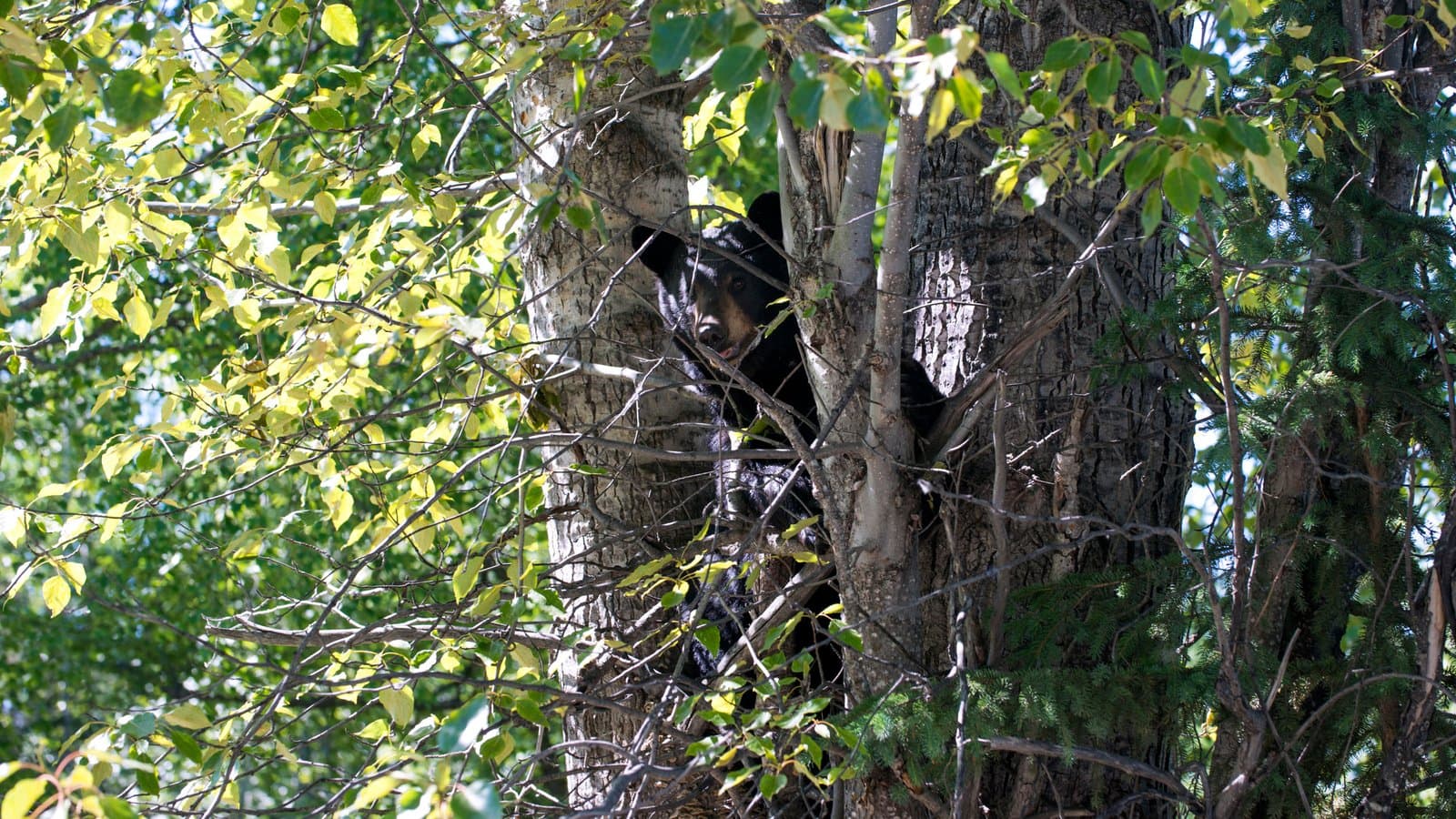
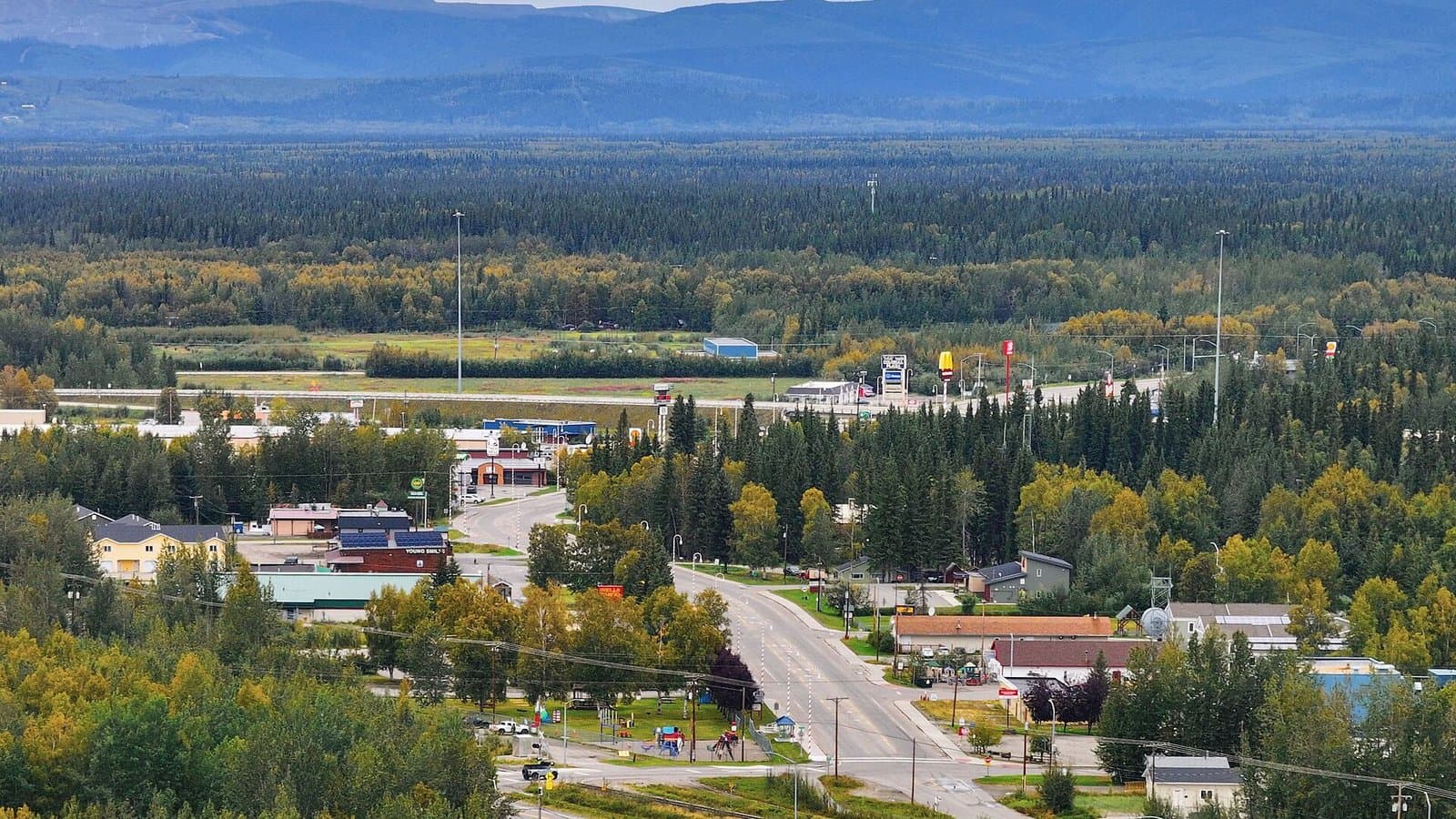
Photo: Staff Sgt. Sheila DeVera via DVIDS · Photo source · US government work
Fish and Game proposes swapping black bear harvest tickets for sealing near Tok
The Alaska Department of Fish and Game is asking the Alaska Board of Game to drop the black bear harvest ticket hunters must now carry in Units 12 and 20E and instead require that every black bear taken in those two Tok-area units be sealed.
Under the department's proposal, the hide and skull of a bear taken Jan. 1 through May 31, or the skull of a bear taken June 1 through Dec. 31, would have to be sealed by a department representative within 30 days of the kill.
In units where sealing is already required, the state's hunting regulations describe the process: the hunter brings the bear's skull and hide to a sealing officer, who measures the skull and locks a seal on the hide and skull.
Salvage rules would change too, because salvage requirements are tied to sealing requirements. Today, a bear taken in either unit from Jan. 1 through May 31 requires salvage of only the edible meat; from June 1 through Dec. 31, the hunter salvages either the meat or the hide. Under the proposal, a spring bear would require the meat, the hide and the skull. A summer or fall bear would require the skull plus either the meat or the hide.
The board adopted black bear harvest tickets in the late 2000s to improve effort data, meaning days hunted, in heavily hunted areas, the proposal says. But many hunters take black bears incidentally while pursuing other species, so reported days hunted may be biased, the department wrote. Black bears in the two units are not monitored because surveys have proven inefficient and costly relative to the harvest. "Currently, success and effort data are not needed to manage black bear populations in Units 12 and 20E," the department wrote.
Hunters took 326 black bears in the two units from regulatory year 2020 through 2024, between 49 and 72 a year, a level the department estimates is sustainable. Only 66 of those bears were sealed, likely to meet export requirements, according to the proposal. The department says sealing would let it age bears from a premolar tooth and collect tissue, which may yield more meaningful population indices, while reducing reporting requirements for hunters.
Both units required sealing in the past. Department management reports for Unit 12 and Unit 20E record that the board required harvest tickets starting in regulatory year 2009, when sealing was required there, and that both units dropped sealing in regulatory year 2010 except for bears removed from Alaska or sold.
The board takes up the proposal at its Interior and Eastern Arctic Region meeting in Fairbanks, March 19-26, 2027. Written comments are due March 5, 2027.
What did you make of this story? (no account needed)
Made by our human newsroom with AI. How humans and AI work here · Grow with our newsroom ·
Keep Alaska News free for everyone.
No paywall, ever. Members pay so everyone can read the meetings and records Alaska News covers.
Get Alaska News in your inbox
Create your free account and get the day’s top stories around 6 each morning, in a few minutes’ read.
Top stories, around 6 each morning.
Stories on what you follow, on Sundays.
Source: Alaska Board of Game, Alaska Board of Game: Proposal 146: Proposals 146, 147, and 148.








Comments
Sign in to leave a comment.
No comments yet. Be the first to share your thoughts.