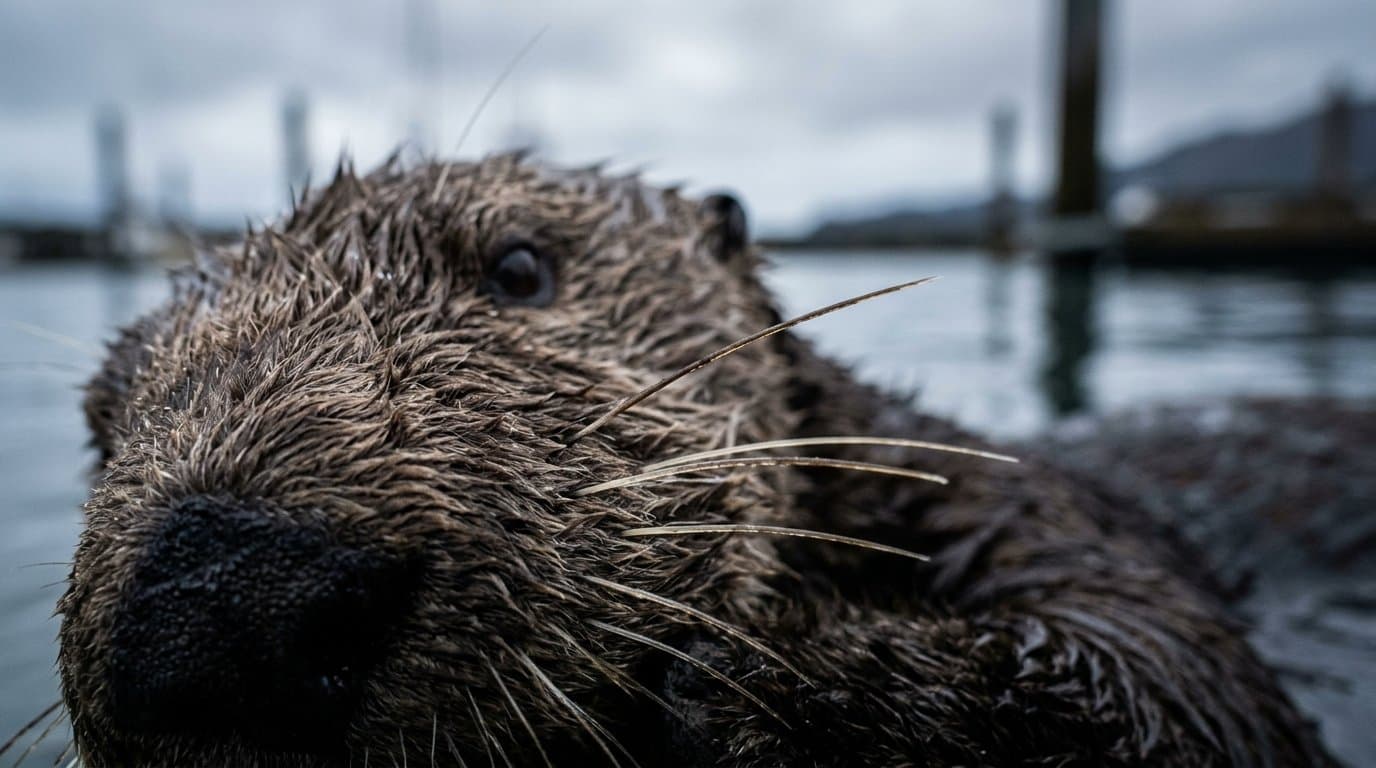
AI image
Feds propose letting Kodiak's harbor pile driving affect up to 324 sea otters
The U.S. Fish and Wildlife Service proposes to let the City of Kodiak expose up to 324 threatened sea otters to pile-driving noise while it builds a new float in St. Herman Harbor, in a notice set for publication Monday.
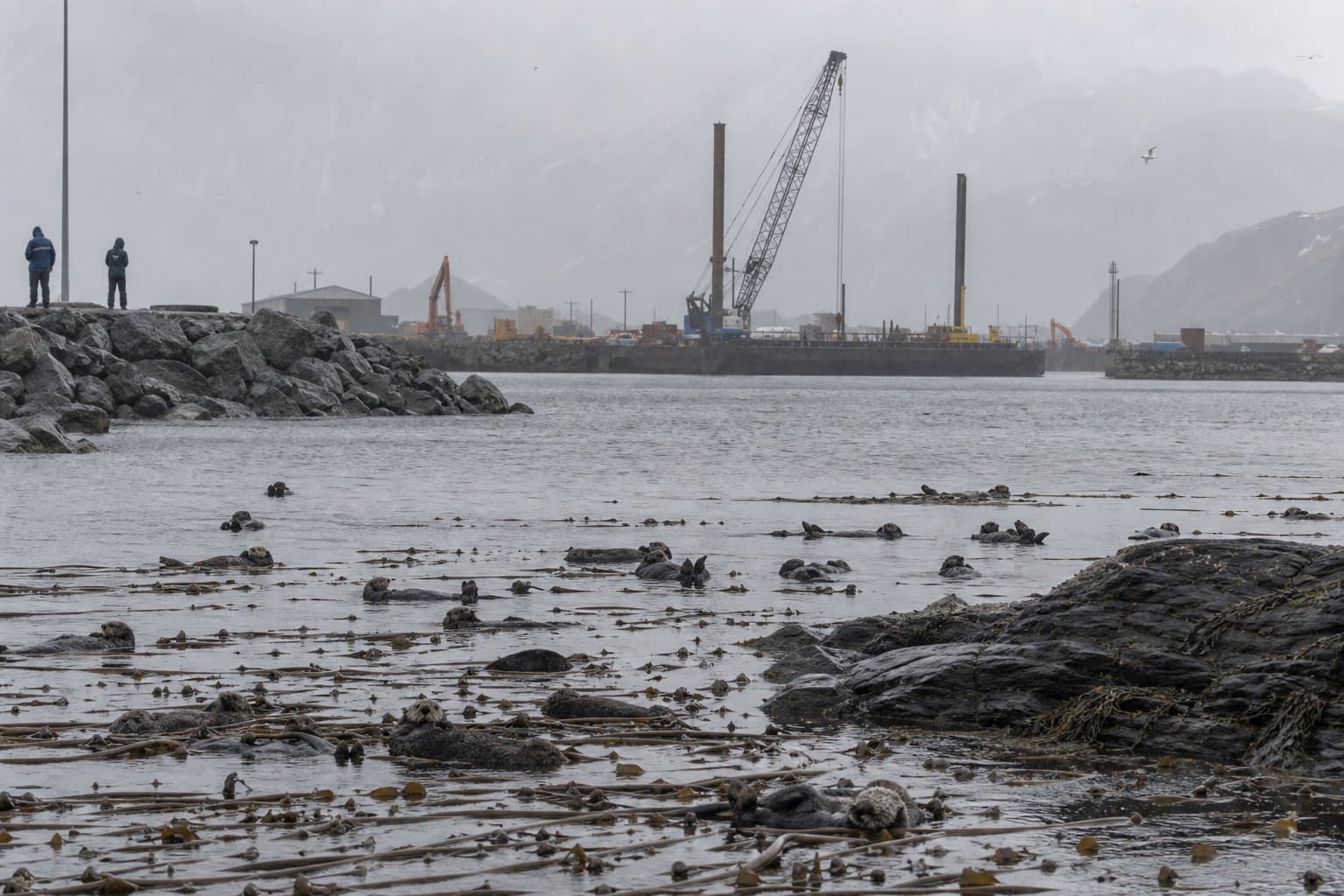
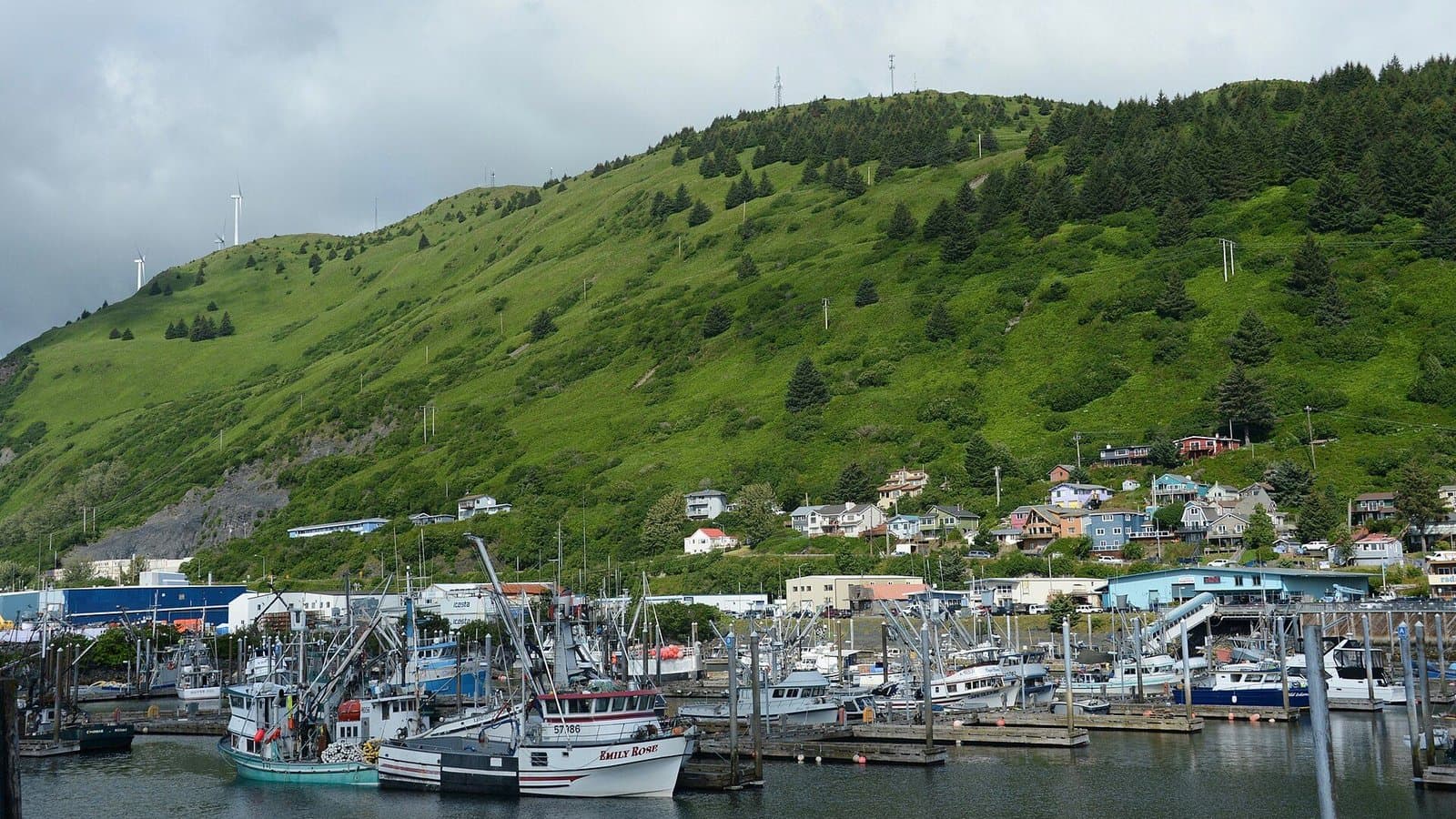
The float is part of the first phase of rebuilding St. Herman Harbor, the city's main moorage for its commercial fishing fleet, where most floats date to 1982. It would add 38 berths for vessels 100 feet and longer, according to an Oct. 1 memo from Interim City Manager Tim Putney.
The agency estimates 276 otters could react in the short term: startling, stopping feeding or resting, or moving away. Another 48 could be exposed to noise loud enough to risk injury, including a lasting loss of hearing sensitivity. No deaths are expected.
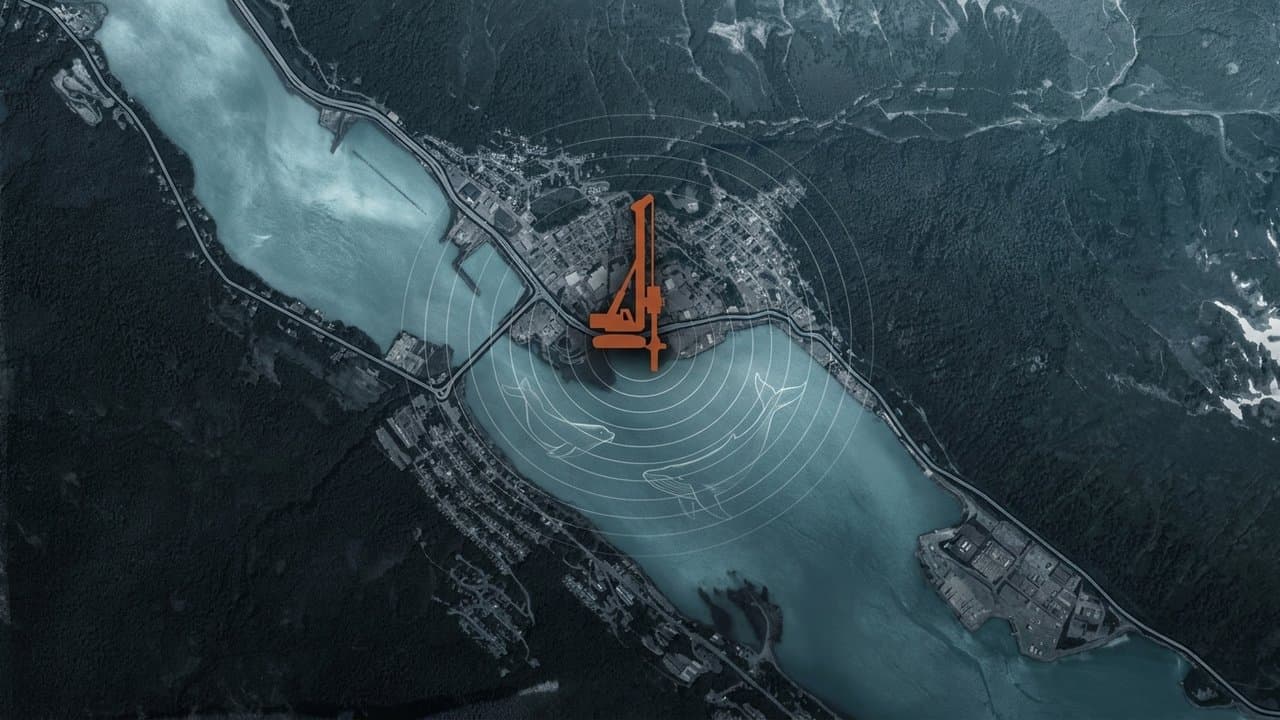
Crews would have to stop if an otter comes within 10 meters, about 33 feet. But the agency calculated that noise from hammering the largest piles could reach injury levels as far as 258.4 meters, about 850 feet, away. It said otters, small and low in the water, will at times slip past observers.
The city would also have to post protected species observers and clear the site before starting, halt work in darkness, bad weather or poor visibility, and keep vessels 100 meters from otters. It would file monthly monitoring reports and a final report within 90 days after the authorization ends.
The agency does not expect large rafts of otters inside the busy harbor. For the waters outside, where hammering noise would carry, it used counts from Near Island Channel, about 0.4 miles away. Daily counts there reached 423 otters during work on the Kodiak ferry terminal in 2015 and 2016.
The 324 otters represent 0.6% of the Southwest Alaska stock's estimated 51,935 animals, and the agency proposes finding the impact negligible.
For the float and a drive-down dock, the city would set 58 permanent steel piles up to 30 inches across and drive and pull out 20 temporary ones. Pile driving would take 42 nonconsecutive days. Hammers would begin with soft starts, reduced-energy strikes that give animals a chance to leave.
The agency preliminarily rejected requiring bubble curtains, which dampen underwater noise, or limiting pile driving to lower tides. The city said low-tide-only work would delay the schedule and affect harbor users' access.
The harbor sits within city limits, where firearm use is prohibited, and most Kodiak-area sea otter harvest happens more than 2 miles outside town, the agency said. Fifty otters have been taken since 2020, from Womens Bay, Long Island and Spruce Island. The city would have to contact subsistence communities and write a plan of cooperation if conflicts arise. The agency does not expect to request tribal consultation.
The first phase costs about $21.69 million. As of a Nov. 10 memo from Putney, the city had yet to sign its federal grant agreement for $16.25 million of that. The memo lists the signing for Dec. 3, with council approval. Putney's October memo said construction could start as early as spring 2027.
The proposal covers work from Nov. 1, 2026, through Oct. 31, 2027, and a final authorization would last a year from when it is issued. Comments on the proposal and its draft environmental assessment are due Dec. 23 at regulations.gov under Docket FWS-R7-ES-2026-1486, or by U.S. mail. Email, fax and hand delivery are not accepted. The agency will complete an internal Endangered Species Act review before deciding.
What did you make of this story? (no account needed)
Made by our human newsroom with AI. How humans and AI work here · Grow with our newsroom ·
Keep Alaska News free for everyone.
No paywall, ever. Members pay so everyone can read the meetings and records Alaska News covers.
Get Alaska News in your inbox
Create your free account and get the day’s top stories around 6 each morning, in a few minutes’ read.
Top stories, around 6 each morning.
Stories on what you follow, on Sundays.
Source: Federal wildlife agency proposes letting Kodiak disturb up to 324 threatened sea otters while it builds a new St. Herman Harbor float; comments due Dec. 23.







Comments
Sign in to leave a comment.
No comments yet. Be the first to share your thoughts.