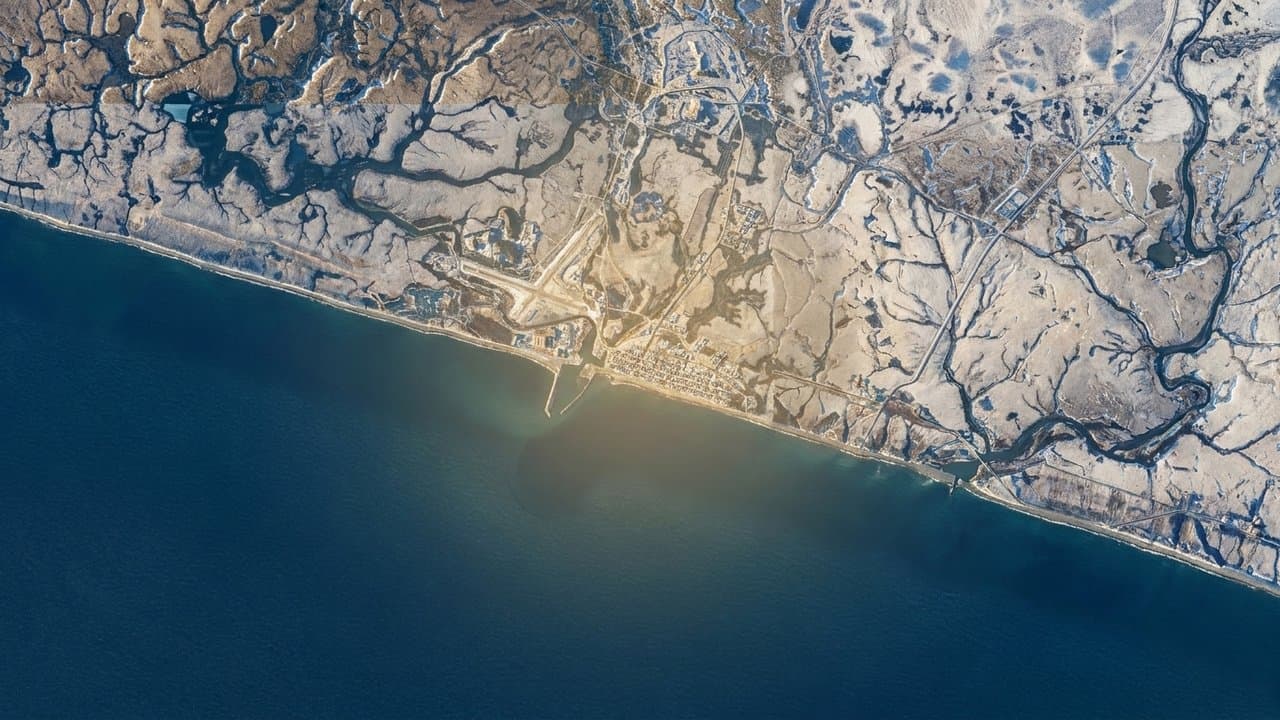
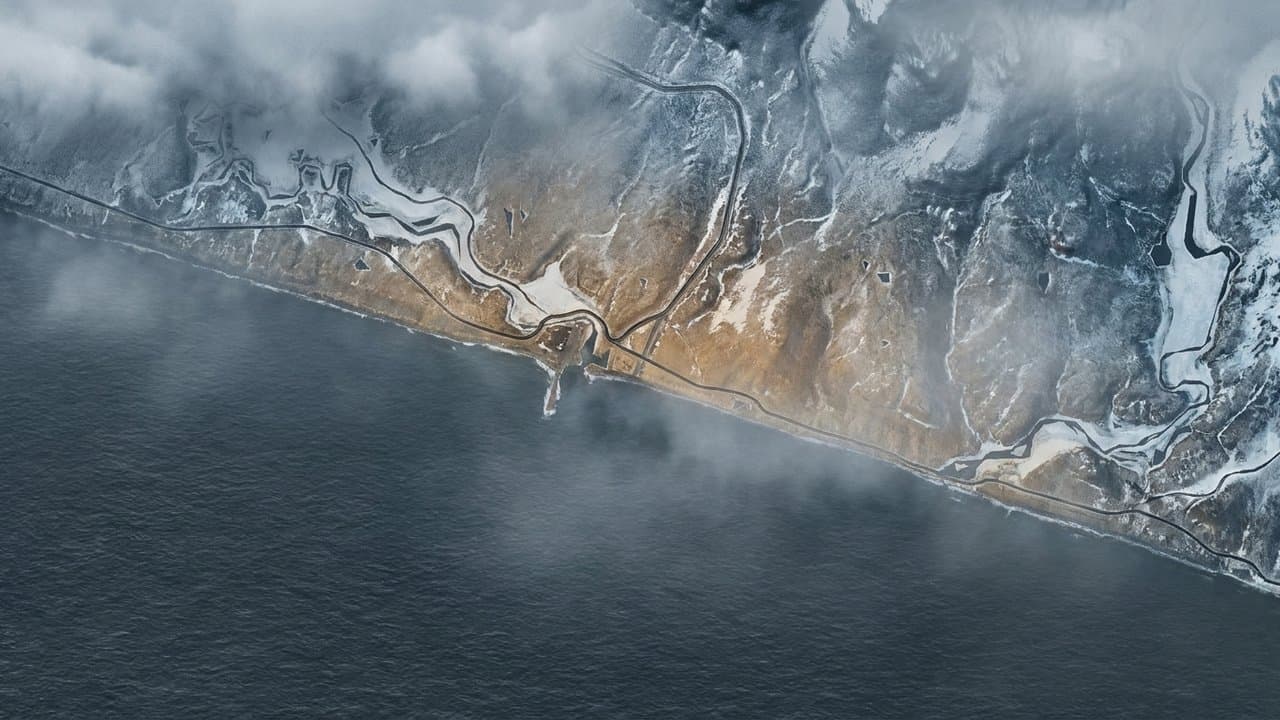
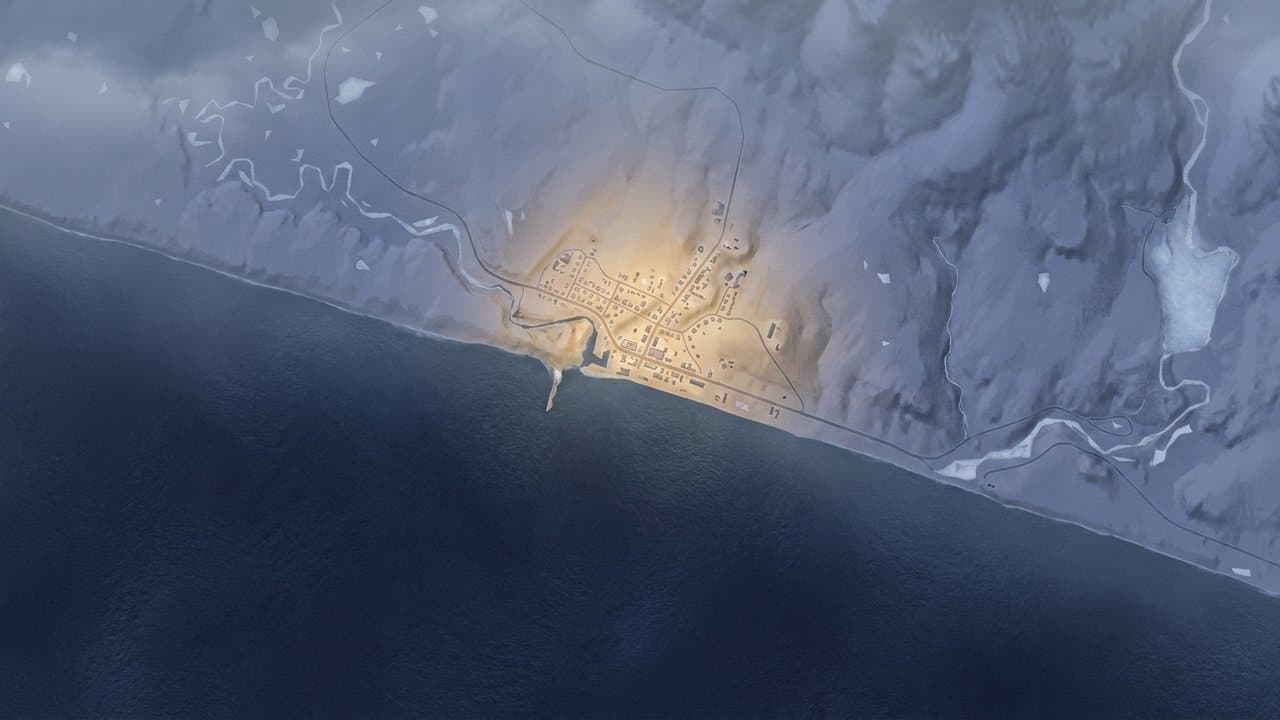
Editorial map (Gemini + Google Maps)
Federal court rules on extension request in tribes' gold dredge permit suit near Nome
The U.S. District Court for the District of Alaska entered an order Tuesday on the only pending motion in five Bering Strait tribes' lawsuit over a federal permit for a gold dredge in the Bonanza Channel, about 25 miles east of Nome. That motion, filed Nov. 10, asked for more time to file a document, according to the court's public docket. The docket does not show who filed the motion, and it lists the Nov. 17 entry only as an order that terminated motions.
The order comes as the parties argue over what should happen to the permit. U.S. District Judge Sharon L. Gleason ruled Nov. 2 that the Army Corps of Engineers' Pacific Ocean Division acted arbitrarily when it overruled the Corps' own Alaska District and approved the permit. She gave each party 21 days to file briefs on the proper remedy, including whether to vacate the permit, followed by 14 days for responses, according to the remedy briefing order. Counted from the ruling, the first briefs were due Nov. 23.
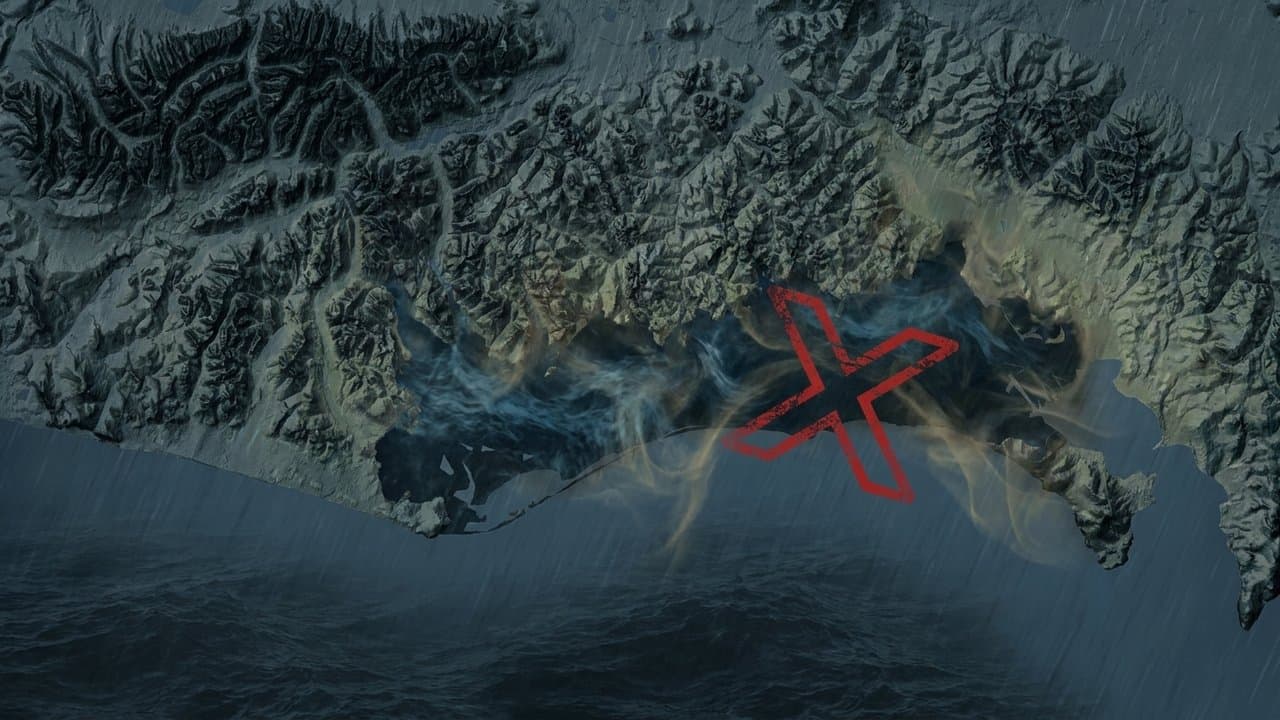
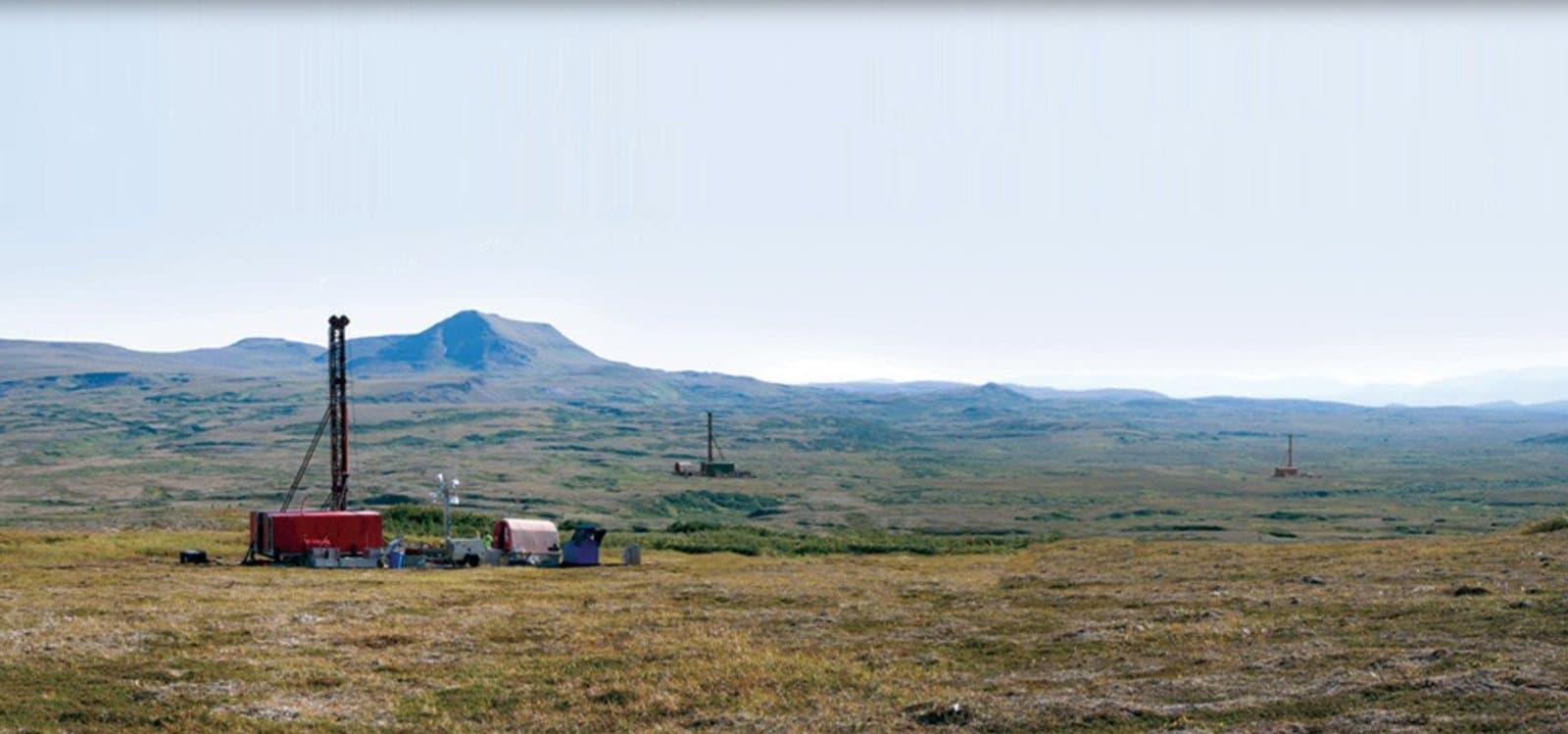
The Clean Water Act permit would let IPOP, LLC suction dredge 4.5 million cubic yards from the channel over five years. The operation would affect more than 150 acres of the Bonanza Channel estuary, according to Earthjustice, which represents the tribes. Under the permit, dredging is limited to ice-free months, roughly June 1 through Nov. 1.
The plaintiffs are the Village of Solomon, Native Village of Council, King Island Native Community, Chinik Eskimo Community and Native Village of White Mountain. They sued the Pacific Ocean Division and its commanding general, Brig. Gen. Joseph C. Goetz, on April 10, 2025. Oral argument was heard June 16.
The federal defendants argued that the division's and the district's decisions "were two parts of the same agency action, not separate final actions that required additional explanation about a change of position." They said the division's acknowledgment of the district's decision was enough. Gleason disagreed. "The Division did not explain why it disagreed with the District’s conclusion that impacts to birds and other wildlife would be major or why, in its view, the project constituted only a small part of the estuary system such that any impact would be minor and temporary," she wrote in the Nov. 2 decision.
IPOP first applied in March 2018 to dredge a 100-acre area. The Alaska District denied a revised application on Sept. 8, 2022, finding the project was not the least environmentally damaging practicable alternative. The Pacific Ocean Division reversed that denial and issued the permit on March 20, 2024, with a finding of no significant impact. It did not issue a new public notice or hold public hearings before approving the project.
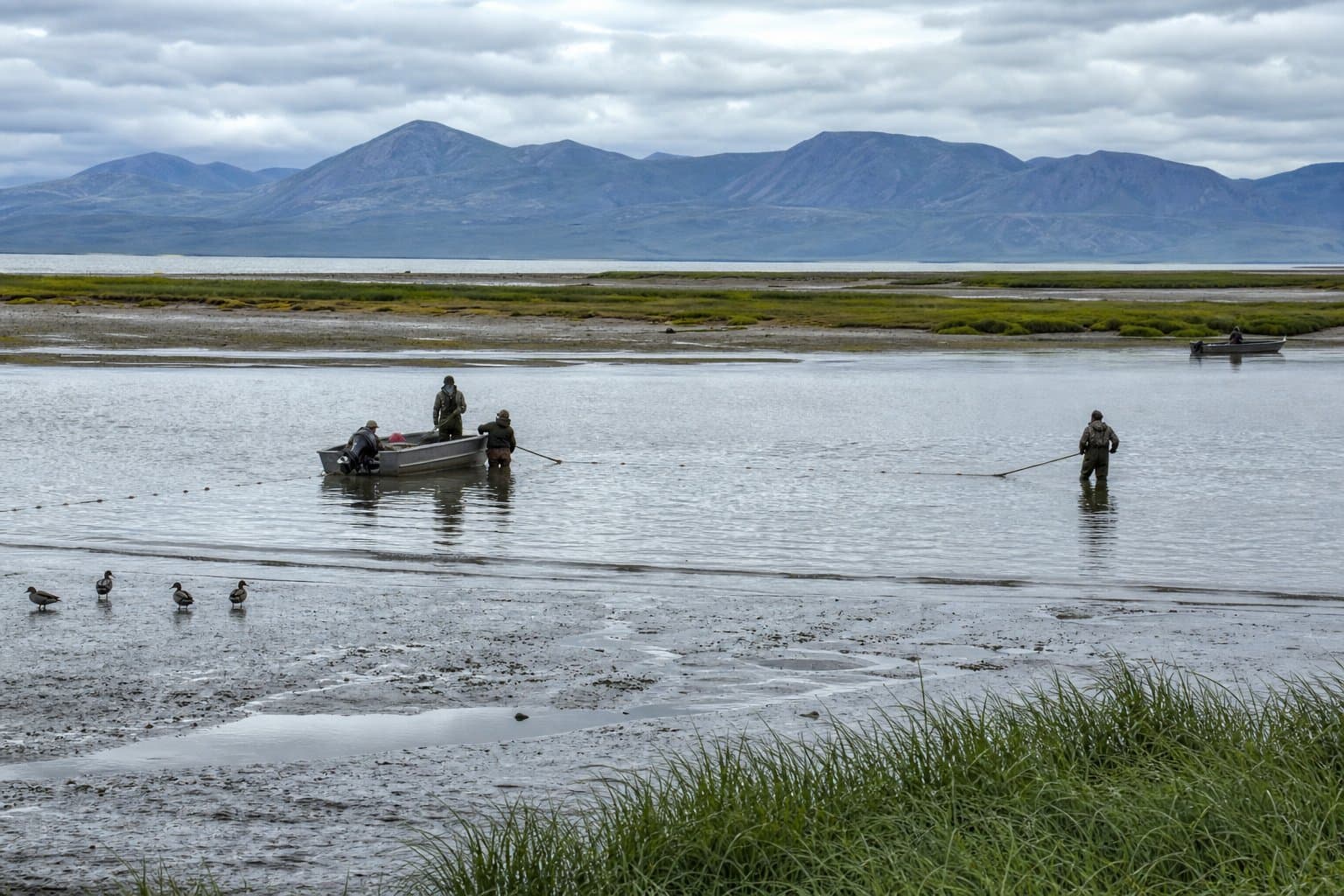
The channel connects four rivers in the Safety Sound lagoon to the Bering Sea. It holds vegetated shallows and mudflats. Spectacled and Steller's eiders and bearded and Arctic ringed seals, all listed as threatened or endangered, live in the area. Tribal members hunt birds, collect eggs, fish and gather edible and medicinal plants in and around the channel, according to the decision. Summer birding in the Nome area brings in an estimated $1.68 million a year, the court found.
The project also faces state obstacles. The Alaska Department of Natural Resources denied IPOP's application for a multi-year dredging permit in March and separately rejected its land-use permit and reclamation plan in June.
What did you make of this story? (no account needed)
Made by our human newsroom with AI. How humans and AI work here · Grow with our newsroom ·
Keep Alaska News free for everyone.
No paywall, ever. Members pay so everyone can read the meetings and records Alaska News covers.
Get Alaska News in your inbox
Create your free account and get the day’s top stories around 6 each morning, in a few minutes’ read.
Top stories, around 6 each morning.
Stories on what you follow, on Sundays.
Source: U.S. District Court for the District of Alaska, U.S. District Court for the District of Alaska: Village of Solomon et al v. U.S. Army Corps of Engineers Pacific Ocean Division et al (3:25-cv-00073): Order.







Comments
Sign in to leave a comment.
No comments yet. Be the first to share your thoughts.