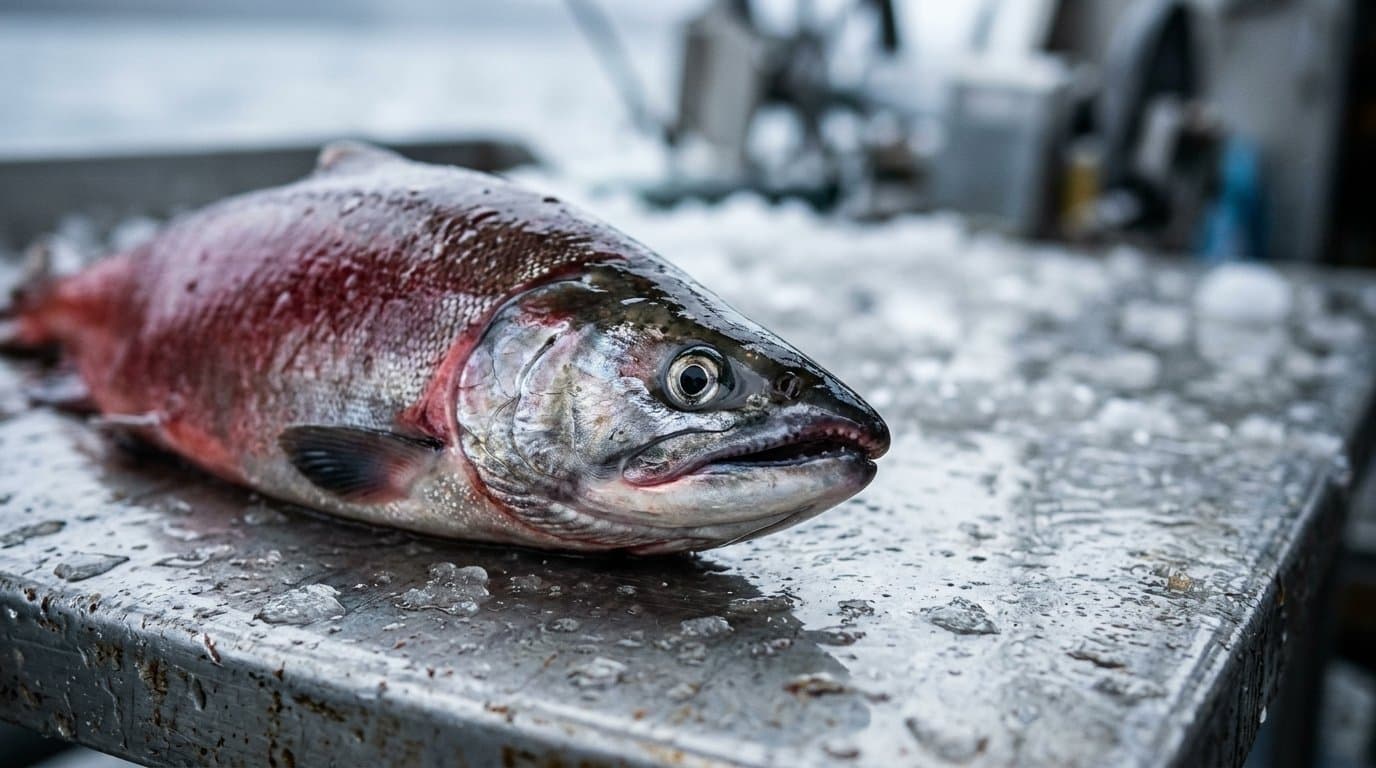
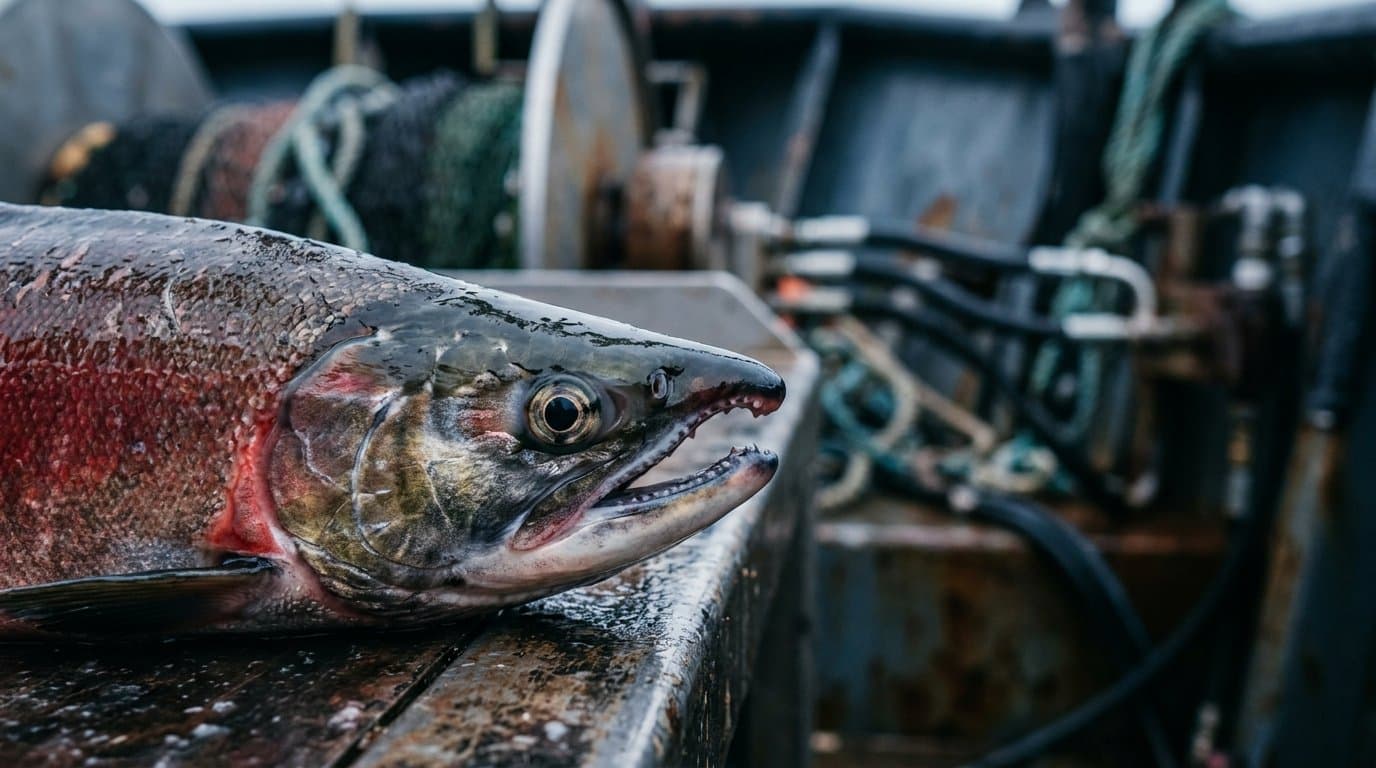
AI image
Chignik salmon catch is worth about $9 million, most since 2017
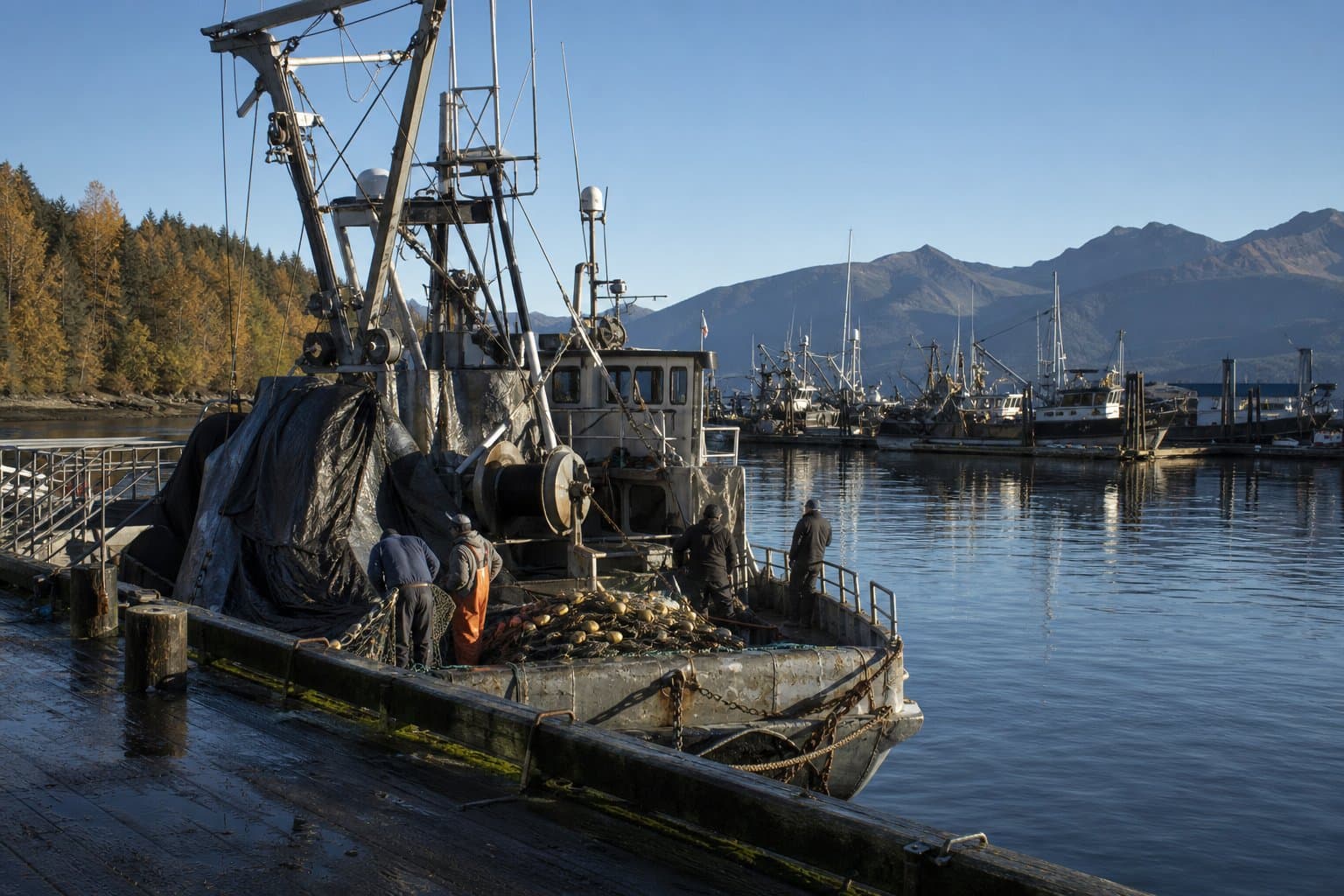
Chignik's salmon fleet had its most valuable season since 2017.
The fish were worth about $9.03 million at the dock this summer by preliminary figures, according to a season summary the Alaska Department of Fish and Game released Thursday. That's about 50% above the average of the past decade, though well short of 2017's $15.8 million.
It's also a long way from 2018, when six permit holders on this stretch of the Alaska Peninsula earned a combined $2,099, and 2020, when there was no commercial salmon fishing at all.
This year, 47 permit holders fished, up from 37 last year, and averaged about $192,000 each.
They did it while catching fewer than half as many fish as last year: about 1.33 million salmon, compared with 2.94 million. Most of that drop was in pinks.
But sockeye and chum brought in more money. Sockeye brought in $6.71 million, up from $5.6 million last year, even though fewer were caught, and averaged $2 a pound.
Chum brought in $1.14 million, up from about $190,000, and the chum catch was the biggest since 2017.
On the spawning grounds, pinks and chum came back far below the department's goals, by its aerial counts of Chignik streams.
The chum count of about 15,000 fish was the lowest in more than 15 years. The pink count of about 68,000 was 40% of the bottom of the goal, and the lowest since 2018.
To protect them, the department closed the Eastern, Western and Perryville districts July 26 and Inner Kujulik Bay July 30, and most of the area stayed closed through August.
Sockeye, which made up most of the season's value, did better. Both of the Chignik River's sockeye runs met their spawning goals, and the late run slightly topped its range. Weak early numbers kept fishing closed until June 17, later than usual.
Because Chignik's catch stayed below set thresholds, two fisheries that depend on it, at Cape Igvak in the Kodiak area and in the Southeastern District Mainland, never opened during their allocation periods.
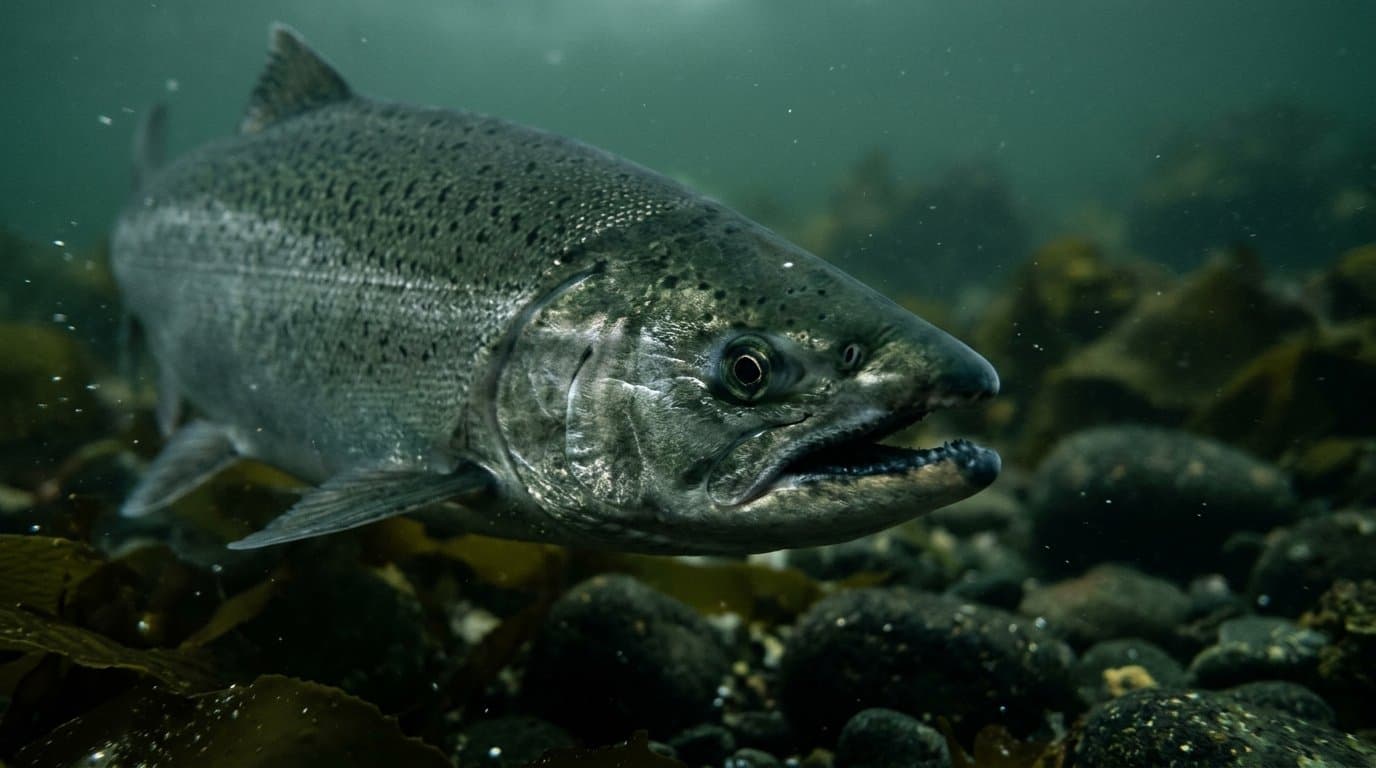
The Chignik River is also the only king salmon stream in the Chignik area and supports the largest king salmon stock on the south Alaska Peninsula.
The Board of Fisheries made it a stock of concern for 2026 after years of kings falling short of their spawning goal.
The board's new rules weren't in effect yet, so the department applied its protections by emergency order: seiners had to release kings 28 inches or longer, and parts of the Chignik Bay District closed in July.
This year 1,923 kings made it upriver, within the goal for a second straight year. Chignik Lagoon and the river stay closed to king fishing for everyone through Dec. 31.
Fishing stopped after Aug. 21, when processors stopped buying fish, according to the summary, which doesn't name them or say why. The department still opened a 48-hour period starting Sept. 7.
What did you make of this story? (no account needed)
Made by our human newsroom with AI. How humans and AI work here · Grow with our newsroom ·
Keep Alaska News free for everyone.
No paywall, ever. Members pay so everyone can read the meetings and records Alaska News covers.
Get Alaska News in your inbox
Create your free account and get the day’s top stories around 6 each morning, in a few minutes’ read.
Top stories, around 6 each morning.
Stories on what you follow, on Sundays.
Source: Alaska Department of Fish and Game, Chignik's 2026 salmon catch paid about $9 million, the most since 2017, while pink and chum returns fell far below goals.



Comments
Sign in to leave a comment.
No comments yet. Be the first to share your thoughts.