
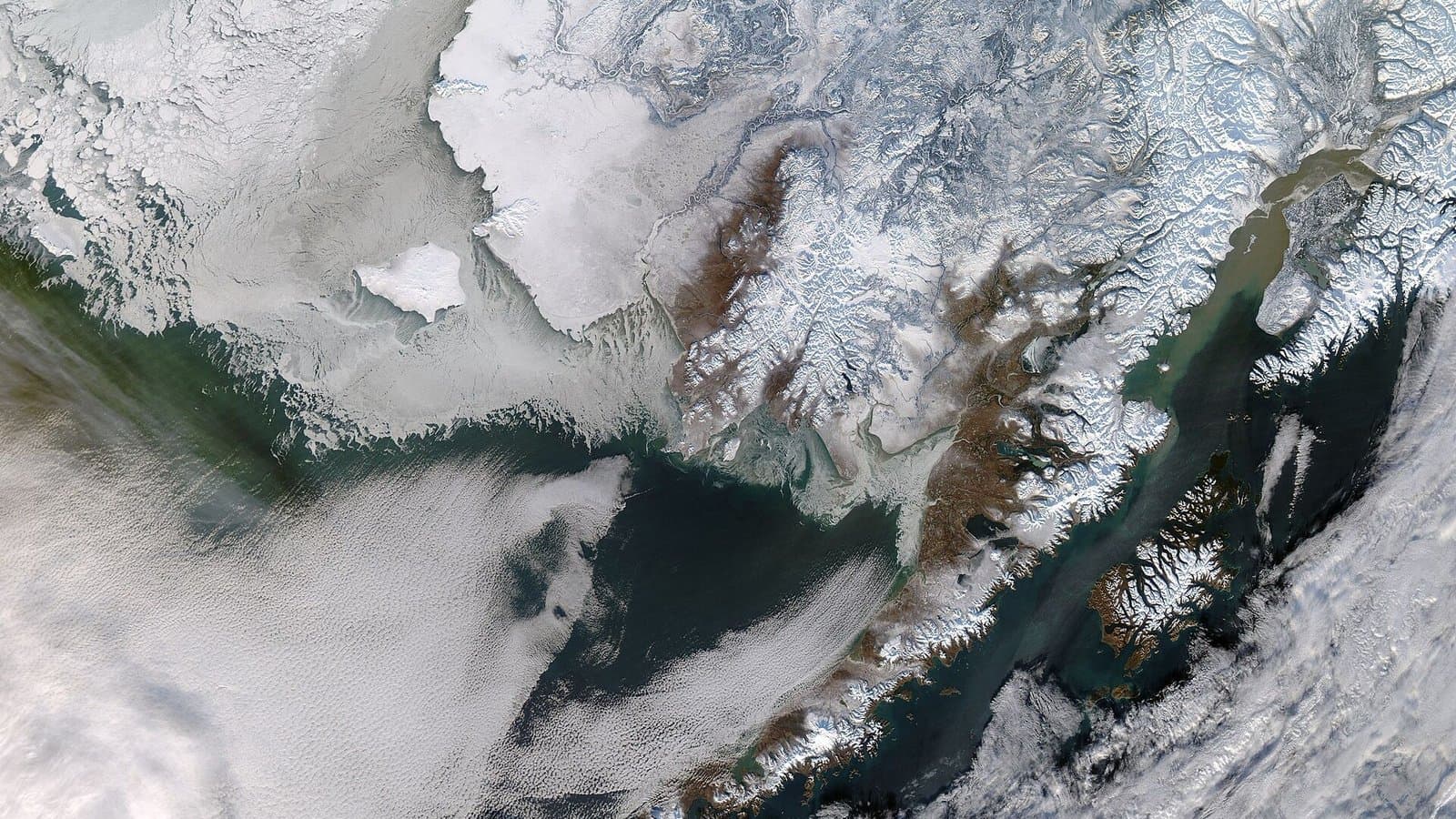
Editorial map (Gemini + Google Maps)
Calista tops 40,100 shareholders as most regional Native corporations enroll descendants
Calista Corporation now has more than 40,100 shareholders, about three times the roughly 13,300 people it enrolled under the 1971 Alaska Native Claims Settlement Act, the Yukon-Kuskokwim regional corporation said this month.
Most of that growth is descendants. Calista shareholders voted in 2015 to issue stock to descendants of original shareholders and to Alaska Natives who missed the original enrollment, and the first shares went out in December 2017.
As of last year, about 81% of Calista's shareholders were enrolled descendants, and two-thirds were 40 or younger, according to its Storyknife newsletter. It says it is the largest Alaska Native corporation by shareholder count.
Nine of the 12 regional corporations have now voted to issue stock to descendants. Who qualifies varies: Doyon and Chugach, for example, limit the new shares to children of original shareholders, and Chugach takes only adults.
Arctic Slope Regional Corporation's shareholders voted to do so in 1989, and it now has more than 14,000 shareholders, nearly four times the 3,738 it had in 1982. Ahtna, Doyon, NANA and Sealaska had also begun issuing descendant shares by 2012, according to a federal Government Accountability Office report. NANA has more than 15,500 shareholders, up from 4,828 in 1982.
Bristol Bay Native Corporation, Bering Straits Native Corporation and Chugach Alaska Corporation voted to open enrollment last fall. Bristol Bay said this summer it would issue the shares in the coming months, and Bering Straits and Chugach plan to start in 2027.
Descendants at those three will get fewer shares than the 100 each original shareholder received: 50 at Bering Straits and Chugach, and 20 at Bristol Bay.
The other three regionals, CIRI, The Aleut Corporation and Koniag, haven't voted to issue stock to descendants. Their descendants can become shareholders when existing shares are gifted or inherited. Koniag has more than 4,700 shareholders, from about 3,400 originals, and CIRI passed 10,000 in September, from 6,276.
Revenue sharing among the regional corporations still follows the original enrollment. Under section 7(i) of the settlement act, each regional corporation divides 70% of its revenue from timber and subsurface resources on its settlement land among all 12, according to how many Natives each region enrolled on the original roll.
That means Calista's share is still figured on its original enrollment, not its 40,100 shareholders, and Sealaska's on about 15,800, though it now has more than 27,000.
Calista's enrollment FAQ says "distributions per share will decrease" as more people share them, and the board expects "some difficulty achieving a quorum" for annual meetings, which requires half of shareholders to take part.
Descendant shares at Calista are life estate shares, which can't be inherited or gifted. They don't receive Elders' Benefit Program distributions or, directly, the 7(j) payments that pass part of that resource revenue on to village corporations and at-large shareholders.
This year's Akilista distribution, $4.95 million in all, works out to about $114 per 100 shares, up from about $106 last year.
Source: Calista, Celebrating 10 Years of Open Enrollment.
Made by our human newsroom with AI. Reviewed by Cale Green. How humans and AI work here · Grow with our newsroom
Stay informed. Support what matters.
Free local news you can verify. Support Maggie AlaskaNews and go ad-free.








Comments
Sign in to leave a comment.
No comments yet. Be the first to share your thoughts.