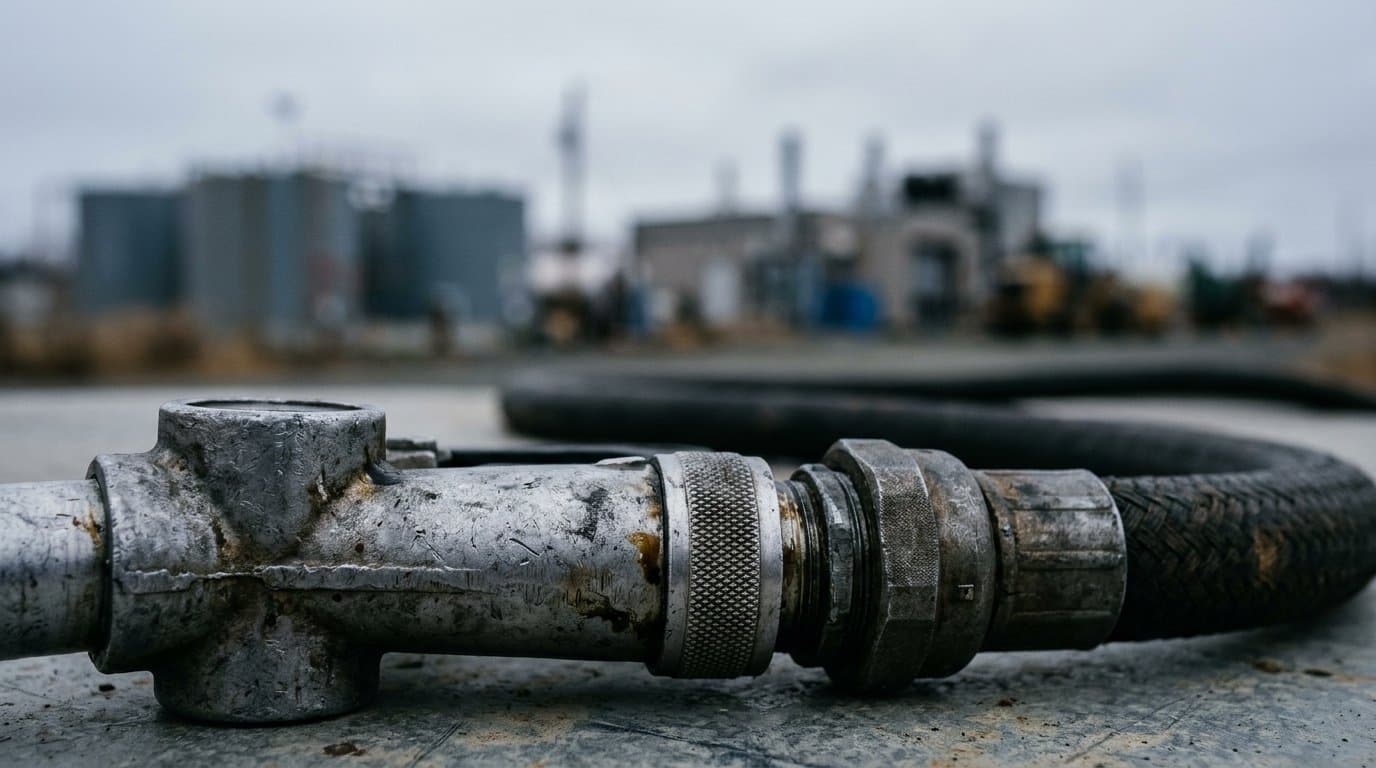
AI image
AVEC says it must raise revenue 10% as delivered fuel costs climb 35% to 40%
The Alaska Village Electric Cooperative needs to bring in 10% more revenue to keep up with its costs, President and CEO Bill Stamm wrote in a column the cooperative posted Wednesday. Fuel for the villages that had received it this year cost 35% to 40% more than last year, he wrote.
AVEC serves more than 31,000 people in 58 communities, from Kivalina to Old Harbor and from Gambell to Minto. Fuel is more than half of its cost of making and delivering power, Stamm said at an energy conference in May, Alaska News reported.
The higher prices work out to $2 to $3 more per gallon of diesel, or 15 to 22 cents more per kilowatt-hour, according to the column, which AVEC says it first published in August. For a household using 500 kilowatt-hours a month, that's roughly $75 to $110 more in fuel costs each month, before any state subsidy.
In most villages served by barge, fuel alone now costs more than 50 cents per kilowatt-hour. "For fly-in fuel, the cost per kWh is over $1/kWh, just for fuel," Stamm wrote. The state's benchmark for what households in Anchorage, Fairbanks and Juneau pay for all of their electricity is 21.85 cents per kilowatt-hour, Alaska News reported in September.
Stamm wrote that the U.S. offensive on Iran, which began at the end of February, disrupted fuel supply chains, and that "vacillating closures" of the Strait of Hormuz will keep causing price spikes and dips in a few communities. Villages that take only one or two fuel deliveries a summer are locked into this year's price for the next year, he wrote in June.
The increase came in below the 50% to 60% AVEC projected in March, and Stamm wrote that deliveries were moving at a normal pace.
Fuel is billed separately. The rest of the bill pays to run 46 power plants, nine standby plants, 590 bulk fuel tanks, 33 wind turbines and 500 miles of power line, with 90 full-time employees. Those costs averaged 36 cents per kilowatt-hour in most communities at the end of 2025, AVEC told state regulators. "There does not appear to be any relief on the horizon for energy rates," Stamm wrote.
AVEC raised its rates in March, a change expected to bring in 2.75% more revenue. In August it proposed another non-fuel increase averaging 4.75%, with Bethel's rising about 30%, that would take effect Nov. 1 if the board approves it.
The state's Power Cost Equalization program, which lowers rates on up to 750 kilowatt-hours a month for homes, got $56 million this year, a 16% increase, Stamm wrote. In September, regulators fixed math errors in AVEC's credits, raising them in 44 of its 46 power systems. Those credits are still based on AVEC's 2025 fuel costs.
Source: Alaska Village Electric Cooperative.
Made by our human newsroom with AI. Reviewed by Cale Green. How humans and AI work here · Grow with our newsroom
Stay informed. Support what matters.
Free, permanent access to local news you can verify. Subscribe to support Maggie AlaskaNews and go ad-free.
Related Coverage
Electric bills would rise in Bethel, Yakutat and 50-plus rural communities
Alaska News · 2mo ago
Bethel-area electric bills would rise about 30% on everything but fuel
Alaska News · 2mo ago
Remote Alaska villages pay $6.63 per gallon as fuel costs strain budgets
Alaska News · 6mo ago
Regulators fix math errors in AVEC power subsidy, raising credits in most villages
Alaska News · 3w ago
Healy Lake fuel surcharge more than triples; 750 kWh bill rises $7
Alaska News · 2w ago
Comments
Sign in to leave a comment.
No comments yet. Be the first to share your thoughts.