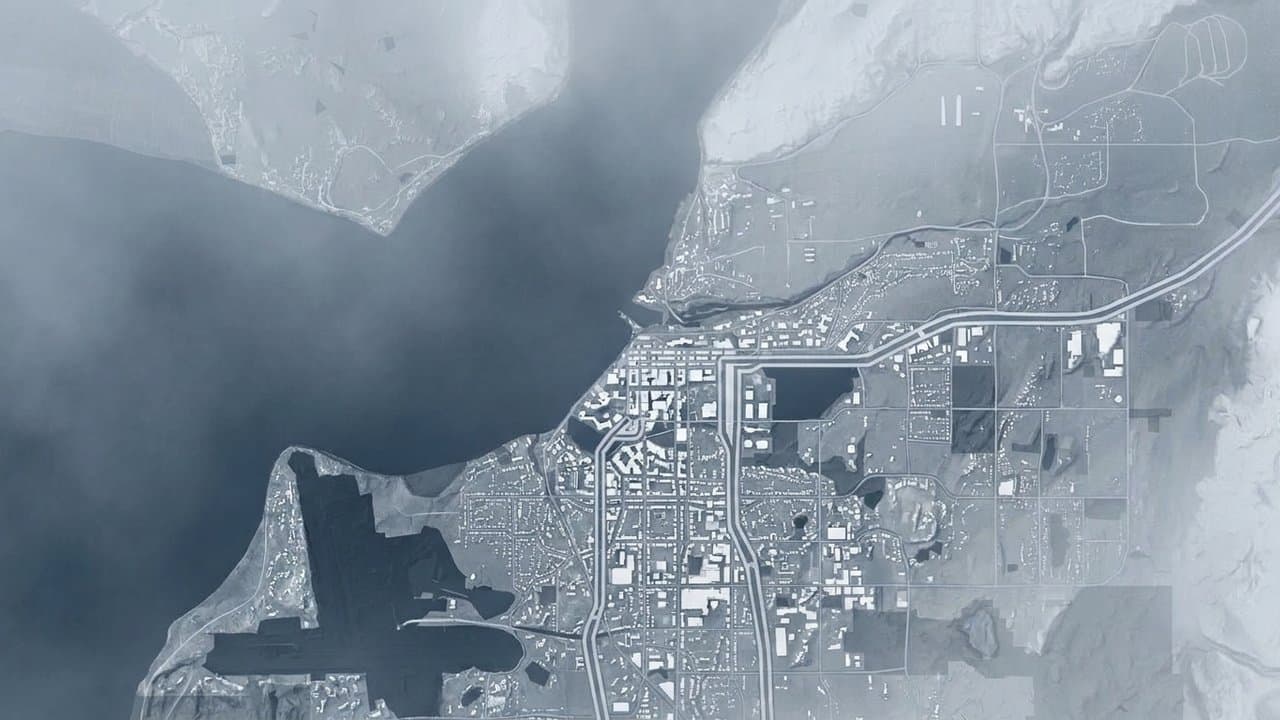
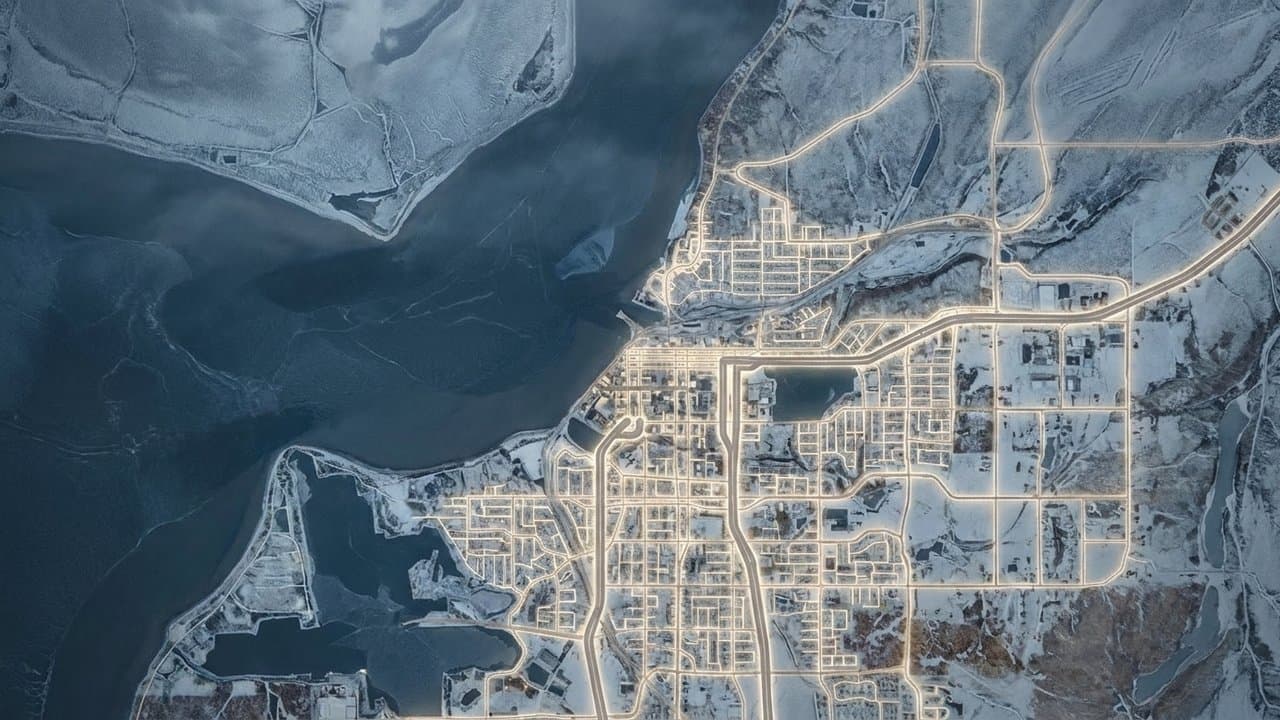
Editorial map (Gemini + Google Maps)
Anchorage's Missing Middle housing plan gets trimmed again before Dec. 1 vote
Anchorage Assembly Members Erin Baldwin Day and George Martinez have rewritten their Missing Middle housing plan ahead of a Dec. 1 vote, adding front setbacks and a limit on big single-family houses.
It grew out of the Transit-Supportive Development Overlay, a broader proposal from Mayor Suzanne LaFrance's administration that went through six versions before it was paused in October 2025. Over those versions, the tallest buildings it allowed shrank from 75 feet to 40, and downtown came off the map.
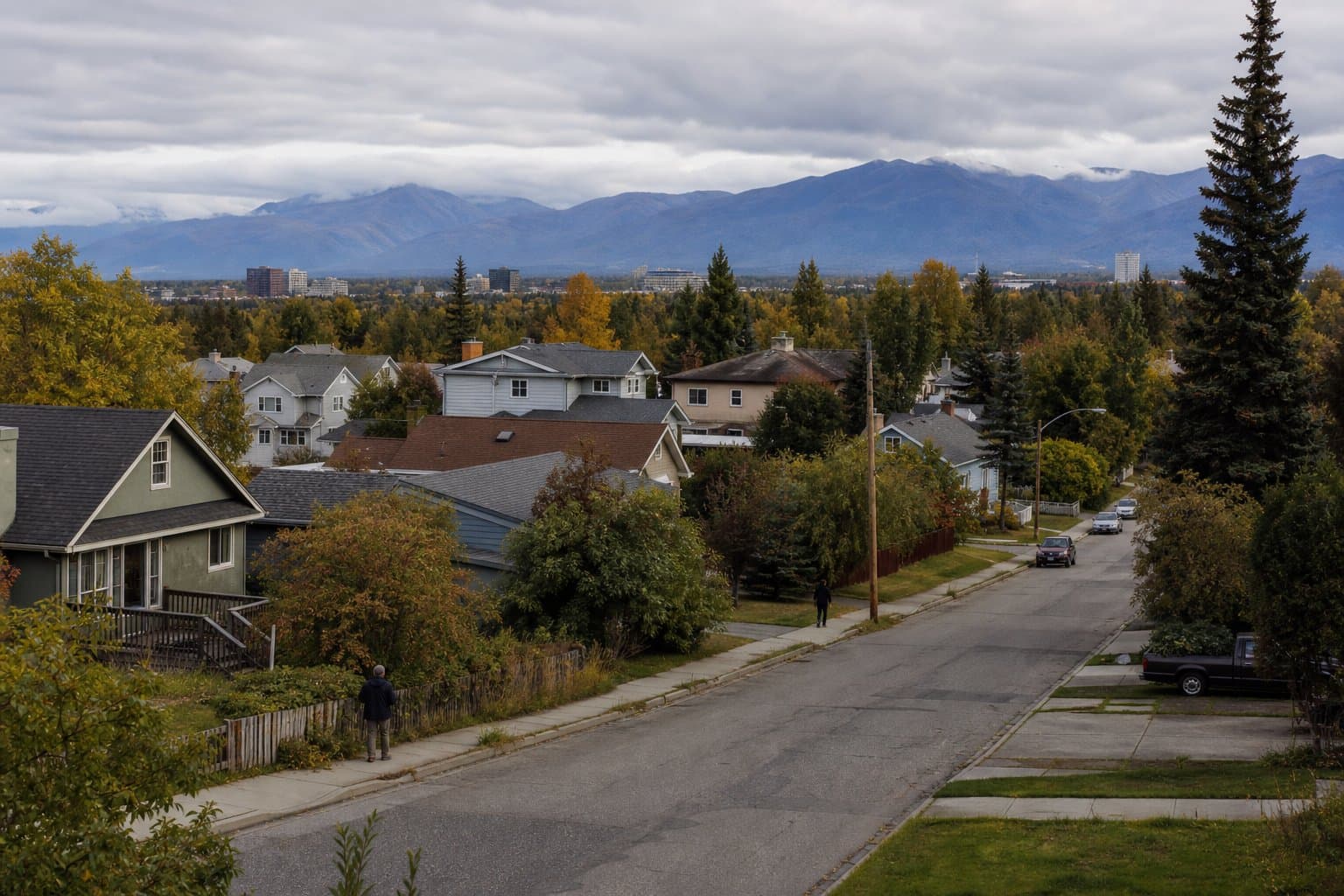
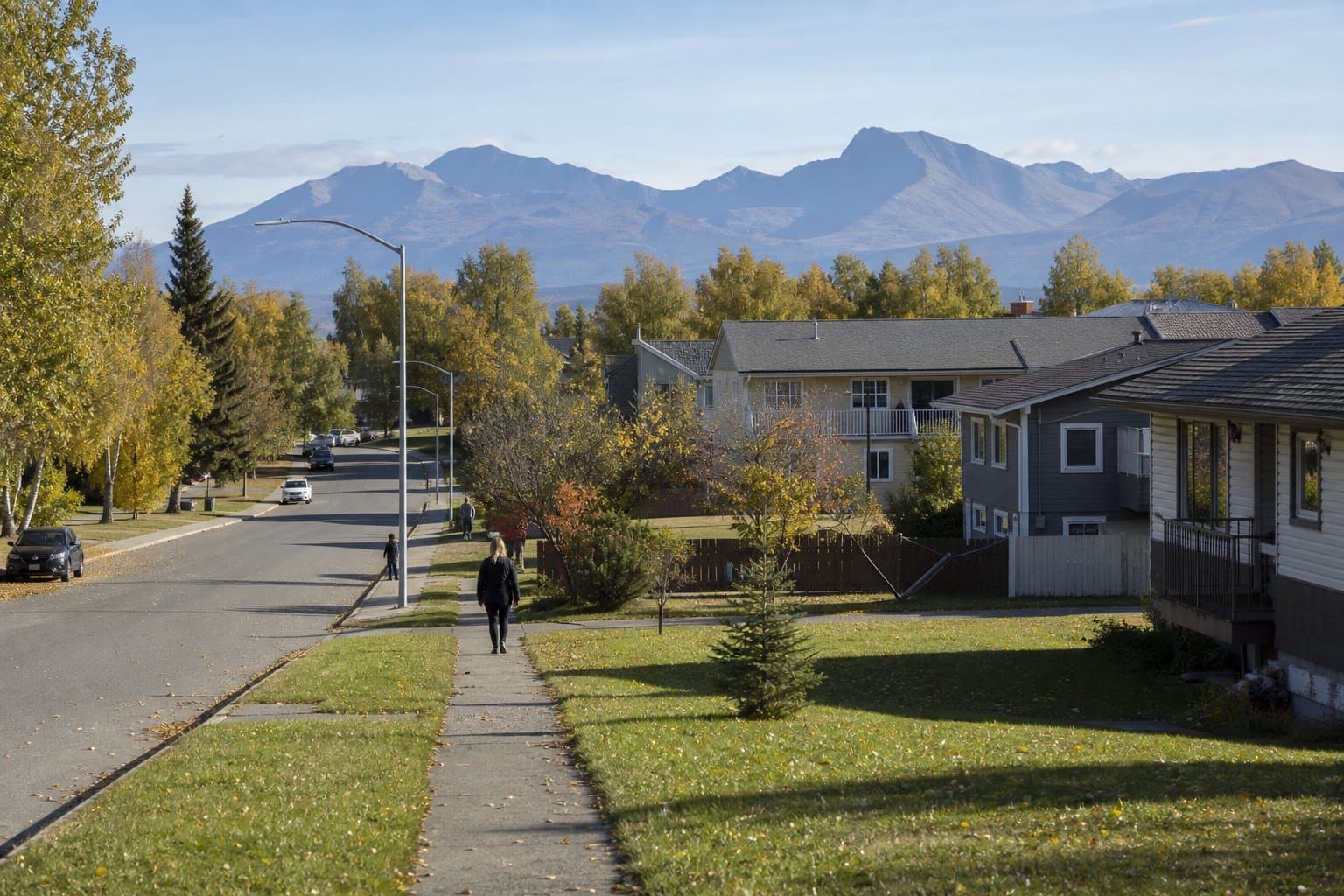
Baldwin Day, of Midtown, and Martinez, of East Anchorage, brought back a scaled-back successor in June. It would let owners along the city's main roads and transit routes opt into building duplexes, triplexes, fourplexes, townhomes and cottage courts without a rezone, on about 28,000 residential parcels. The ordinance points to rents up 50% and home prices up 81% over 15 years, while the area's median income rose 33%.
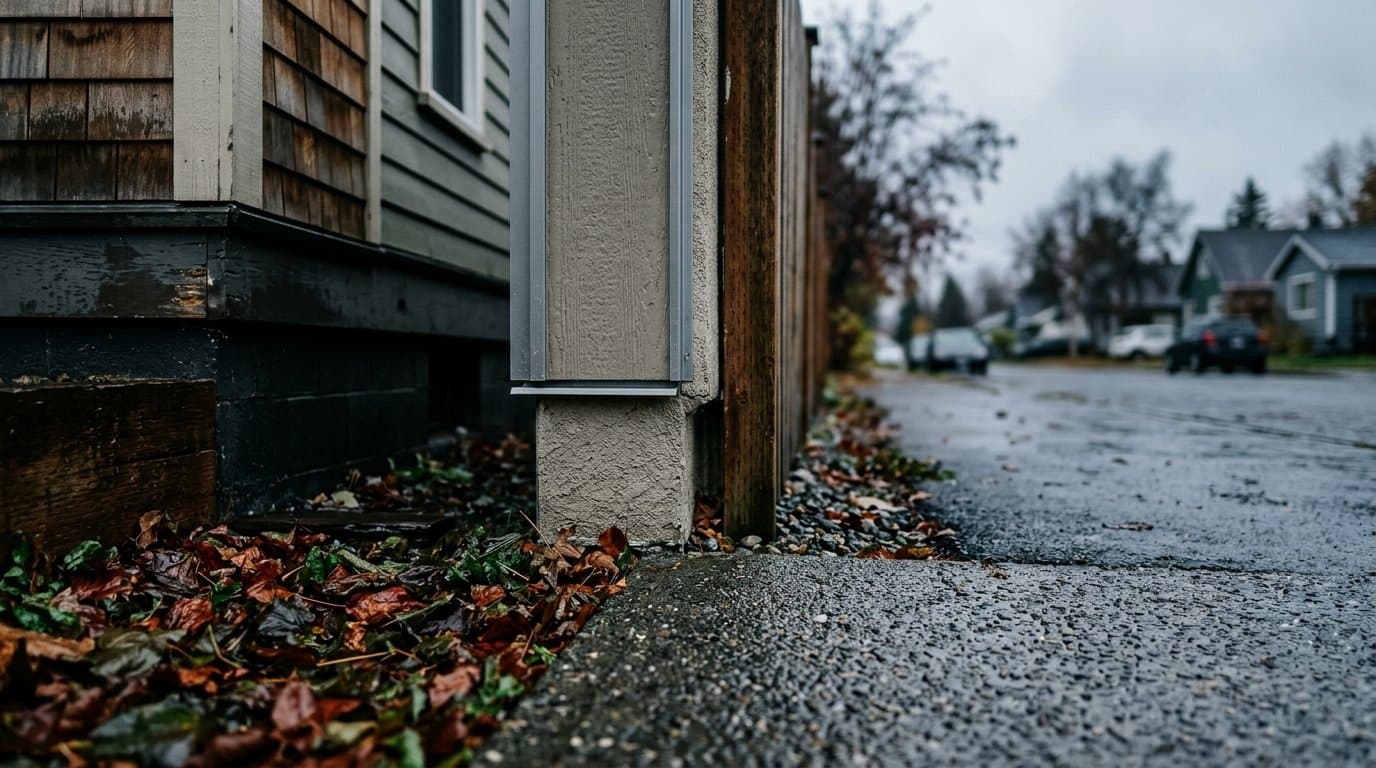
The rewrite takes up many of the changes other members and LaFrance had proposed, some only in part, the sponsors' memo says. Buildings under the overlay would have to sit 10 feet back from the front property line, as LaFrance asked. The original let them go right up to it; a house on a standard single-family lot generally has to sit 20 feet back today.
The overlay would still let buildings cover more of a lot than the city's standard single-family rules do, up to 70% instead of 40%. But what the memo calls an "Anti-McMansion" rule would keep a single-family house on a standard lot from using that bonus unless it adds a second, smaller unit. Projects of eight or more attached units in three of the city's single-family and duplex zones would need the planning director's review.
The new map is bigger. It adds land near a planned 36th Avenue transit route and drops land in Joint Base Elmendorf-Richardson's crash hazard area, Baldwin Day said in September. Height limits stay largely the same, up to 40 feet in most places, and the rewrite leaves out LaFrance's proposed 30-foot cap for more residential zones.
It also keeps seismic hazard zones 4 and 5, the city's highest ground-failure risk areas, which include land that slid in 1964. The city's Geotechnical Advisory Commission urged officials to "weigh the known and well-documented risk of ground failure" there. The Anchorage Home Builders Association called a blanket exclusion "irresponsible."
The sponsors point instead to an October resolution asking the administration to set up a working group to study hazards citywide once the city's updated seismic maps are out.
Midtown Assembly Member Janice Park's version, also on the Dec. 1 agenda, would go further. It would leave out the quake zones and end the overlay's looser rules after 10 years unless enough new housing gets built and a city study finds it hasn't hurt snow plowing or emergency access.
The Assembly has put off the vote twice. Public testimony closed Oct. 7, but written comments are still accepted.
What did you make of this story? (no account needed)
Made by our human newsroom with AI. Reviewed by Cale Green. How humans and AI work here · Grow with our newsroom ·
Keep Alaska News free for everyone.
No paywall, ever. Members pay so everyone can read the meetings and records Alaska News covers.
Get Alaska News in your inbox
Create your free account and get the day’s top stories around 6 each morning, in a few minutes’ read.
Top stories, around 6 each morning.
Stories on what you follow, on Sundays.
Source: Anchorage housing overlay rewrite adds setbacks and review for 8-plus units, leaves quake zones in, heads to Dec. 1 Assembly.








Comments
Sign in to leave a comment.
No comments yet. Be the first to share your thoughts.