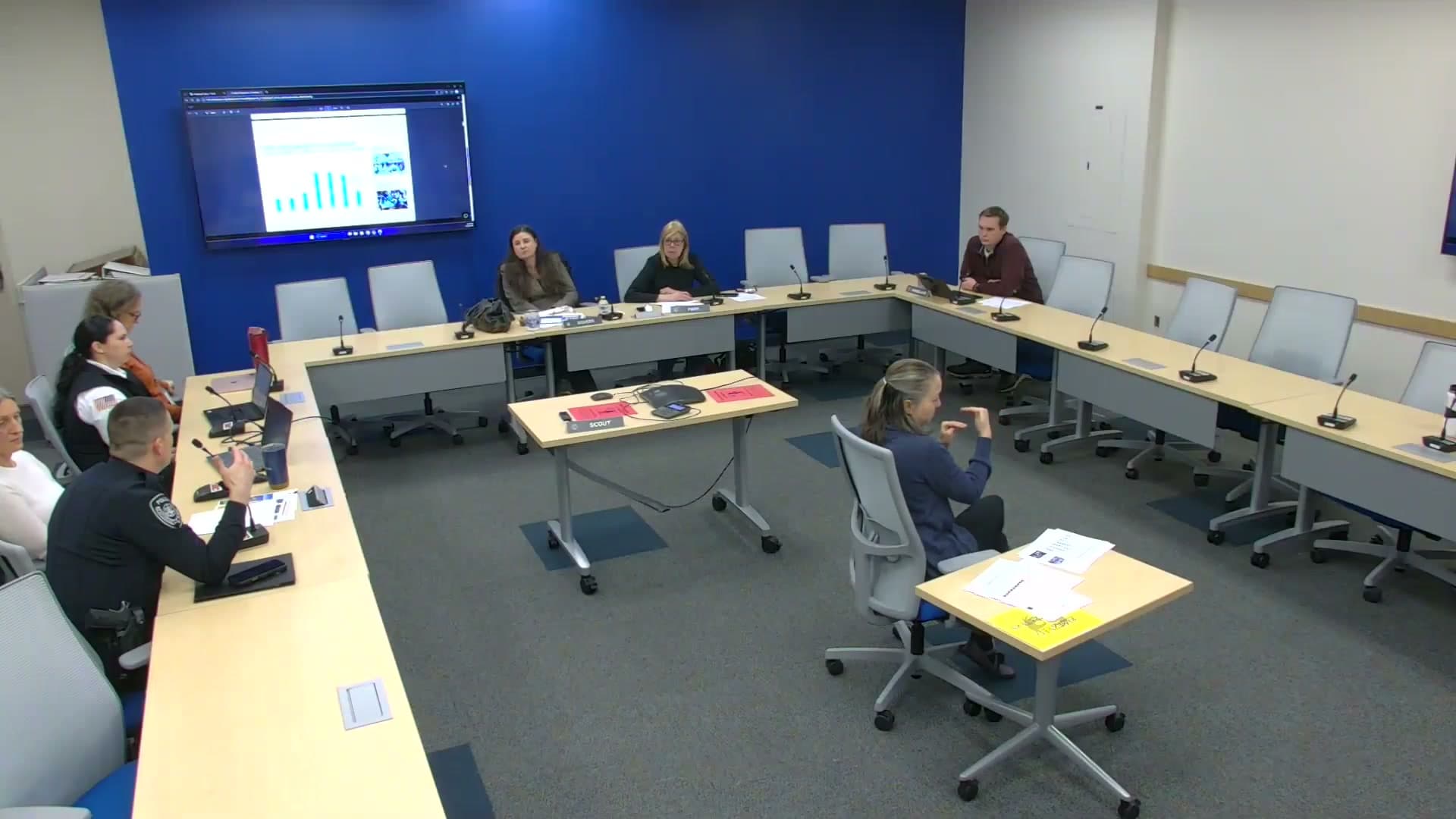
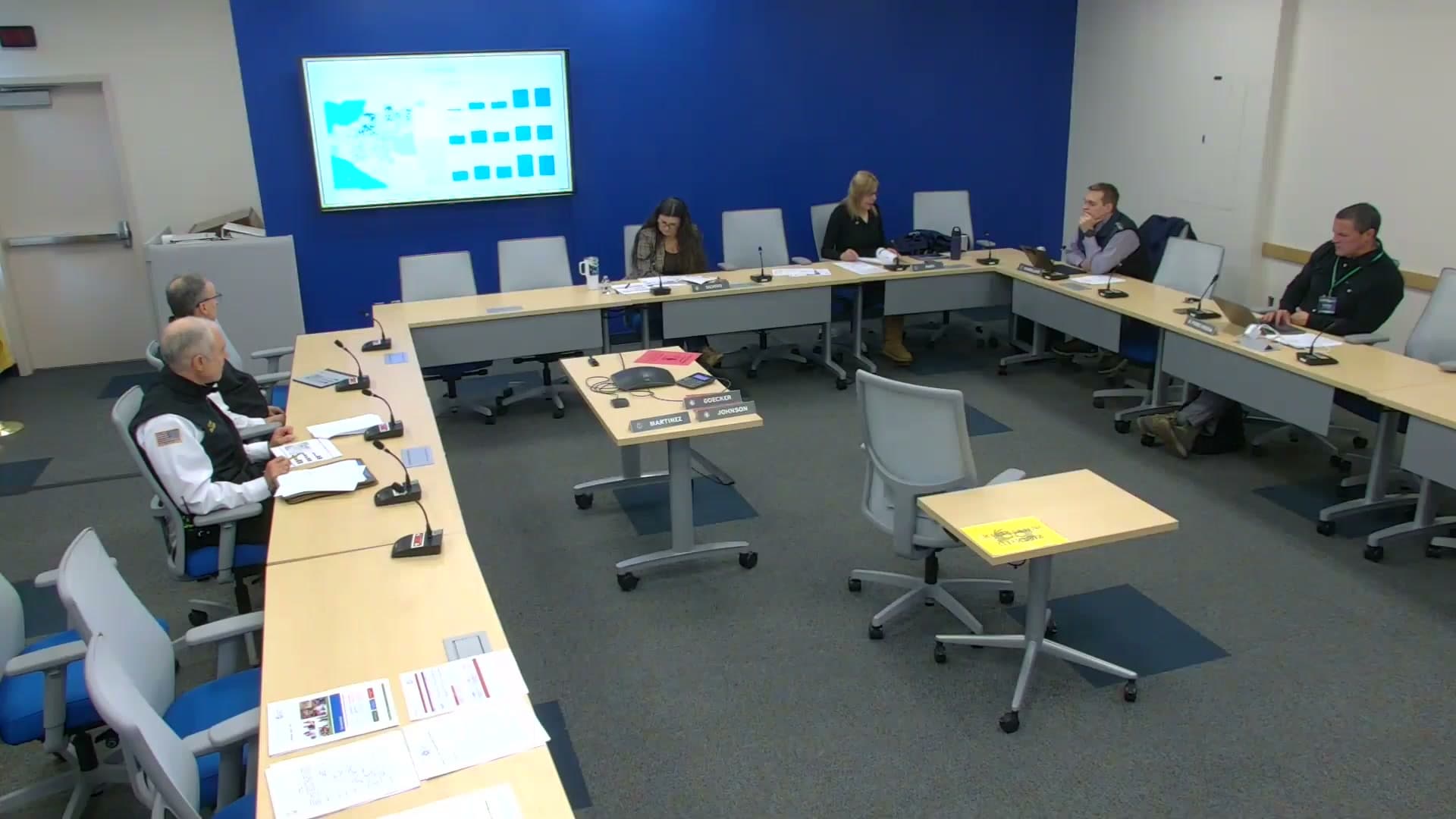
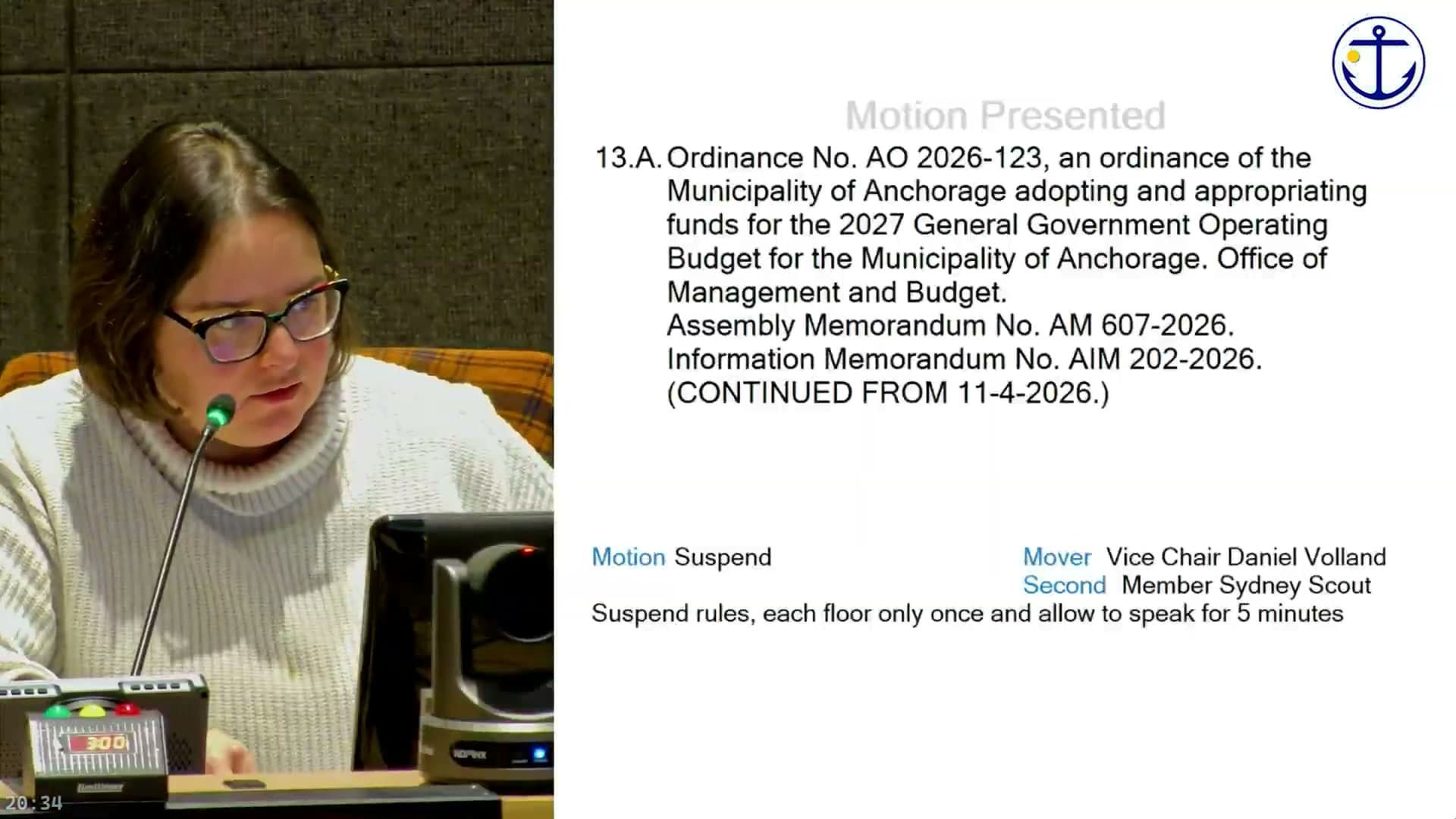
Frame from "Anchorage Assembly: Health & Homelessness Committee Meeting" · Photo source
Anchorage reports drop in homelessness and outdoor deaths as shelters fill
Mayor Suzanne LaFrance's office told an Anchorage Assembly committee Wednesday that the city is counting fewer people experiencing homelessness and fewer deaths outdoors this year. Officials also said emergency shelters are nearly full and a planned housing voucher program won't launch until about March.
The city counted 19% fewer people experiencing homelessness at the end of September than in January 2025, said Thea Agnew-Bemben, special assistant to the mayor. That figure counts people active at month's end in the database the city uses to track homelessness.
The annual point-in-time count, a one-night tally of people in shelters and sleeping outside, found a smaller drop. It counted 1,645 people experiencing homelessness in January 2026, down 6% from 1,748 a year earlier, according to the 2026 Point In Time and Housing Inventory Count. The number sleeping unsheltered fell 28%, to 291 from 402.
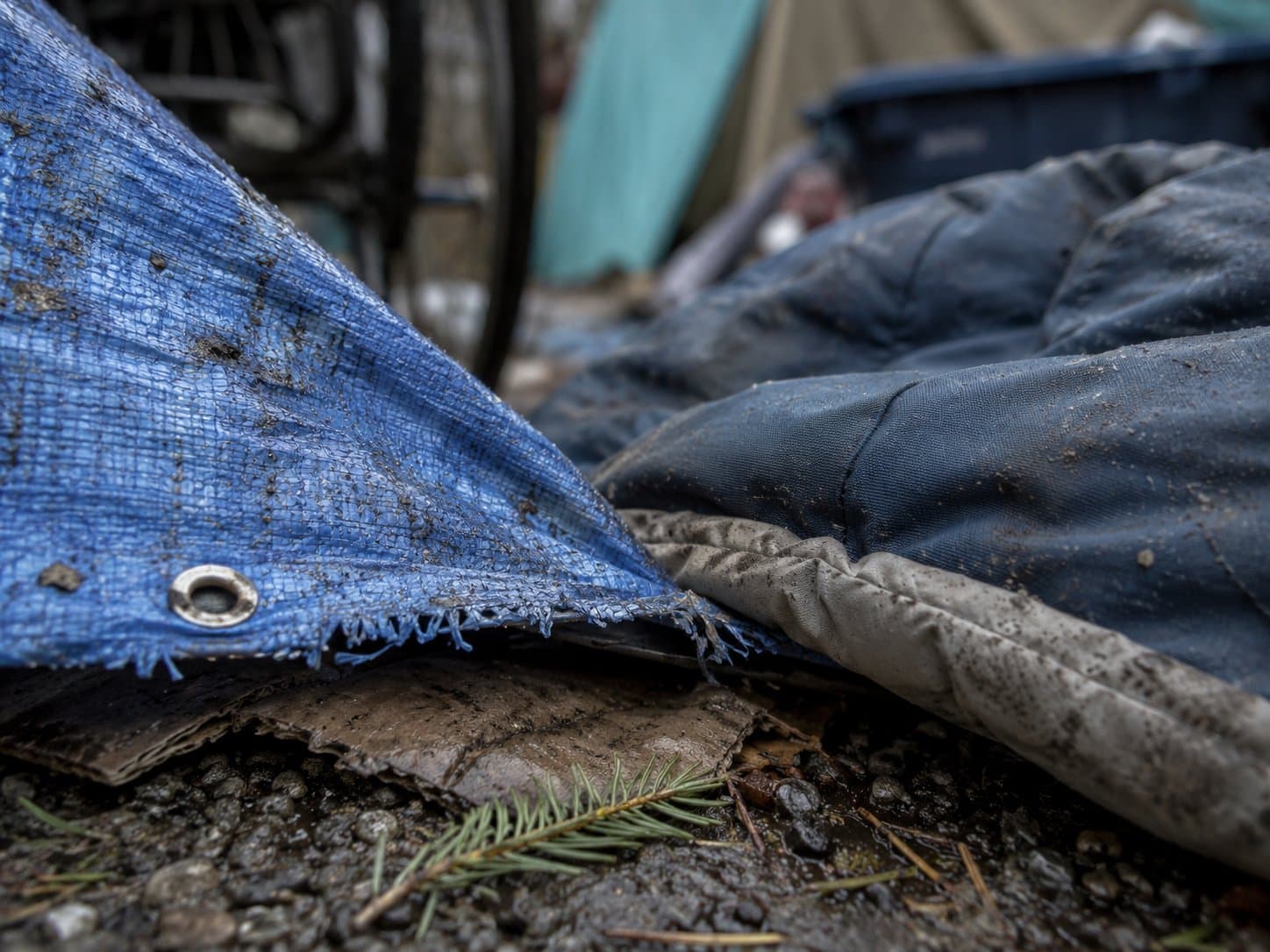
Agnew-Bemben said 23 people had died outside without a fixed address through Nov. 17, with about six weeks left in the year, "23 too many, but that is a significant reduction from last year where we had 45 people by the end of the year." Assembly member Donald Handeland asked whether the police definition of an outdoor death had changed. "This is not any drastic definition change," said Anchorage Police Chief Sean Case, who put the variation at about two cases either way.
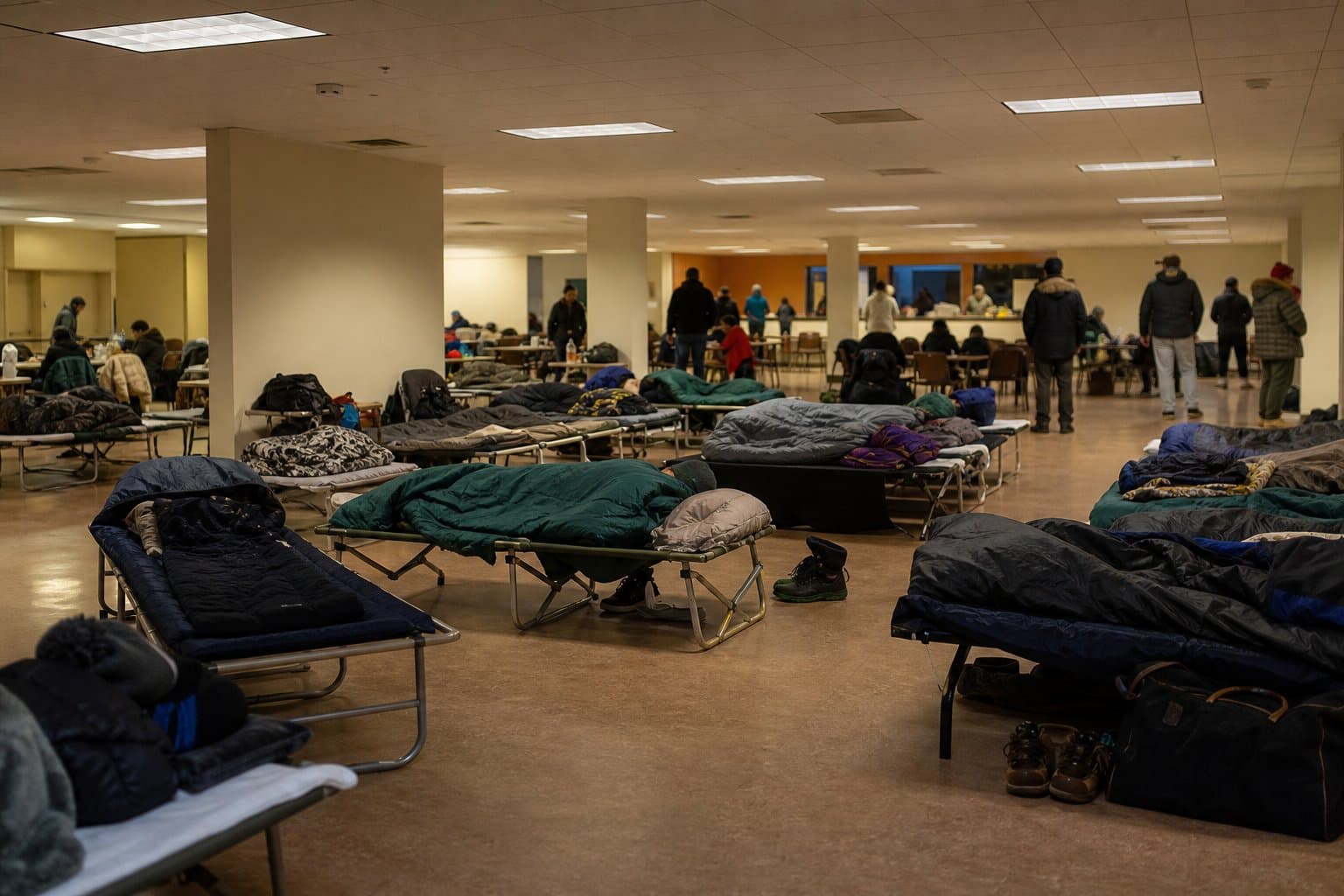
Emergency shelters were 97% occupied through the third quarter, Agnew-Bemben said, and the Safety Center turned some people away over the weekend. The city added 10 beds at the East 56th Avenue shelter Wednesday and plans 20 more Monday. About 16% of people leaving shelter go straight into permanent housing, she said, and where about 34% go is unknown.
The voucher program, a partnership with the Alaska Housing Finance Corporation, would provide about 40 vouchers a year to people experiencing homelessness who are ready for housing, with the city and AHFC each putting in $250,000, according to a June committee presentation. The city's share is federal HOME housing money.
In October, Agnew-Bemben said the program should start "hopefully in the next couple months." On Wednesday, Jed Drolet, the Health Department's community systems program manager, said the department will wait until a case-management contract is in place, probably in March. The decision followed guidance from the administration and Assembly member Erin Baldwin Day, who had questioned in October whether existing case management would be enough.
The department plans to seek an experienced nonprofit to provide that case management, paid for with Community Development Block Grant money. Drolet said the contract should reach the Assembly in February or early March, and the AHFC agreement could come Dec. 15.
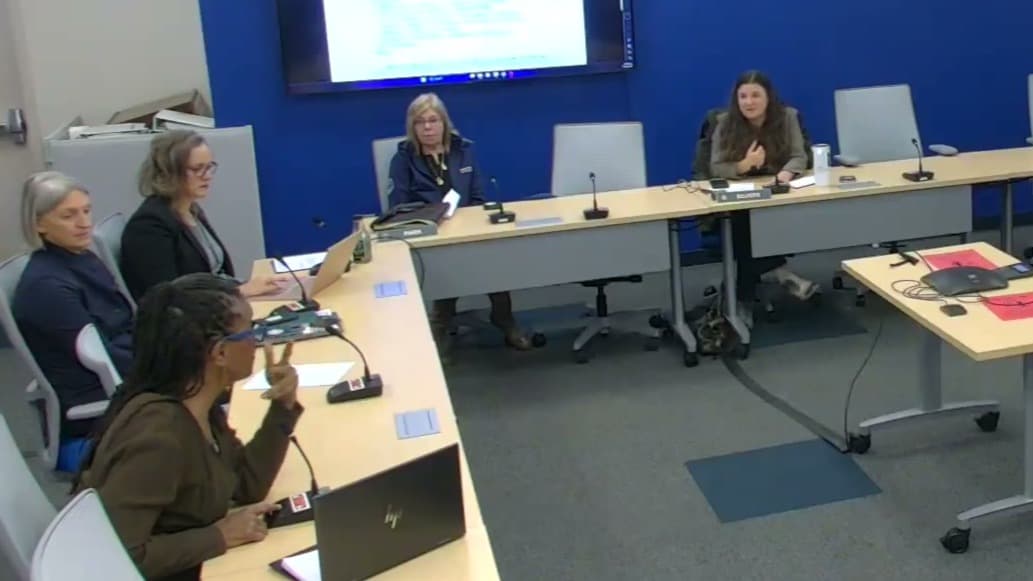
Committee chair Yarrow Silvers welcomed the pairing, saying vouchers are "more successful in being able to keep people housed when you pair it with case management." Agnew-Bemben acknowledged the wait. "It might seem like it's taking a while, but believe me, I've been waiting probably 15 years for that to happen," she said.
She credited the year's results in part to a strategy paid for by the alcohol tax, general government money, opioid settlement funds and the state Rural Health Transformation Program. There are no large encampments in the municipality now, she said; the city carried out 32 camp abatements from 2023 through 2025 and one this year, in Far North Bicentennial Park.
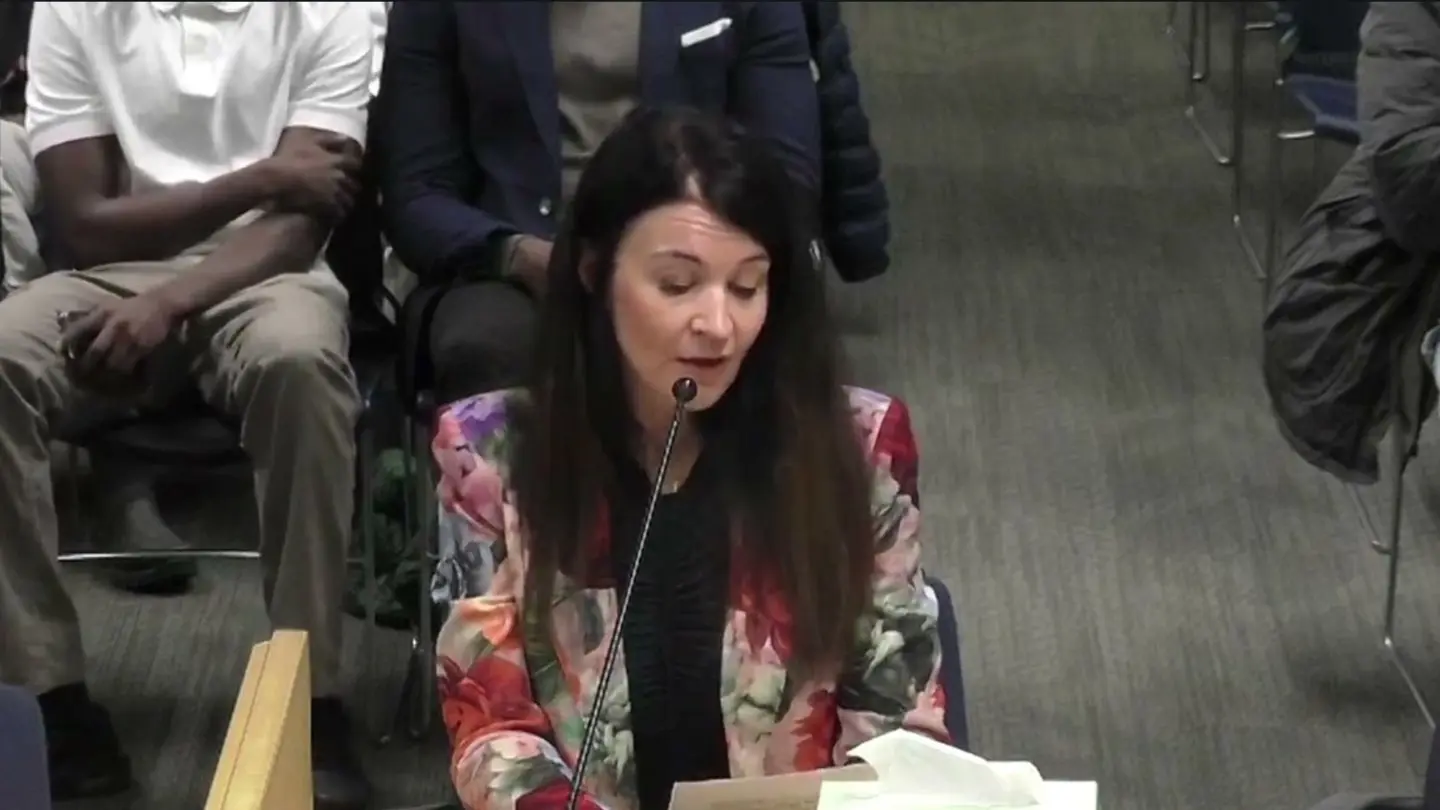
During public comment, Jamie Lopez of East Anchorage, who described being formerly homeless, cited a Health Department presentation earlier this month showing a spike in cold-related injuries in 2026 and tied it to the city's camping ordinance, which police began enforcing in September 2025. Lopez said that data should have been part of Wednesday's presentation. Lopez described a man who lost toes to frostbite after being discharged when no shelter beds were open. "I am telling you right now, you're not helping people," Lopez said.
Phil Cannon, president of the Mountain View Community Council, pointed to the 16% of people leaving shelters for permanent housing and said the city should consider incentives to raise it.
The Health Department is also rewriting its request for proposals for a night-only shelter after the city rejected both proposals it received. Director Kimberly Rash said the new solicitation should go out later this month. Drolet offered the committee a fuller update on the vouchers in December.
What did you make of this story? (no account needed)
Made by our human newsroom with AI. Reviewed by Cale Green. How humans and AI work here · Grow with our newsroom · Transcript byWalter AlaskaNews
Keep Alaska News free for everyone.
No paywall, ever. Members pay so everyone can read the meetings and records Alaska News covers.
Get Alaska News in your inbox
Create your free account and get the day’s top stories around 6 each morning, in a few minutes’ read.
Top stories, around 6 each morning.
Stories on what you follow, on Sundays.
This article is based on a public meeting of Municipality of Anchorage — Anchorage Assembly: Health & Homelessness Committee Meeting ().








Comments
Sign in to leave a comment.
No comments yet. Be the first to share your thoughts.