The federal unit handling Alaska's MMIP cases can't return a family's calls
The Bureau of Indian Affairs runs a single Missing and Murdered Unit responsible for unsolved cases across Indian Country — including Alaska, which ranks among the highest in the nation for rates of missing and murdered Indigenous people. On Tuesday, a grieving family told Congress that unit had not returned their calls in 10 months.
Grace Bulltail, a Crow Nation professor at the University of Wisconsin-Madison and a former Not Invisible Act commissioner, testified that for 10 months her family has asked the MMU to schedule a half-hour call about her niece's unsolved murder. "The response we got was that they do not have time to talk to us," she said. The agent who led the case was reassigned and has since resigned.
Her niece, Kaysera Stops Pretty Places, was killed on Aug. 24, 2019. Bulltail testified that her family was not told until four years later that the county still held several of Kaysera's facial bones — the only remains left after the coroner cremated her body against the family's wishes.
The unit's reach is why the testimony matters far beyond one case. Alaska reported 155 missing and murdered Indigenous cases in 2023, and Alaska Native people experience violent crime at disproportionate rates. Those cases run through the same federal system Bulltail described.
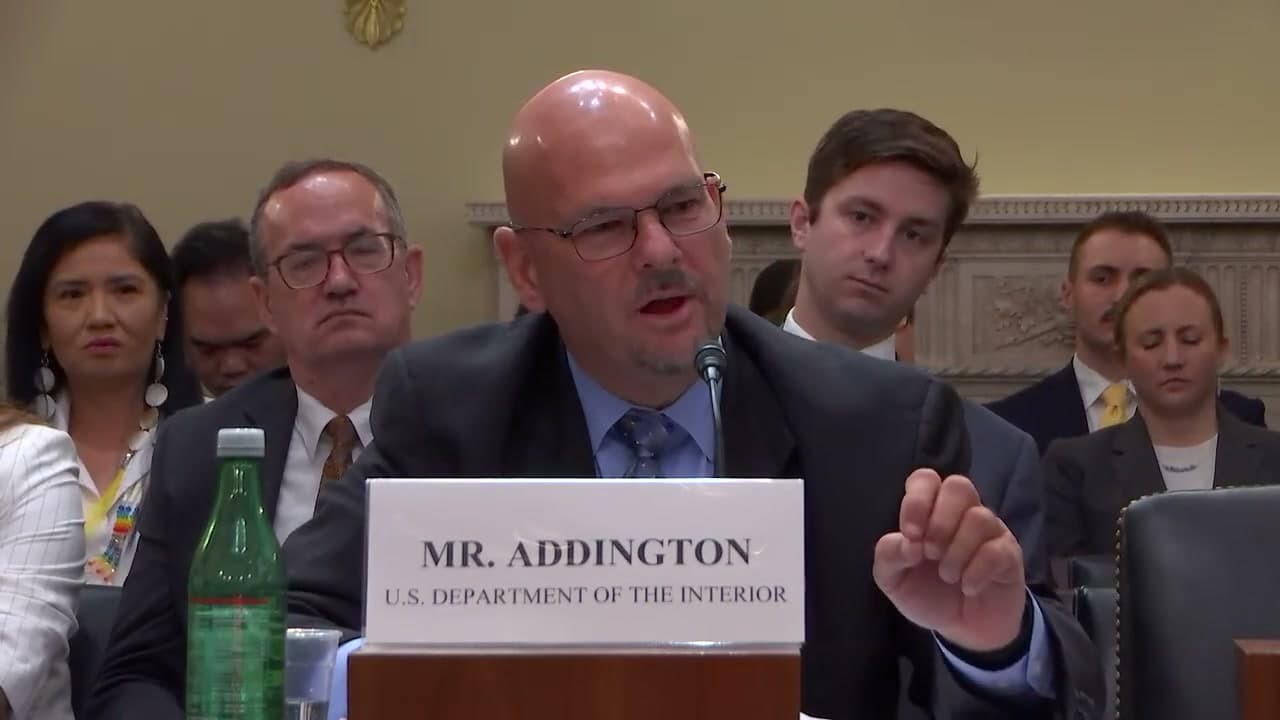
Charles Addington, who directs the BIA Office of Justice Services, told the committee a May 2026 order had refocused the MMU — moving agents off predatory-crime work and back to missing-person reports and cold cases — and that a new division chief had been hired. The unit had about 1,485 active cases as of June 30. Asked about the wait families face, he said: "We, we can always do better."
This article is based on a public meeting of House Natural Resources Subcommittee on Oversight and Investigations (Begich) — House Natural Resources Subcommittee on Oversight and Investigations (Begich): Oversight Hearing on “Innovative Technologies and Initiatives to Tackle the MMIP Crisis in Indian Country” ().
Made by our human newsroom with AI. How humans and AI work here · Grow with our newsroom Transcript byLucas Brown
Watch key moments from the source meeting. Click to expand.
Stay informed. Support what matters.
Free, permanent access to local news you can verify. Subscribe to support Maggie AlaskaNews and go ad-free.
Related Coverage
Murkowski presses federal law enforcement on Alaska trafficking, missing Indigenous people
Alaska News · 5mo ago
FBI steps up Alaska security task force, adds agents to state
Alaska News · 4mo ago
One new rural Alaska prosecutor, against deep tribal-justice cuts
Alaska News · 2mo ago
House panel hears bill to move tribal regulatory authority to Interior
Alaska News · 4mo ago
Alaska Native Women Face Trafficking Risks Across Rural and Urban Areas
Alaska News · 5mo ago
Comments
Sign in to leave a comment.
No comments yet. Be the first to share your thoughts.