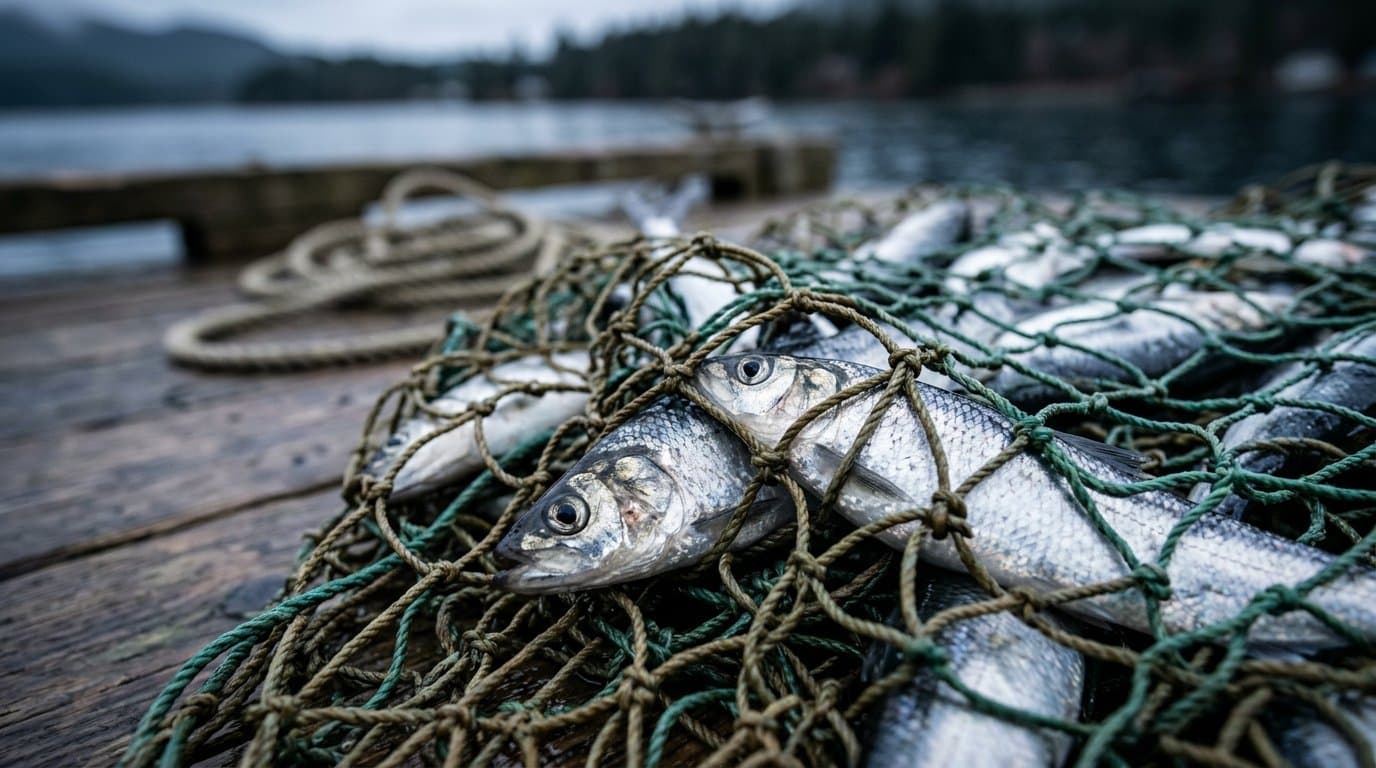
AI image
Alaska seafood harvesting jobs grow 4 percent in 2025, state report says
Alaska's seafood harvesting jobs grew 4 percent in 2025, the first increase after five straight years of losses, according to the November issue of Alaska Economic Trends, released Monday by the Alaska Department of Labor and Workforce Development. The figures track skippers and crews.
The gain averaged 216 jobs, wrote department economist Joshua Warren: a small fraction of the 2,300 jobs lost since 2019, but the largest single-year gain in more than a decade.
Warren traced the recent losses mostly to shortened seasons and closures in major fisheries such as Bering Sea crab, some of which reopened in 2025. Because harvesters are self-employed, the department estimates job counts from landings, the first sale of a catch.
Salmon, which accounts for more than half of harvesting jobs, grew 7 percent, or about 190 jobs, after losing around 1,500 from 2019 to 2024. The report says Alaska had a good salmon year, partly because of a surge in odd-year pink salmon. Halibut harvesting lost 60 jobs, almost 7 percent. Only the Aleutians and Pribilof Islands lost fishing jobs.
Even at the July peak, Alaska had about 17,400 harvesting jobs, well below the mid-2010s peaks of around 24,000.
The losses came during a broader downturn. A NOAA Fisheries economic snapshot found the Alaska seafood industry lost $1.8 billion from 2022 to 2023, with profitability halved from 2021 to 2023. Vessel revenues fell 32 percent, or $617 million, from 2022 to 2023.
At a June 4, 2025, oversight hearing of the U.S. House Subcommittee on Water, Wildlife and Fisheries, Alaska Marine Conservation Council deputy director Jamie O'Connor said, "Profitability dropped by half, nearly 7,000 fishing related jobs disappeared."
At the same hearing, Larson Hunter, chairman of the Coastal Villages Region Fund, testified that the fund serves more than 9,000 people across 20 villages. It earned about $90 million a year before the downturn, two-thirds of that from pollock.
The whole seafood industry, including processing, employs more than 41,800 workers a year and contributes $5.2 billion to Alaska's economy, according to Alaska Seafood Marketing Institute figures cited at a September gubernatorial fisheries debate in Kodiak.
Made by our human newsroom with AI. How humans and AI work here · Grow with our newsroom
Get Alaska News in your inbox
Create your free account and get the day’s top stories around 6 each morning, in a few minutes’ read.
The day's top stories around 6 each morning. Unsubscribe in one click.
Based on a press release from Alaska Department of Labor and Workforce Development.











Comments
Sign in to leave a comment.
No comments yet. Be the first to share your thoughts.