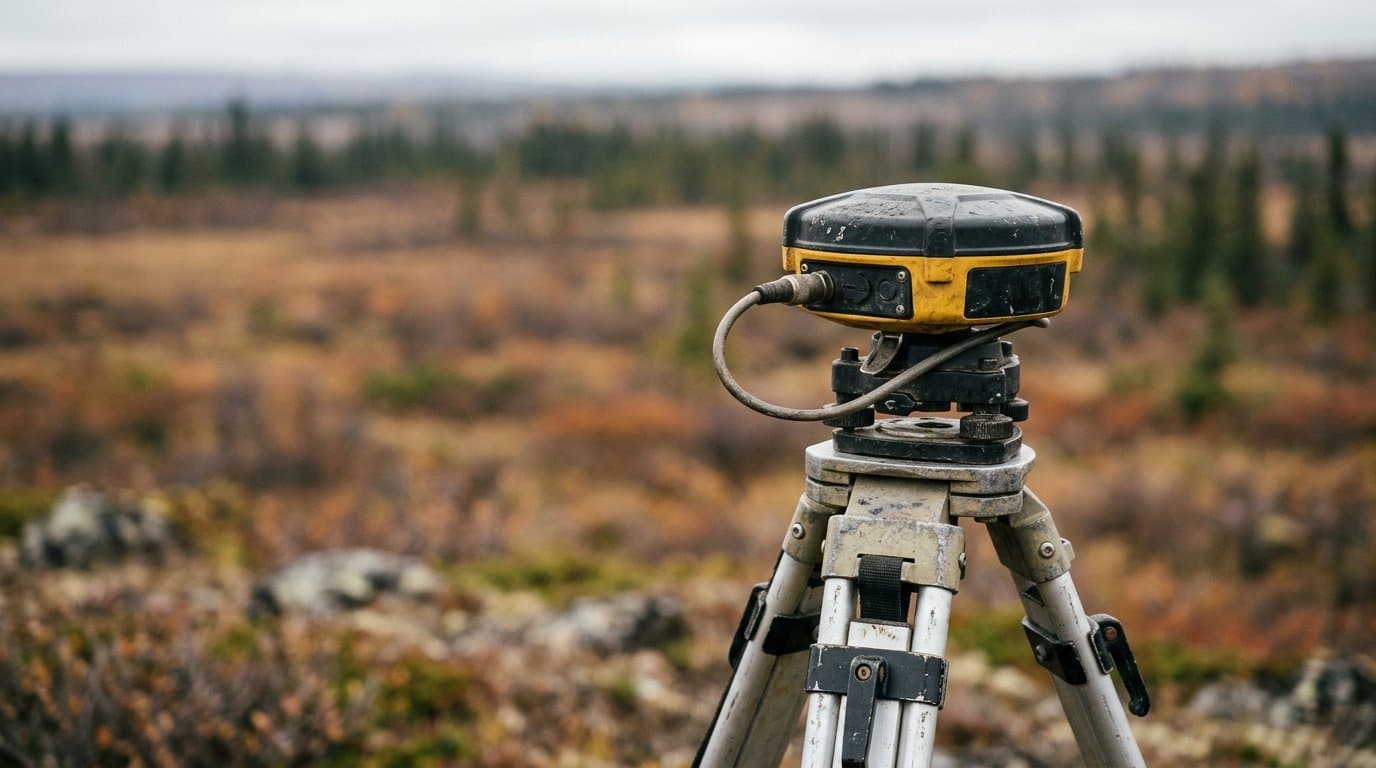
AI image
Alaska gets $1 million to standardize rural addresses for 911 responders
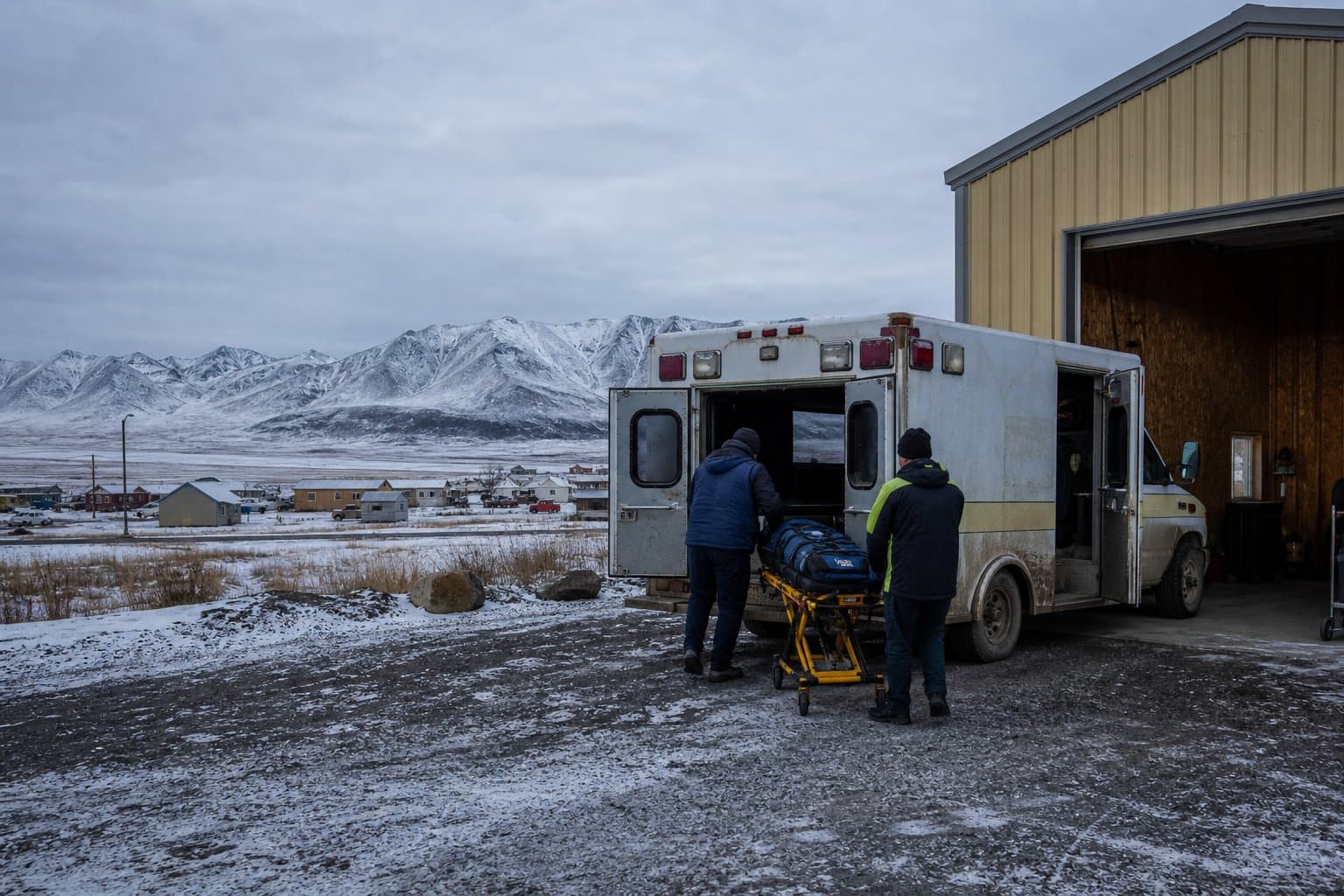
The Alaska Department of Public Safety has $1 million in federal money to create standard street address data for communities in the unorganized borough, where missing addresses can slow 911 responders, according to the project description.
The U.S. Department of Justice obligated the grant Sept. 30. The description, in federal spending records, says large parts of the state's unorganized borough have no standardized physical addresses. Without mapped address points and consistent road names and numbers, "responders face delays locating incidents," it says, and state and local agencies struggle to share location information.
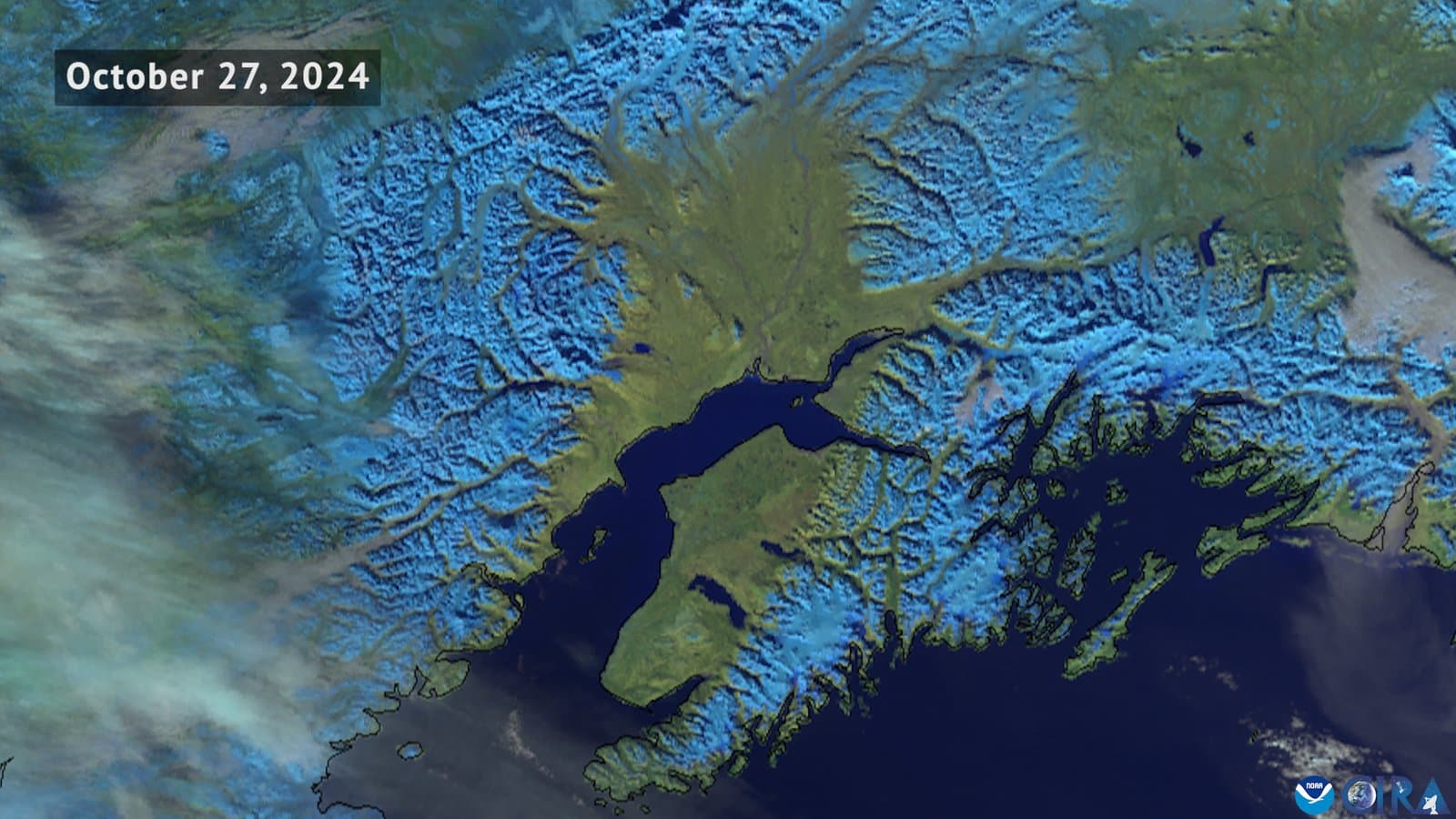
The unorganized borough is the part of Alaska with no borough government, much of it rural. It is home to about 74,448 people, roughly 10% of the state's population, a state official told a House committee in April.
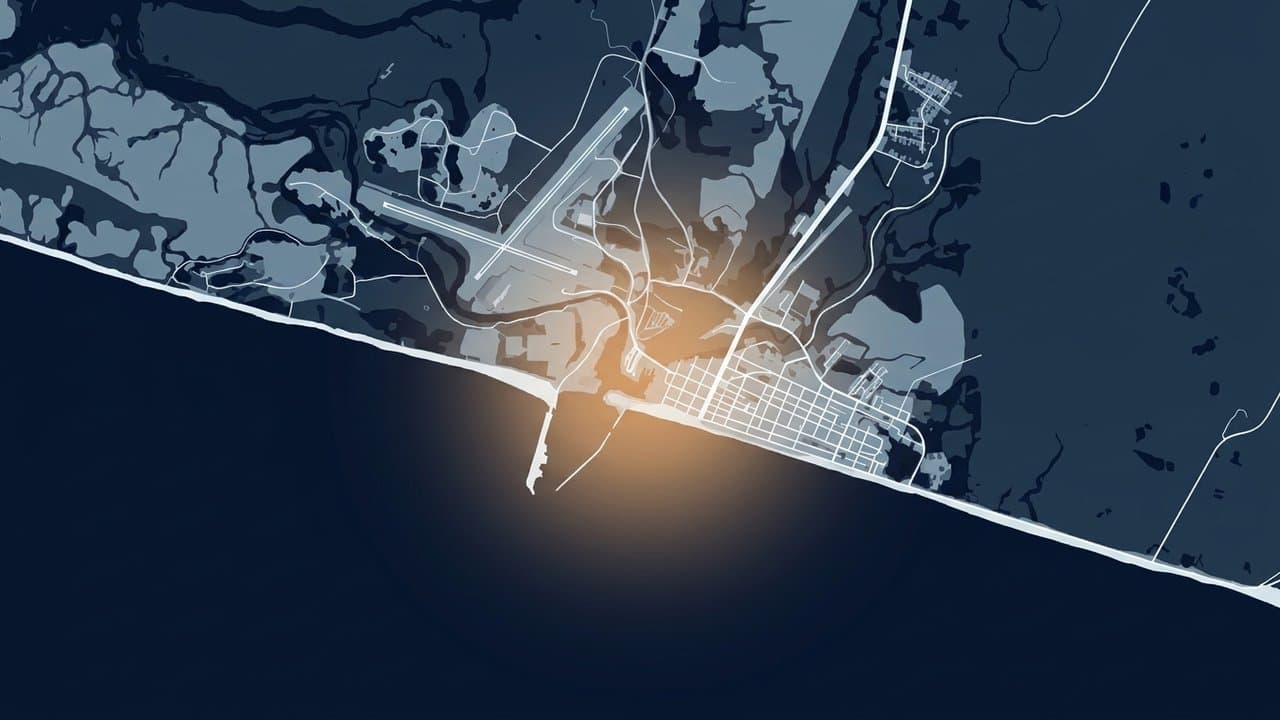
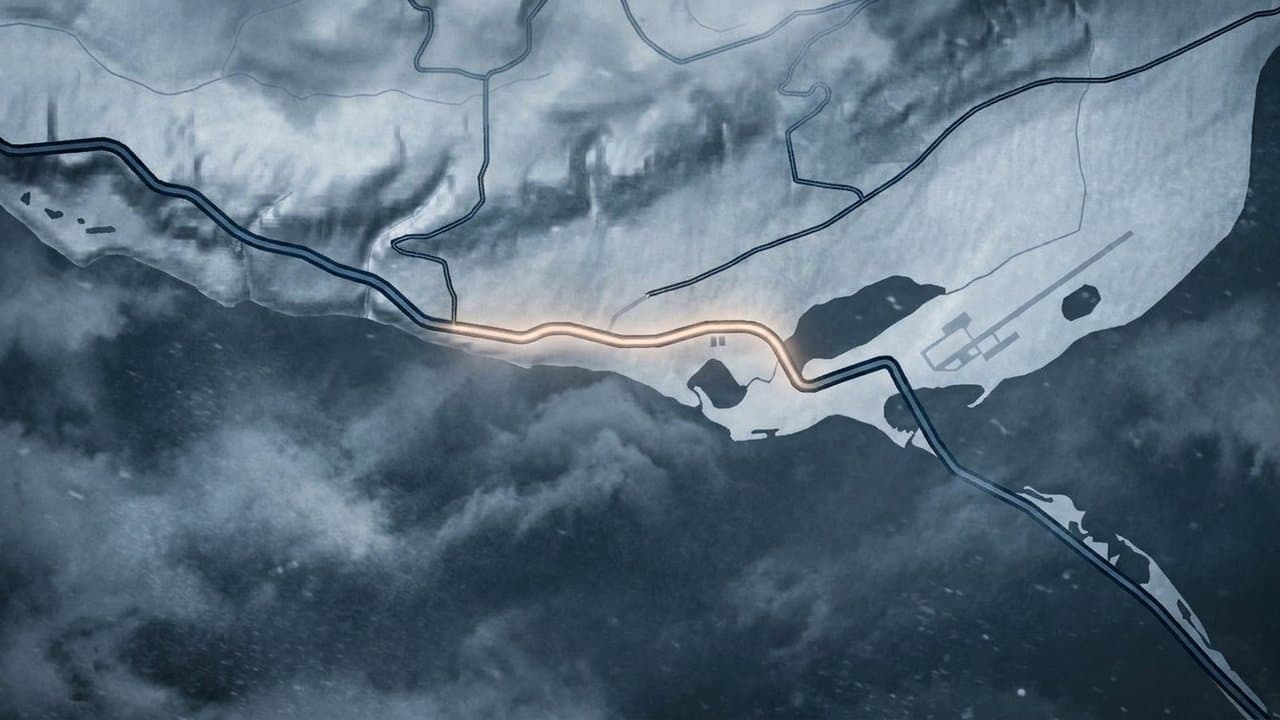
Public Safety plans to write an Alaska addressing standard based on national guidance, then build address data for communities in the unorganized borough, including the locations of addresses and the lines of roads, in a form mapping software can use. It plans to work with local communities, tribal organizations, regional partners and hired technical help, and to do outreach in the communities.
The finished data would be posted to the state's open data geoportal, an online collection of map data, for 911 centers, public safety agencies and the public to use.
The description says the work will cut response times and help prepare Alaska for Next Generation 911, the internet-based emergency call systems that rely on precise location data. It also says the gaps affect law enforcement dispatch and victim services.
The money is a congressionally recommended award, one of the community projects Congress recommends for funding. Federal records show it as obligated, not yet spent. The grant runs from Oct. 1 through Sept. 30, 2030.
What did you make of this story? (no account needed)
Made by our human newsroom with AI. Reviewed by Cale Green. How humans and AI work here · Grow with our newsroom ·
Keep Alaska News free for everyone.
No paywall, ever. Members pay so everyone can read the meetings and records Alaska News covers.
Get Alaska News in your inbox
Create your free account and get the day’s top stories around 6 each morning, in a few minutes’ read.
Top stories, around 6 each morning.
Stories on what you follow, on Sundays.
Source: U.S. Department of Justice.




Comments
Sign in to leave a comment.
No comments yet. Be the first to share your thoughts.