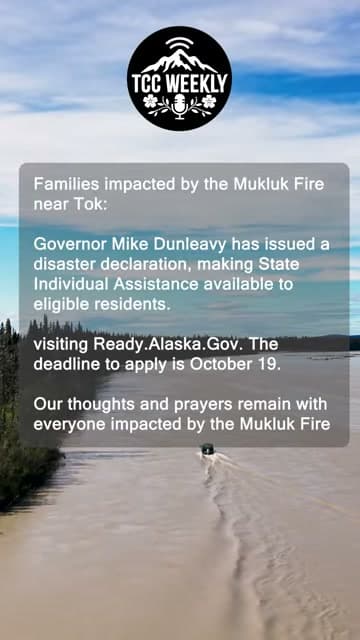
Frame from "Tanana Chiefs Conference: TCC Weekly Episode 61" · Source
AFN holds subsistence listening session in Fairbanks on Aug. 31
Tribal leaders, elders and subsistence harvesters near Fairbanks can share their experiences, concerns and priorities with the Alaska Federation of Natives on Monday, Aug. 31. AFN has scheduled a subsistence listening session from 11 a.m. to 3 p.m. at Chief David Salmon Tribal Hall.
"AFN is hosting a subsistence listening session on Monday, August 31st, from 11 a.m. to 3 p.m. at the Chief David Salmon Tribal Hall in Fairbanks," said Darlene Huntington, deputy pharmacy director at Tanana Chiefs Conference, on the organization's weekly broadcast. Lunch will be provided. Youth, natural resource staff and community members are invited alongside harvesters.
"If you can't attend in person, comments can be submitted online through September 30th at nativefederation.org," Huntington said.
The Fairbanks session is one stop in AFN's "Guided by Community Voices" series. A session in Dillingham was held Aug. 12 at the high school gym, covered earlier by Alaska News. AFN says the sessions are meant to gather perspectives on the future of subsistence and identify principles to guide future management conversations.
The legal ground shifted last year. Title VIII of the Alaska National Interest Lands Conservation Act establishes a rural subsistence priority on federal public lands when restrictions are necessary. In August 2025, the Ninth Circuit affirmed a permanent injunction barring the state of Alaska from interfering with federal implementation of that priority, upholding the Katie John line of cases. AFN and allied tribal organizations helped defend the priority in that case. The state has argued the rural priority conflicts with the Alaska Constitution's equal access clauses, which the Alaska Supreme Court read in McDowell v. State to bar a residence-based subsistence preference in state law.
That ruling stands for now, while disputes over allocation and management continue. Federal figures put rural subsistence harvest at roughly 544 pounds of wild food per person annually, about half of daily caloric need.
The TCC broadcast was an event announcement, not a discussion of competing subsistence policies. AFN says input gathered at the sessions can shape its advocacy on subsistence management.
AI-assisted, reviewed by editors. Spot an error?
Watch key moments from the source meeting. Click to expand.
Stay informed. Support what matters.
Free, permanent access to local news you can verify. Subscribe to support Maggie AlaskaNews and go ad-free.
Related Coverage
AFN gathers Dillingham voices on the future of subsistence
Alaska News · 2w ago · 92% match
A Native org is coaching Yukon harvesters on how to testify effectively
Alaska News · 1mo ago · 81% match
Interior Native Vote brings candidates to Fairbanks tribal hall July 20
Alaska News · 1mo ago · 80% match
AFN gives delegates another week to file convention resolutions
Alaska News · 2d ago · 79% match
AFN opens Co-Chair nominations ahead of October convention vote
Alaska News · 1mo ago · 79% match
Comments
Sign in to leave a comment.
No comments yet. Be the first to share your thoughts.