The Alaska Court System (AKCS) is the judicial branch that hears and decides cases across Alaska. Known as the Alaska Judiciary, it comprises the Supreme Court, Court of Appeals and Superior Courts, ruling on criminal sentencing, child custody, divorce and election disputes statewide.
Photo via Wikimedia Commons · Photo source · Public domain
courts.alaska.gov ↗Alaska
Inside Alaska Court System
Places and topics in this news
Numbers are stories in the last 30 days.
Have a story about Alaska Court System? Send a tip
Ketchikan Superior Court Judge Katherine Lybrand seeks retention
Ketchikan Superior Court Judge Katherine Lybrand, appointed in 2022, is seeking voter retention in November 2026 after handling criminal, family, and probate cases across the First Judicial District.
 by Walter AlaskaNews1 min read

Alaska Judicial Council seeks Kotzebue Superior Court applicants
Kotzebue needs a judge. those can be very hard to find.
by Walter AlaskaNews1 min read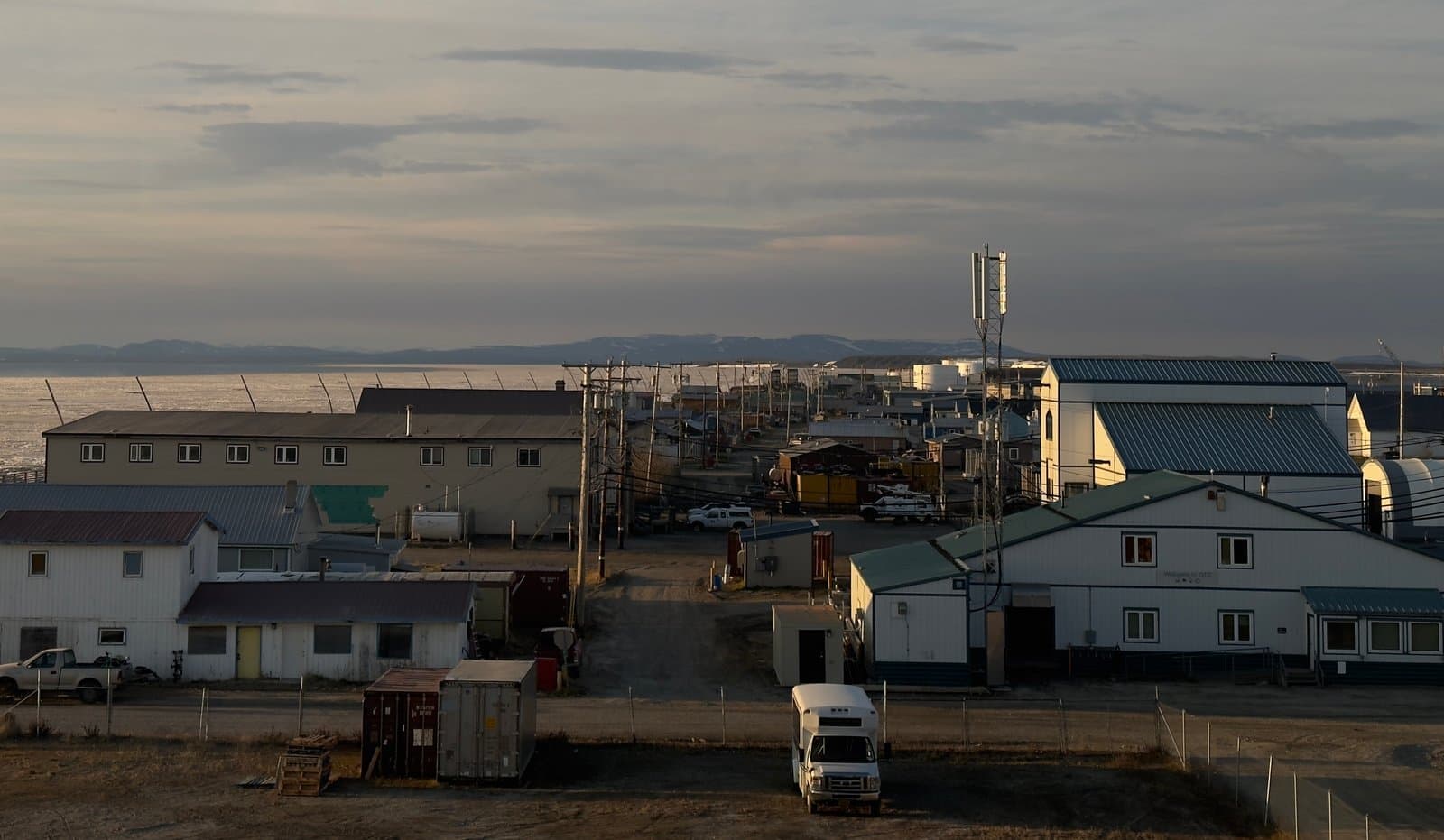
Alaska Supreme Court clarifies active-efforts standard in Jace B. ICWA case
Alaska Supreme Court ruled in Jace B. case that state caseworkers must meet a higher active-efforts standard under federal Indian Child Welfare Act when confirming a newborn's tribal status before any move to terminate parental rights.
 by Maggie AlaskaNews2 min read
About Alaska Court System

Photo via Wikimedia Commons · Photo source · Public domain
courts.alaska.gov ↗Alaska
The Alaska Court System, also called the Alaska Judiciary, is the judicial branch that hears and decides cases across Alaska. It comprises the Supreme Court, the Court of Appeals and the Superior Courts in judicial districts around the state.
Supreme Court rulings recur across child custody, the termination of parental rights and Indian Child Welfare Act cases, property disputes, taxation and election questions such as ranked-choice voting and ballot eligibility. The Court of Appeals reviews criminal convictions, including the instructions given to juries.
The court system also runs the administration of the courts, from the CourtView case lookup and TrueFiling electronic filing to text reminders before hearings and decisions about courthouse buildings. Its judges stand for retention elections, and its rulings settle questions of jurisdiction shared with tribal courts.