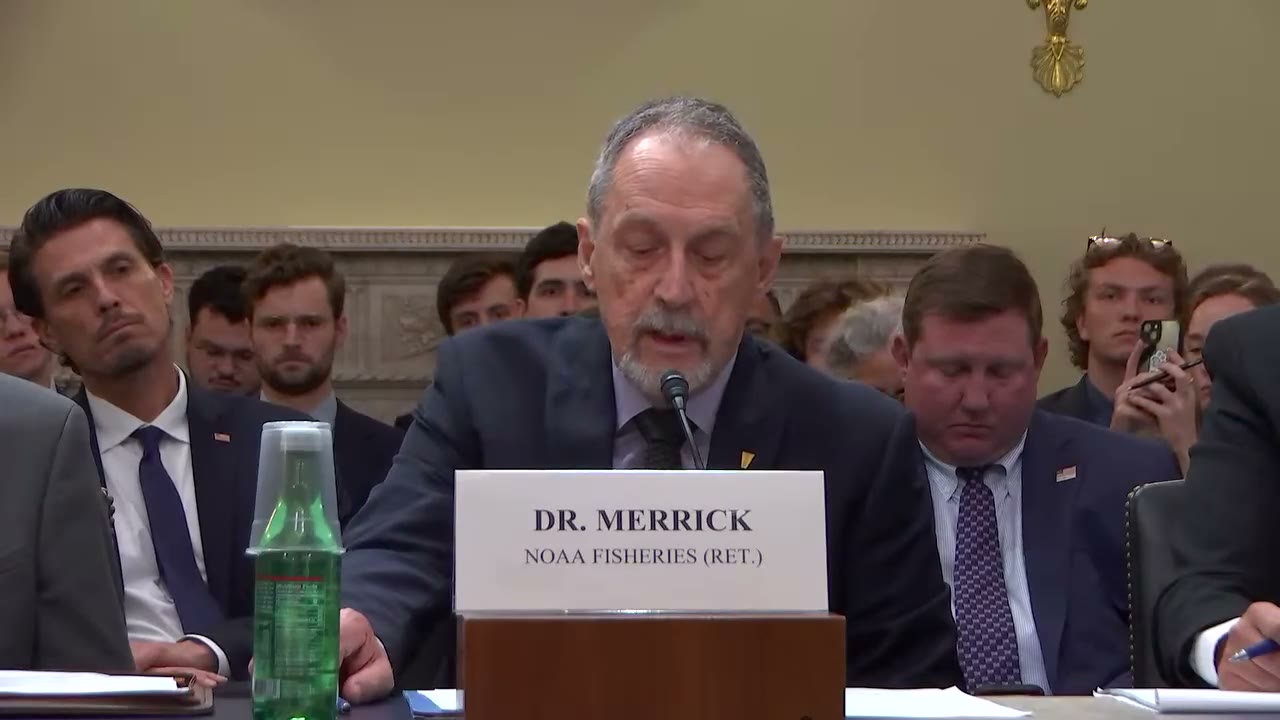
Richard Merrick
109:06 - 109:40
"Reducing the pinniped population in Washington waters would allow Pacific hake stocks to expand, increasing their predation on smolts. And a consequence of the reduction in the Salish Sea pinniped population would be its impact on ESA-threatened transient killer whales, Bigg's killer whales, which are known to rely on seals for prey."
“Reducing the pinniped population in Washington waters would allow Pacific hake stocks to expand, increasing their predation on smolts. And a consequence of the reduction in the Salish Sea pinniped population would be its impact on ESA-threatened transient killer whales, Bigg's killer whales, which are known to rely on seals for prey.”
- Speaker
- Richard Merrick
- Timestamp
- 109:06 – 109:40
- Source
- House Natural Resources Subcommittee on Water, Wildlife and Fisheries (Begich): Legislative Hearing
- Community
- Alaska News
- Captured at
- July 21, 2026
From the transcript
Then widespread reductions in pinniped numbers will likely have some unintended consequences. Reducing the pinniped population in Washington waters would allow Pacific hake stocks to expand, increasing their predation on smolts. And a consequence of the reduction in the Salish Sea pinniped population would be its impact on ESA-threatened transient killer whales, Bigg's killer whales, which are known to rely on seals for prey. Targeted removals of pinnipeds like Washington is doing now with Oregon would help. They'll help localize salmon survival.
Related Coverage
The sea lions in Congress's salmon bill breed in Southeast Alaska
A House subcommittee heard competing testimony Tuesday on a bill that would let Washington state and tribal co-managers kill more sea lions across the Columbia River and Western Washington. Supporters cited a dramatic drop in steelhead extinction risk at Willamette Falls; a minority scientist warned habitat loss, not predation, is the real problem.
 by Maggie AlaskaNewsadded 2mo ago2 min read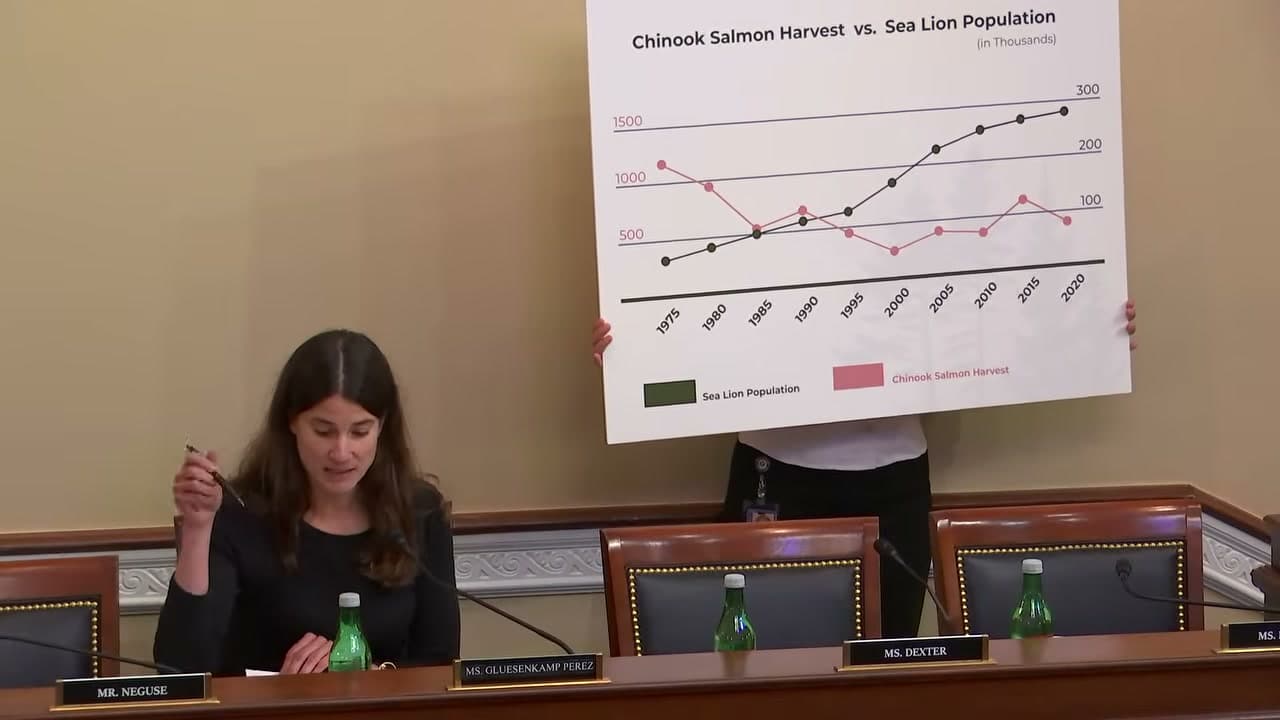
A cattle parasite Alaska will never see could still cost Alaskans
A House subcommittee heard testimony on the SAFE Cattle Act, which would coordinate federal screwworm response — a cattle threat that reaches Alaska through beef prices.
by Maggie AlaskaNewsadded 2mo ago1 min read