Katie Parrott
26:27 - 27:15
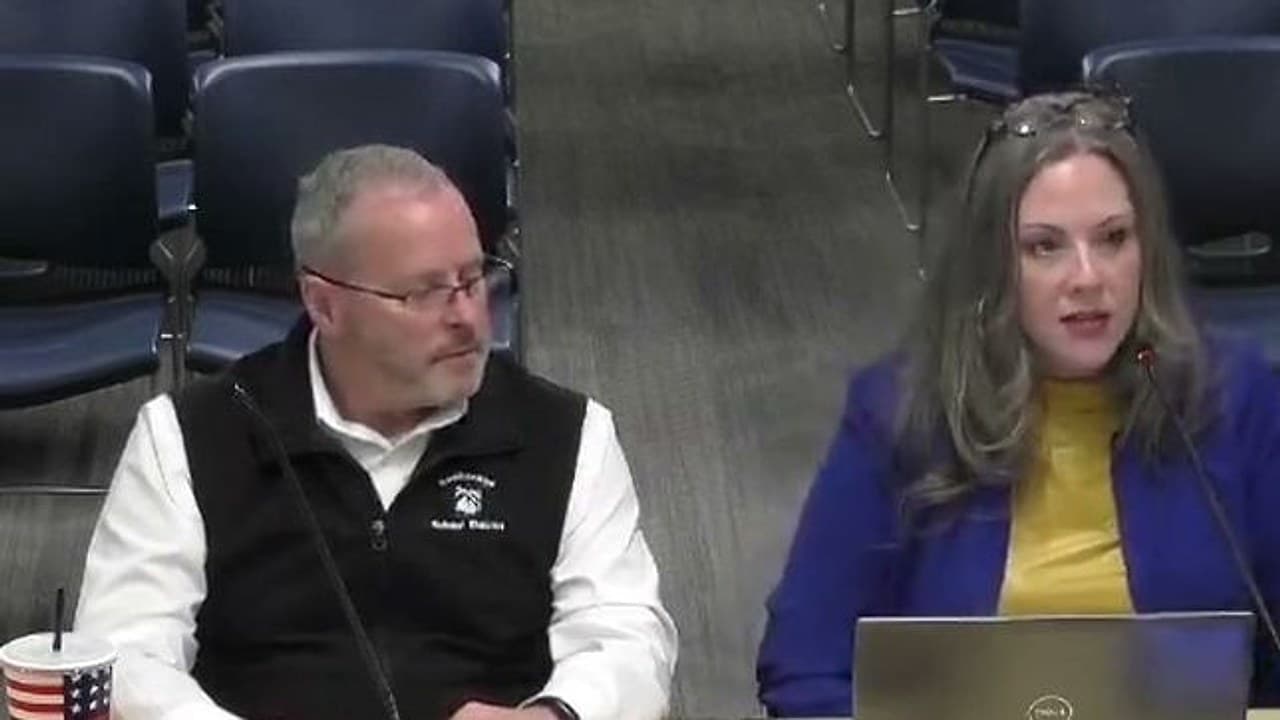
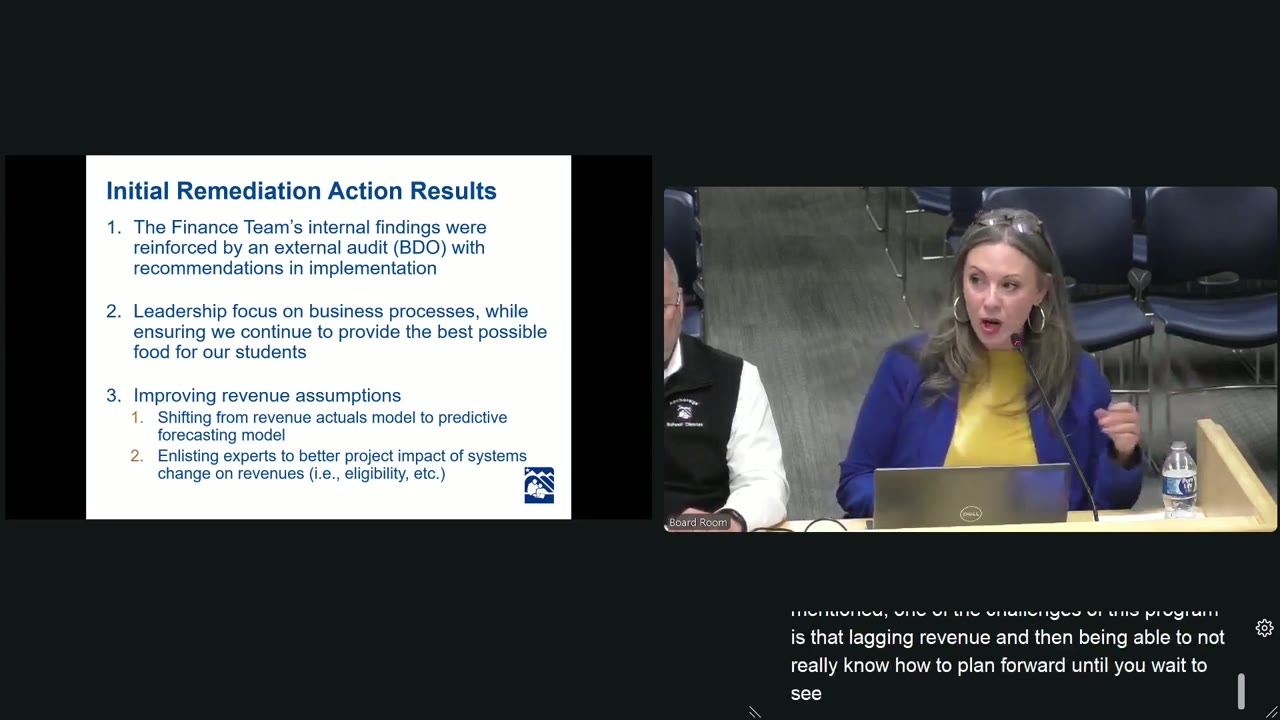
“one of the things that we are in the process of doing for FY28 is to shift from that revenue actuals model where you look back at what's happened to plan for the future to a predictive forecasting model so that you're using more up-to-date data and then forecasting that out.”
- Speaker
- Katie Parrott
- Timestamp
- 26:27 – 27:15
- Community
- Alaska News
- Location
- Anchorage
- Captured at
- November 2, 2026
From the transcript
So as I mentioned, one of the challenges of this program is that lagging revenue. Know, and then being able to not really know how to plan forward until you wait to see what happened prior. And so one of the things that we are in the process of doing for FY28 is to shift from that revenue actuals model where you look back at what's happened to plan for the future to a predictive forecasting model so that you're using more up-to-date data and then forecasting that out. And so we've, we've made a lot of progress in that area in the last month or two and are hoping to have a much better result for FY28. And then, as I mentioned, we're also enlisting our experts to better be able to do some of that really technical work to understand how impacts in the system or changes in the system impact the revenue component.
Related Coverage
Anchorage School Board approves $7.5 million transfer to cover student nutrition deficit
Anchorage schools served more meals, but meal revenue fell nearly $8.9 million short. The School Board moved $7.5 million from the general fund to cover it.