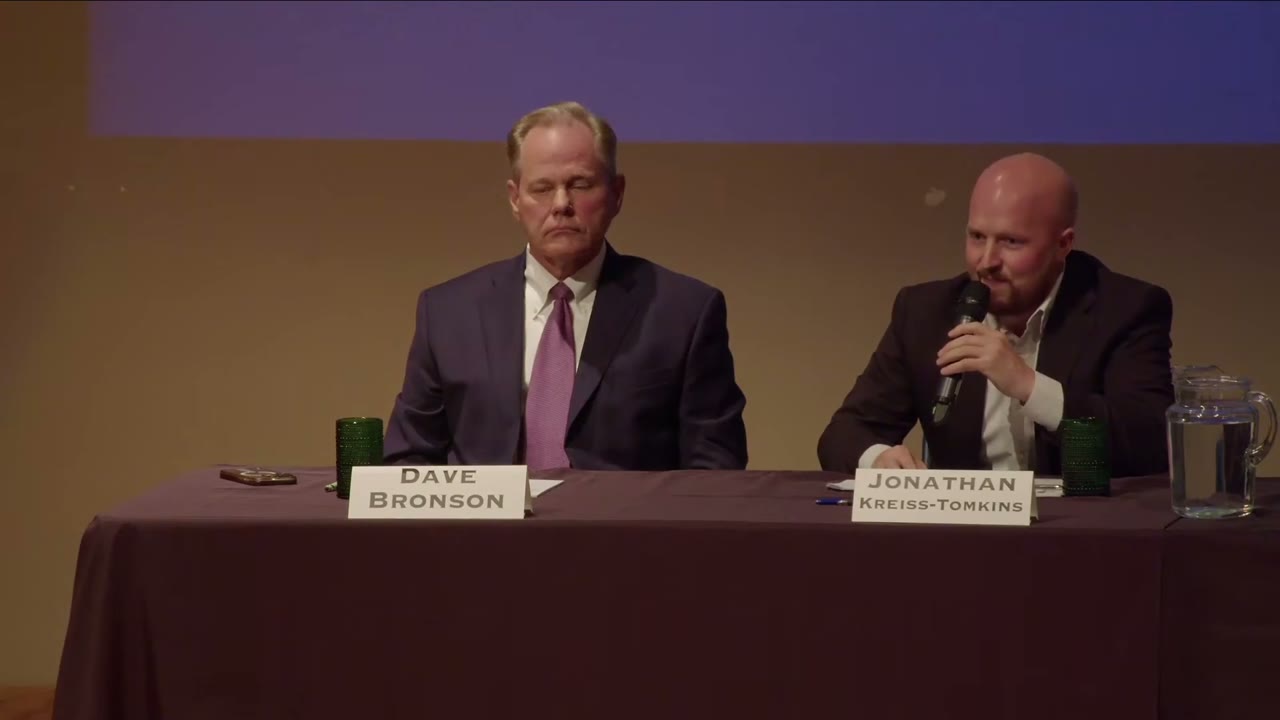
Jonathan Kreiss-Tomkins
47:31 - 48:08
"conserving natural gas for its highest and best use, which is heating, we don't really have an alternative, and aggressively diversifying in terms of how we generate electricity in order to conserve that very precious and finite natural gas resource, I think makes a lot of sense."
“conserving natural gas for its highest and best use, which is heating, we don't really have an alternative, and aggressively diversifying in terms of how we generate electricity in order to conserve that very precious and finite natural gas resource, I think makes a lot of sense.”
- Speaker
- Jonathan Kreiss-Tomkins
- Timestamp
- 47:31 – 48:08
- Community
- Alaska News
- Location
- Anchorage
- Captured at
- September 23, 2026
From the transcript
We're very path dependent in terms of heating on the rail belt, and natural gas is that path that we are dependent on. We can diversify in the medium term, but conserving natural gas for its highest and best use, which is heating, we don't really have an alternative, and aggressively diversifying in terms of how we generate electricity in order to conserve that very precious and finite natural gas resource, I think makes a lot of sense. And that 25 BCF, billion cubic feet, of natural gas we consume every year, 1/3 of the total rail belt consumption, if we can displace generation with other sources and conserve natural gas for heating, I think that is a smart strategic play for us with the rail belt. All right, thank you. Mr. Taylor.
Related Coverage
Alaska governor candidates split over who is to blame for Southcentral's gas shortfall
At a Renewable Energy Alaska Project forum in Anchorage on Wednesday, the four candidates for governor split over the 3 billion cubic foot gas shortfall ENSTAR says Southcentral faces this winter. Bernadette Wilson and Dave Bronson blamed state tax and permitting policy; Jonathan Kreiss-Tomkins and Treg Taylor looked to Cook Inlet drilling.
 by Walter AlaskaNews1h ago2 min readAI