Val Hoyle
45:34 - 46:00
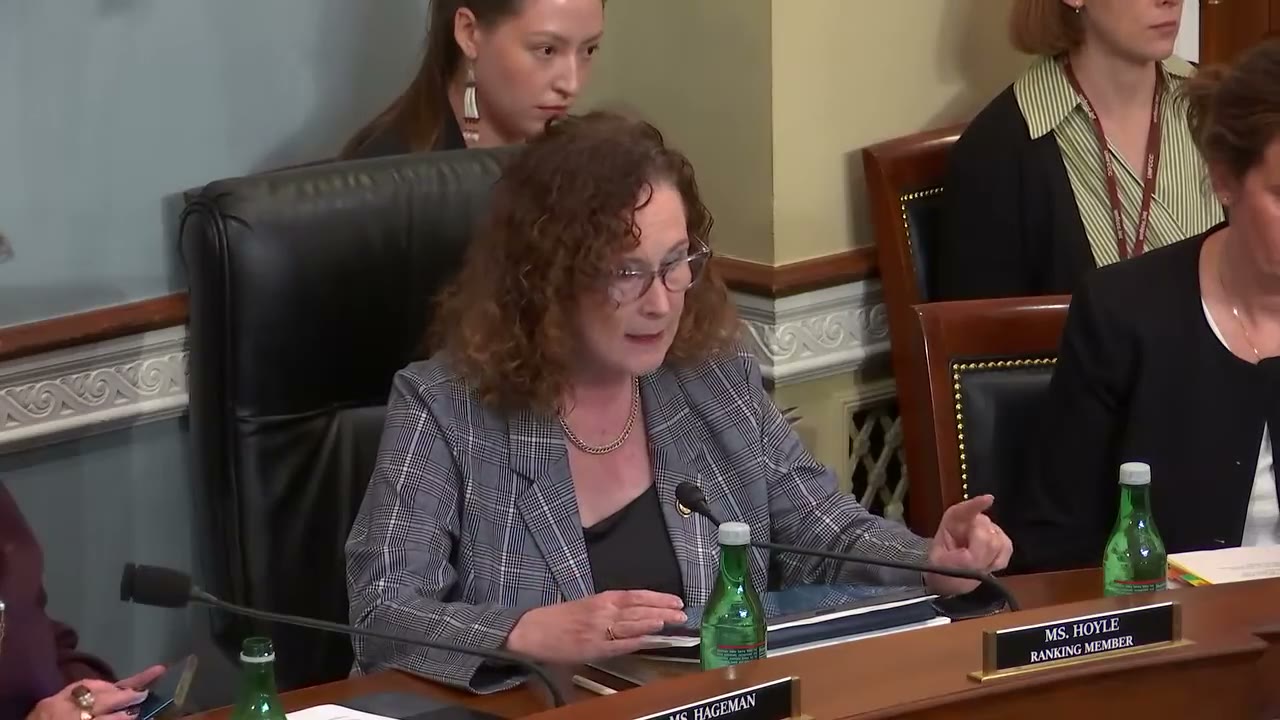
"I'm disappointed that Oregon tribes and the communities in my district affected most by this legislation were not included in this development. The people who fish these waters, manage these resources, and depend on healthy salmon populations deserve a real seat at the table. And sea lions cross both sides of the river. They go from Washington to Oregon and back again. So we can't have a one-state solution."
“I'm disappointed that Oregon tribes and the communities in my district affected most by this legislation were not included in this development. The people who fish these waters, manage these resources, and depend on healthy salmon populations deserve a real seat at the table. And sea lions cross both sides of the river. They go from Washington to Oregon and back again. So we can't have a one-state solution.”
- Speaker
- Val Hoyle
- Timestamp
- 45:34 – 46:00
- Source
- House Natural Resources Subcommittee on Water, Wildlife and Fisheries (Begich): Legislative Hearing
- Community
- Alaska News
- Captured at
- July 21, 2026
From the transcript
I'm disappointed that Oregon tribes and the communities in my district affected most by this legislation were not included in this development. The people who fish these waters, manage these resources, and depend on healthy salmon populations deserve a real seat at the table. And sea lions cross both sides of the river. They go from Washington to Oregon and back again. So we can't have a one-state solution.
Related Coverage
The sea lions in Congress's salmon bill breed in Southeast Alaska
A House subcommittee heard competing testimony Tuesday on a bill that would let Washington state and tribal co-managers kill more sea lions across the Columbia River and Western Washington. Supporters cited a dramatic drop in steelhead extinction risk at Willamette Falls; a minority scientist warned habitat loss, not predation, is the real problem.
 by Maggie AlaskaNewsadded 2mo ago2 min read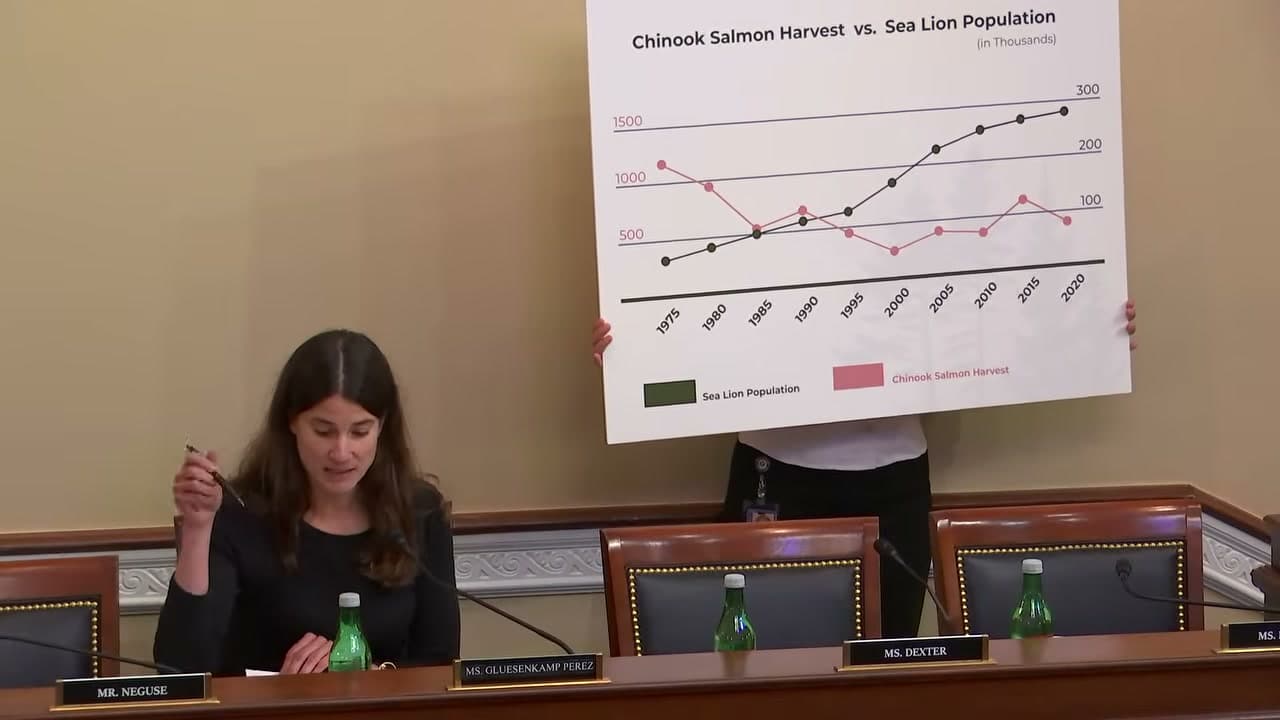
A cattle parasite Alaska will never see could still cost Alaskans
A House subcommittee heard testimony on the SAFE Cattle Act, which would coordinate federal screwworm response — a cattle threat that reaches Alaska through beef prices.
by Maggie AlaskaNewsadded 2mo ago1 min read