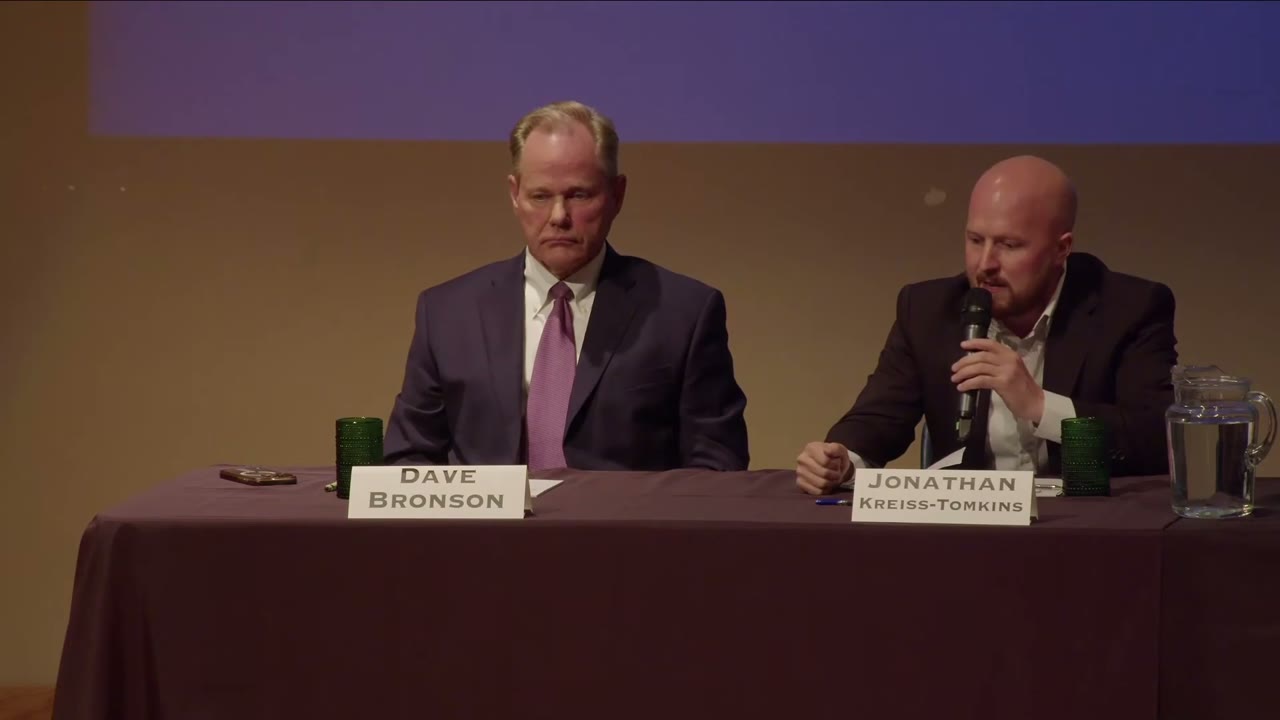
Jonathan Kreiss-Tomkins
46:48 - 47:23
"DNR plays a key role in reviewing and approving those plans of development. Development for each of those producers, and DNR has been a major reason why Hex and Blue Crest are moving forward, and recent DNR action has really been a kick in the rear end for Blue Crest, and I think that's an appropriate role for state agency to play."
“DNR plays a key role in reviewing and approving those plans of development. Development for each of those producers, and DNR has been a major reason why Hex and Blue Crest are moving forward, and recent DNR action has really been a kick in the rear end for Blue Crest, and I think that's an appropriate role for state agency to play.”
- Speaker
- Jonathan Kreiss-Tomkins
- Timestamp
- 46:48 – 47:23
- Community
- Alaska News
- Location
- Anchorage
- Captured at
- September 23, 2026
From the transcript
And, you know, DNR plays a key role in reviewing and approving those plans of development. Development for each of those producers, and DNR has been a major reason why Hex and Blue Crest are moving forward, and recent DNR action has really been a kick in the rear end for Blue Crest, and I think that's an appropriate role for state agency to play. However, in the bigger picture, you know, there's 75 billion cubic feet of natural gas that are consumed by the rail belt every year. 25 Of that approximately is for electricity, 50 1 billion cubic feet of that approximately is for heating. And there are lots of ways to generate electricity.
Related Coverage
Alaska governor candidates split over who is to blame for Southcentral's gas shortfall
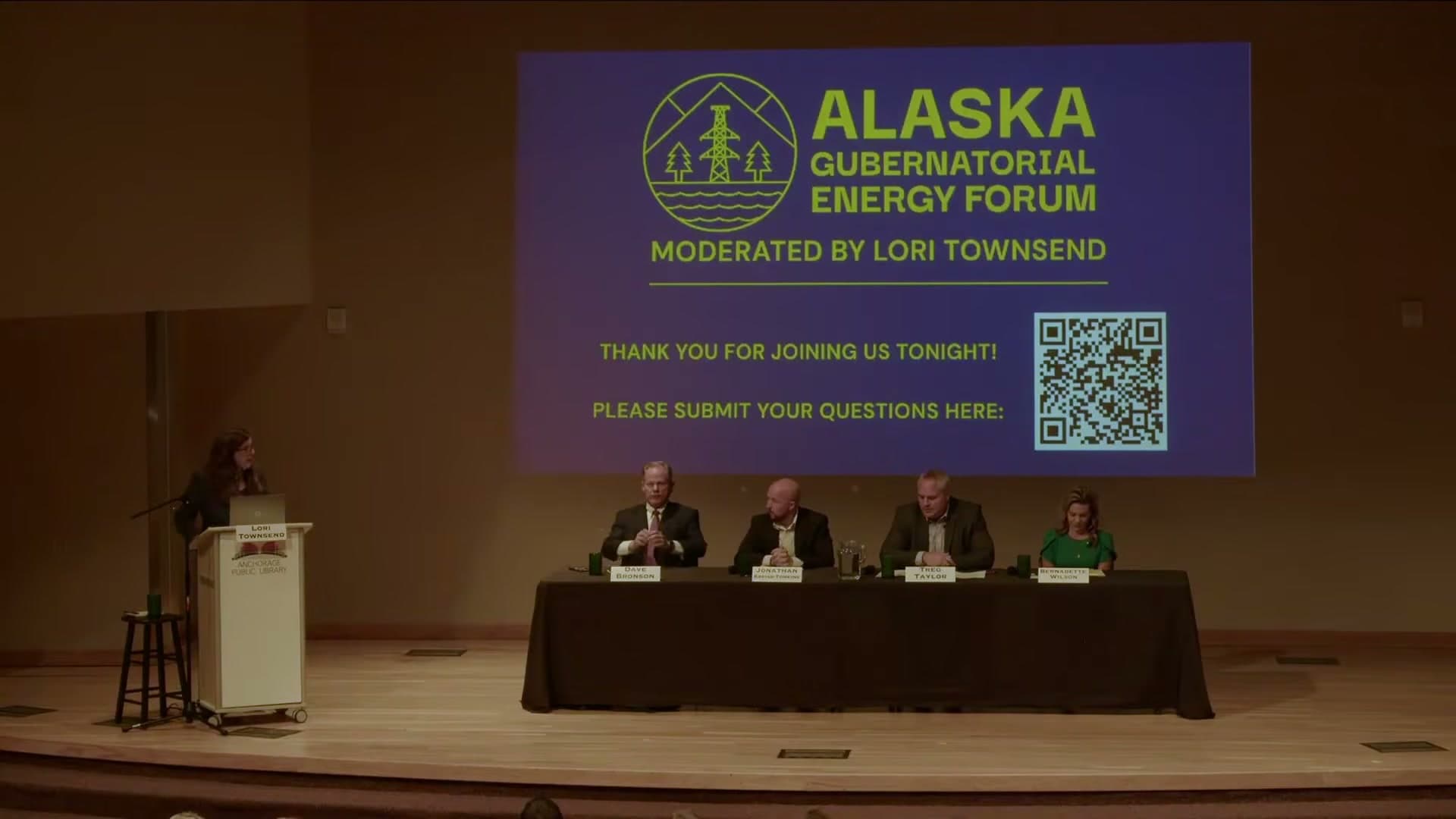
At a Renewable Energy Alaska Project forum in Anchorage on Wednesday, the four candidates for governor split over the 3 billion cubic foot gas shortfall ENSTAR says Southcentral faces this winter. Bernadette Wilson and Dave Bronson blamed state tax and permitting policy; Jonathan Kreiss-Tomkins and Treg Taylor looked to Cook Inlet drilling.
 by Walter AlaskaNews1h ago2 min readAI