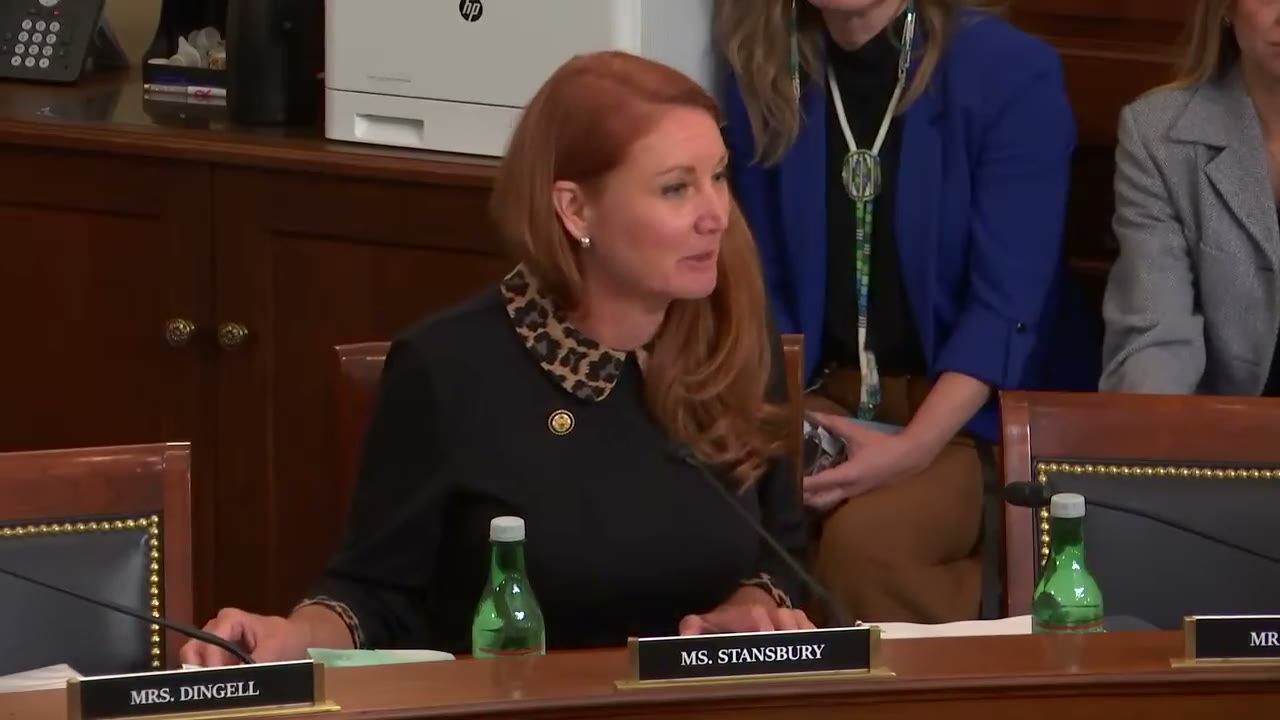
Melanie Stansbury
121:59 - 122:54
"New Mexico is truly on the front lines of the new— of the new world screwworm outbreak, and our ranchers and our farmers deserve to know that Congress has their back."
“New Mexico is truly on the front lines of the new— of the new world screwworm outbreak, and our ranchers and our farmers deserve to know that Congress has their back.”
- Speaker
- Melanie Stansbury
- Timestamp
- 121:59 – 122:54
- Source
- House Natural Resources Subcommittee on Water, Wildlife and Fisheries (Begich): Legislative Hearing
- Community
- Alaska News
- Captured at
- July 21, 2026
From the transcript
So thank you so much for that. I am a co-sponsor of this bipartisan bill that we are hearing here today, and I do want to thank the chairwoman for her leadership on this issue, because New Mexico is truly on the front lines of the new— of the new world screwworm outbreak, and our ranchers and our farmers deserve to know that Congress has their back. And so I want to talk a little bit about what we're doing, what this bill is about, and how we're helping to support our farmers and ranchers back home. And also to talk about how we ended up in this place, because the reality is that the United States actually successfully eradicated the New World Screwworm in the 1960s. And that was an achievement that was sustained through science, investment, and a whole of government commitment, as this bill is trying to accomplish.
Related Coverage
The sea lions in Congress's salmon bill breed in Southeast Alaska
A House subcommittee heard competing testimony Tuesday on a bill that would let Washington state and tribal co-managers kill more sea lions across the Columbia River and Western Washington. Supporters cited a dramatic drop in steelhead extinction risk at Willamette Falls; a minority scientist warned habitat loss, not predation, is the real problem.
 by Maggie AlaskaNewsadded 2mo ago2 min read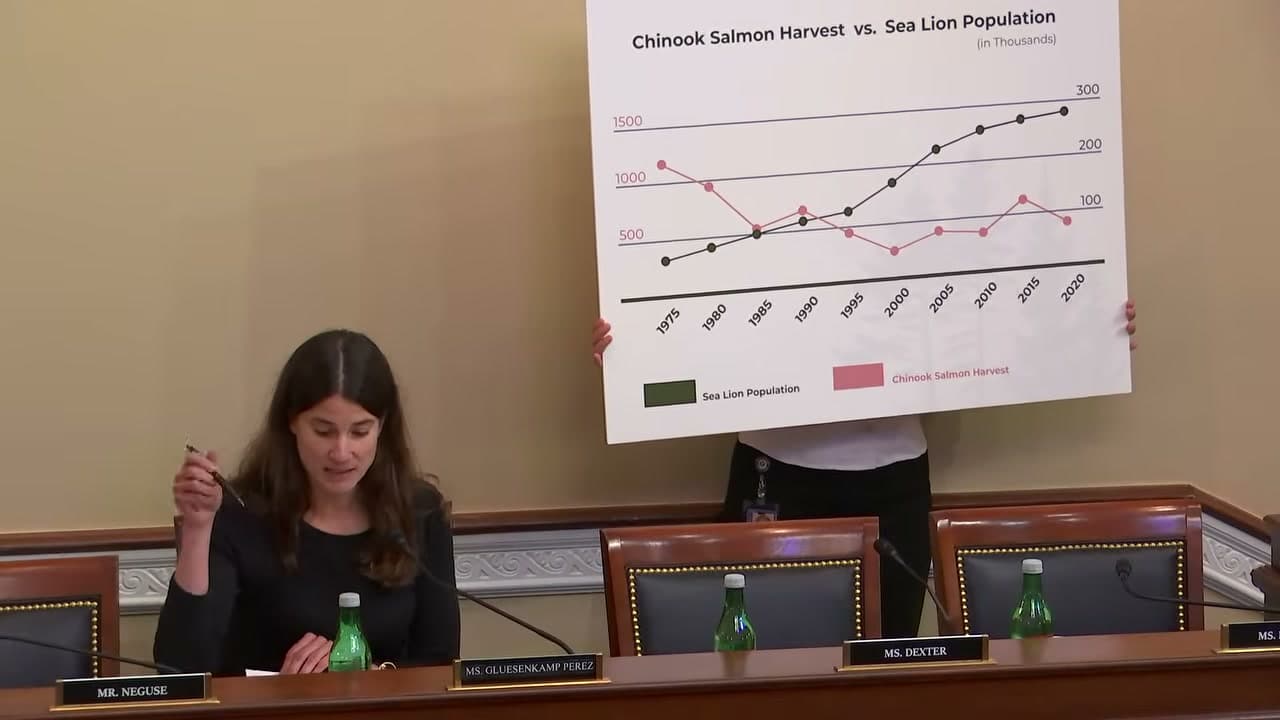
A cattle parasite Alaska will never see could still cost Alaskans
A House subcommittee heard testimony on the SAFE Cattle Act, which would coordinate federal screwworm response — a cattle threat that reaches Alaska through beef prices.
by Maggie AlaskaNewsadded 2mo ago1 min read