Nate Pamplin
112:25 - 112:58
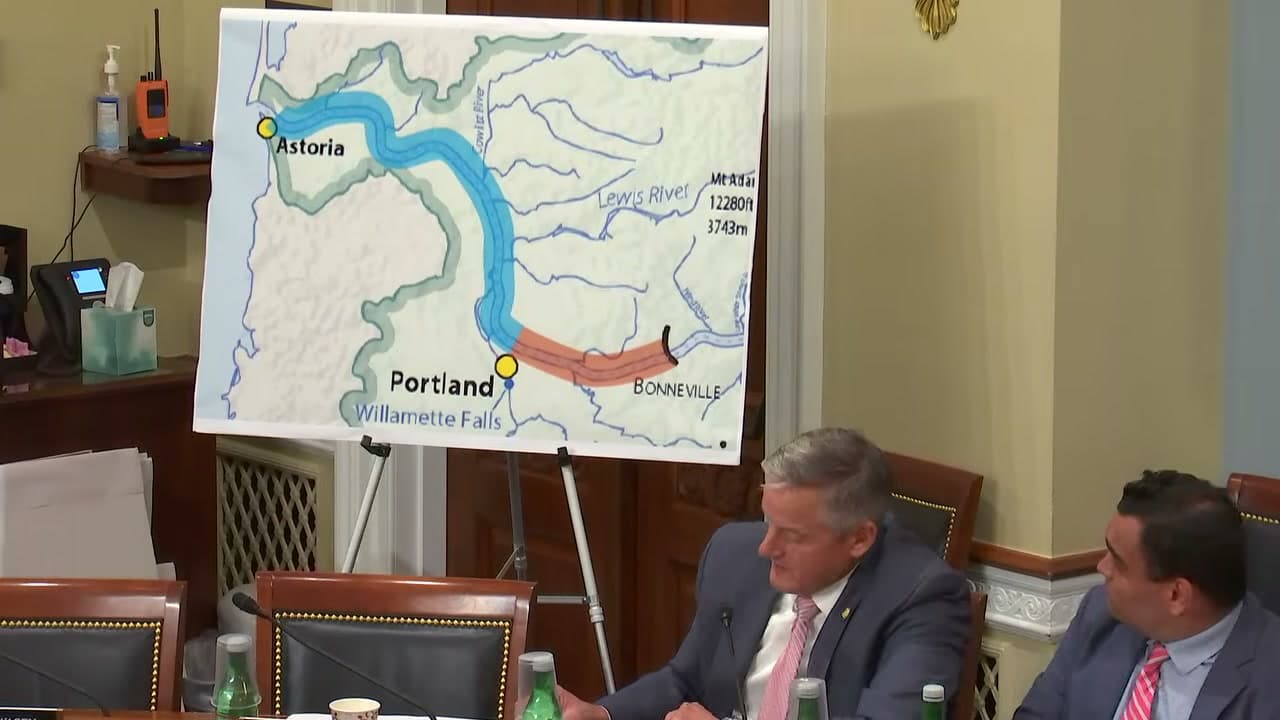
"Prior to lethal removal, listed winter steelhead faced an 89% risk of extinction. After 2 years of targeted removals, the risk of extinction fell to 11%. Future work should expand authorities to predation hotspots This bill increases flexibility by addressing the method of take and the geographic area where removals can occur."
“Prior to lethal removal, listed winter steelhead faced an 89% risk of extinction. After 2 years of targeted removals, the risk of extinction fell to 11%. Future work should expand authorities to predation hotspots This bill increases flexibility by addressing the method of take and the geographic area where removals can occur.”
- Speaker
- Nate Pamplin
- Timestamp
- 112:25 – 112:58
- Source
- House Natural Resources Subcommittee on Water, Wildlife and Fisheries (Begich): Legislative Hearing
- Community
- Alaska News
- Captured at
- July 21, 2026
From the transcript
With the declines in sea lion presence at the dam and tens of thousands of salmon estimated to be saved. A great example of the benefits is from Willamette Falls. Prior to lethal removal, listed winter steelhead faced an 89% risk of extinction. After 2 years of targeted removals, the risk of extinction fell to 11%. Future work should expand authorities to predation hotspots This bill increases flexibility by addressing the method of take and the geographic area where removals can occur.
Related Coverage
The sea lions in Congress's salmon bill breed in Southeast Alaska
A House subcommittee heard competing testimony Tuesday on a bill that would let Washington state and tribal co-managers kill more sea lions across the Columbia River and Western Washington. Supporters cited a dramatic drop in steelhead extinction risk at Willamette Falls; a minority scientist warned habitat loss, not predation, is the real problem.
 by Maggie AlaskaNewsadded 2mo ago2 min read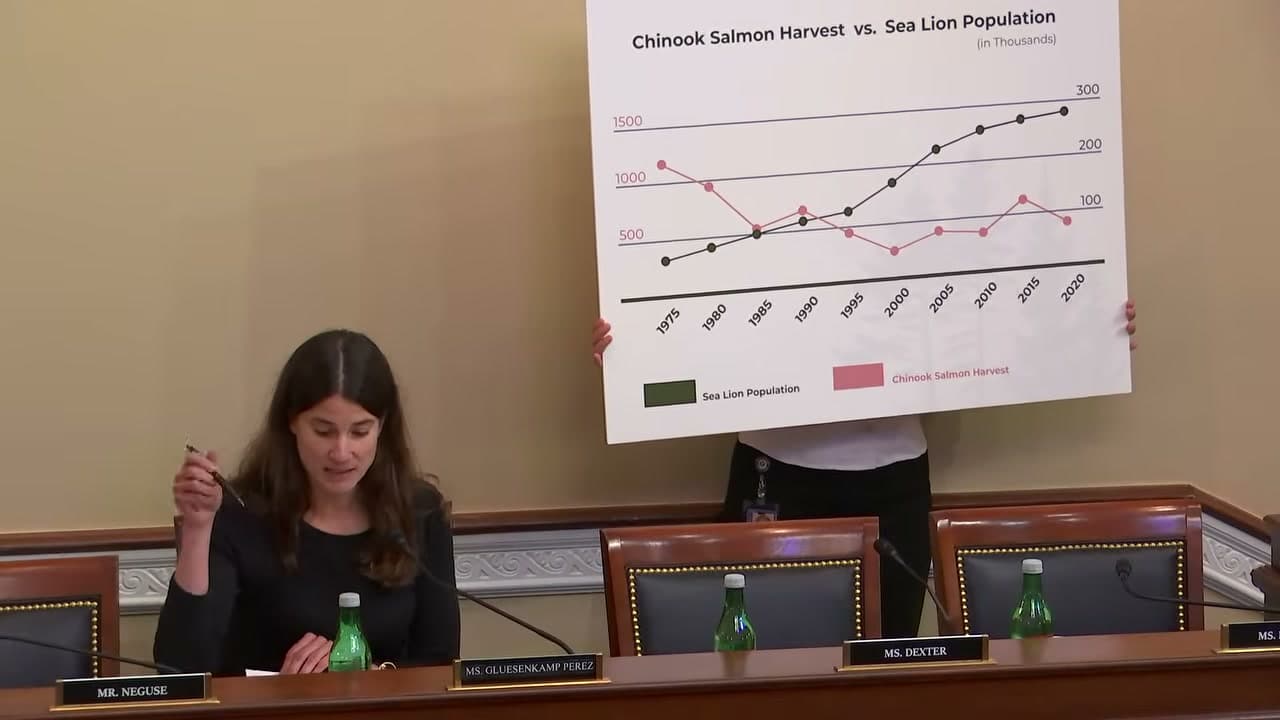
A cattle parasite Alaska will never see could still cost Alaskans
A House subcommittee heard testimony on the SAFE Cattle Act, which would coordinate federal screwworm response — a cattle threat that reaches Alaska through beef prices.
by Maggie AlaskaNewsadded 2mo ago1 min read