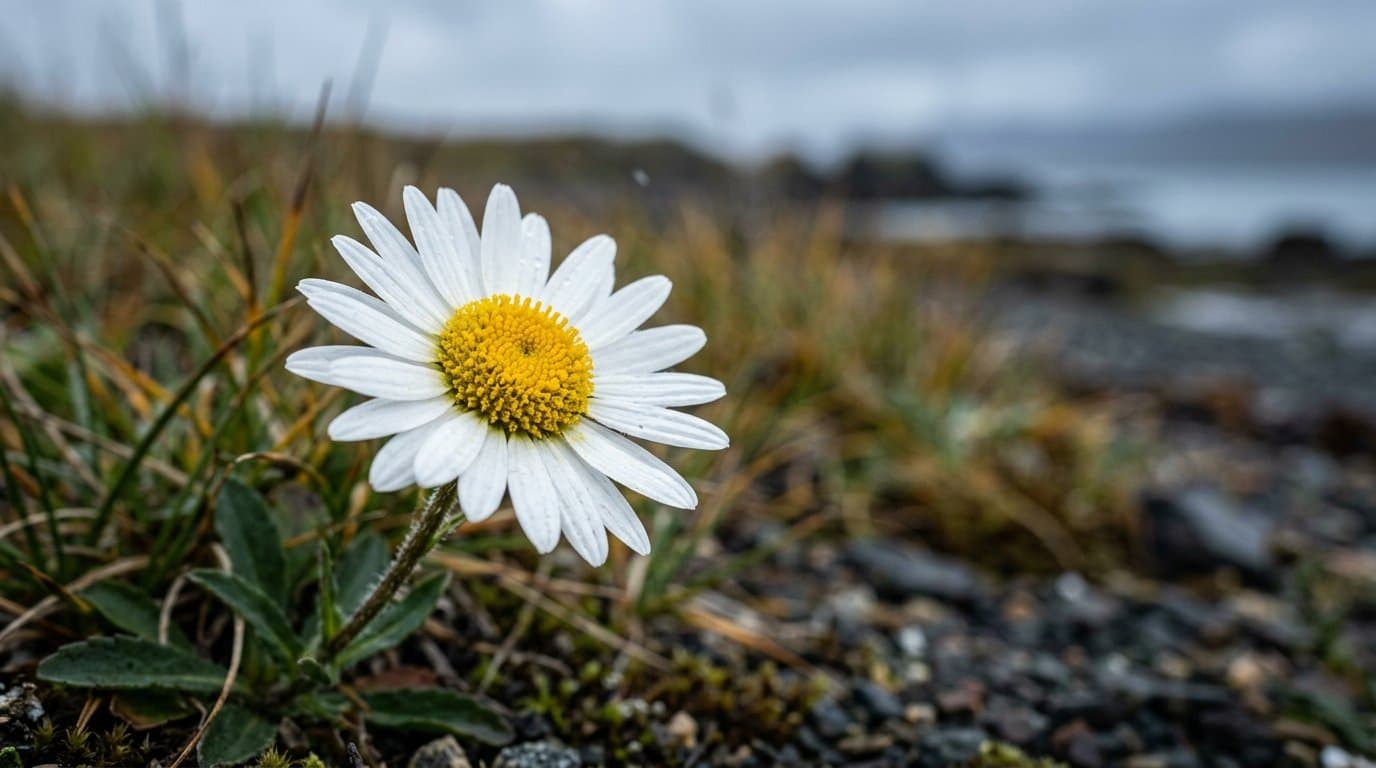
AI image
USDA says rust rule won't significantly affect Alaska's native mum
The U.S. Department of Agriculture's Animal and Plant Health Inspection Service has ended its chrysanthemum white rust quarantine, allowing chrysanthemum cuttings and plantlets from 20 countries, and from Canada under a separate protocol, to enter the continental United States starting Nov. 9. The agency detailed the change in an Oct. 7 program update.
In an Oct. 8 Federal Register decision, APHIS said eradicating the fungus is no longer technically or economically justified. The pathogen survives systemically in plants, overwinters below ground and is likely already established in the country, the agency said. Fungicides offer cheaper management than continued quarantine enforcement. Imports still must pass a final commodity import evaluation, and shipments from the 20 countries will go through additional systems-based safeguards under Operational Work Plans.
Responding to a public comment, APHIS said Chrysanthemum arcticum is the only chrysanthemum species known to be native to the United States. The agency said the plant's limited range in northern coastal Alaska and its cold climate mean the quarantine's end will not significantly affect it.
Older federal import rules had listed the plant as a disease host for chrysanthemum white rust. It grows on beaches, salt marshes and coastal tundra, according to the Flora of North America, with populations along Alaska's western mainland coast and the Aleutian Islands, according to scientific literature.
Source: USDA Animal and Plant Health Inspection Service, USDA Animal and Plant Health Inspection Service: Federal Register :: Notice of Decision To Deregulate Chrysanthemum White Rust and the Importation of Chrysanthemum spp. Cuttings, and In Vitro Plantlets, and Synonymous Taxa From Certain Countries Into the Continental United States.
Made by our human newsroom with AI. How humans and AI work here · Grow with our newsroom
Stay informed. Support what matters.
Free, permanent access to local news you can verify. Subscribe to support Maggie AlaskaNews and go ad-free.
Related Coverage
A shipping rule eases road transport, but not for off-road Alaska
Alaska News · 2mo ago
Interior lets BLM skip environmental assessments for qualifying NPR-A winter exploration
Alaska News · 3d ago
Trump's farm package, and what it actually means for Alaska
Alaska News · 3mo ago
A federal rule would ease buying Alaska seafood for school meals
Alaska News · 4w ago
USDA moves to rescind the roadless rule on the Tongass
Alaska News · 2mo ago
Comments
Sign in to leave a comment.
No comments yet. Be the first to share your thoughts.