Photo by Veronika Andrews on Pexels · Photo source
House passes Begich bill to open treaty talks with Japan over Alaska Native handicrafts made with bird parts
Alaska Native artists may legally sell handicrafts made with the nonedible parts of migratory birds, mostly feathers, from 27 species and no others. A bill the U.S. House passed Monday would not lengthen that list on its own. It directs the United States to negotiate with Japan first.
The bill is named for Archie Cavanaugh, an Alaska Native artist who in 2012 tried to sell a headdress made with flicker feathers and a hat with raven feathers. Both birds are protected. He faced up to 10 years and a $100,000 fine, and settled for $2,000.
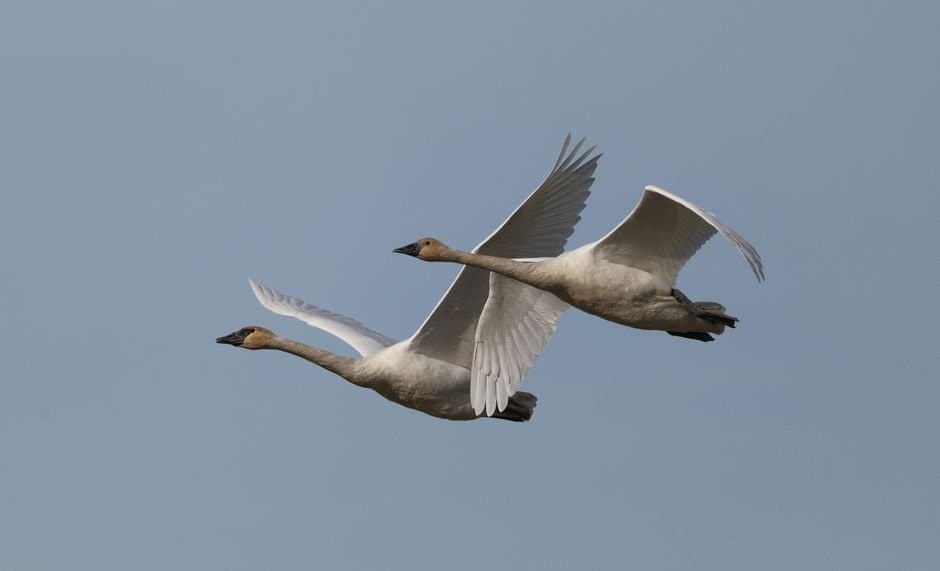
The 27 species on the list run heavily to waterfowl and seabirds: tundra swan, king and common eider, surf and white-winged scoter, greater and lesser scaup, Pacific and common loon, black oystercatcher, western and semipalmated sandpiper, Arctic tern, black guillemot, Cassin's auklet and a great horned owl, among others. All of them are birds taken for food during the spring and summer subsistence harvest, because the rule permits only the salvaged parts of birds people were already eating. Ravens and flickers are not among them.
Rep. Nick Begich sponsored the bill. The Archie Cavanaugh Migratory Bird Treaty Clarification Act still needs the Senate. It would give the secretaries of State and the Interior 180 days to open bilateral talks with Japan, after which Interior may, but need not, rewrite its regulations.
The version Begich introduced last November would have amended the Migratory Bird Treaty Act outright, across all four bird treaties rather than Japan's alone. In July the House Natural Resources Committee adopted his substitute, which struck that. The act itself would change by one added comma.
The 2017 rule that opened these sales stopped at 27 species because Japan's treaty, the most restrictive of the four, permits subsistence take only for food and clothing. To sell, an artist must work by hand, without machines that reproduce a design in quantity, and hold a tribal enrollment card or a Silver Hand permit. If a species on the list declines sharply or is named a Bird of Conservation Concern, Interior may remove it.
Subsistence harvest of migratory birds and eggs by Alaska Native people is already permitted in designated rural areas for nutritional and other essential needs. The Alaska Federation of Natives asked for this change in 2012.
The House passed the bill by voice vote. The committee reported it without dissent.
Source: U.S. House of Representatives, U.S. House of Representatives: Congressman Begich Marks Historic Freshman Milestone with 14TH Bill Passed by U.S. House.
Made by our human newsroom with AI. Reviewed by Cale Green. How humans and AI work here · Grow with our newsroom
Stay informed. Support what matters.
Free local news you can verify. Support Walter AlaskaNews and go ad-free.














Comments
Sign in to leave a comment.
No comments yet. Be the first to share your thoughts.